Exercise startup Peloton, known for streaming spin classes for its indoor bikes, has registered to go public, joining a crowded field of tech companies that have or will join the public markets this year.
Like many of its tech peers, Peloton appears confident in its plans for a public offering, despite not yet being profitable. In its registration documents, the company reported that it had made $915 million in revenues in the past fiscal year, a significant jump from the $435 million it produced the year before, but ultimately saw net losses of about $196 million, about quadruple its previous net losses of $48 million.
Founded in 2012, Peloton produces high-end, internet-connected stationary bikes and treadmills that work in concert with its streamed exercise classes. Bike packages approximately start at $2,200 (including delivery) while the treadmills begin about $4,300. Required content subscriptions are $39 a month. The company also offers a $19.49 option that lets users stream classes on mobile devices or a computer.
Since 2016, Peloton has seen its subscriber base grow from 107,000 people to more than half a million.
"Peloton's a really interesting case. This has been a year — obviously — of a lot of high-profile IPOs already," Joshua Franklin, a corporate finance correspondent at Reuters, told Cheddar on Wednesday. "Peloton kind of gets a little bit of the good stuff that people have liked about IPOs so far this year, and also a little bit of the stuff that people aren't so wild about."
He pointed to the Peloton's subscription model, revenue growth, and focus on disruption in the fitness space as potential positives for investors. On the other hand, Franklin cautioned that: "They don't specify in their IPO filing how they're going to reach profitability. And we've seen with Uber and Lyft, that's something that investors really are quite focused on these days."
In going public, the startup hopes to appeal to investors with a multifaceted business model. It has framed itself as a fusion of a media, fitness, and tech company, producing interconnected hardware, platform, and content. In the prospectus made public today, it says: "We are a technology company that meshes the physical and digital worlds to create a completely new, immersive, and connected fitness experience.
Peloton also says it's an "apparel" and "social connection" company because it sells branded clothing and incorporates a messaging feature into its streaming platform.
Unlike popular spin class brands SoulCycle and Flywheel, Peloton does not rely on physical locations. It runs a small number of studios where the startup films the content it streams online, but in its filing the company said revenue from classes at these locations "has been immaterial to date."
The startup appears to have inspired — or at least, catalyzed — an emergence of similar businesses. Mirror, founded in 2016, sells vertical, in-home screens that stream live exercise classes. 2017 saw the introduction of Hydrow, a startup that sells modernized rowing machines that stream rowing classes.
Meanwhile, Equinox Group has announced its plans to sell an at-home bike that will feature SoulCycle spin classes. Flywheel has also started selling their own home bikes with coordinated, live-streamed content, a move that has earned it a lawsuit over a patent dispute with Peloton itself.
Following the historic vote that established the first unionized Starbucks cafe in the nation, two stores in Boston have filed to have union elections as well. Baristas Cassie Fleischer and Jaz Brisack of the Buffalo cafe joined Cheddar to discuss supporting the Boston unionizing efforts. The duo also recounted efforts they say Starbucks undertook to stop their own organizing, including claims they would lose all their current benefits, anti-union propaganda texts, and anti-union meetings. "Howard Schultz, the former CEO, even came in to make a speech about how wonderful the benefits were and how he felt like that was akin to sharing blankets during the Holocaust," said Brisack.
Stocks closed lower Tuesday as investors weighed higher than expected producer price index data, released one day before the Federal Reserve's two-day December meeting concludes. The Fed is expected to announce its decision about speeding up its asset tapering timeline, and a potential interest rate hike. Barry James, portfolio manager at James Investment Research, joins Cheddar News' Closing Bell to discuss investor skittishness, what the Fed might announce, and more.
As 2021 is approaching its end, the meme stock mania that surrounded companies like Gamestop and AMC this year doesn't seem to be going anywhere. Stocks for both companies plunged to their lowest levels in months on Monday, but on Tuesday, traders seemed to come to the rescue, as the stocks for both companies saw rebounds. Great Hill Capital Chariman Thomas Hayes joins Cheddar News' Closing Bell to discuss.
Upward Farms is an indoor vertical farming company on a mission to heal our broken food system and reconnect consumers with organic locally-grown food. The Brooklyn-based company uses its controlled environment farms to grow organic leafy greens, which are sold at whole foods markets in New York City. Upward Farms co-founder and CEO Jason Green joined Cheddar Climate to discuss.
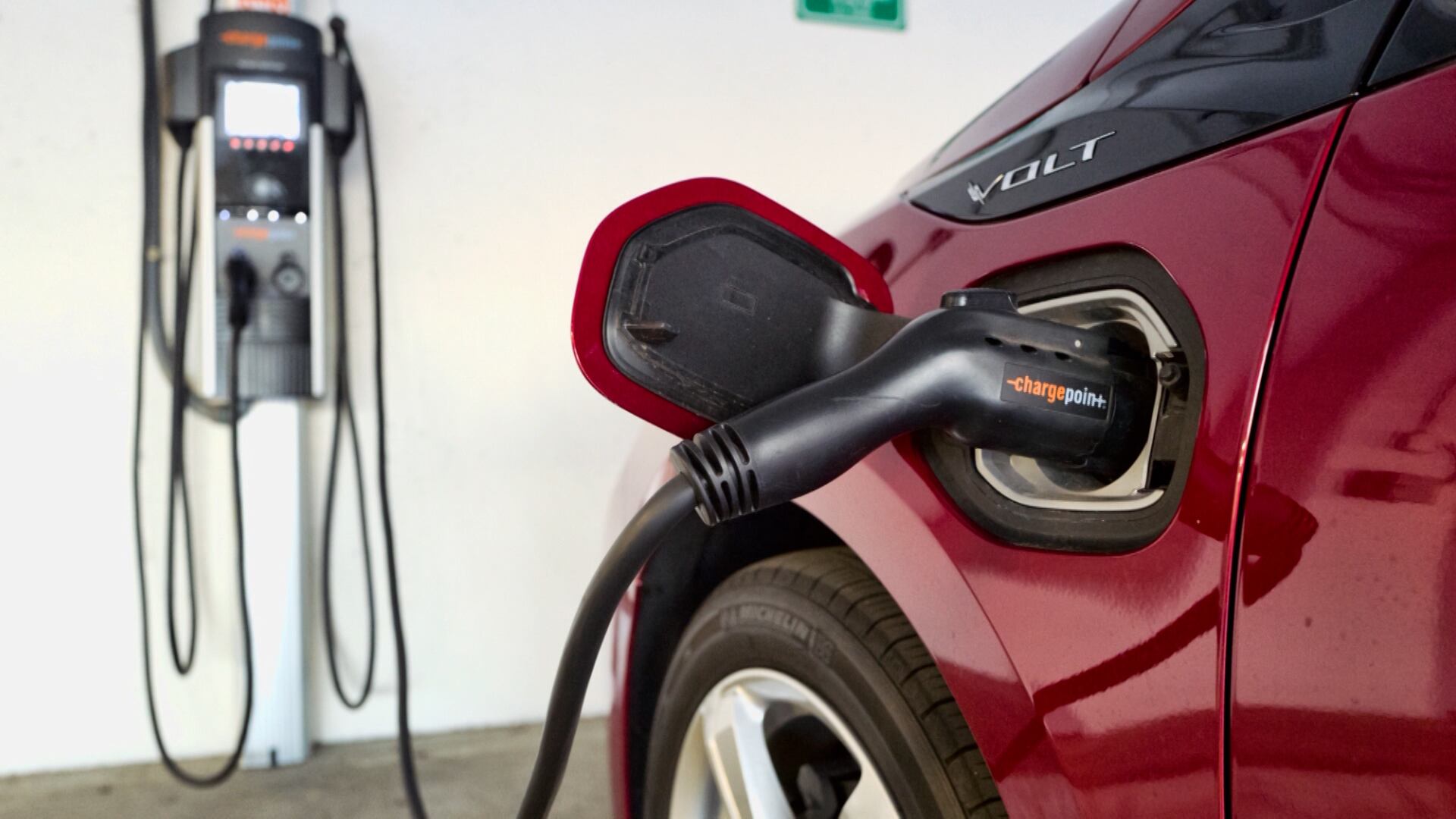
One of the biggest hurdles when it comes to widespread electric vehicle adoption is consumer hesitation about their ability to keep their EV charged if they take a longer trip outside of their locality. Now, electric companies nationwide are teaming up as part of a coalition to build out a network of EV charging stations spanning major U.S. travel corridors. Kellen Schefter, director of electric transportation at the Edison Electric Institute, joins Cheddar Climate to discuss the coalition's plans, how drivers can compare fueling up with gas to recharging an EV on a long trip, how the charging network will be funded, and more.
Cheddar is looking back at the 12 biggest buzzwords of the year leading up to Christmas. Today's word of the day is "Infrastructure." Definition: (noun) the basic physical and organizational systems that uphold the structure of the economy.
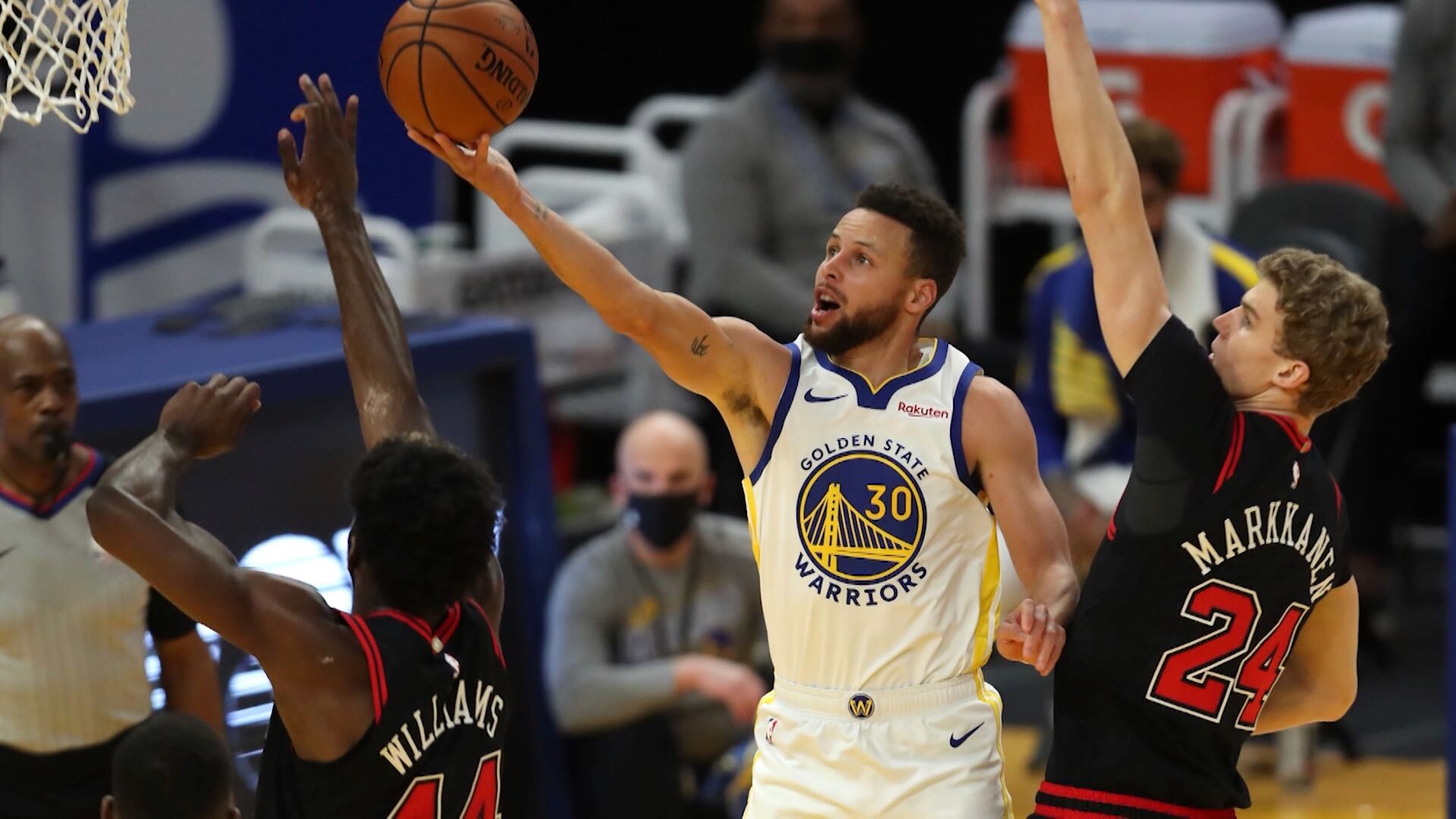
The NBA's Golden State Warriors announced a partnership with crypto exchange FTX. It will become the official crypto trading platform for the franchise as well as home to a number of NFTs it plans to drop. Brandon Schneider, president and chief operating officer of the team, joined Cheddar's Kristen Scholer to provide some background on the deal and talked about how digital assets are transforming the world of sports. "We as a society, not just in sports, are kind of at the beginning of the beginning with crypto and NFTs specifically, so we're really excited to partner with FTX to see where we can take this together," he said.