Exercise startup Peloton, known for streaming spin classes for its indoor bikes, has registered to go public, joining a crowded field of tech companies that have or will join the public markets this year.
Like many of its tech peers, Peloton appears confident in its plans for a public offering, despite not yet being profitable. In its registration documents, the company reported that it had made $915 million in revenues in the past fiscal year, a significant jump from the $435 million it produced the year before, but ultimately saw net losses of about $196 million, about quadruple its previous net losses of $48 million.
Founded in 2012, Peloton produces high-end, internet-connected stationary bikes and treadmills that work in concert with its streamed exercise classes. Bike packages approximately start at $2,200 (including delivery) while the treadmills begin about $4,300. Required content subscriptions are $39 a month. The company also offers a $19.49 option that lets users stream classes on mobile devices or a computer.
Since 2016, Peloton has seen its subscriber base grow from 107,000 people to more than half a million.
"Peloton's a really interesting case. This has been a year — obviously — of a lot of high-profile IPOs already," Joshua Franklin, a corporate finance correspondent at Reuters, told Cheddar on Wednesday. "Peloton kind of gets a little bit of the good stuff that people have liked about IPOs so far this year, and also a little bit of the stuff that people aren't so wild about."
He pointed to the Peloton's subscription model, revenue growth, and focus on disruption in the fitness space as potential positives for investors. On the other hand, Franklin cautioned that: "They don't specify in their IPO filing how they're going to reach profitability. And we've seen with Uber and Lyft, that's something that investors really are quite focused on these days."
In going public, the startup hopes to appeal to investors with a multifaceted business model. It has framed itself as a fusion of a media, fitness, and tech company, producing interconnected hardware, platform, and content. In the prospectus made public today, it says: "We are a technology company that meshes the physical and digital worlds to create a completely new, immersive, and connected fitness experience.
Peloton also says it's an "apparel" and "social connection" company because it sells branded clothing and incorporates a messaging feature into its streaming platform.
Unlike popular spin class brands SoulCycle and Flywheel, Peloton does not rely on physical locations. It runs a small number of studios where the startup films the content it streams online, but in its filing the company said revenue from classes at these locations "has been immaterial to date."
The startup appears to have inspired — or at least, catalyzed — an emergence of similar businesses. Mirror, founded in 2016, sells vertical, in-home screens that stream live exercise classes. 2017 saw the introduction of Hydrow, a startup that sells modernized rowing machines that stream rowing classes.
Meanwhile, Equinox Group has announced its plans to sell an at-home bike that will feature SoulCycle spin classes. Flywheel has also started selling their own home bikes with coordinated, live-streamed content, a move that has earned it a lawsuit over a patent dispute with Peloton itself.
In late January, NFT company Candy Digital cashed in when a Shohei Ohtani Icon NFT sold for $100,000, breaking the six-figure sale price mark for MLB NFTs for the first time. Scott Lawin, CEO of Candy Digital, joins Cheddar News' Closing Bell, where he explains why his company is very excited about the future of digital collectibles and how the Ohtani NFT sale shows consumer confidence in the marketplace.
Sēkr, a mobile app that aims to improve and digitize the outdoor travel experience, announced this week that it raised a $2.25 million seed round. In the Sēkr app, users can get access to more than 50,000 campsites throughout the U.S. including the nation's largest database of free campsites. The company is saying it is on a mission to make every step of the planning experience for outdoor travel easier, safer, and more social. Breanne Acio, co-founder and CEO of Sēkr, and Jess Shisler, co-founder and COO, joined Cheddar News' Closing Bell to discuss.
Cheddar's Big Game Special gives you all the info you need heading into Sunday's event. Pro Football Hall of Famer Terrell Davis, Big Game MVP Hines Ward, and Big Game Champion Emmanuel Sanders dissect the action set to take place on the field, Olivia Harlan Dekker delivers her winning wagers, Tom Morton breaks down what we should expect from advertisers, Azia Celestino showcases the atmosphere from Los Angeles, and Baker Machado discusses what viewers should expect to see unfold during the halftime show.
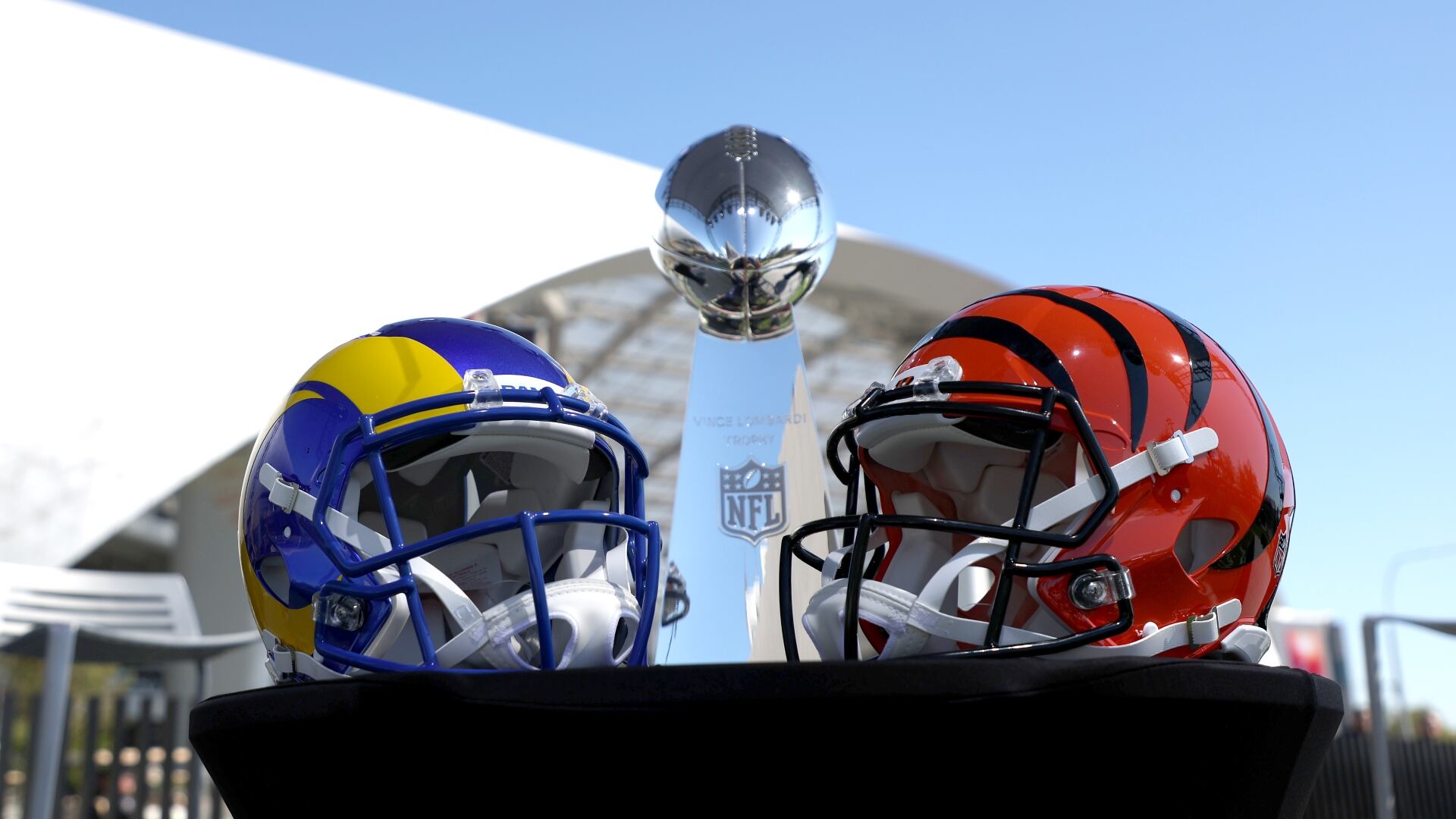
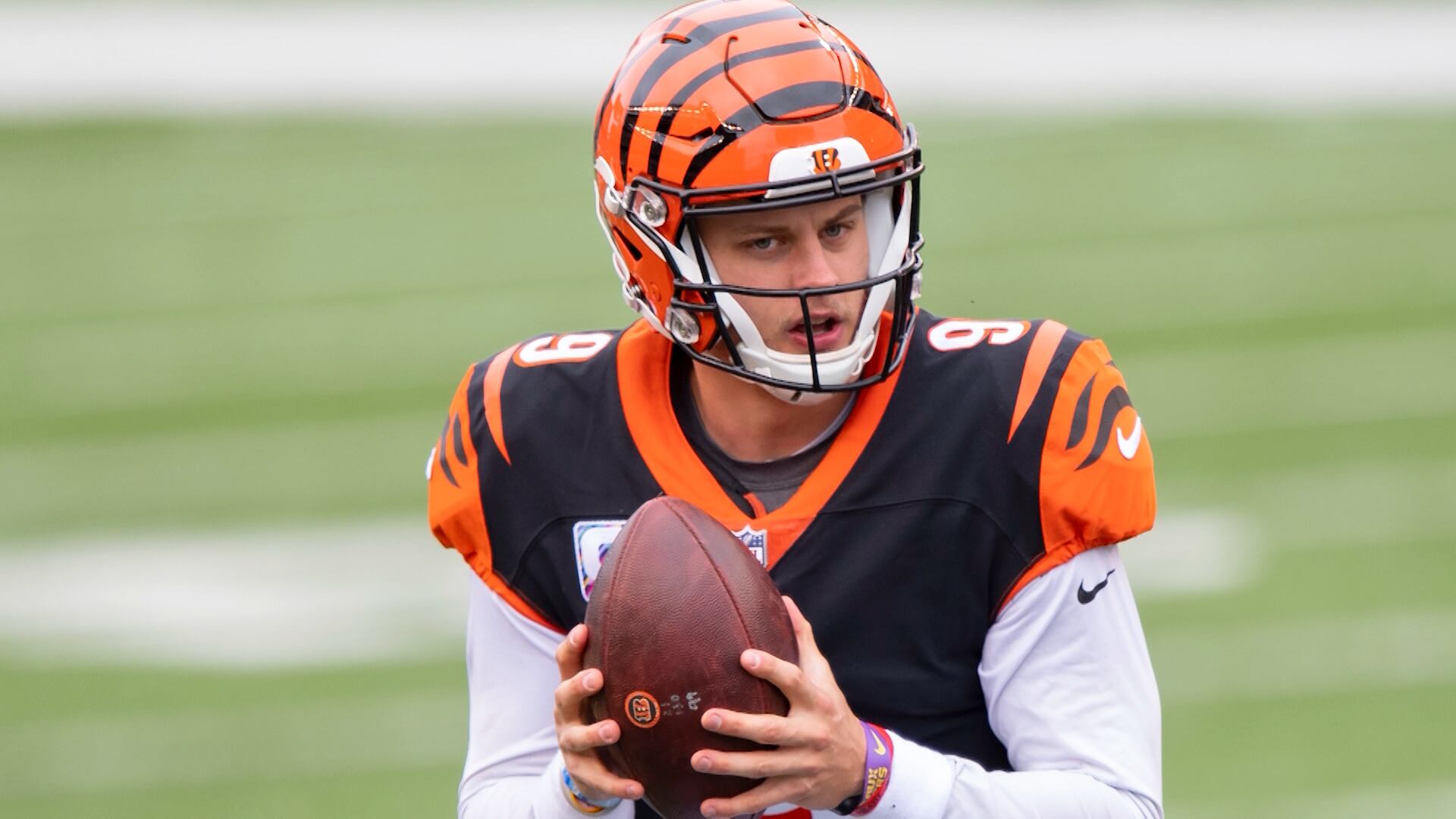
As the Cincinnati Bengals and Los Angeles Rams prep to face each other in the Big Game at SoFi Stadium in LA, 55 percent of a record number of bettors are projected to drop money on the Rams. Casey Clark, the senior vice president of strategic communications for the American Gaming Association, joined Cheddar News to share some data and predictions based on the greater interest in gambling on Super Bowl LVI. "You know that means that people are migrating away from the predatory illegal market and corner bookie and moving their action into the legal marketplace," he said. "So really encouraging for consumer protections and for those of us who might want to have a little action on the game."
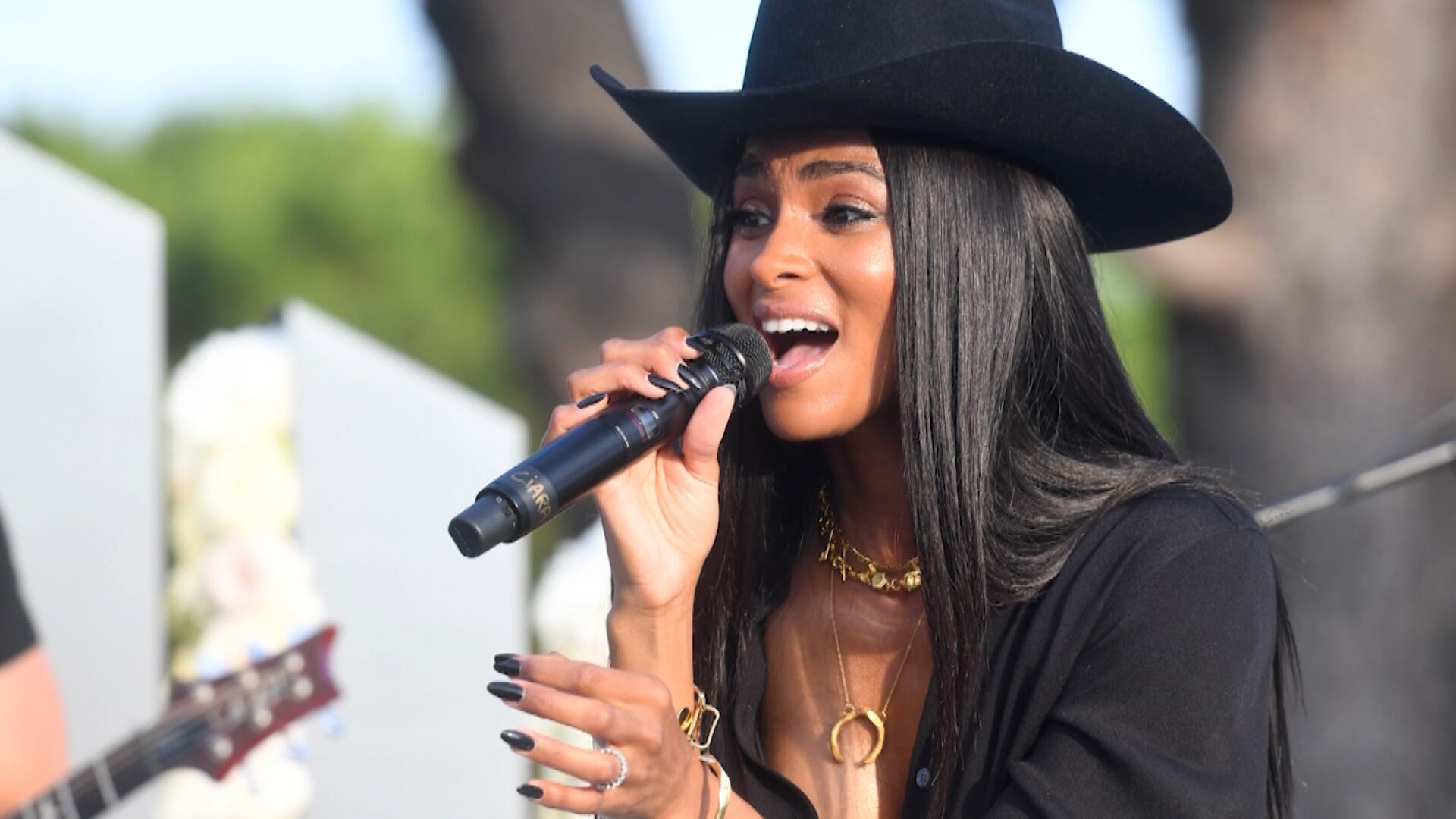
Facebook parent Meta and Grammy Award-winning singer Ciara have joined forces to help black female-owned small businesses. Selected businesses will receive marketing mentorship from Meta along with $100,000 to put into their brand. One such business, The Self Care Suite, is a platform that supports mental health, and founder Tara Pringle Jefferson, along with Irene Walker, Meta Elevate founder and program manager, joined Cheddar News to discuss the program. "Having this opportunity with Meta, with Ciara, really will allow us to focus on our virtual programming, to focus on our e-commerce shop, and, as we kind of adjust, to the new normal in 2022," said Pringle Jefferson.
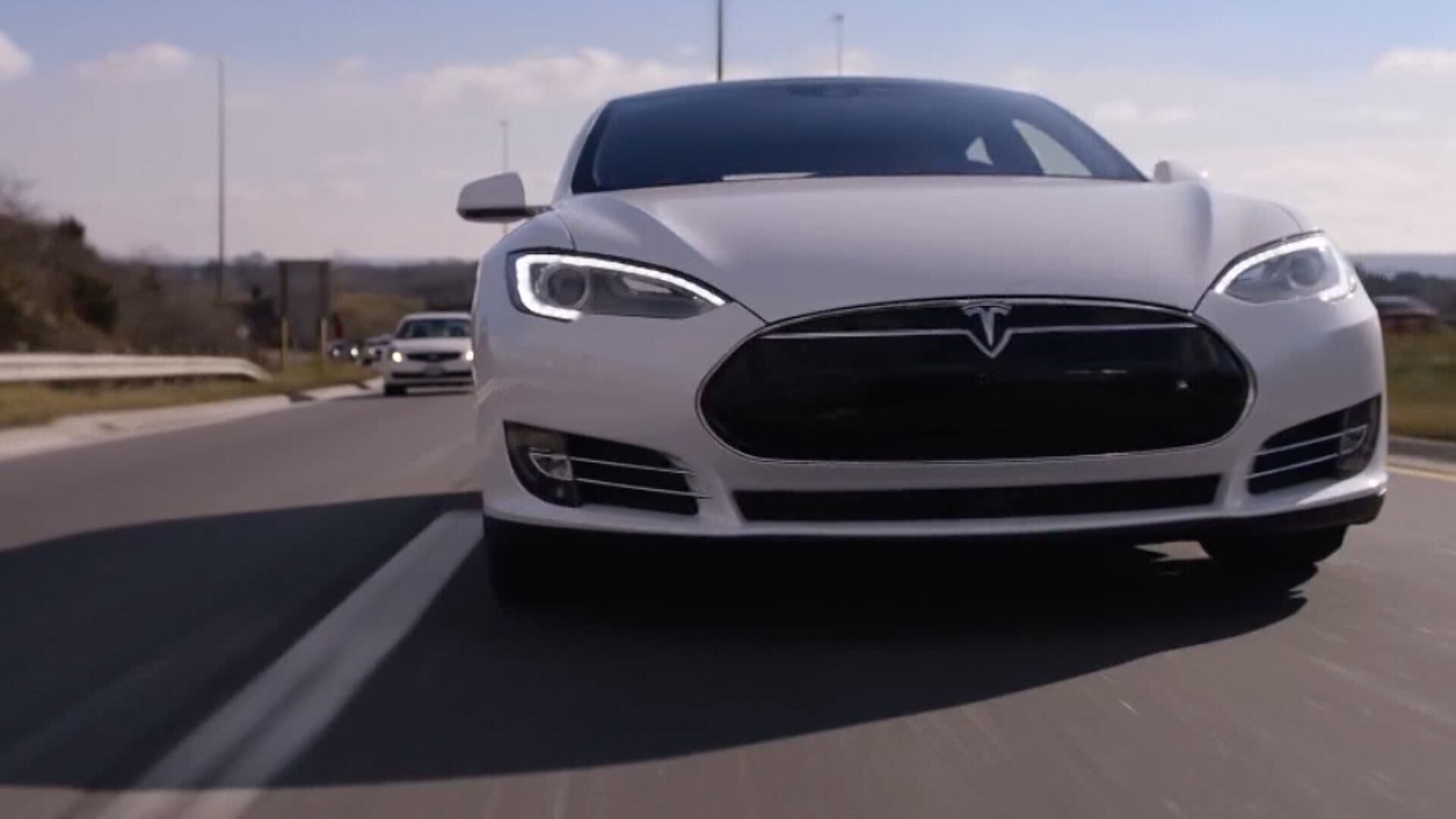
Tesla has been under mounting regulatory scrutiny by the NHTSA, and has issued numerous recalls, including four within the past two weeks. While the company has issued recalls over the years, the number seems to be increasing in recent months as the company issues fixes for seat belt chimes, pedestrian alerts, its self-driving software, and more. What's behind this uptick in recalls — and how might this impact brand loyalty? Al Root, Senior Writer at Barron's, joins Closing Bell to discuss.
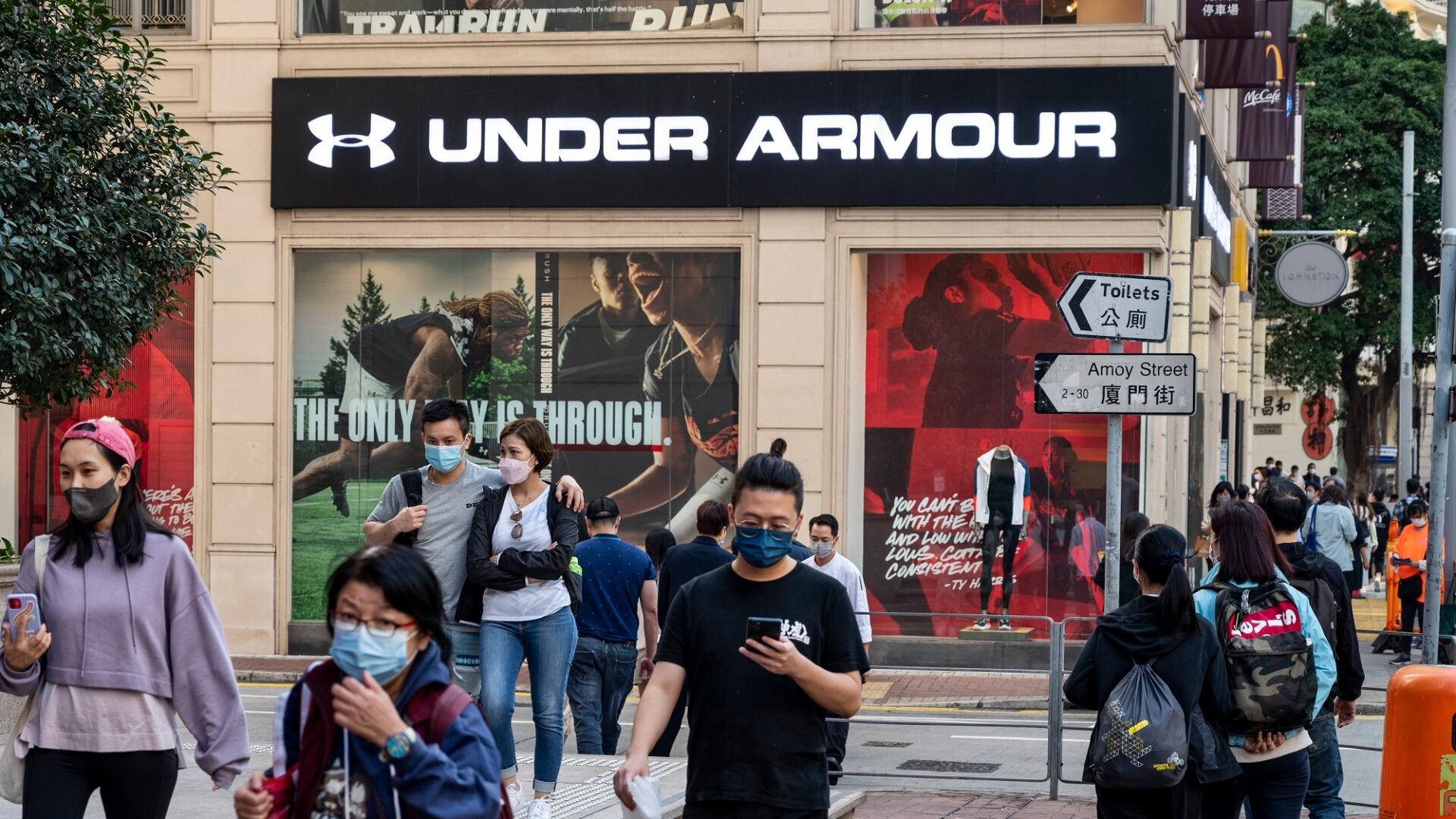
Under Armour released a successful Q4 earnings report amid supply chain issues. The apparel company said it invested in analytics to decipher what drives consumers to its brand. However, the company warned of potential supply problems going forward due to COVID.
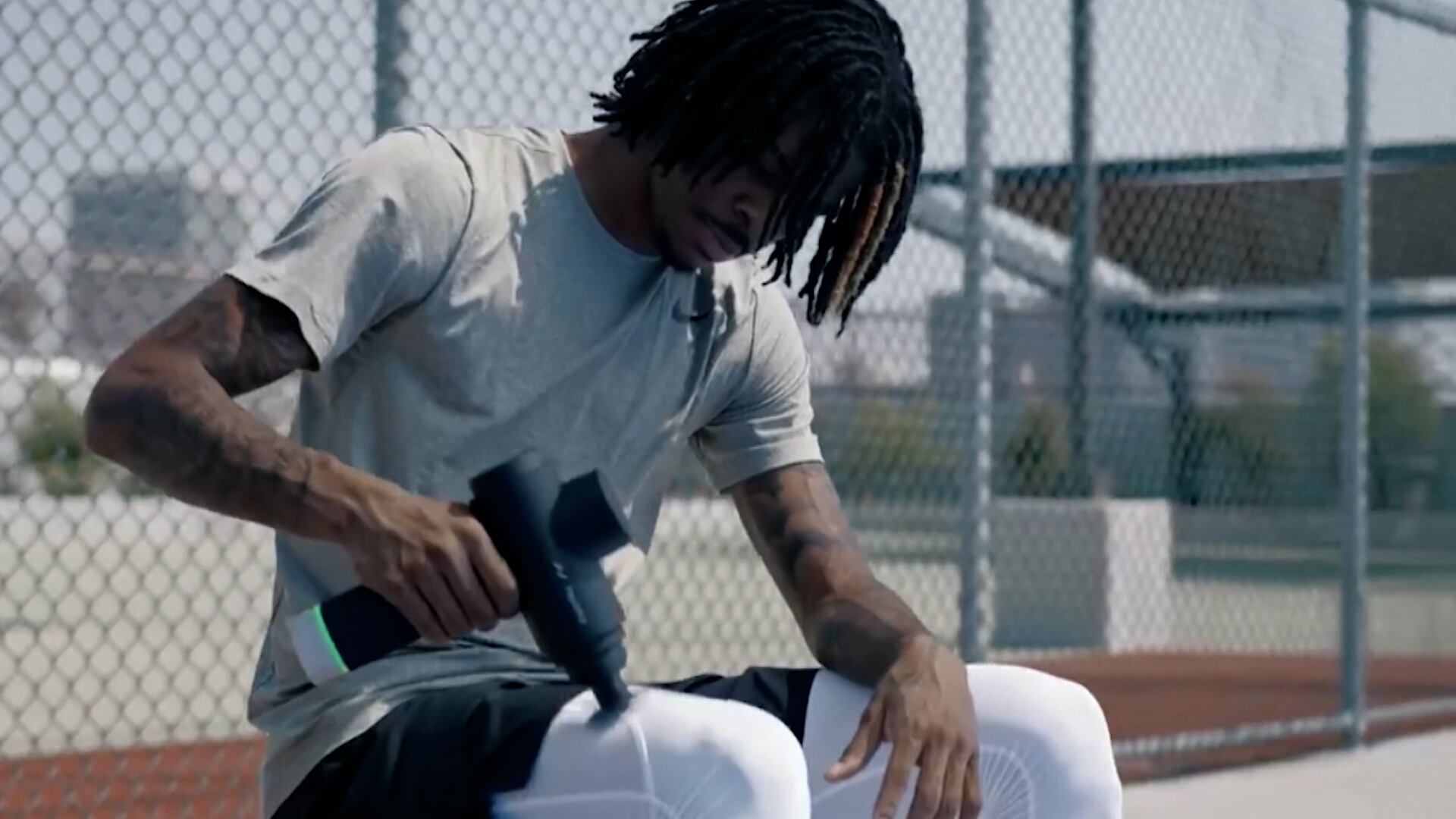
Hyperice is a technology company that specializes in physical recovery for athletes, and it's now partnering with the NFL. Christian McCaffrey, Carolina Panthers running back and Hyperice athlete-investor, and Jim Huether, Hyperice CEO, joined Cheddar News to discuss the partnership. "It's definitely for both for performance and for recovery, as somebody who plays a brutal sport and have to go through some of the unfortunate realities of injury," McCaffery said of the products. "You're always fighting for that 0.1 percent difference between winning and losing and and the little things and every second matters."