Pelosi to Cheddar: GOP Has Saddled Millennials with 'Unconscionable' Debt
*By Carlo Versano*
Young Americans face a double burden from crushing student debt and the ballooned federal deficit that resulted from President Trump's tax cut, House Speaker Nancy Pelosi told Cheddar's J.D. Durkin in an interview that aired Wednesday.
Pelosi called the economic position many millennials find themselves in, even as the economy remains strong, "unconscionable."
"Republicans foisted onto future generations \[an\] economy that is unfair, that is not really lending itself to growth in a strong, predictable, confident, certain way," Pelosi said.
Democrats have already begun making the case to young voters that they are the party of fairness. Pelosi pointed to encouraging millennial turnout in the midterm elections and said that H.R. 1, a sweeping anti-corruption and voting rights bill that's currently in committee, is among her top legislative priorities. That bill is getting "tremendous response" from young voters who want to see more transparency around so-called "dark money" in elections and know that their vote matters, Pelosi said.
That bill also includes provisions that would create automatic nationwide voter registration and crack down on gerrymandering. Conservative lobbyists have [called](http://conservativeactionproject.com/conservatives-oppose-h-r-1-the-ultimate-fantasy-of-the-left/) it "the ultimate fantasy of the left," and the GOP opposition means it has virtually no chance of becoming law while Republicans control the Senate and White House.
Nevertheless, Pelosi sees that type of legislation as key to attracting broad millennial support in 2020.
"That's hard to break down the skepticism that is there, but we're on a path to do it," she said.
While President Trump and the GOP will likely run on a message of tax cuts and economic prosperity, Pelosi seems to believe they are vulnerable on the fairness message.
"Eighty-three percent of the benefits of their tax bill went to the top 1 percent," Pelosi said. " I think that it's important to note that we want an economy that works for you... not for the top, the wealthiest people in our country."
On the burden of student debt, Pelosi said she recognized that it weighed on millennials "like an anvil" as they begin their professional lives, and makes everything harder ー from getting married to starting a business. She did not mention to Cheddar any specific actions Democrats in Congress will take with regard to student debt relief, though she noted that a now-expired provision of Obamacare was built to expand funding of community colleges and Pell grants and mitigate interest rates. "We have to go back to that," she said.
With a temporary break in the impasse over border wall funding heading toward a Feb. 15 appropriations deadline, Pelosi didn't show her cards on how House Democrats are negotiating to ensure the government isn't shut down again.
"I think that the shutdown was a bitter pill for some of the Republicans to swallow and they might like to avoid that," she said.
Rebecca Walser, President of Walser Wealth Management, joins Cheddar News' Closing Bell, where she discusses the factors behind Monday's surge on Wall Street and explains why investors will likely experience volatility in the market throughout the month of December.
Cheddar's Chloe Aiello joined "Closing Bell" to break down the progress of the SAFE Banking Act in Congress as cannabis businesses operators struggle to find financial institutions that will service them. Banks face steep federal penalties, including the risk of losing a bank charter, if found to be servicing marijuana businesses even if their state has legalized operations. Aiello reported that while there was some bipartisan support for the measure in the Senate, the bill faces some opposition from conservatives with "longstanding concerns" about cannabis and progressives who prefer a more comprehensive approach to reform.
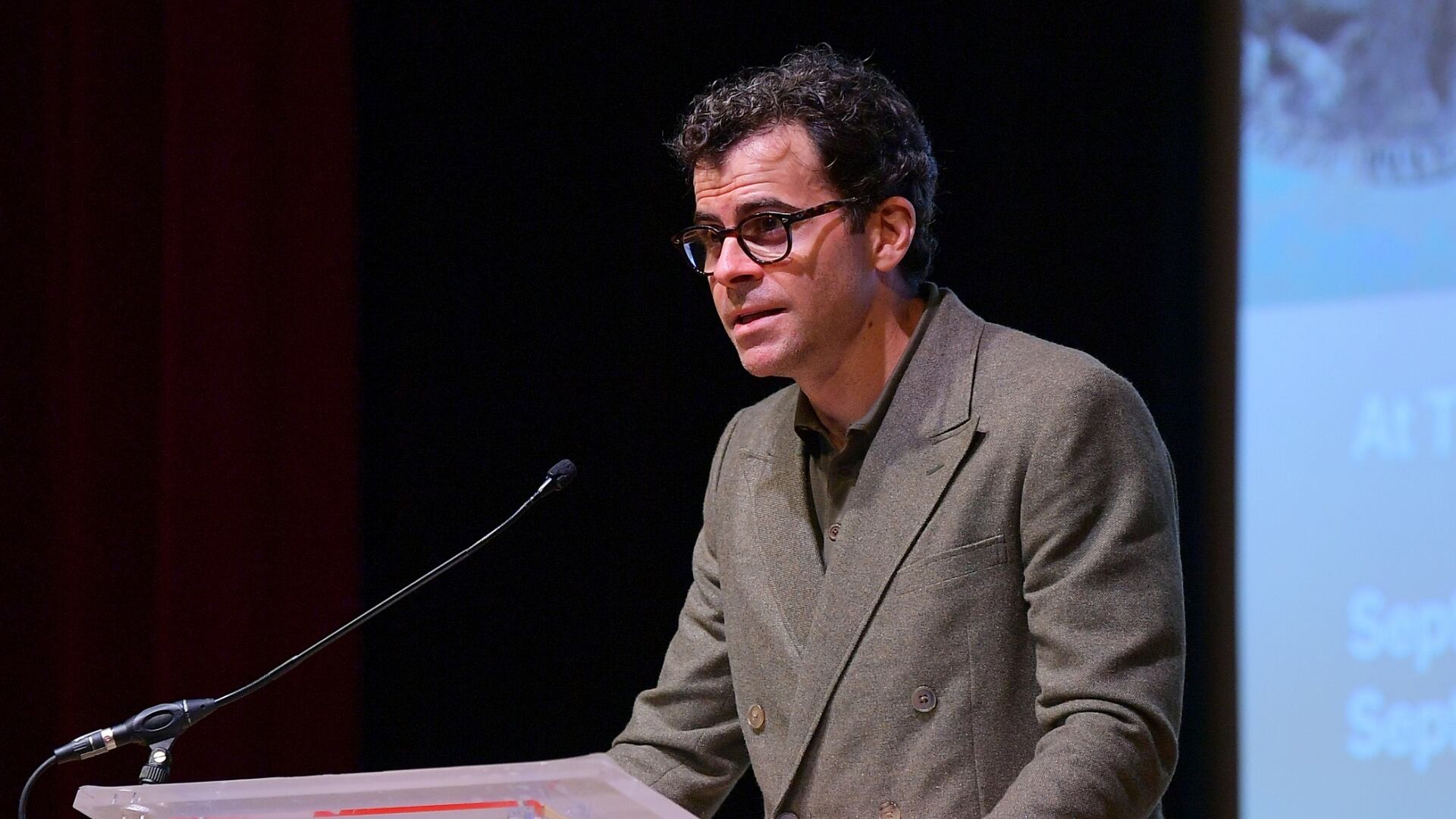
Head of Instagram Adam Mosseri is slated to testify this week in front of the Senate Commerce Subcommittee after a Wall Street Journal report that found the Meta-owned social media platform is negatively impacting the mental wellness of teen girls.
Chinese regulators are reportedly behind China-based ride-hailing company DiDi exiting from the New York Stock Exchange, just days after listing earlier this year. The regulators stated prior that DiDi had not received the necessary clearances to list in the states. Gordon Chang, Asian affairs expert, joined Cheddar to break down what the delisting says about the relationship between nations. "This really strikes me as an attempt to really to force a decoupling of China and the U.S. in the financial markets," Chang said.
U.S. Futures were pointing to a higher open to round out the week despite a miss on the November Jobs Report, which showed slower job growth than expected-- and as the omicron variant continues to spread across the country. Patrick Healey, Founder & President at Caliber Financial Partners joined Cheddar's Opening Bell to discuss.
Just days after the detection of the Omicron variant, the World Health Organization has agreed to start the process of establishing a global pandemic treaty or accord. Amy Maxmen, senior reporter for Nature, and Dr. Samuel Scarpino, managing director for the Rockefeller Foundation's Pandemic Prevention Institute, joined Cheddar to discuss this effort and what lessons can be learned from the many COVID-19 failures as the world prepares for future pandemics.
It's a mixed bag for the November jobs report. Hiring slowed last month as employers only added 210,000 jobs, massively missing the estimate of 550,000. But there was one bright spot: the unemployment rate fell to 4.2%, with the number of unemployed people dropping to 6.9 million. Both of those numbers are considerably down from their highs at the end of the 2020 recession. Heather Boushey, a member of President Biden's Council of Economic Advisers, joined Cheddar to discuss the report and the state of the country's ongoing economic recovery.