After most of the country's school districts were forced into virtual learning in the spring as a result of the growing coronavirus pandemic, Dr. Nathaniel Beers, president of the HSC Health Care System, told Cheddar it is necessary for students to return to class in-person this coming fall.
The American Academy of Pediatrics, for which Beers also serves as a member of the council of health, made the recommendation. Beers said the impact of children missing in-person interaction could be more damaging than actually contracting COVID-19.
"The impact on lack of access to adequate nutrition, lack of access to social and emotional supports, mental and behavioral supports, special education supports all impact the community of kids in different ways and families in different ways," he added.
While many businesses consider staggered or modified schedules for its adult workers, Beers said children should be in school "as much as possible" and "as many children as possible should be in school for in-school instruction," and warned keeping kids at home will exacerbate existing disparities in communities.
"That, however, is going to look very different in different communities based on the disease burden that they have, based on the resources that they have, to ensure that staff and students, and families, can all be protected if schools are going to be open," Dr. Beers noted.
Despite the recommendation, officials are still deciding how to hold school, considering health experts are still learning about the impacts of COVID-19. Beers said that while he was initially not convinced that in-person schooling was the way to go, he has changed his mind as more research indicates children, as a group, appear to be among those least impacted by the virus.
"The data has been increasing over the past six months," he said. "Children are less likely to get the disease. They are less likely to spread the disease to others. Children are less likely to give it to other kids and other adults and they are less likely to have complications from the disease."
As some states move forward with steps to reopen, according to Beers, the primary focus should be on schools rather than other operations more likely to inflate the number of confirmed cases, as in Florida and Texas.
"There was really a lack of comprehensive guidance that was helping schools think about what are the critical pieces that they need to undertake in order to ensure that kids can return to school and that schools can be prepared to safely have staff in buildings as well," he said.
While the school year is still weeks away for many students, parents considering playdates or summer camp for their children today should know "outdoor is better than indoor" and making smart decisions about potential health impacts should be the primary concern before letting children interact with others, Beers said.
"The longer you are inside in poor ventilation, the higher likelihood you are to create an exposure that will put you at higher risk for getting the virus," he added.
Bonnie Wright, who starred in the Harry Potter film series as Ginny Weasely, the youngest of the Weasely clan and Harry Potter’s love interest, is now an author and sustainability activist with her new book, "Go Gently: Actionable Steps to Nurture Yourself and the Planet," which focuses on how to change your habits to live a more sustainable lifestyle. Wright joined Cheddar News to discuss. "I wrote my book to really help to kind of bring the macro-scale system thinking down to our day-to-day life," she said. "They're actually tangible, quite resourceful, practical things that you can implement in your day-to-day life to just help you connect to these issues and just feel empowered when we feel pretty powerless within this situation."
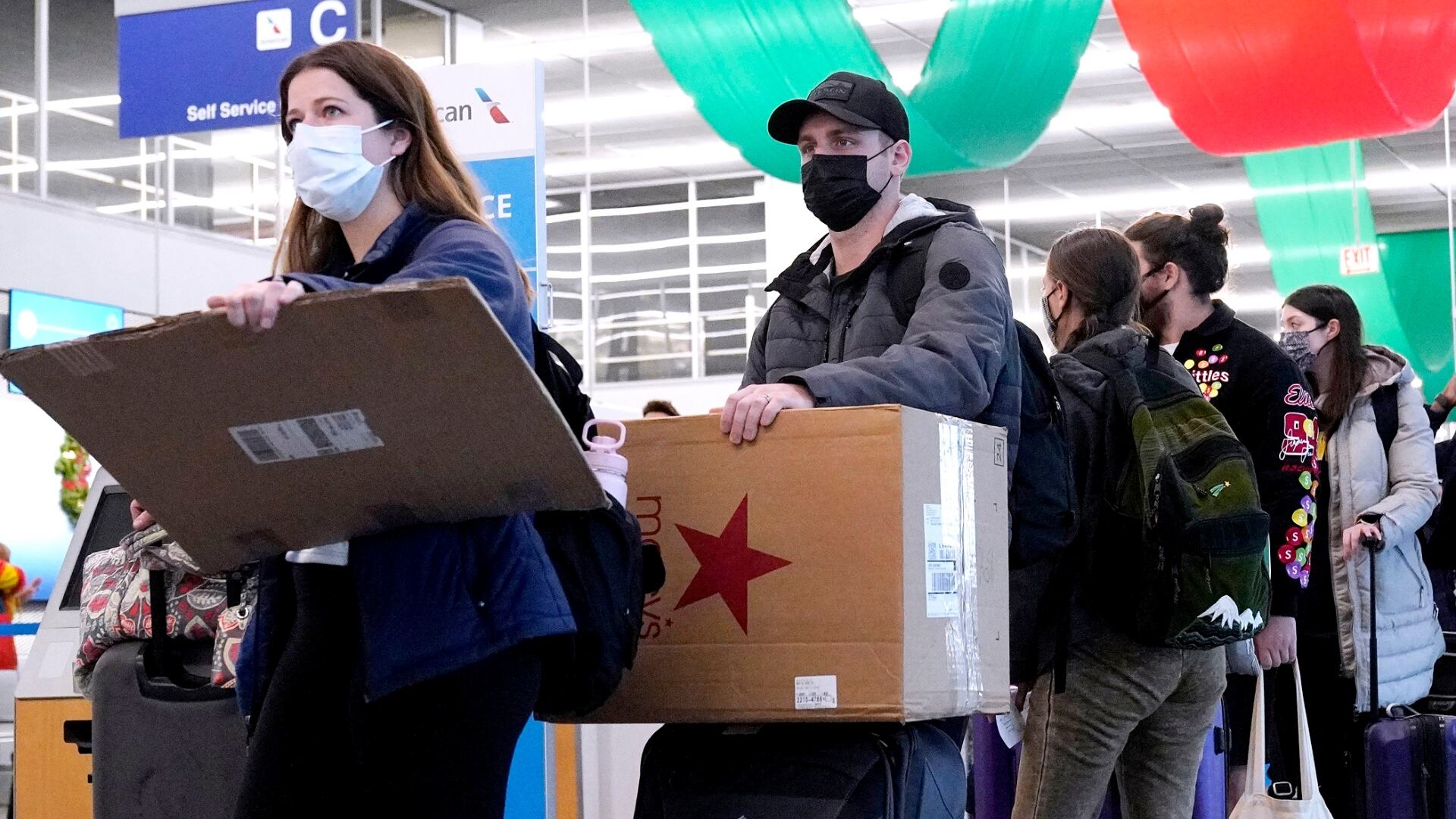
Catching you up on what you need to know on April 19, 2022, with a federal judge voiding mask mandates on public transportation, updates from the Russia and Ukraine war, Mac Miller’s drug dealer sentenced for involvement in the rapper's death, and more.
The 1993 historical drama 'Schindler's List' tells the story of a Nazi party member who helped thousands of Polish Jewish refugees escape death during the Holocaust. Today, Ukrainians are living a very similar reality as Russia continues to invade, and refugees are fleeing for safety. Oliwia Dabrowska was three years old when she became an integral part of "Schindler's List." You'll remember her as "the little girl in the red coat" representing a symbol of hope. Today she's 32 years old living in Poland and once again representing hope for refugees. Dabrowska joins Cheddar News to discuss her experience and tell viewers how to help.
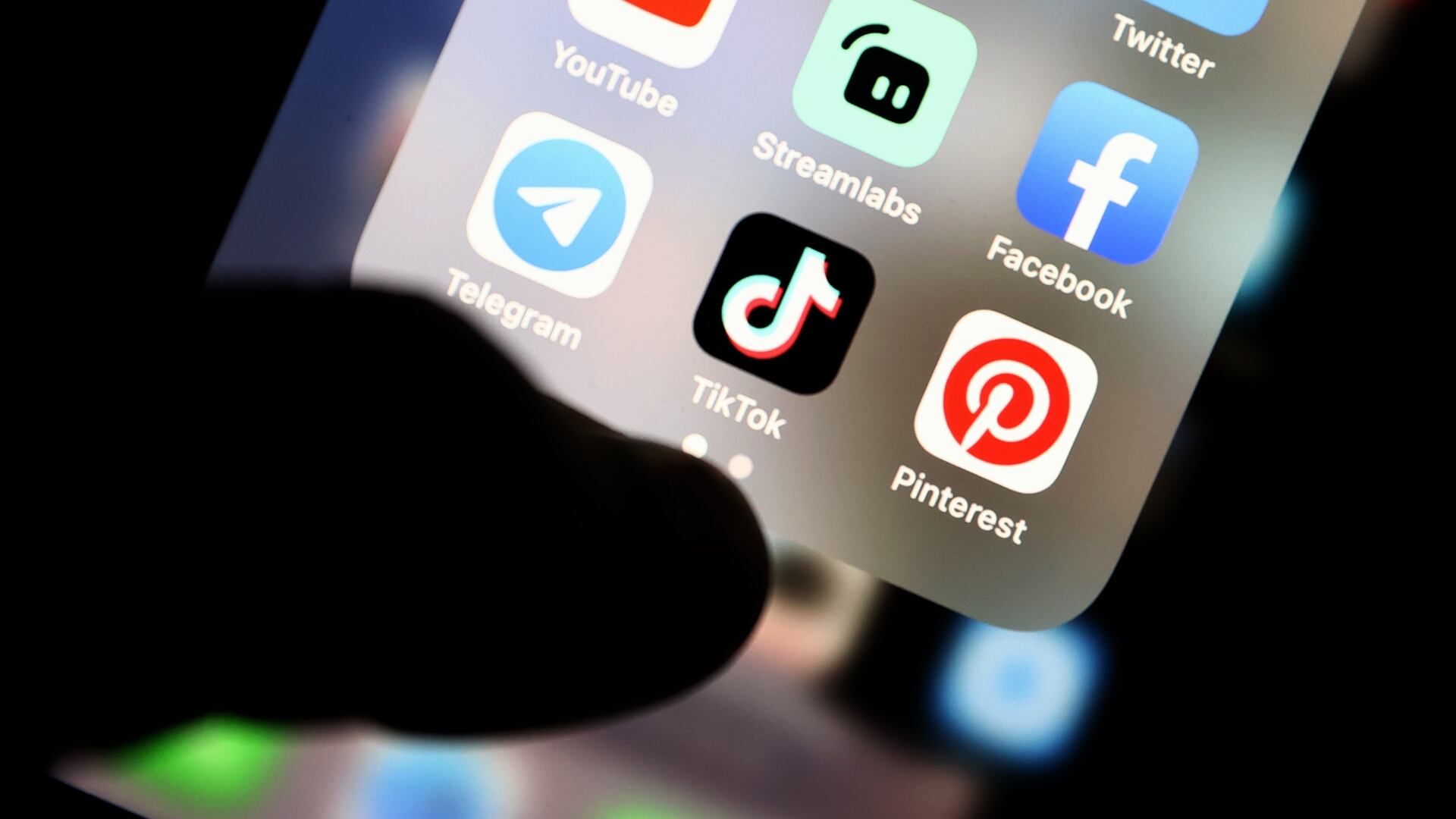
As TikTok grows in popularity, so does its ad revenue potential. Research firm Insider Intelligence forecasts the app's revenue will likely triple in 2022 to more than $11 billion, putting it past the sales of both Twitter and Snapchat combined. Cheddar News takes a closer look.
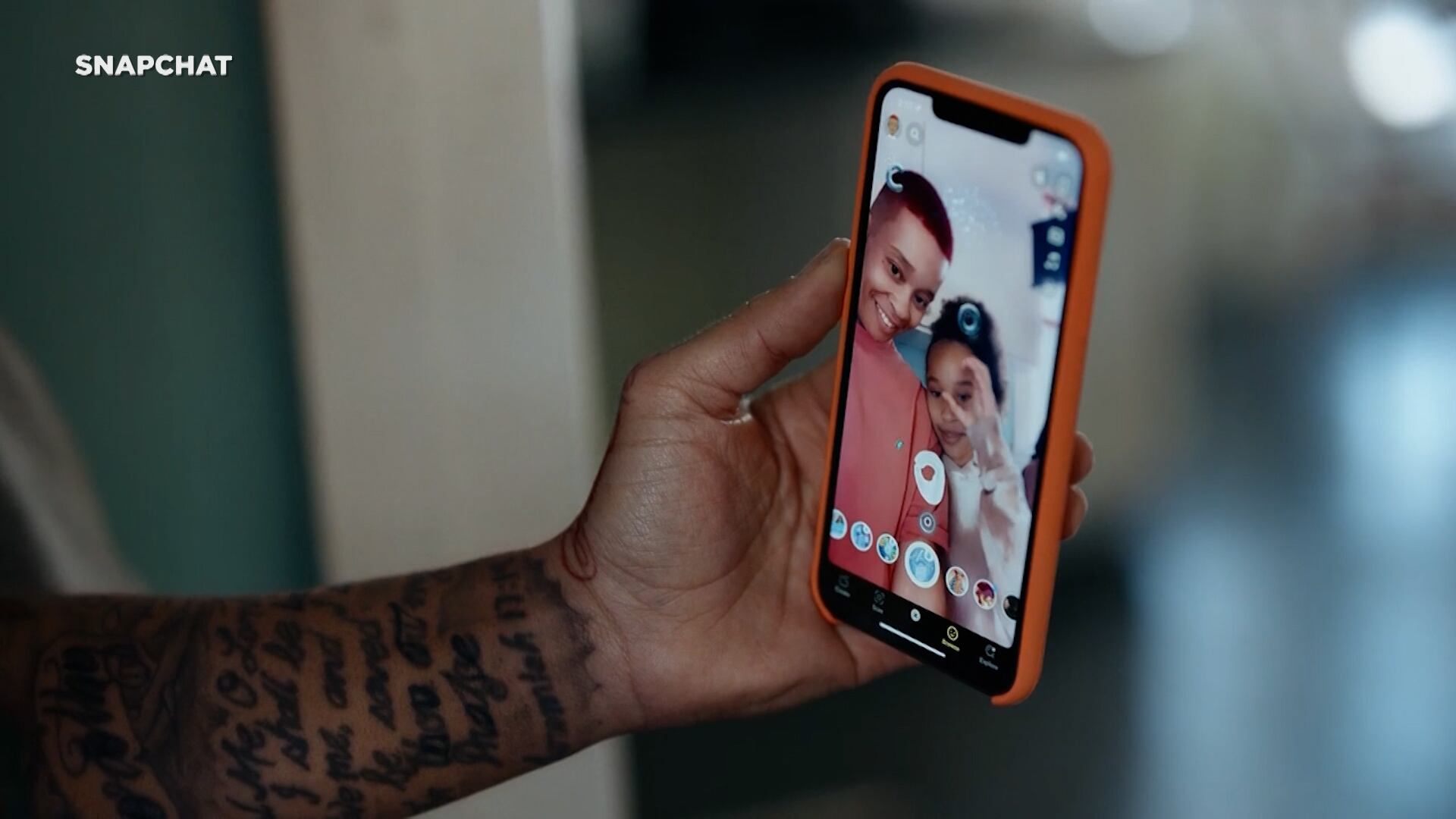
Snapchat has launched its first features to help users learn American Sign Language through its lenses and a game. The project was spearheaded by deaf and hard-of-hearing workers. Cheddar News was joined by Austin Vaday, software engineer at Snap, and his sign language interpreter, Jonathan Webb, to discuss the ASL Fingerspelling Lens and how the project came together. “We wanted to find a way to appropriately and properly educate the community so that folks can communicate with people like me using sign language," Vaday stated.
The new Netflix documentary "White Hot: The Rise & Fall of Abercrombie & Fitch" dives into how the once apparel retailer used an exclusionary business model, focusing on the "popular and cool kids," to thrive for years until its discriminatory culture and practices led to a consumer backlash. Anthony Ocampo, a professor of sociology at Cal Poly Pomona and former Abercrombie & Fitch employee, and Ben O’Keefe, a social change activist and head of diversity and impact production at Creator+, discussed the film and the retailer's rebranding in light of many allegations brought against it. "I got a job at Abercrombie & Fitch, and I worked there for a couple of weeks. But then when I went back to that same store after the academic year ended to get my job back, I was told by someone, I'm sorry, we can't rehire you because we already had too many Filipinos working at this store," Ocampo said.