After most of the country's school districts were forced into virtual learning in the spring as a result of the growing coronavirus pandemic, Dr. Nathaniel Beers, president of the HSC Health Care System, told Cheddar it is necessary for students to return to class in-person this coming fall.
The American Academy of Pediatrics, for which Beers also serves as a member of the council of health, made the recommendation. Beers said the impact of children missing in-person interaction could be more damaging than actually contracting COVID-19.
"The impact on lack of access to adequate nutrition, lack of access to social and emotional supports, mental and behavioral supports, special education supports all impact the community of kids in different ways and families in different ways," he added.
While many businesses consider staggered or modified schedules for its adult workers, Beers said children should be in school "as much as possible" and "as many children as possible should be in school for in-school instruction," and warned keeping kids at home will exacerbate existing disparities in communities.
"That, however, is going to look very different in different communities based on the disease burden that they have, based on the resources that they have, to ensure that staff and students, and families, can all be protected if schools are going to be open," Dr. Beers noted.
Despite the recommendation, officials are still deciding how to hold school, considering health experts are still learning about the impacts of COVID-19. Beers said that while he was initially not convinced that in-person schooling was the way to go, he has changed his mind as more research indicates children, as a group, appear to be among those least impacted by the virus.
"The data has been increasing over the past six months," he said. "Children are less likely to get the disease. They are less likely to spread the disease to others. Children are less likely to give it to other kids and other adults and they are less likely to have complications from the disease."
As some states move forward with steps to reopen, according to Beers, the primary focus should be on schools rather than other operations more likely to inflate the number of confirmed cases, as in Florida and Texas.
"There was really a lack of comprehensive guidance that was helping schools think about what are the critical pieces that they need to undertake in order to ensure that kids can return to school and that schools can be prepared to safely have staff in buildings as well," he said.
While the school year is still weeks away for many students, parents considering playdates or summer camp for their children today should know "outdoor is better than indoor" and making smart decisions about potential health impacts should be the primary concern before letting children interact with others, Beers said.
"The longer you are inside in poor ventilation, the higher likelihood you are to create an exposure that will put you at higher risk for getting the virus," he added.
Developers for the video game "Call of Duty: Warzone" staged a walkout in protest of 12 quality assurance testers being laid off by parent company Activision Blizzard. This marks the latest work stoppage for the embattled game publishing giant.
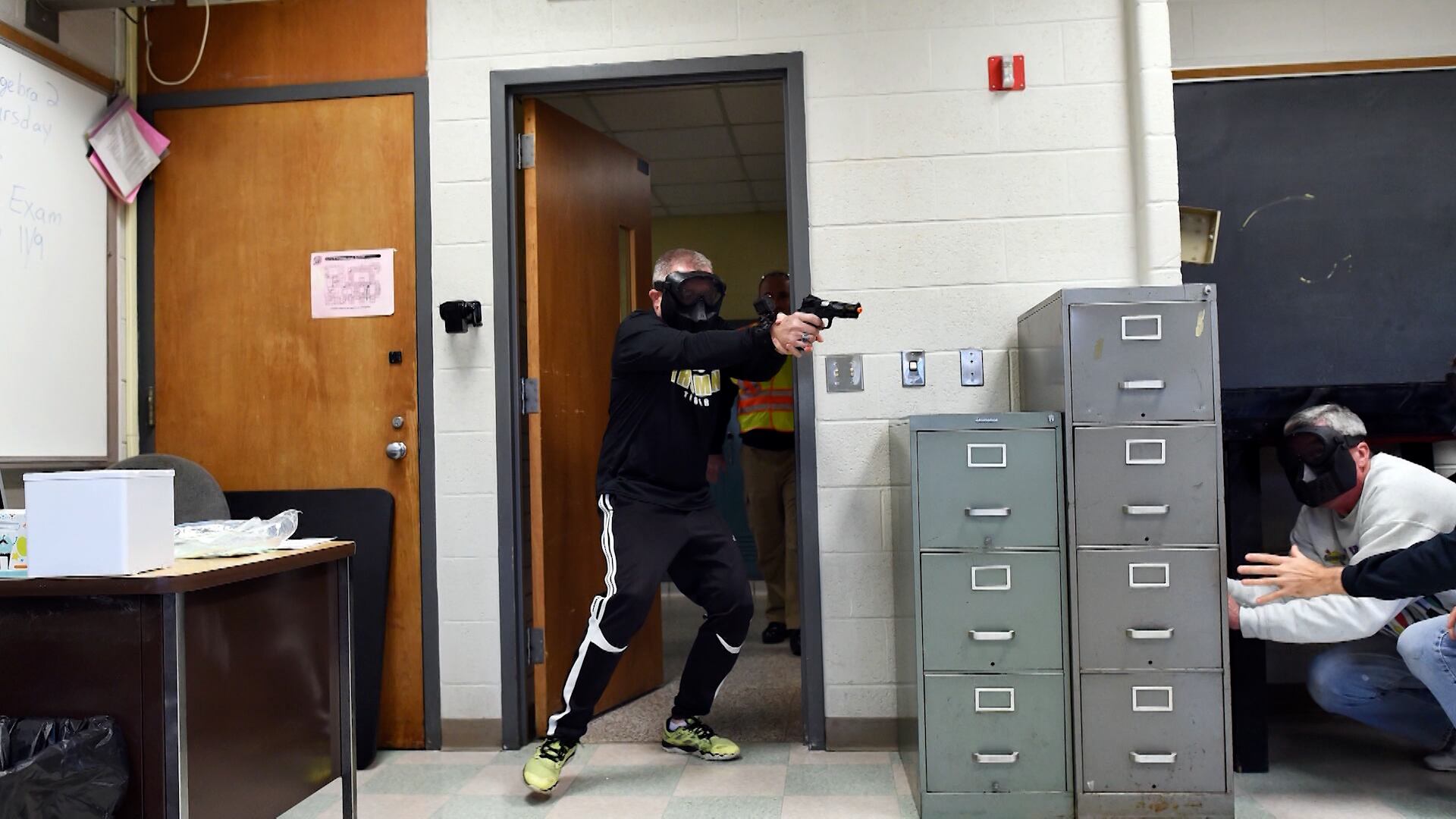
The most recent school shooting in Michigan is highlighting the tragic fact that U.S. shootings on campuses are ticking up. The aftermath of these incidents leaves students, faculty, and families suffering intense trauma with lasting effects. Darby Fox, an adolescent family therapist, joins Cheddar News to discuss how school shootings impact the mental health of students and their families.
With so many high-profile court cases taking over the media, from the trial over the murder of Ahmaud Arbery to the trial of Kyle Rittenhouse to the ongoing Elizabeth Holmes trial, Cheddar took a look at these cases and why there is such a big interest in them. Rachel Fiset, a white collar criminal defense lawyer and partner with Zeiback, Fiset, and Coleman, and Bryan Hance, attorney-at-law, professor, and academic program director of the pre-law and paralegal studies program at National University, joined Cheddar for a roundtable discussion on why there is so much public interest in so-called courtroom drama.
2022 is just around the corner and one of the world's most famous trendspotters says that there is a wide-ranging mix of trends coming up in the new year that could impact businesses, culture, and our society at large.
Trendspotter and cultural zeitgeist analyst Marian Salzman, joined Cheddar to discuss more.
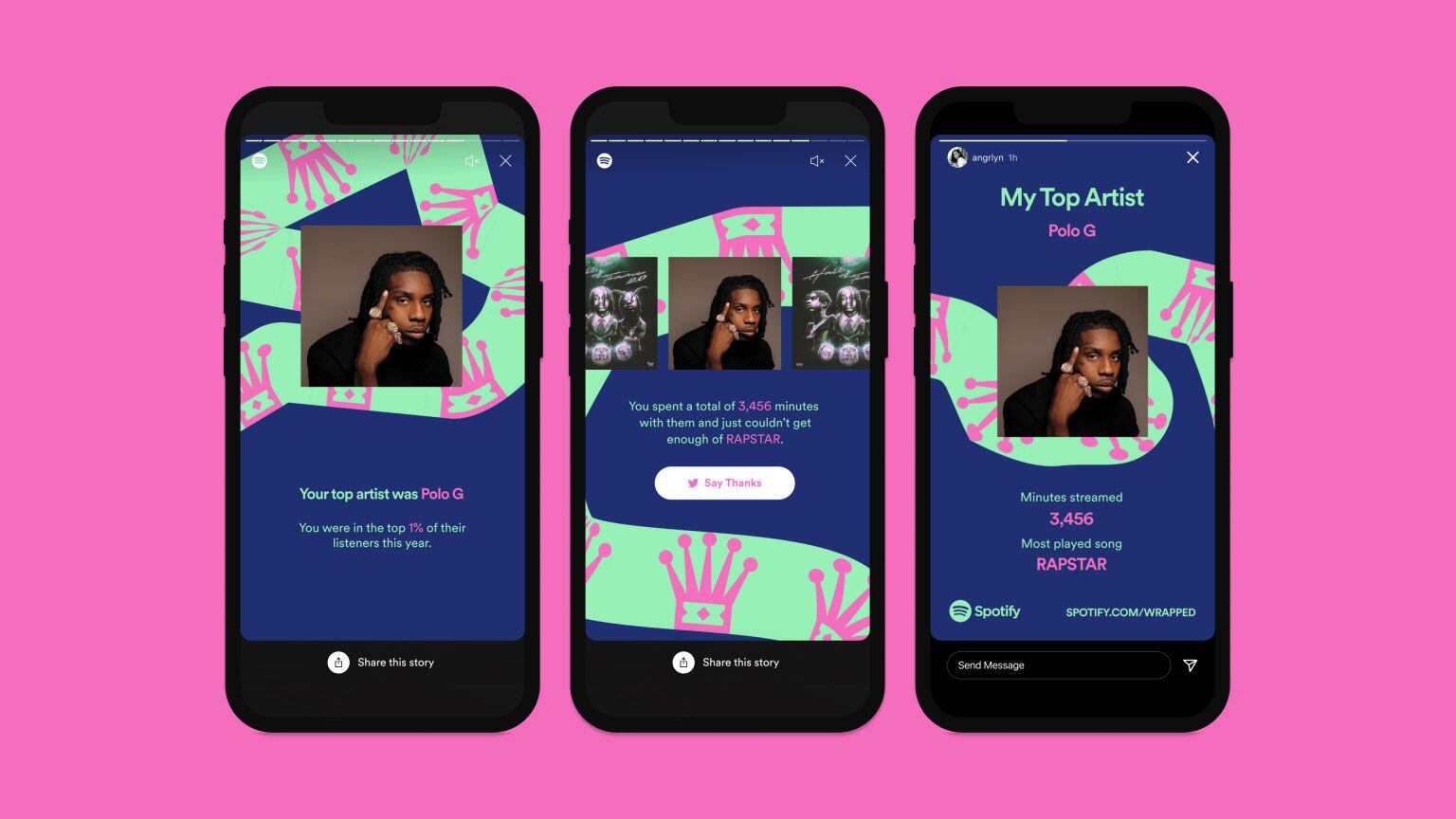
Spotify has just officially released its 2021 'Wrapped'. For the past few years, the streaming giant has been presenting customers with their listening habits from the prior year, including favorite artists, most listened to the genre, podcasts, songs you name it. However, critics say this method just shows how apps can collect our data. CEO of Prevailion Karim Hijazi, joined Cheddar to discuss more.
Recent internal documents obtained by the New York Times reveal how exactly TikTok's algorithm works. The report highlights how the app is mainly focused on retaining two metrics which are retention and time spent. In addition, the document titled, "TikTok Algo 101" details how the algorithm understands human nature from when we get bored to our sensitivity and culture ques. It means the app monitors will kind of videos you like. Professor of Computer Science at the University of California in San Diego Julian McCauley, joined Cheddar to discuss more.
According to a recent study by a group of international researchers, artificial intelligence can predict new illegal drugs before they hit the streets. This method could help save lives and fight crime. Professor of Computing Science at the University of Alberta, joined Cheddar to discuss more.
Carlo and Baker discuss the sweeping new vaccine mandate in NYC that will target all private businesses. Plus, Trump's media venture gets its CEO and more.