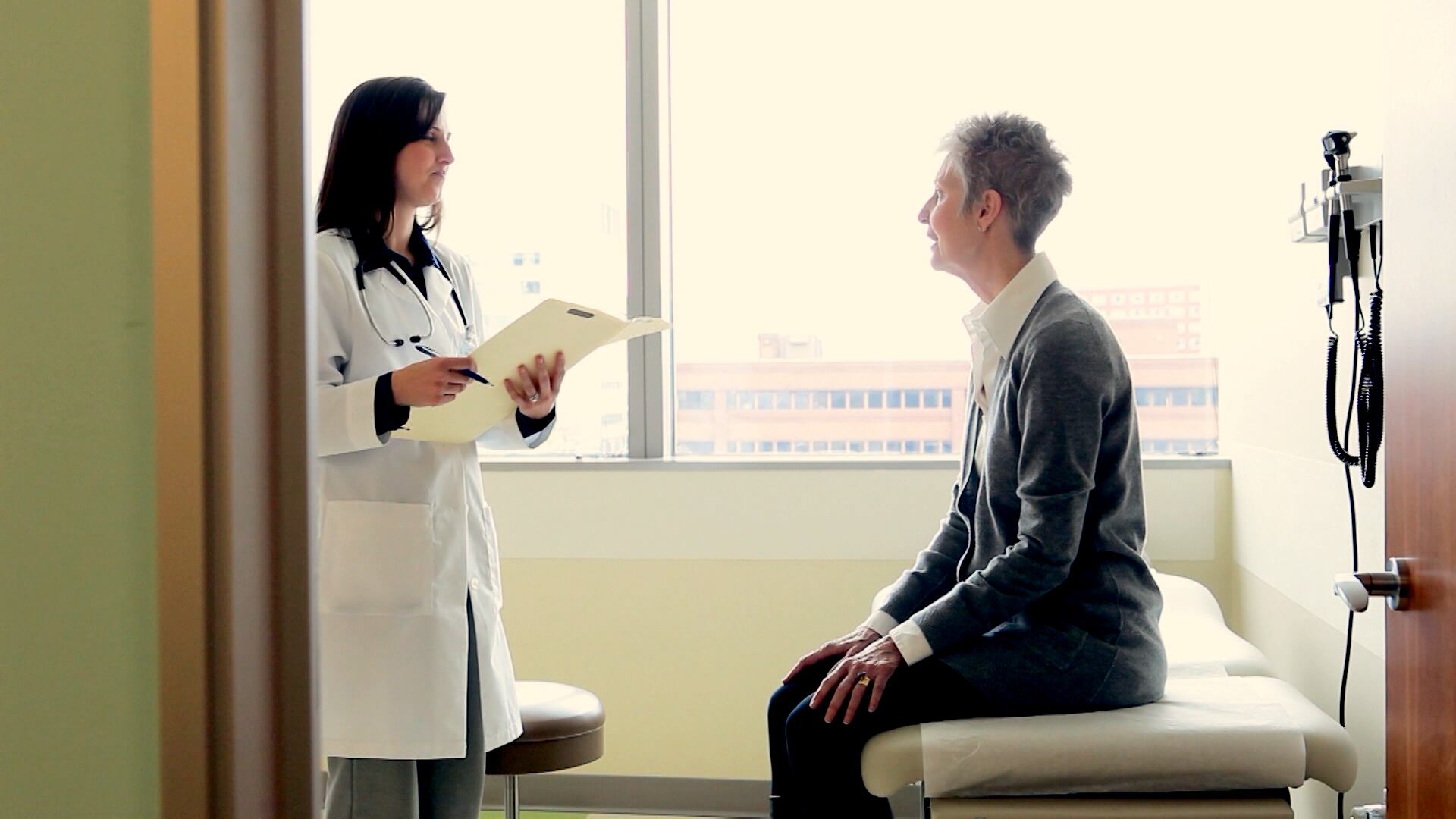
After most of the country's school districts were forced into virtual learning in the spring as a result of the growing coronavirus pandemic, Dr. Nathaniel Beers, president of the HSC Health Care System, told Cheddar it is necessary for students to return to class in-person this coming fall.
The American Academy of Pediatrics, for which Beers also serves as a member of the council of health, made the recommendation. Beers said the impact of children missing in-person interaction could be more damaging than actually contracting COVID-19.
"The impact on lack of access to adequate nutrition, lack of access to social and emotional supports, mental and behavioral supports, special education supports all impact the community of kids in different ways and families in different ways," he added.
While many businesses consider staggered or modified schedules for its adult workers, Beers said children should be in school "as much as possible" and "as many children as possible should be in school for in-school instruction," and warned keeping kids at home will exacerbate existing disparities in communities.
"That, however, is going to look very different in different communities based on the disease burden that they have, based on the resources that they have, to ensure that staff and students, and families, can all be protected if schools are going to be open," Dr. Beers noted.
Despite the recommendation, officials are still deciding how to hold school, considering health experts are still learning about the impacts of COVID-19. Beers said that while he was initially not convinced that in-person schooling was the way to go, he has changed his mind as more research indicates children, as a group, appear to be among those least impacted by the virus.
"The data has been increasing over the past six months," he said. "Children are less likely to get the disease. They are less likely to spread the disease to others. Children are less likely to give it to other kids and other adults and they are less likely to have complications from the disease."
As some states move forward with steps to reopen, according to Beers, the primary focus should be on schools rather than other operations more likely to inflate the number of confirmed cases, as in Florida and Texas.
"There was really a lack of comprehensive guidance that was helping schools think about what are the critical pieces that they need to undertake in order to ensure that kids can return to school and that schools can be prepared to safely have staff in buildings as well," he said.
While the school year is still weeks away for many students, parents considering playdates or summer camp for their children today should know "outdoor is better than indoor" and making smart decisions about potential health impacts should be the primary concern before letting children interact with others, Beers said.
"The longer you are inside in poor ventilation, the higher likelihood you are to create an exposure that will put you at higher risk for getting the virus," he added.
On this episode of ChedHER: Founder and CEO at Allara Health discusses how she's creating a platform for women with Polycystic Ovary Syndrome or PCOS; General Manager of the Run/Train Business Unit at Puma breaks down how Puma is approaching a hybrid work model, and ways to empower women in the workplace; Founder and CEO of Mi Golondrina explains how she's empowering over 600 artisans from Mexico.
On this episode of Cheddar Innovates: Gardenuity CEO breaks down how gardening can improve your wellbeing; Augmedix CEO discusses how this technology is helping doctors fight burnout; Cheddar gets a look at Curiosity Stream's 'Suppressed Science.'
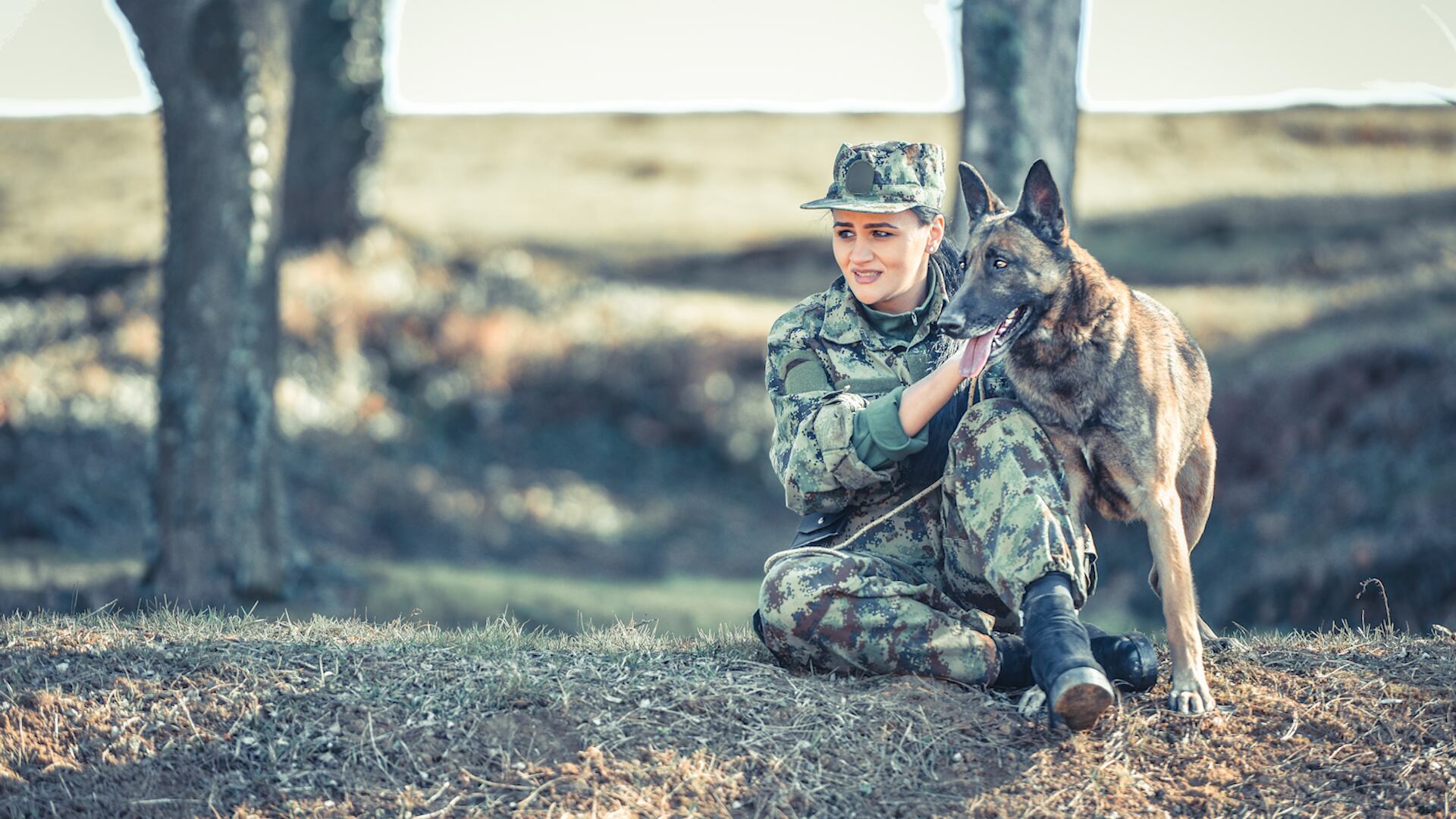
Sheila Goffe, VP of Government Relations of the American Kennel Club, joins Cheddar Reveals to discuss the efficacy of police, military, and other working dogs, and how they're trained.
On this episode of Cheddar Reveals, Sheila Goffe, VP of Government Relations of the American Kennel Club, discusses the efficacy of police, military, and other working dogs, and how they're trained. Paul Mundell, Executive Director of the American Service Dog Access Coalition, breaks down why emotional support, therapy, and service dogs are important; Cheddar gets a look at Curiosity Stream's 'Secrets of a Dog's Nose.'
On this episode of ChedHER; Amanda Carlson Phillips, Senior Vice President of Exos' performance team, breaks down how wellness programs can fight burnout; Deena LaMarque Piquion, Chief Marketing Officer at Xerox, explains why and how women should stop saying 'sorry' so often;
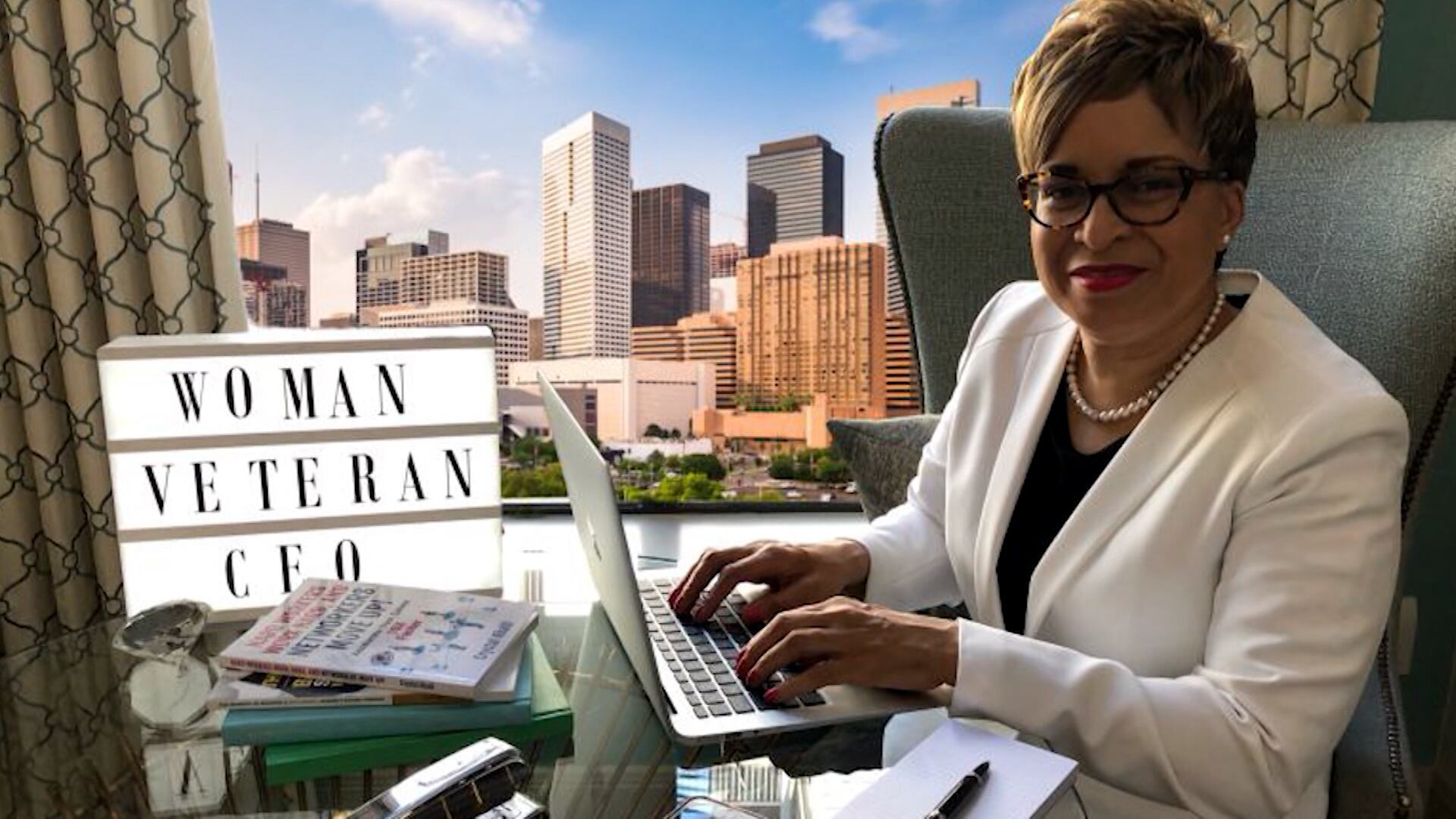
Marylyn Harris, President of Harrland Healthcare Consulting, talks about how her experience in the military prepared her for a cybersecurity career, and how she's paving the way for women of color in the industry.
On this episode of Cheddar Innovates: Atom Limbs CEO breaks down how the Atom Touch prosthetic is different from other prosthetics on the market; CEO & Chief Scientific Officer of MyMD explains how the MYMD-1 is on track to be the first FDA-approved drug to treat aging and age-related diseases; A look at Curiosity Stream's 'The Future of Warfare.'
On this episode of Cheddar Reveals Clay Routledge, Professor of Business and author of "Nostalgia: A Psychological Resource", discusses the psychology of nostalgia: why we have it, and why it may be good for our mental health; Patrick Metzger, Writer and Technologist, breaks down how nostalgia has influenced pop culture, why it remains in a trend loop for every generation, and why that trend is likely never going to end; Cheddar gets a look at Curiosity Stream's 'The Year That Rocked the World.'
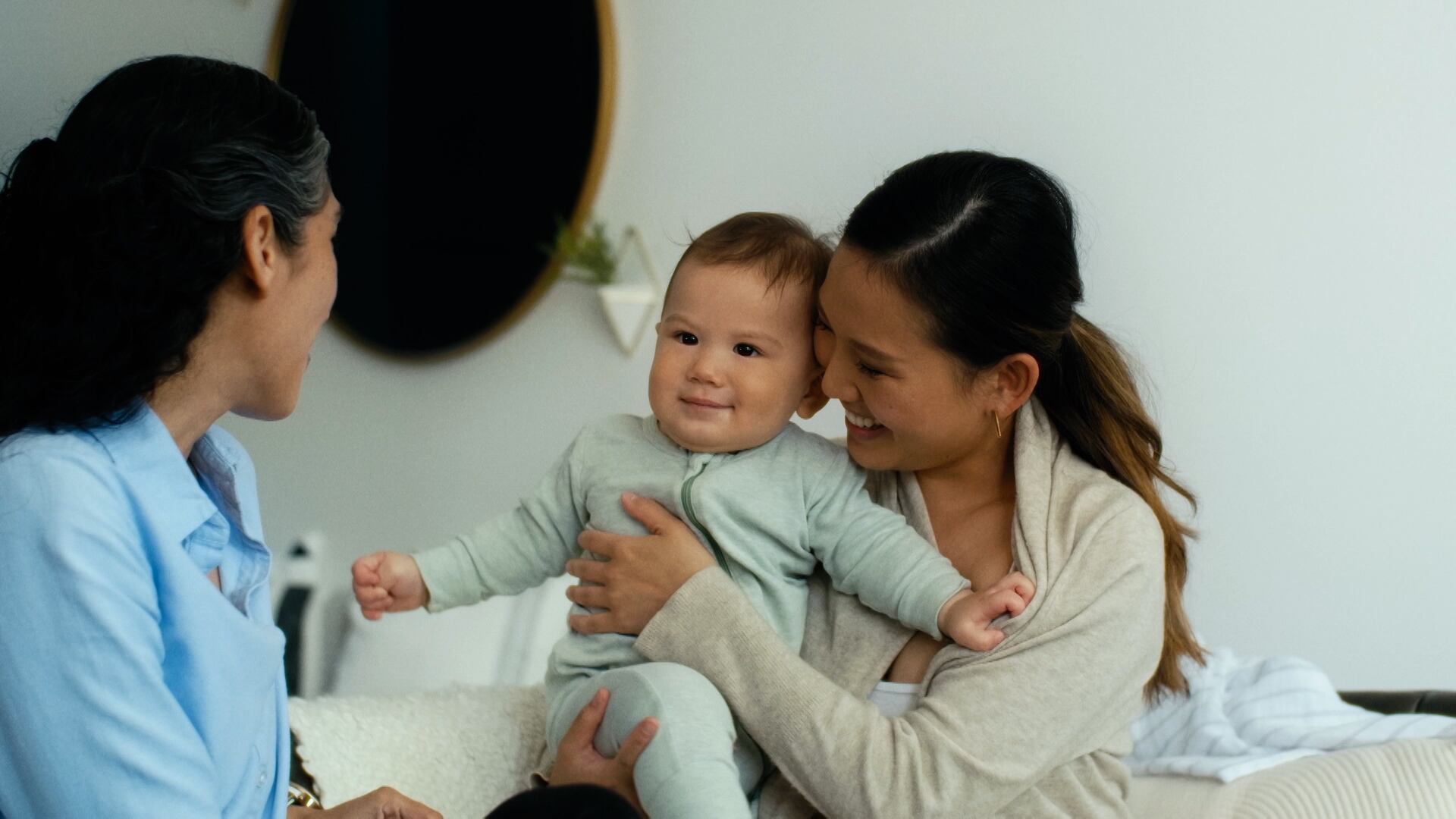
On this episode of ChedHER: CEO of The Lactation Network breaks down how they are expanding access to lactation support for families nationwide; CEO of Vanta explains the importance of a security team for startups; Midwest Divison Area Manager at JPMorgan Chase discusses the perks of having a business mentor.
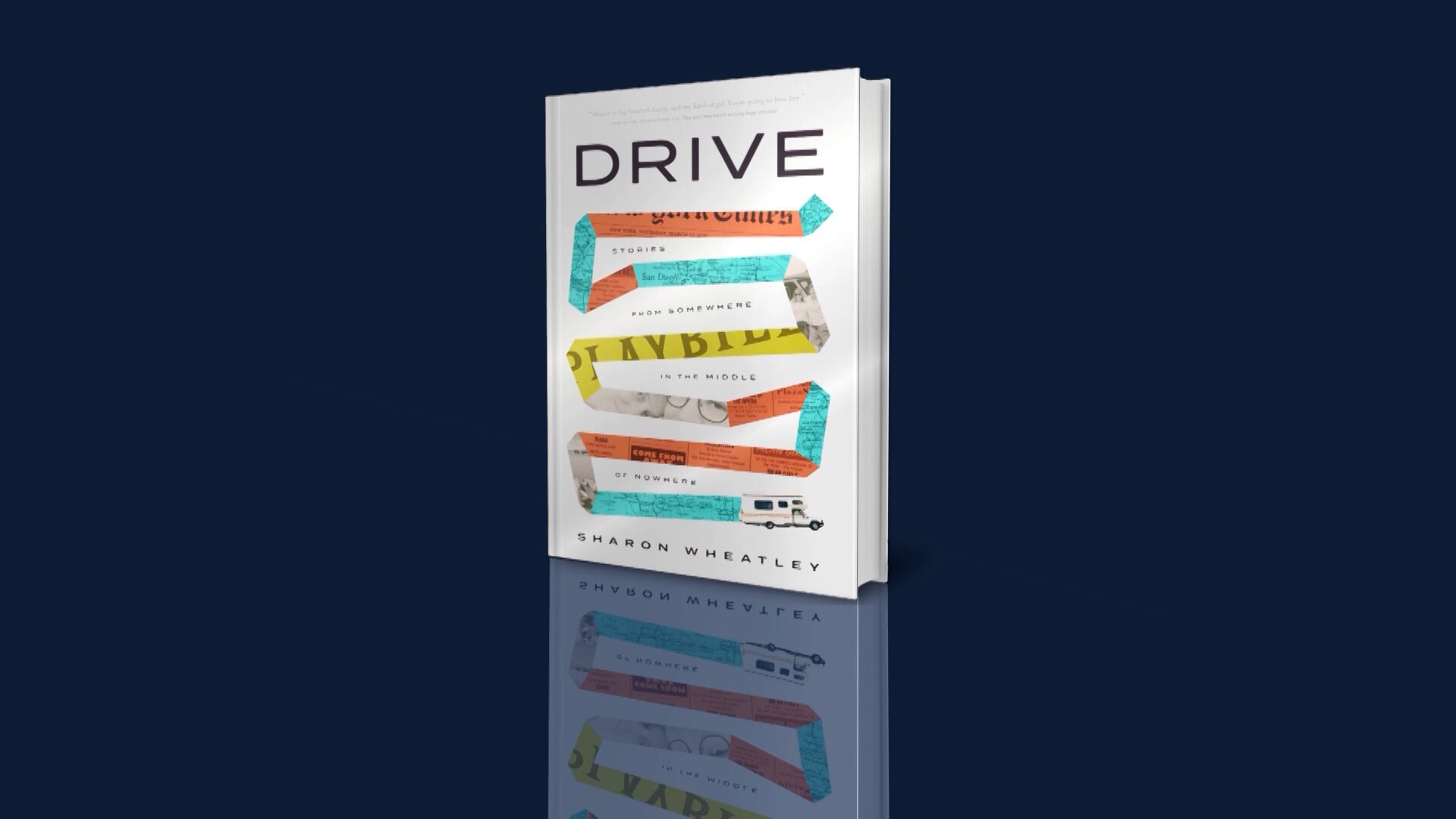
On this episode of ChedHER we hear from the CEO of Incredible Health on how she's breaking the bias this women's history month, a bestselling author gives us tips on how to create new post-pandemic habits, and we learn just how critical a business consultant can be.