Staff writer for PCWorld Michael Simon breaks down Samsung's decision not to unveil the Samsung Galaxy S9 and what else the company might have up its sleeve. He also discusses Huawei's problems with its Mate 10 phone, as well as Apple's attempts to win back consumer trust.
Samsung has decided to debut its new flagship phone at next month's MWC instead of CES. The South Korean electronics company also continued to tease a foldable phone, which is expected to debut later this year. The U.S. government is attempting to stop the Huawei Mate 10 launch, citing security risks. AT&T has already cancelled the phone, and Verizon might be next.
According to a new poll, only 53% of Americans trust Apple with their data, while 32% don't at all. Apple has promised new parental controls in response to a letter from shareholders asking for more help.
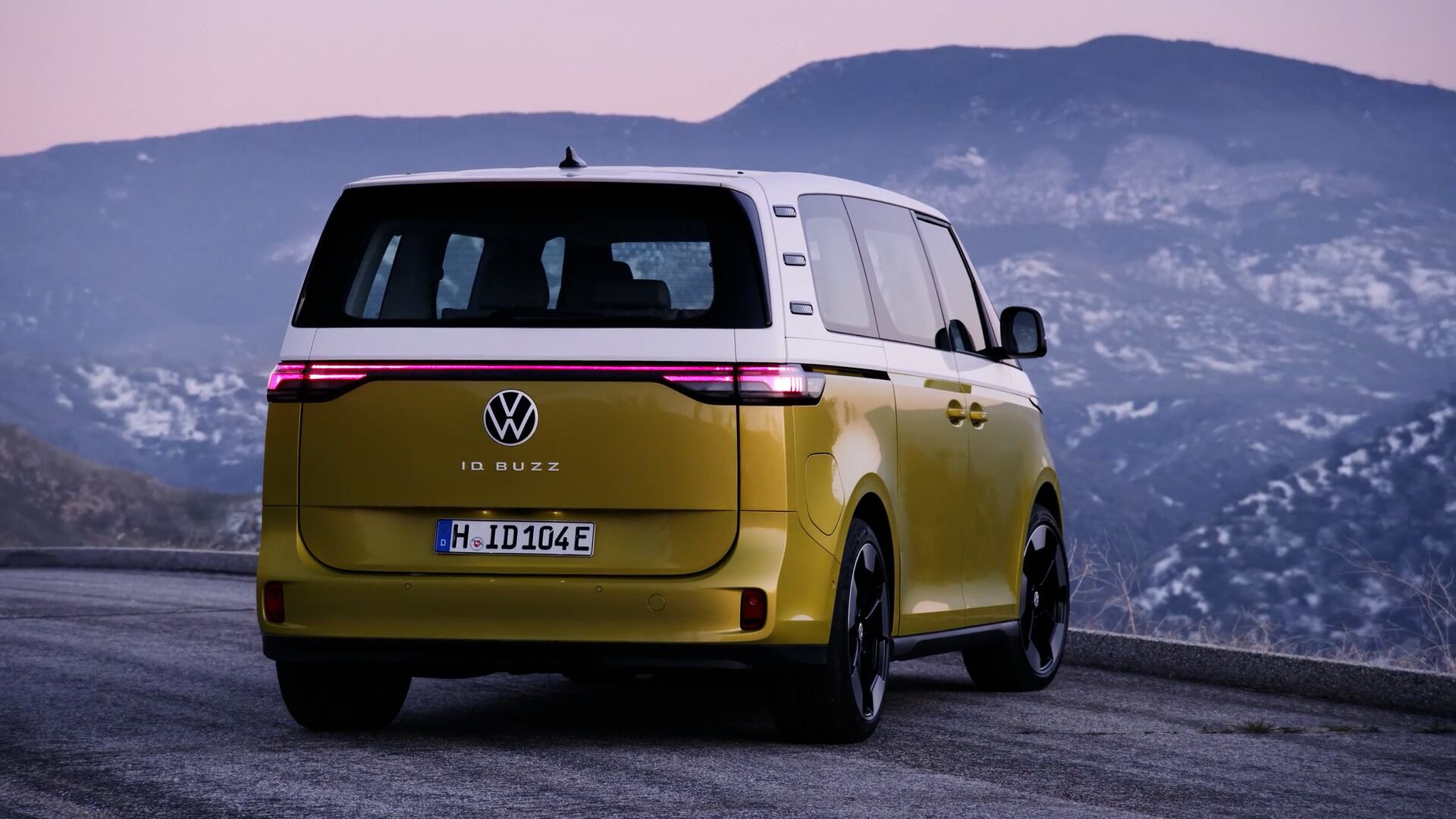
German carmaker Volkswagen said it plans to introduce 25 new electric vehicle models through 2030. As that roll out begins in earnest, Pablo Di Si, president and CEO of Volkswagen Group of America, provided Cheddar News with a breakdown of what consumers can expect from the line-up.