Staff writer for PCWorld Michael Simon breaks down Samsung's decision not to unveil the Samsung Galaxy S9 and what else the company might have up its sleeve. He also discusses Huawei's problems with its Mate 10 phone, as well as Apple's attempts to win back consumer trust.
Samsung has decided to debut its new flagship phone at next month's MWC instead of CES. The South Korean electronics company also continued to tease a foldable phone, which is expected to debut later this year. The U.S. government is attempting to stop the Huawei Mate 10 launch, citing security risks. AT&T has already cancelled the phone, and Verizon might be next.
According to a new poll, only 53% of Americans trust Apple with their data, while 32% don't at all. Apple has promised new parental controls in response to a letter from shareholders asking for more help.
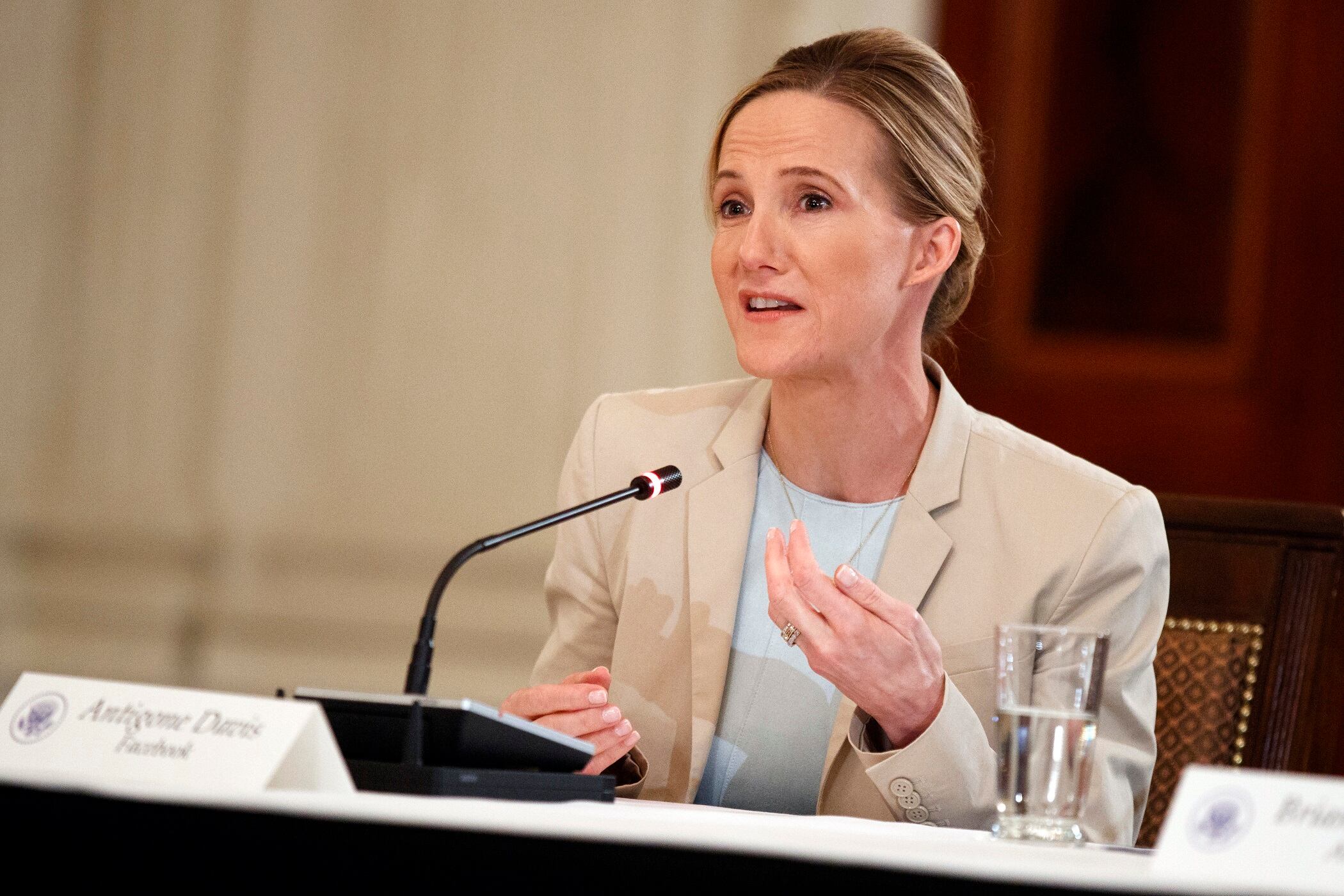
Senators have fired a barrage of criticism at a Facebook executive over the social-networking giant’s handling of internal research on how its Instagram photo-sharing platform can harm teens
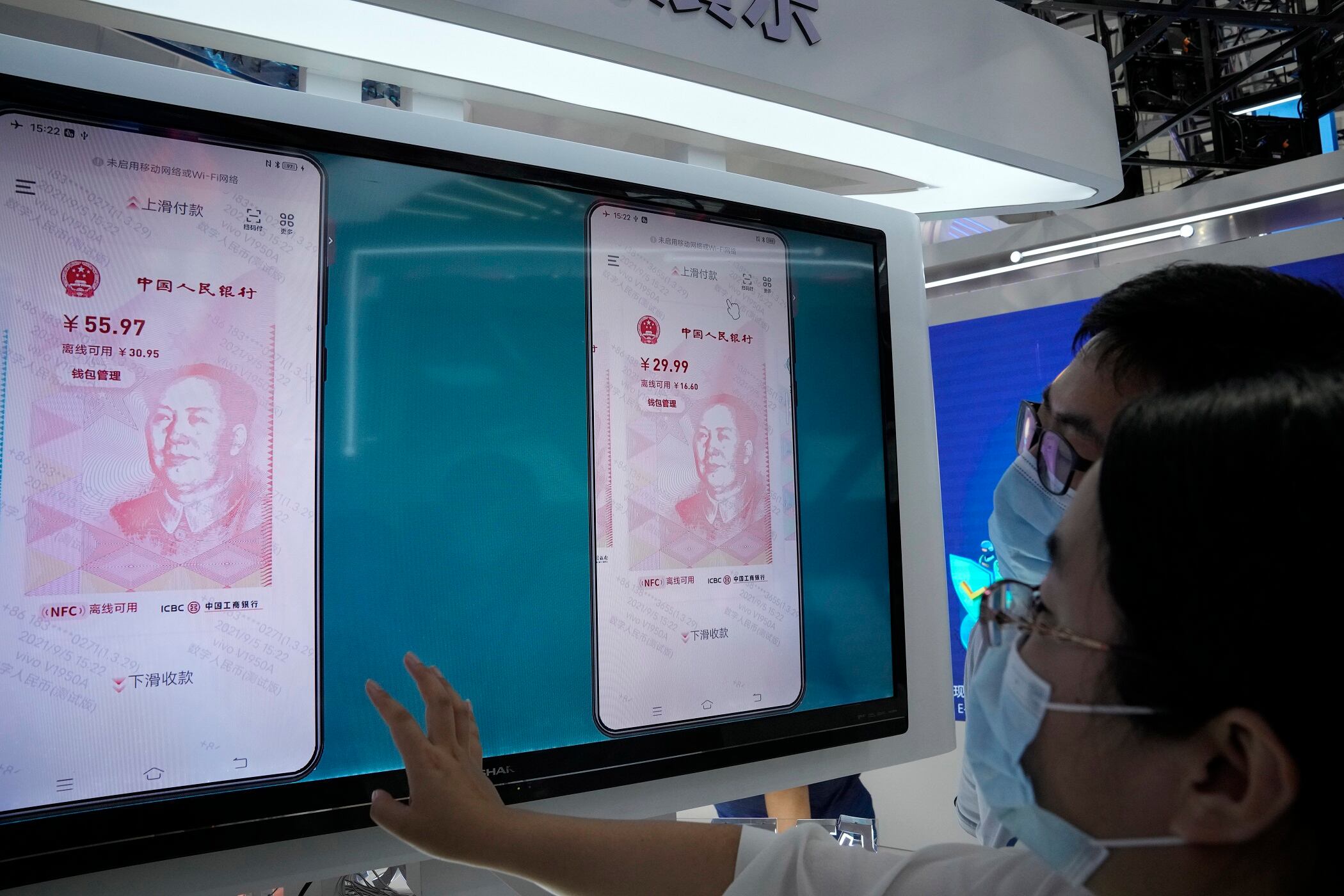
Despite China's cryptocurrency crackdown, many in the industry are making the case that crypto's demise is not yet a done deal in the world's second-largest economy.
Video-sharing tech platform YouTube on Wednesday announced immediate bans on false claims that vaccines are dangerous and cause health issues like autism, cancer or infertility.
Alex Bell, a Post-Doctoral Scholar at UCLA, joins 'Cheddar Reveals' to discuss how exposure to innovation influences who becomes an inventor and how much genius has been lost over the years.
Instagram is putting a hold on the development of Instagram kids, geared towards children under 13, so it can address concerns about the vulnerability of younger users.
We're living in uncertain times due to the pandemic, and that means more flexible especially when we travel, according to top travel experts at Skift Global Forum 2021 in New York.
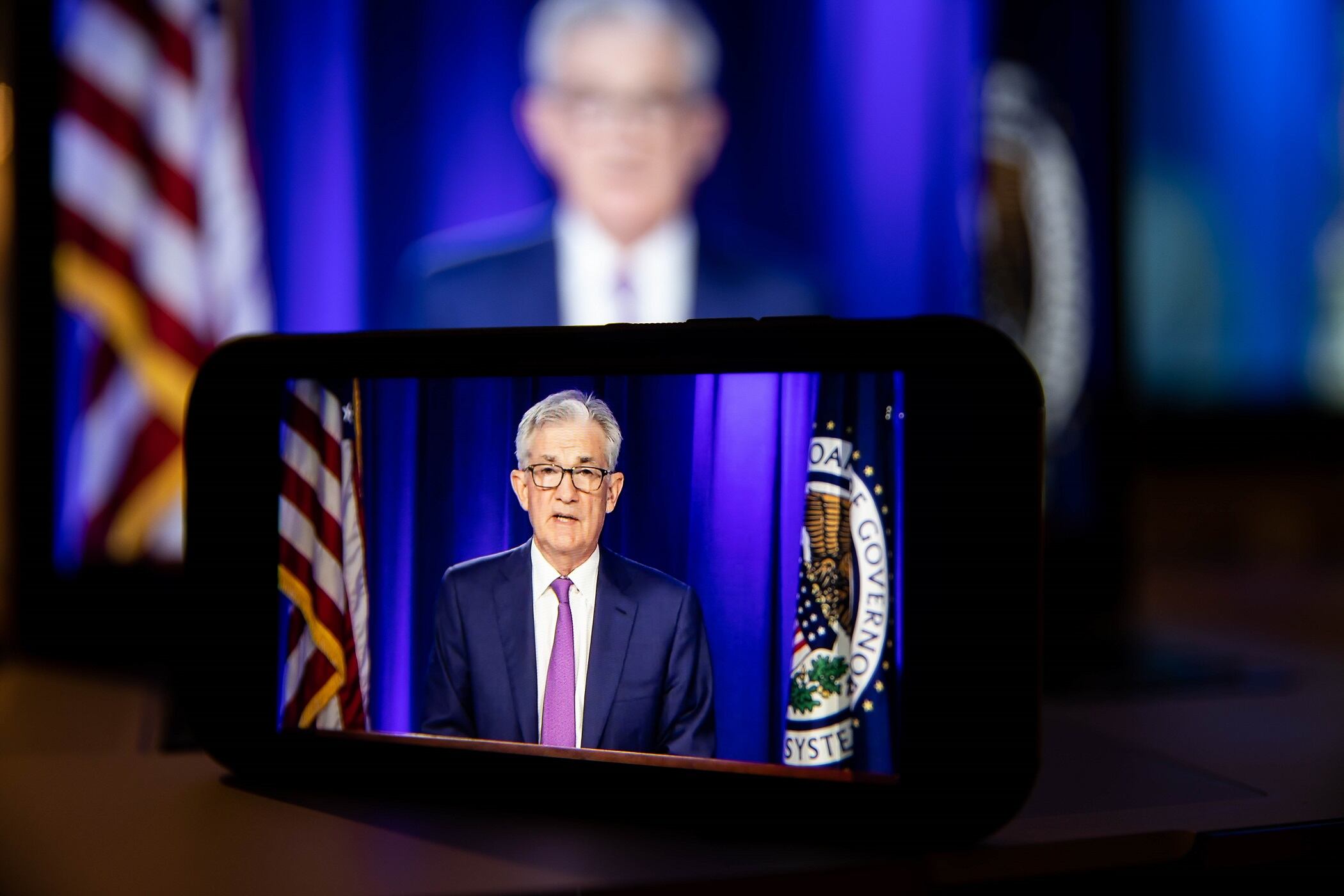
Powell on Wednesday shed new light on the possibility of launching a central bank digital currency (CBDC) in the U.S., and stakeholders in the worlds of both monetary policy and cryptocurrency took notice.
China’s central bank has declared all transactions involving Bitcoin and other virtual currencies illegal, stepping up a campaign to block use of unofficial digital money.
Neopets are making a new kind of comeback, this time in the form of non-fungible tokens (NFTs).
The European Union is unveiling plans that would require smartphone makers to adopt a single charging method for mobile devices.