Staff writer for PCWorld Michael Simon breaks down Samsung's decision not to unveil the Samsung Galaxy S9 and what else the company might have up its sleeve. He also discusses Huawei's problems with its Mate 10 phone, as well as Apple's attempts to win back consumer trust.
Samsung has decided to debut its new flagship phone at next month's MWC instead of CES. The South Korean electronics company also continued to tease a foldable phone, which is expected to debut later this year. The U.S. government is attempting to stop the Huawei Mate 10 launch, citing security risks. AT&T has already cancelled the phone, and Verizon might be next.
According to a new poll, only 53% of Americans trust Apple with their data, while 32% don't at all. Apple has promised new parental controls in response to a letter from shareholders asking for more help.
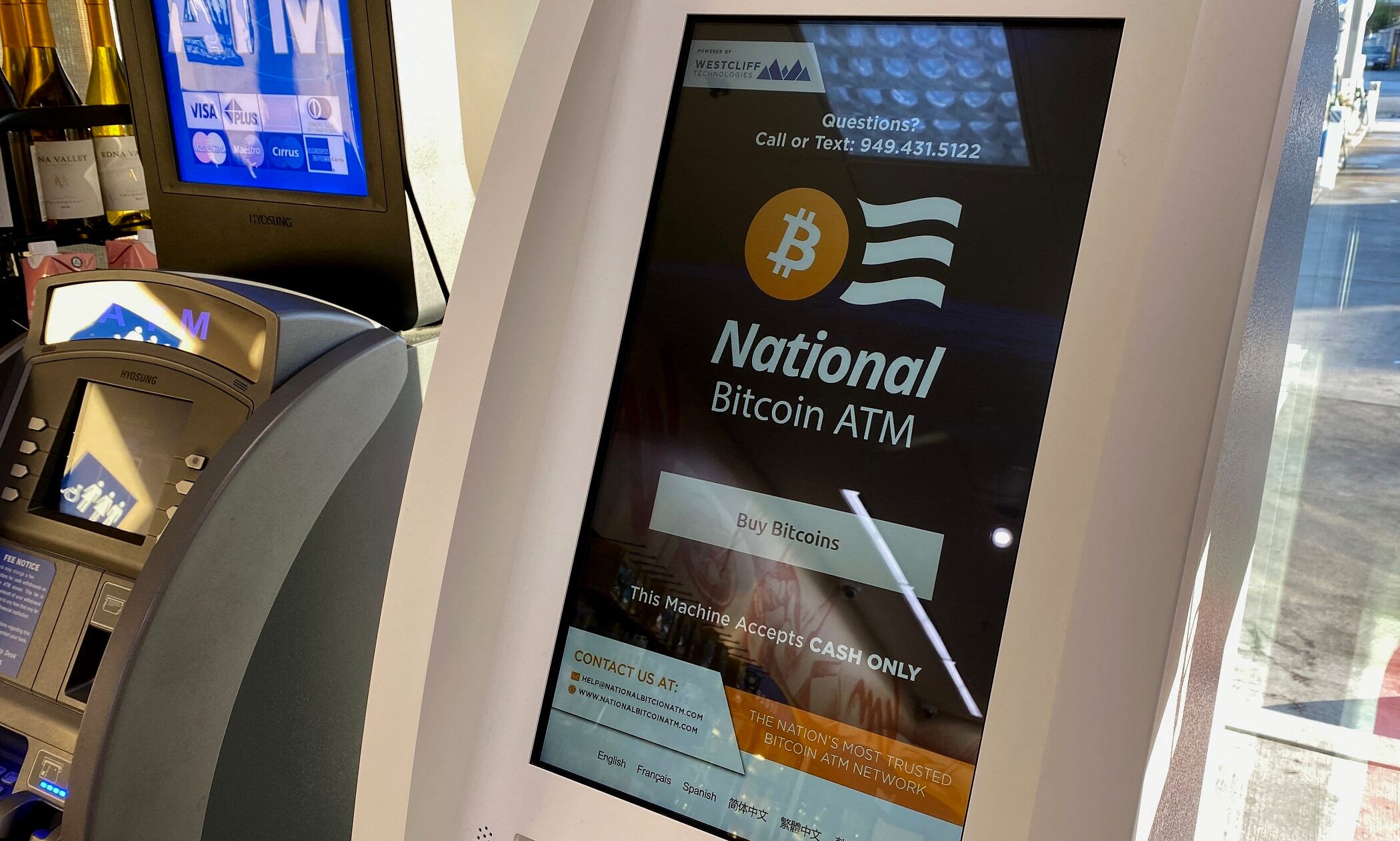
Inspired by the framework of the Paris Climate agreement, the Crypto Climate Accord (CCA) is just one industry effort to spread the message that crypto should rise to the challenge.
Facebook said it will shut down its face-recognition system and delete faceprints of more than 1 billion people.
The first person to fly across New Zealand’s Cook Strait in an electric plane says he did so with plenty of battery power to spare.
From Wall Street to Silicon Valley, these are the top stories that moved markets and had investors, business leaders, and entrepreneurs talking this week on Cheddar.
Facebook CEO Mark Zuckerberg said his company is rebranding itself as Meta, an effort to encompass its virtual-reality vision for the future.
A new study from Fidelity has found that holders of cryptocurrency are disproportionately more charitable as investors, with 45 percent donating $1,000 or more to charity in 2020.
SpaceX is resolving toilet spills in its capsules before it launches another crew for NASA. Liftoff is currently set for early Sunday from Florida's Kennedy Space Center.
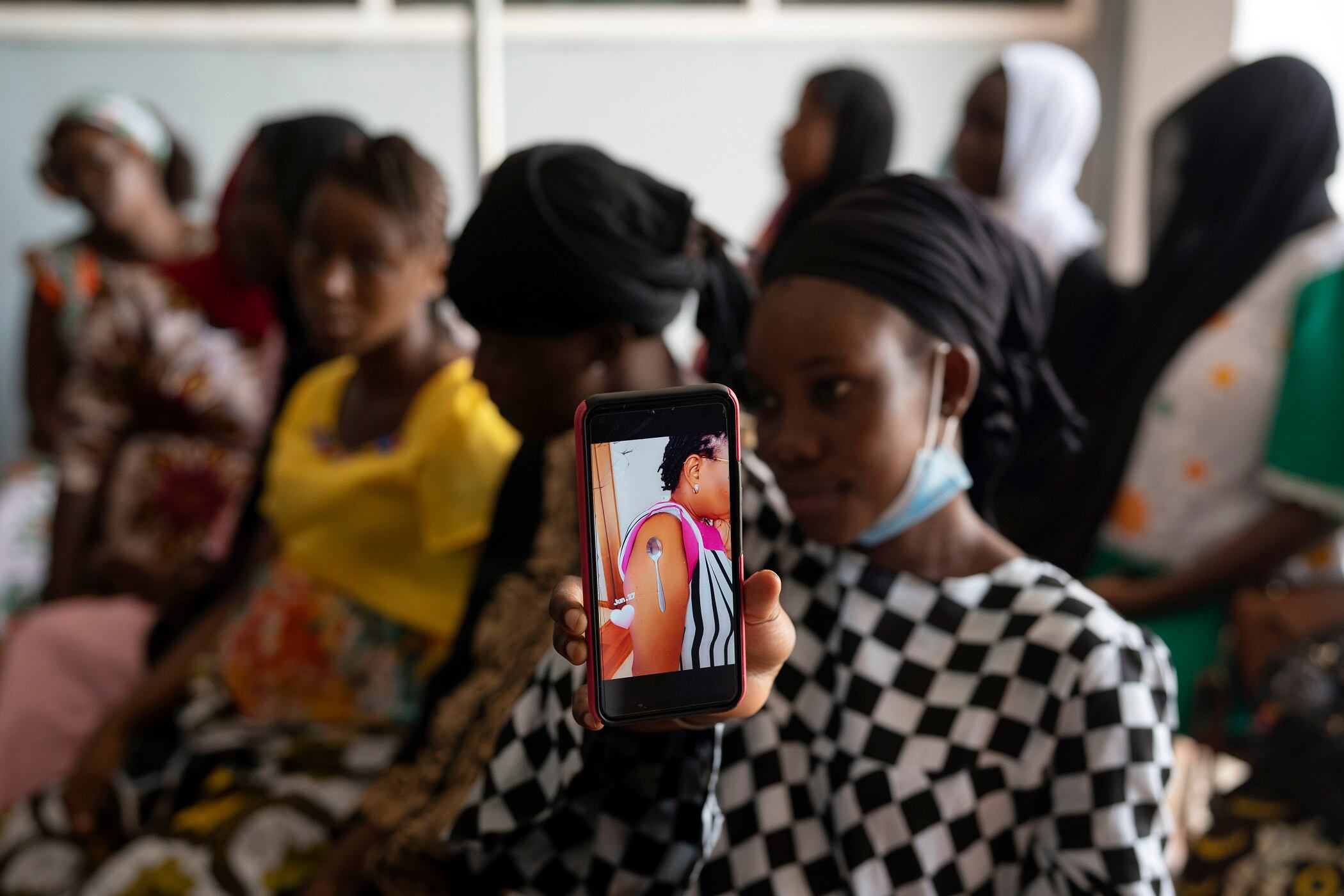
Last spring, as false claims about vaccine safety threatened to undermine the world's response to COVID-19, researchers at Facebook found they could reduce vaccine misinformation by tweaking how vaccine posts show up on users' newsfeeds.
A report in the New York Times published Sunday called 'Inside Amazon's Worst Human Resources Problem' details the company mishandling paid and unpaid leave for some of its workers for more than a year and a half, following an email sent to Amazon founder Jeff Bezos from a new mother who works at a warehouse in Oklahoma, which then led to an internal investigation at Amazon. Seattle tech correspondent for the New York Times Karen Weise joined Cheddar News' Closing Bell to talk about her report and what the Amazon investigation found.
Facebook the company is losing control of Facebook the product — and of the carefully crafted image it’s spent over a decade selling despite problems like misinformation, human trafficking, and pervasive extremist groups on its platform.