Staff writer for PCWorld Michael Simon breaks down Samsung's decision not to unveil the Samsung Galaxy S9 and what else the company might have up its sleeve. He also discusses Huawei's problems with its Mate 10 phone, as well as Apple's attempts to win back consumer trust.
Samsung has decided to debut its new flagship phone at next month's MWC instead of CES. The South Korean electronics company also continued to tease a foldable phone, which is expected to debut later this year. The U.S. government is attempting to stop the Huawei Mate 10 launch, citing security risks. AT&T has already cancelled the phone, and Verizon might be next.
According to a new poll, only 53% of Americans trust Apple with their data, while 32% don't at all. Apple has promised new parental controls in response to a letter from shareholders asking for more help.
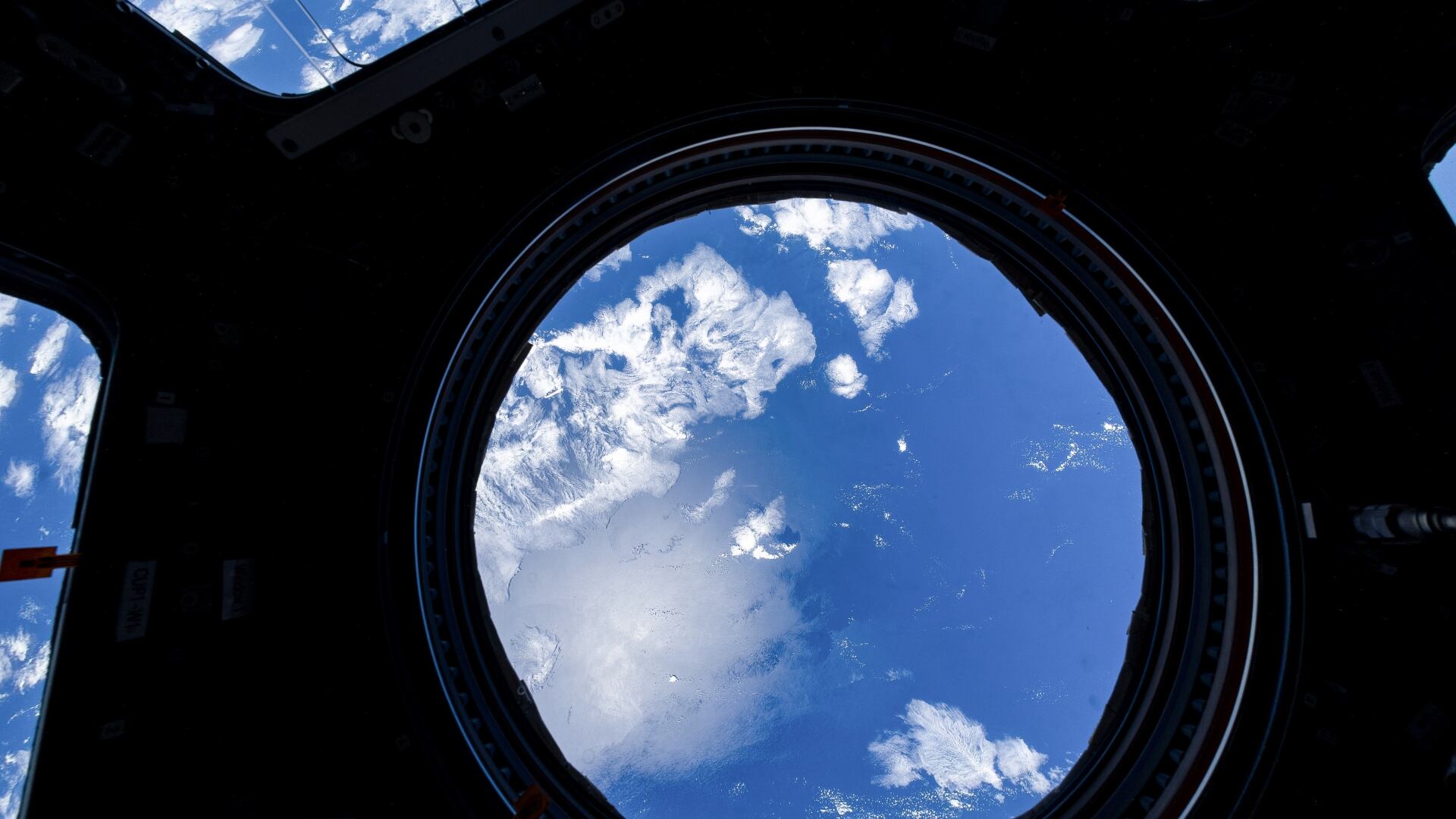
Tensions from the Russia-Ukraine war have spilled into space. The head of Russia's space agency has threatened to pull the country out of the International Space Station if sanctions aren't lifted on the country — but that doesn't seem to be happening any time soon. What would it mean if Russia really did leave the ISS, who would it harm the most, and what would the consequences be both for the other ISS partners, and private space travel? Casey Dreier, Chief Advocate & Senior Space Policy Adviser at The Planetary Society, joins Closing Bell to discuss.
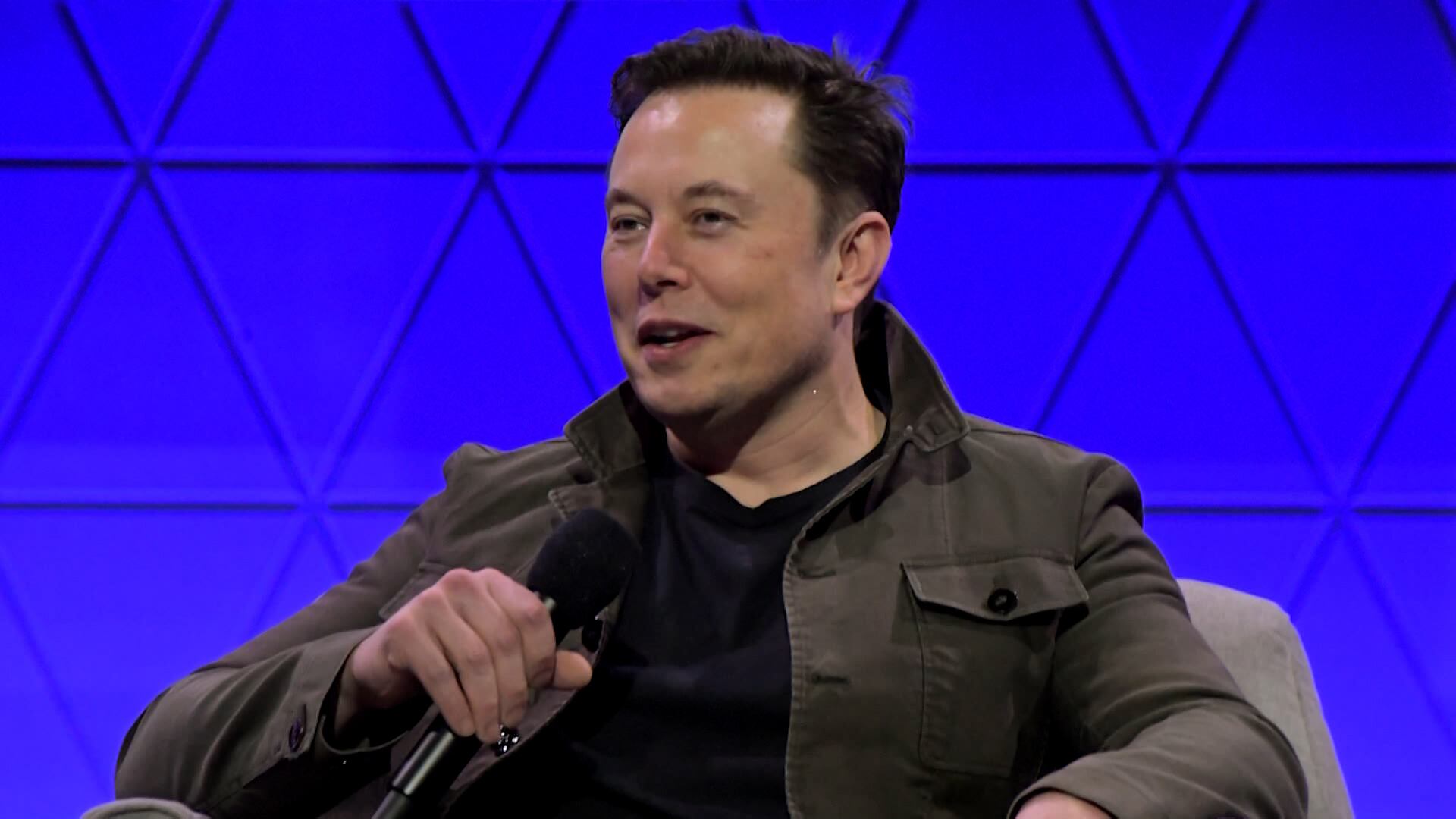
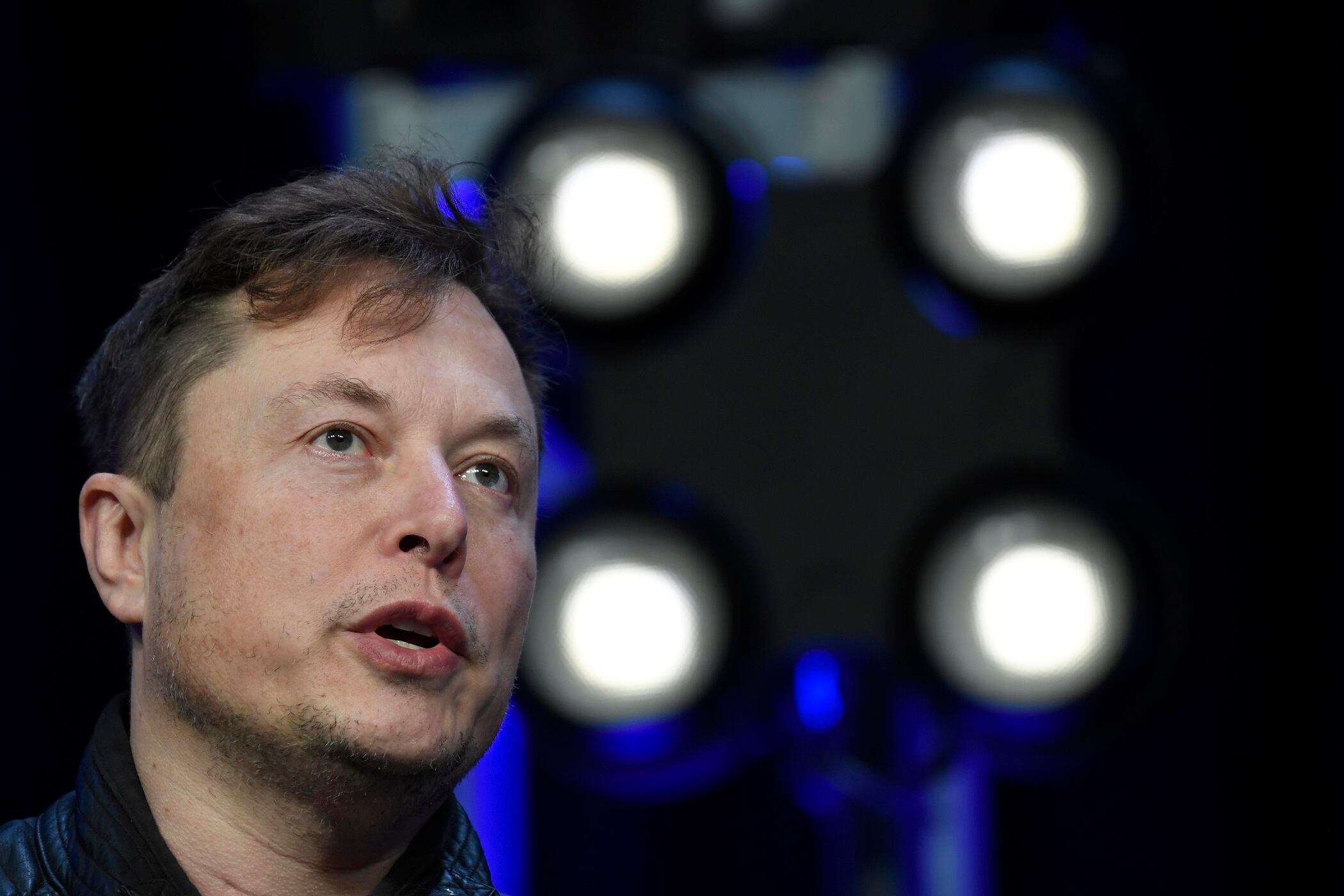
Elon Musk is set to join Twitter's board of directors. This comes shortly after the Tesla CEO purchased a 9.2% stake in Twitter, sending shares surging as much as 27% and making him the largest shareholder in the social media company. Angelo Zino, Senior Industry Analyst at CFRA Research, joined Cheddar's Opening Bell to gives his take on the social media saga.