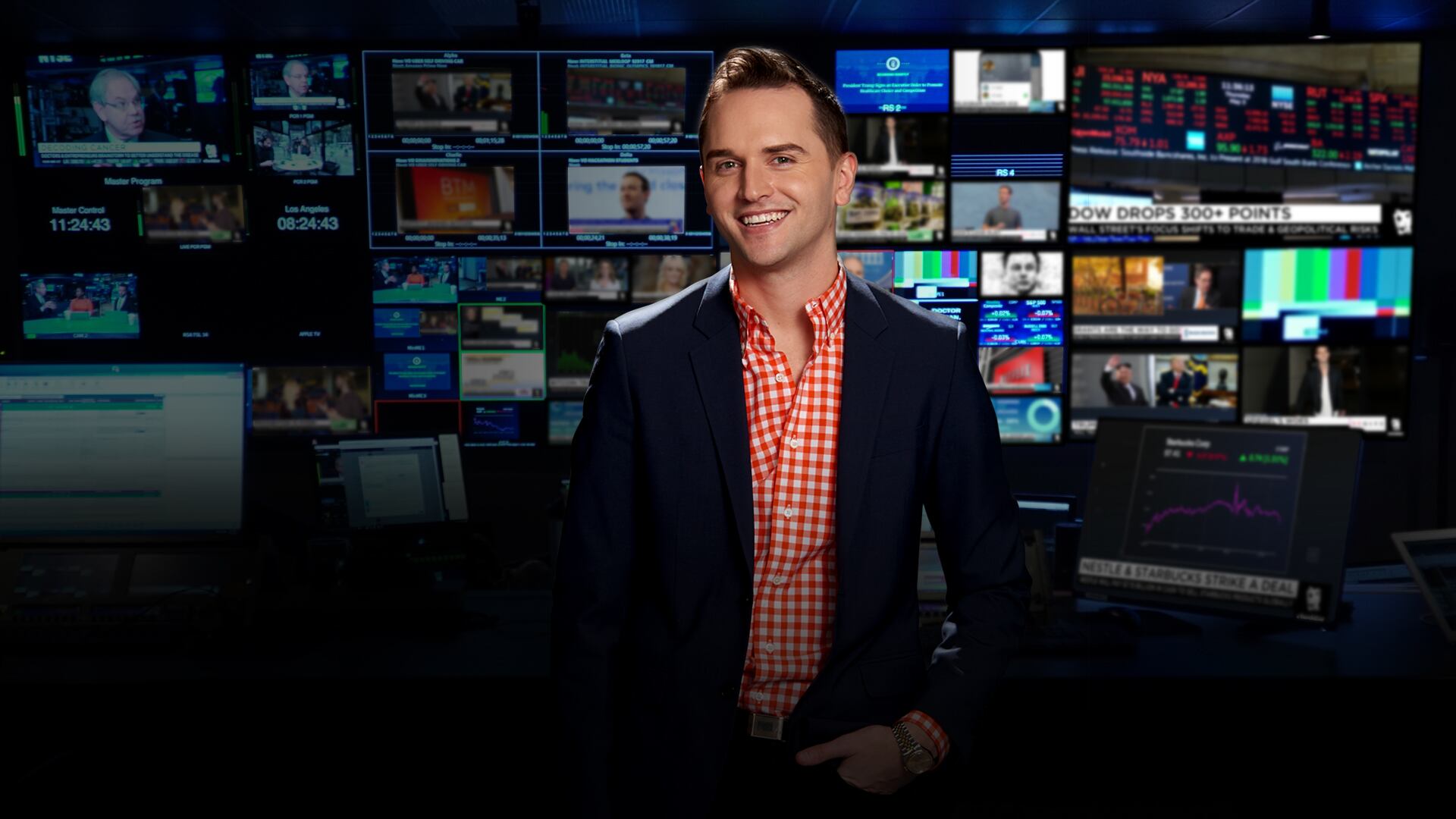
Staff writer for PCWorld Michael Simon breaks down Samsung's decision not to unveil the Samsung Galaxy S9 and what else the company might have up its sleeve. He also discusses Huawei's problems with its Mate 10 phone, as well as Apple's attempts to win back consumer trust.
Samsung has decided to debut its new flagship phone at next month's MWC instead of CES. The South Korean electronics company also continued to tease a foldable phone, which is expected to debut later this year. The U.S. government is attempting to stop the Huawei Mate 10 launch, citing security risks. AT&T has already cancelled the phone, and Verizon might be next.
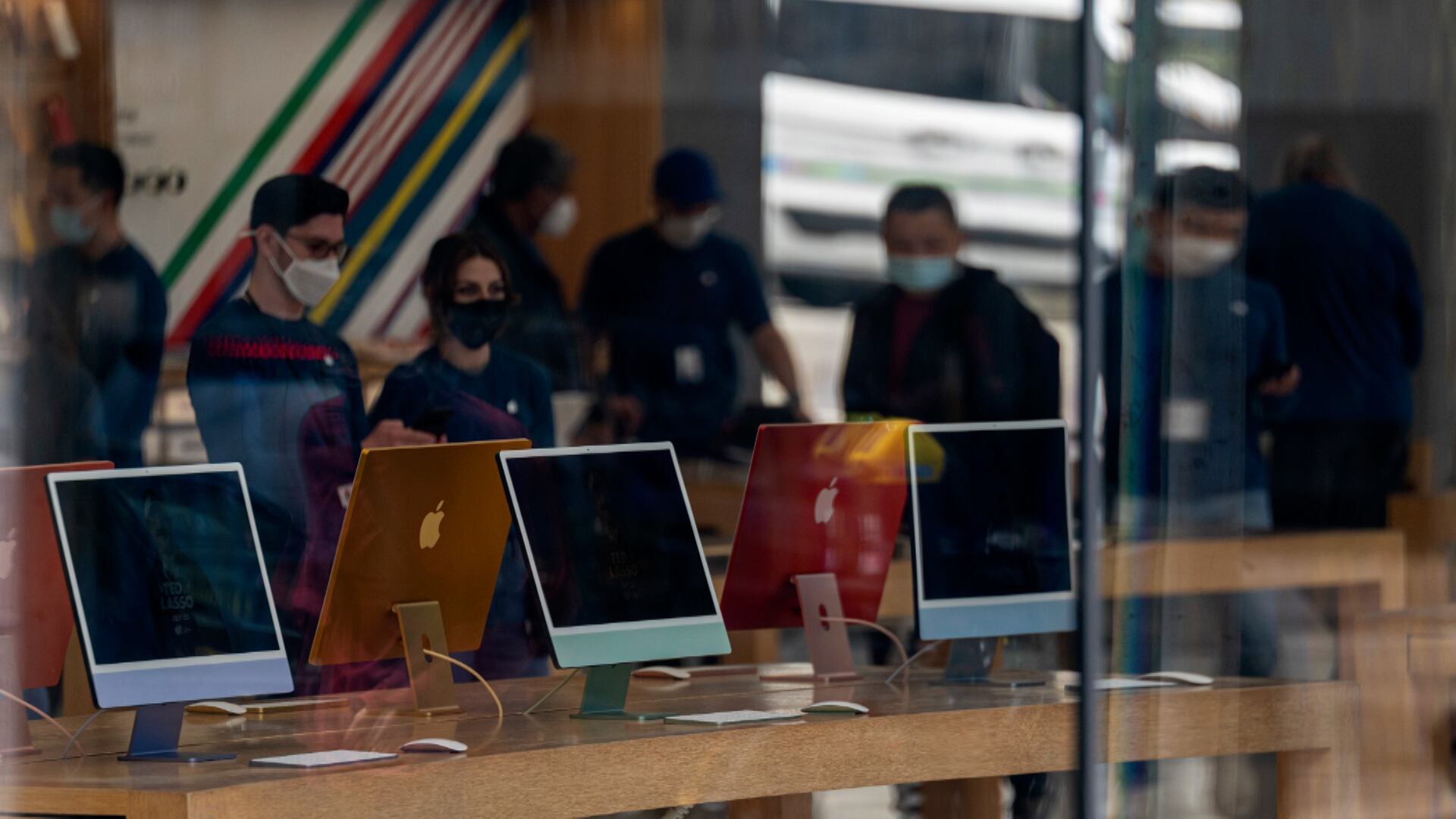
According to a new poll, only 53% of Americans trust Apple with their data, while 32% don't at all. Apple has promised new parental controls in response to a letter from shareholders asking for more help.
Online tickets marketplace Vivid Seats CEO Stan Chia joined Cheddar’s "Opening Bell" to discuss the decision behind launching an IPO via a SPAC merger with Horizon Acquisition Corporation. According to Chia, it was the best route for the company as it looked to partner with a proven track record to strategize for the future. He also noted that pent-up demand for live events is as high as it's been in five years due to the pandemic. Shares are listed on the Nasdaq under the symbol SEAT.
Apple is expected to unveil a redesigned MacBook Pro, Mac Mini and the long-awaited AirPods 3 at its "Unleashed" event. We are also anticipating more information on Apple's own chip, as the chip shortage continues to ravage the tech industry. John Biggs, a writer and editor, gives a preview of the event and what we can expect from the new and improved devices.
Toyota is pledging to invest $3.4 billion into developing hybrid car batteries in the United States through 2030. The Japanese carmaker plans to establish a U.S. factory by 2025 and expects to create 1,750 jobs.