PayPal COO Responds to Company's Break-Up with eBay
PayPal posted better-than-expected results, but news that eBay is abandoning the company in favor of a smaller European competitor caused the stock to fall. Bill Ready, COO of PayPal, joined us to explain why he thinks investors are misunderstanding the news.
Ready says PayPal will retain a majority of eBay’s volume with the deal it did for PayPal branded checkout. He also said the primary part of PayPal's business was actually expanded with eBay. Ready added that investors may be getting it wrong because this kind of news takes time to digest.
EBay explained that its decision to integrate Adyen's payment processor would result in lower costs and more control for its merchants. Ready responded by highlighting all the long-term partnerships the company has with Airbnb, Facebook, Google, Apple, and Uber.
Venmo has been a solid source of growth for PayPal, processing $10.4 billion in payments in just the fourth quarter. Ready said that now more than 2 million retailers are able to accept payments from Venmo. Many people have said Apple Pay Cash is going to be a Venmo-killer. Ready said the rush of competitors into the digital payments space hasn't stopped Venmo's business from accelerating.
Cheddar News' Courtney Sturgeon reports from the Cboe floor with Alan Knuckman, Chief Market Strategist at Bulls Eye Option, to discuss strategies for options traders ahead of a busy trading week amid earnings, the FOMC meeting, and more.
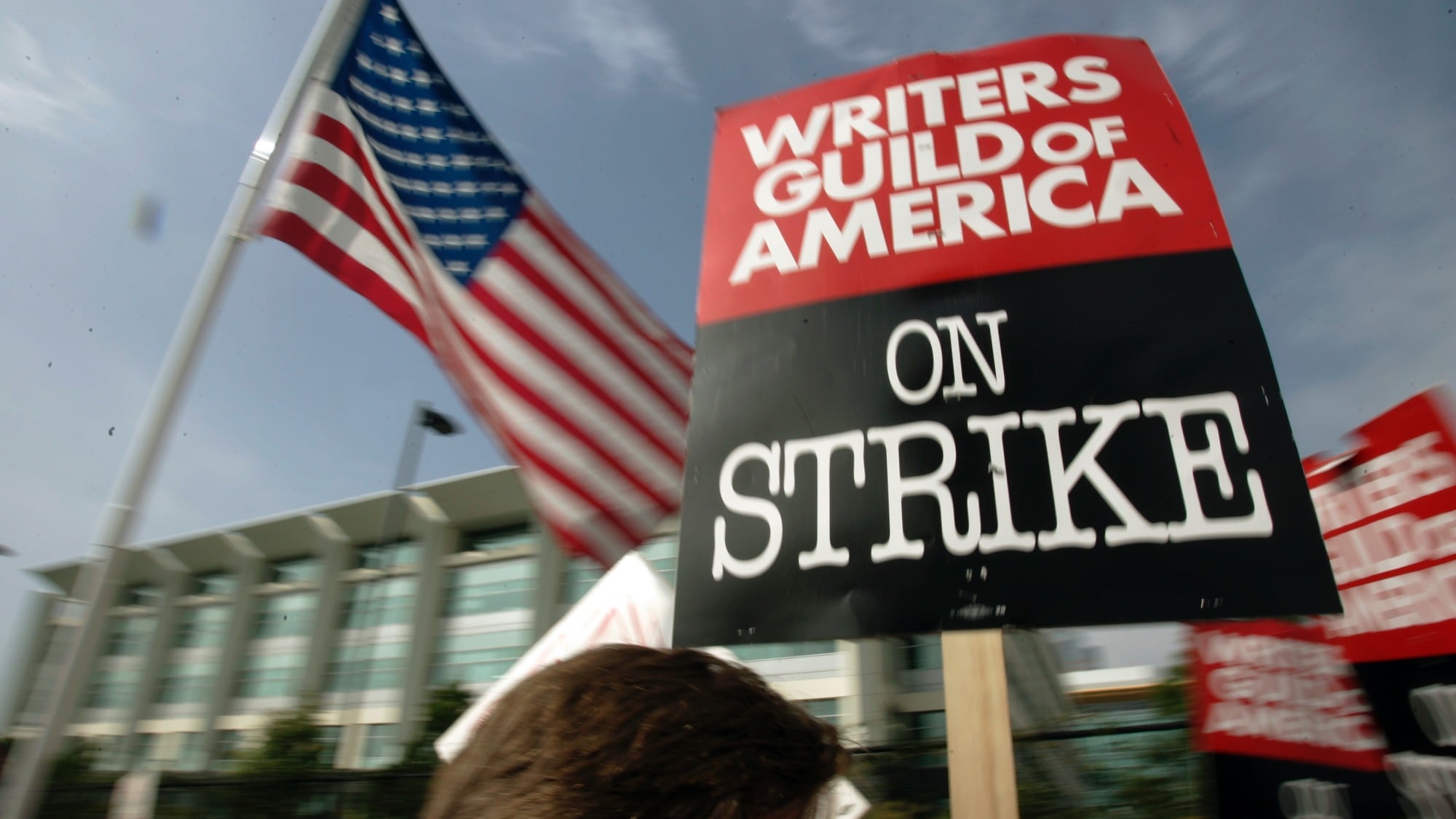
On Tuesday, the Writer’s Guild of America (WGA) kicked off its first strike in 16 years. Cheddar News' field reporter Ashley Mastronardi spoke with some of those picketing writers who said streaming giants need to catch up with the times and offer a higher wage and a bigger cut of residuals.
Airbnb is making a renewed push into renting single rooms in a nod to its beginnings and a realization that renting an entire house is too expensive for many travelers, especially younger ones.
Poised to raise interest rates Wednesday for a 10th time, Federal Reserve officials are facing two competing economic trends that could make their future rate decisions more difficult and treacherous.