*By Carlo Versano*
Paul Allen, who co-founded Microsoft with Bill Gates and went on to become one of the country's most prolific philanthropists and technologists, died Monday at 65.
His company Vulcan released a [statement](http://www.vulcan.com/News/Articles/2018/Statement-on-Paul-G-Allen) saying the cause was non-Hodgkin's lymphoma, which Allen had battled on and off for years.
Allen and Gates famously started Microsoft ($MSFT) in 1975 after dropping out of college and partnering to write computer code for early PCs. The break that would elevate their tiny company ー whose name was a *portmanteau* of "microcomputer software" that Allen came up with ー and make both men fabulously wealthy came when IBM ($IBM) chose it as the software supplier for that company's first personal computer.
Allen left Microsoft in the early 80s but remained on the board until 2000. Current CEO Satya Nadella said in a statement: "As co-founder of Microsoft, in his own quiet and persistent way, he created magical products, experiences and institutions, and in doing so, he changed the world."
As Allen became one of the world's richest people ー Forbes [estimates](https://www.forbes.com/profile/paul-allen/#7bd56f414417) his estate to be worth at least $20 billion ー he became known for his charitable largesse, nowhere more so than in Seattle, where he lived. He also bought sports teams ー he was owner of the NFL's Seahawks and the NBA's Portland Trail Blazers ー turning them into billion-dollar franchises, opened cultural institutions, donated to local STEM non-profits, and re-developed a Seattle neighborhood that is now home to a booming science and tech industry, including the headquarters of Amazon ($AMZN). He was regularly [listed](https://www.forbes.com/sites/jenniferwang/2018/10/15/the-greatest-givers-meet-americas-top-philanthropists/#42fc98bd1af1) among America's most generous givers.
Allen is survived by his sister Jody, who [said](http://www.vulcan.com/News/Articles/2018/Statement-on-Paul-G-Allen): " While most knew Paul Allen as a technologist and philanthropist, for us he was a much loved brother and uncle, and an exceptional friend."
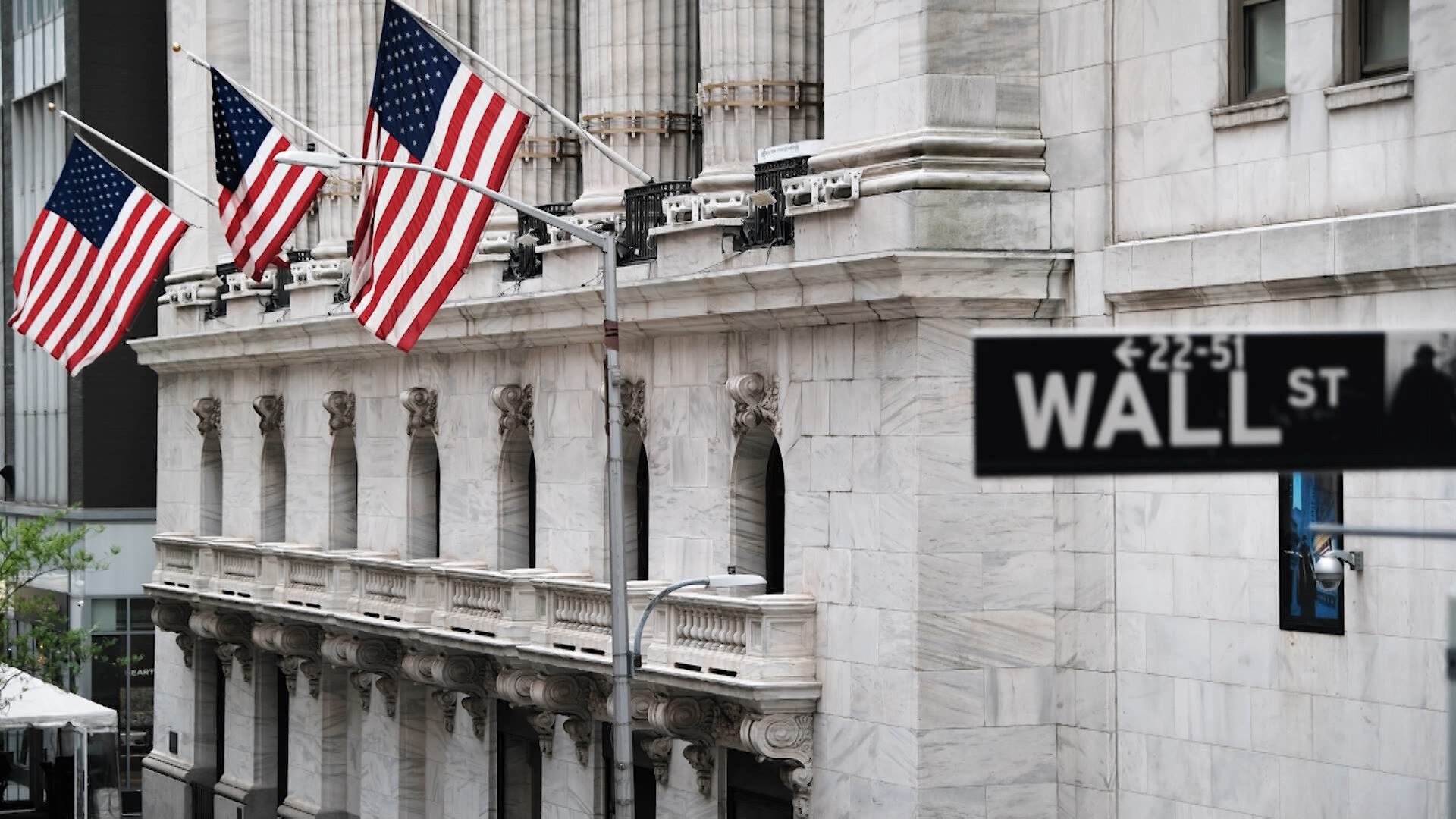
According to data from Dealogic, the Nasdaq is on track to beat the NYSE in IPOs this year, raising $191 billion so far, compared with the NYSE's $109 billion. Louis Cordone, senior president of Data Strategy at AST, discusses why 2021 was so successful for IPOs, and what differentiates the two exchanges.
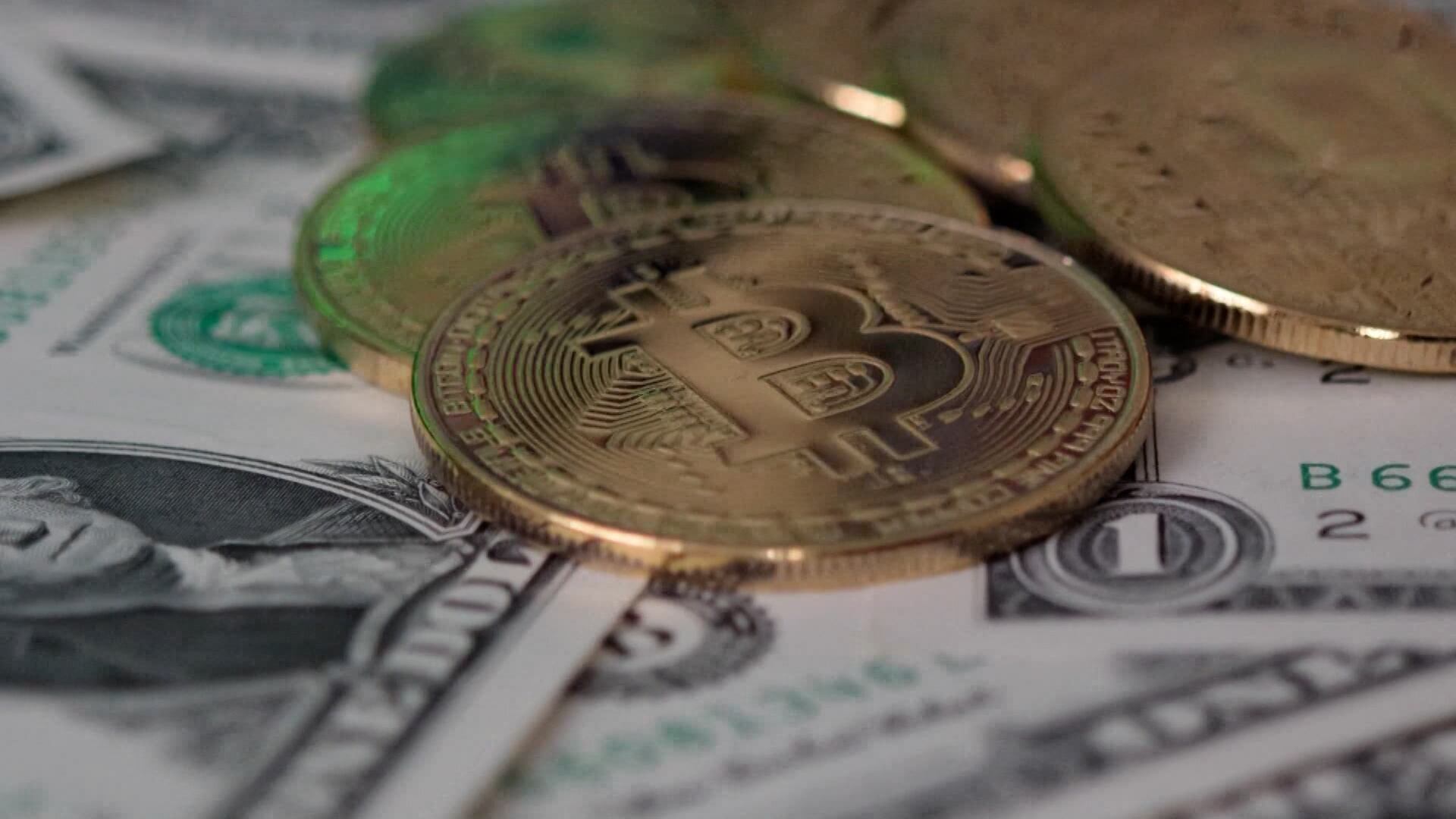
Bitcoin took a nosedive over the weekend, falling to its lowest price level in nearly two months. According to data from Coindesk, the crypto dropped more than 20% to $42,000 on Saturday before rebounding some. Prices of Ether, Dogecoin and Shiba Inu dropped as well, with Ether tumbling by more than 15%at one point. Lance Ippolito, head trader at the Future of Wealth, joined Cheddar to discuss why crypto plummeted and what to expect next.
Less than six months after making its public debut on the NYSE, Chinese ride-hailing giant Didi says it will delist in the U.S. and pivot to Hong Kong instead. Chinese regulators are citing cybersecurity and data concerns. Shehzad Qazi, Managing Director, China Beige Book International joined Cheddar's Opening Bell to discuss.
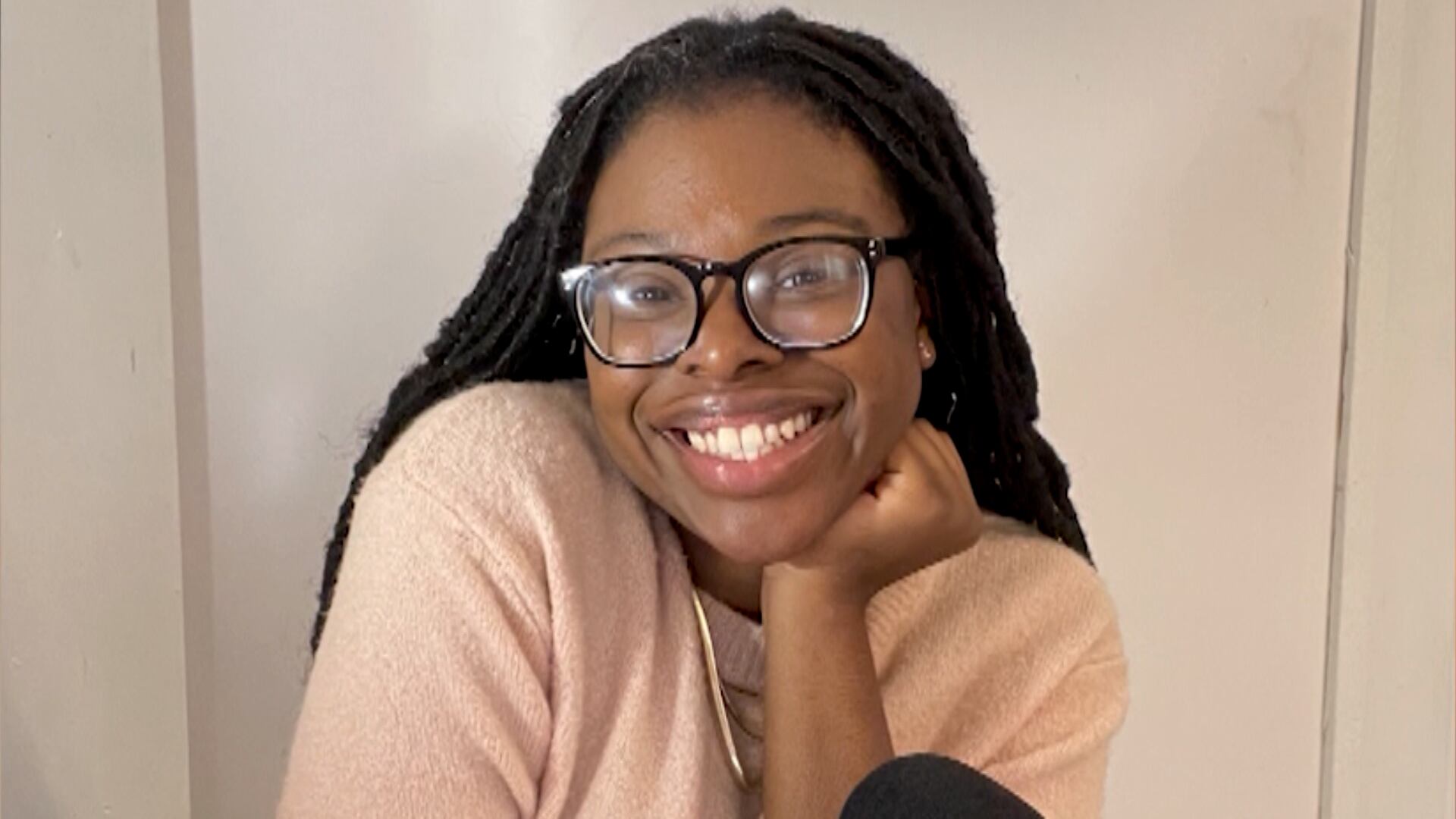
As offices shifted to remote schedules, and people were forced into a new way of work, many began to re-think their career path and their purpose in the workforce, leading to what many are calling 'The Great Resignation.' During the last year, Americans quit their jobs in unprecedented numbers, seeking more flexibility, better benefits, a higher salary, and ultimately greater independence. Danielle Neal, CEO of Digital with Danielle, is just one of the millions who quit their job during the pandemic, and she joined Cheddar's Opening Bell to tell her story.
As Americans quit their jobs in record numbers this year, companies have been scrambling to try and fill those gaps. Gad Levanon, head of the labor market institute at The Conference Board, says companies need to focus more on salary if they want to better retain their employees. Levanon joined Cheddar to discuss the labor shortage, the "Great Resignation," and what companies can learn from it going into 2022.