The managers of the Panama Canal said they expect income from the waterway to drop after authorities were forced to limit the number of ships passing through each to 32 due to a lack of rainfall.
Ricaurte Vásquez, the canal’s administrator, said Thursday that income in 2024 could drop by as much as $200 million because of the drought.
The canal implemented a measure Sunday capping the number of ships passing through its locks daily to a maximum of 32, compared to 36 to 38 under normal operation.
Not enough rain has fallen to feed the watershed system of rivers and brooks that fill lakes, whose waters in turn fill the locks.
The watershed also supplies freshwater to Panama City, home to about half the country’s population of 4 million.
The canal had expected to earn about $4.9 billion in fees next year before the measures were announced.
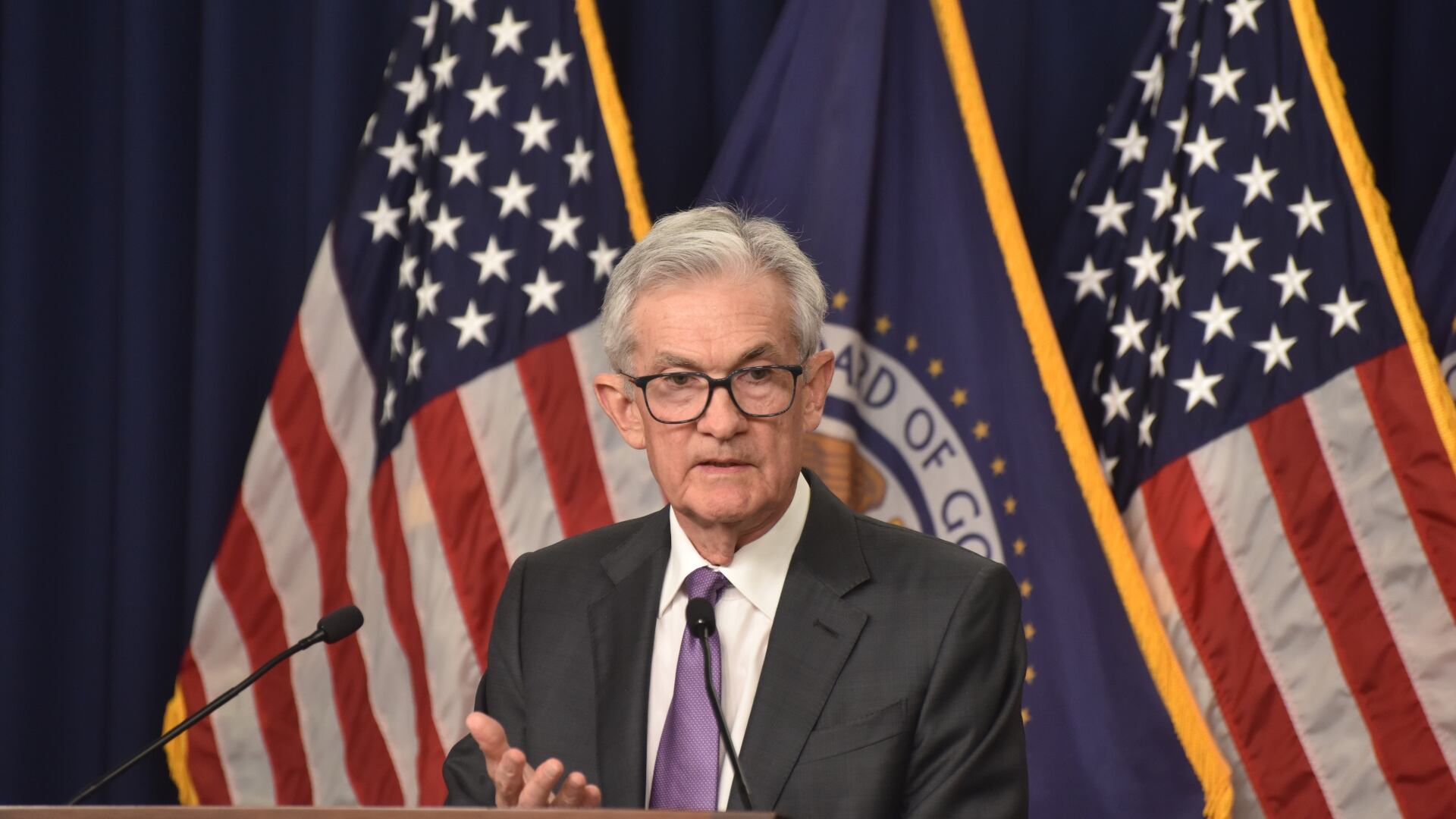
Alexander Reed, CFA and CIO for Envisage Wealth, breaks down why he thinks rates could stay higher for longer and why real estate, utilities, and regional banks are sectors to avoid.
Big brands that have relied on TikTok videos to reach younger consumers do not appear to be panicking as they wait to see what happens. But they have started planning.
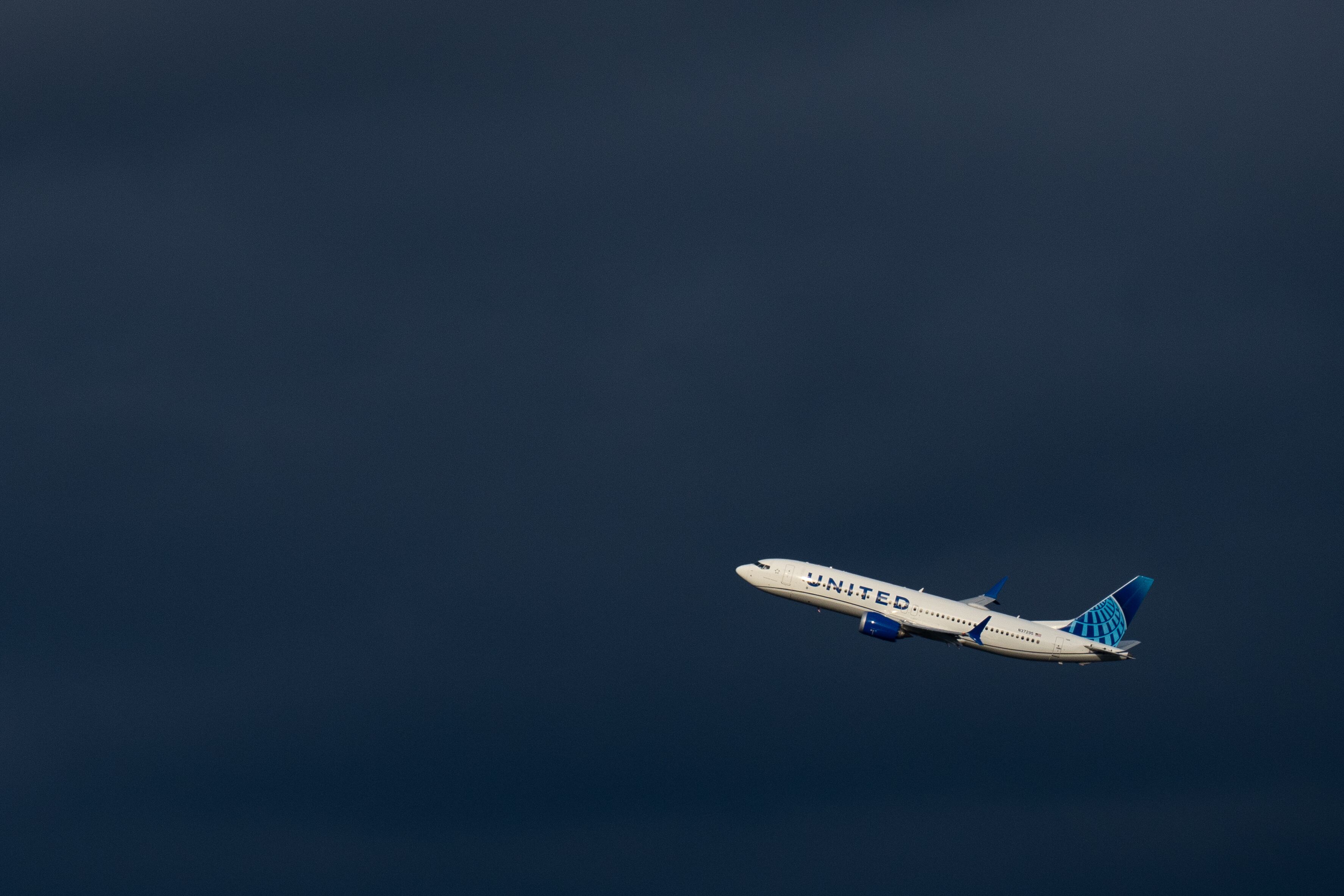
It's been 15 years since the last fatal crash of a U.S. airliner, but you wouldn't know that from a torrent of flight problems that made news in the last three months.
Abortion opponents want the high court to ratify a ruling from a conservative federal appeals court that would limit access to a medication called mifepristone, which was used in nearly two-thirds of abortions last year.
Annie Chechitelli, chief product officer at Turnitin, breaks down how students and teachers alike can learn from artificial intelligence – while still maintaining academic integrity.
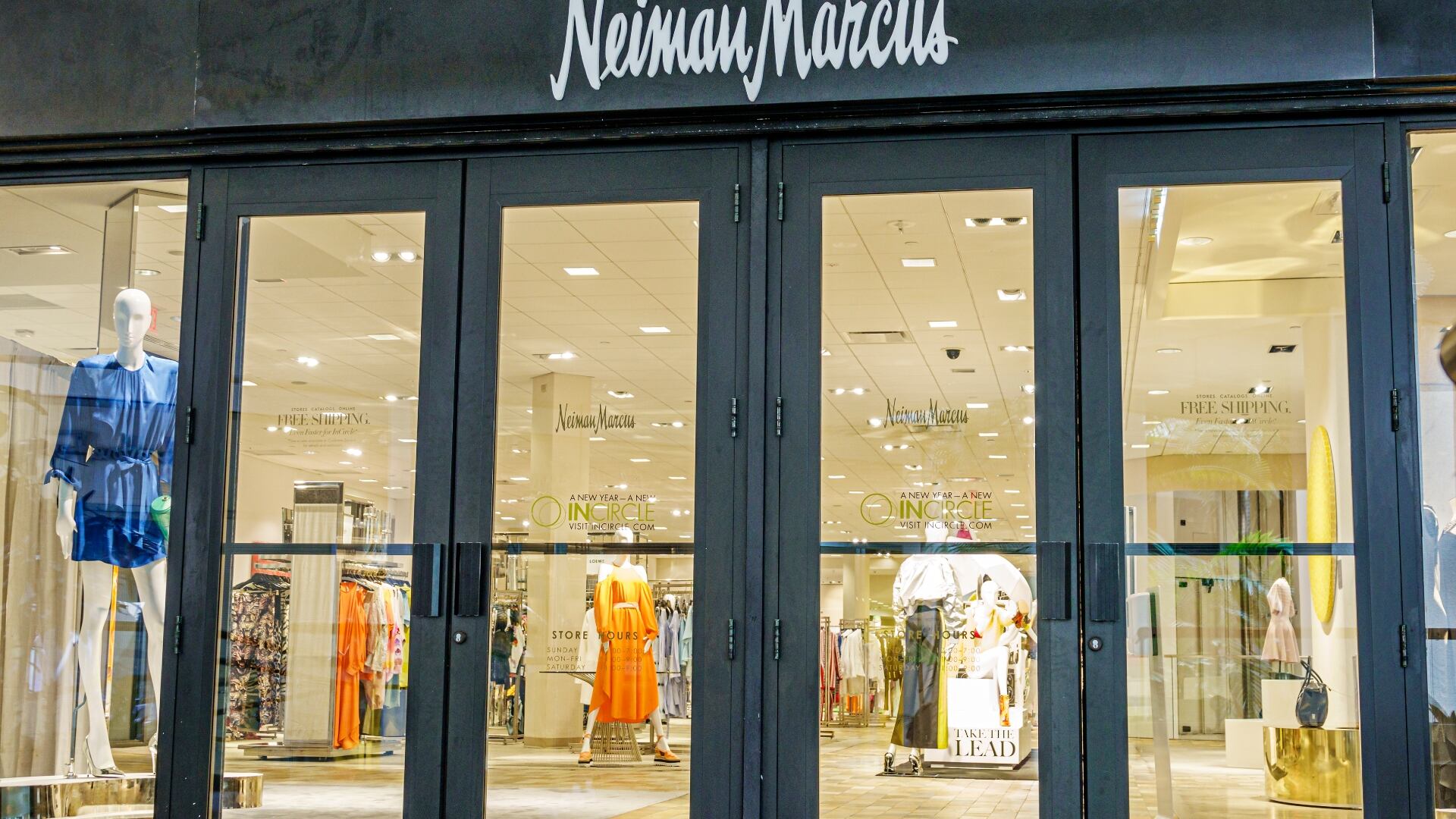
Neiman Marcus Group CEO Geoffroy van Raemdonck talks luxury shopping and TikTok, why the company prefers to be private for now, and the benefits of flexible work arrangements.
Rebecca Walser, founder and CEO of Walser Wealth Management, discusses how geopolitical conditions, the bifurcated economy, and other volatility could weigh on markets.