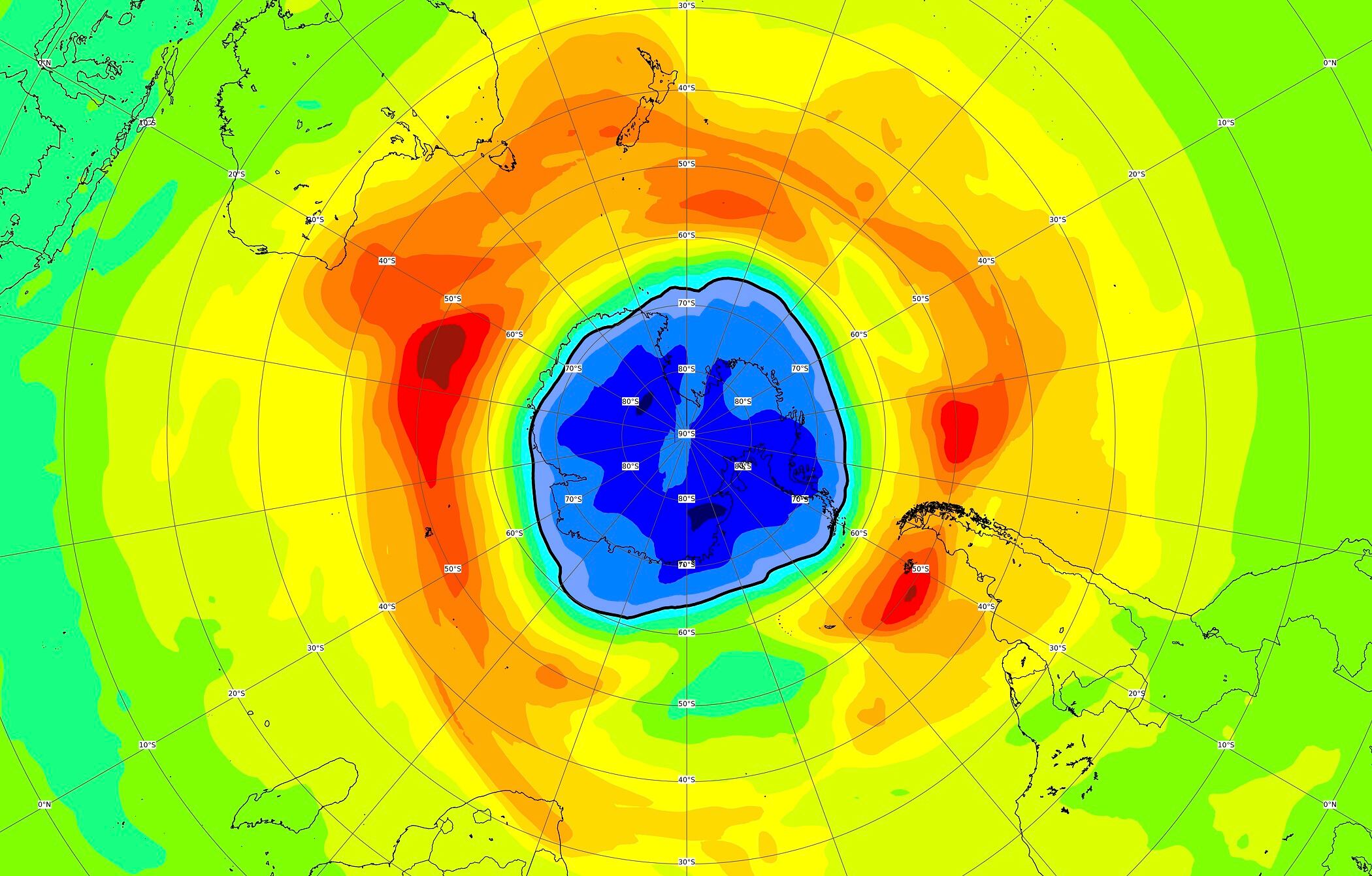
Scientists say the hole in the Earth’s protective ozone layer over the Southern Hemisphere is larger than usual this year and already surpasses the size of Antarctica.
The European Union’s Copernicus Atmosphere Monitoring Service said Thursday that the so-called ozone hole, which appears every year during the Southern Hemisphere spring, has grown considerably in the past week following an average start.
“Forecasts show that this year´s hole has evolved into a rather larger than usual one,” said Vincent-Henri Peuch, who heads the EU's satellite monitoring service.
“We are looking at a quite big and potentially also deep ozone hole,” he said.
Atmospheric ozone absorbs ultraviolet light coming from the sun. Its absence means more of this high-energy radiation reaches the Earth, where it can harm living cells.
Peuch noted that last year's ozone hole also started out unremarkably but then turned into one of the longest-lasting ones on record.
The Montreal Protocol, signed in 1987, led to a ban on a group of chemicals called halocarbons that were blamed for exacerbating the annual ozone hole.
Experts say that while the ozone layer is beginning to recover, it's likely to take until the 2060s for the ozone-depleting substances used in refrigerants and spray cans to completely disappear from the atmosphere.
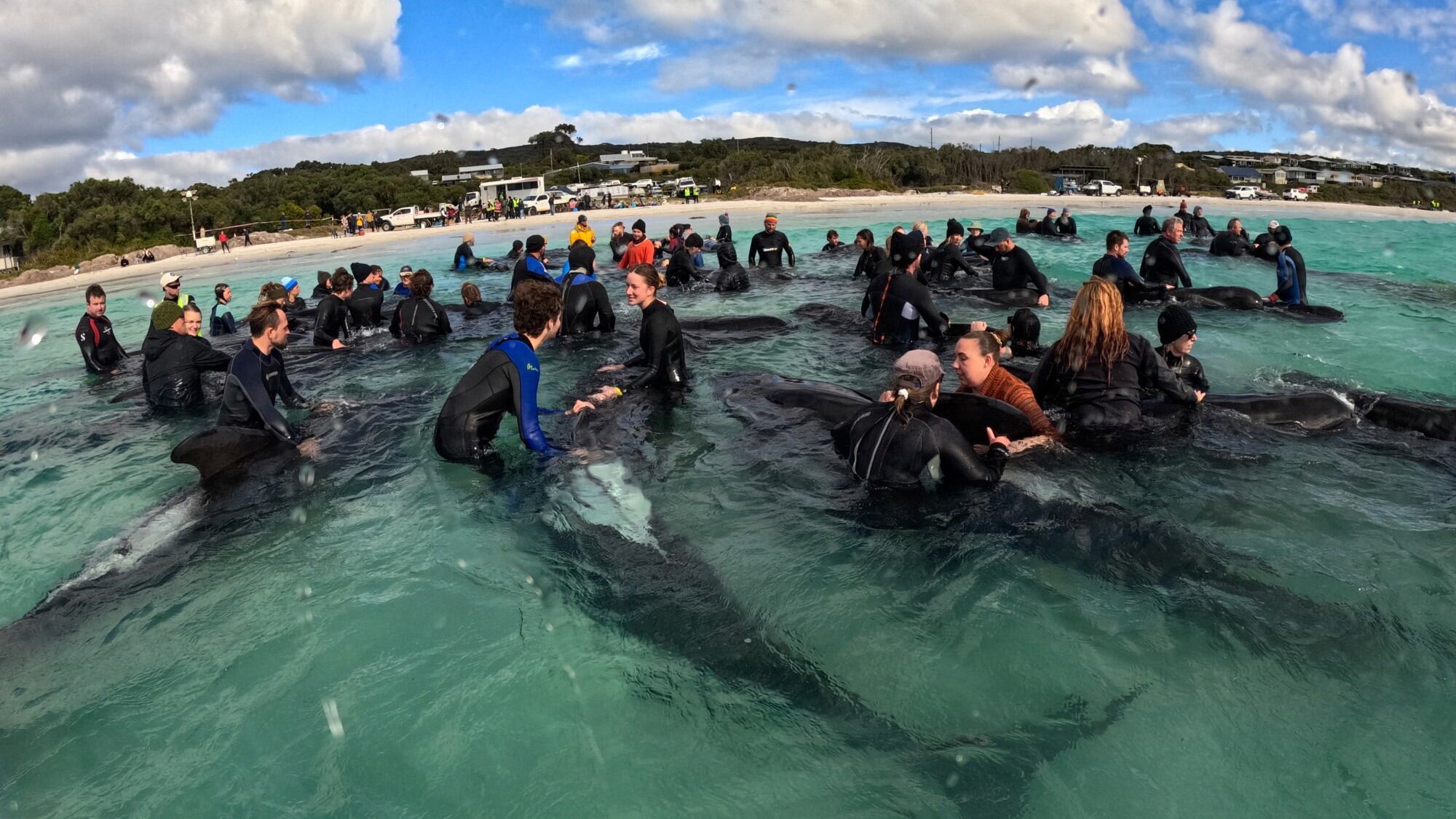
Volunteers worked frantically on a second day Wednesday to save dozens of pilot whales that have stranded themselves on a beach in Western Australia, but more than 50 have already died.
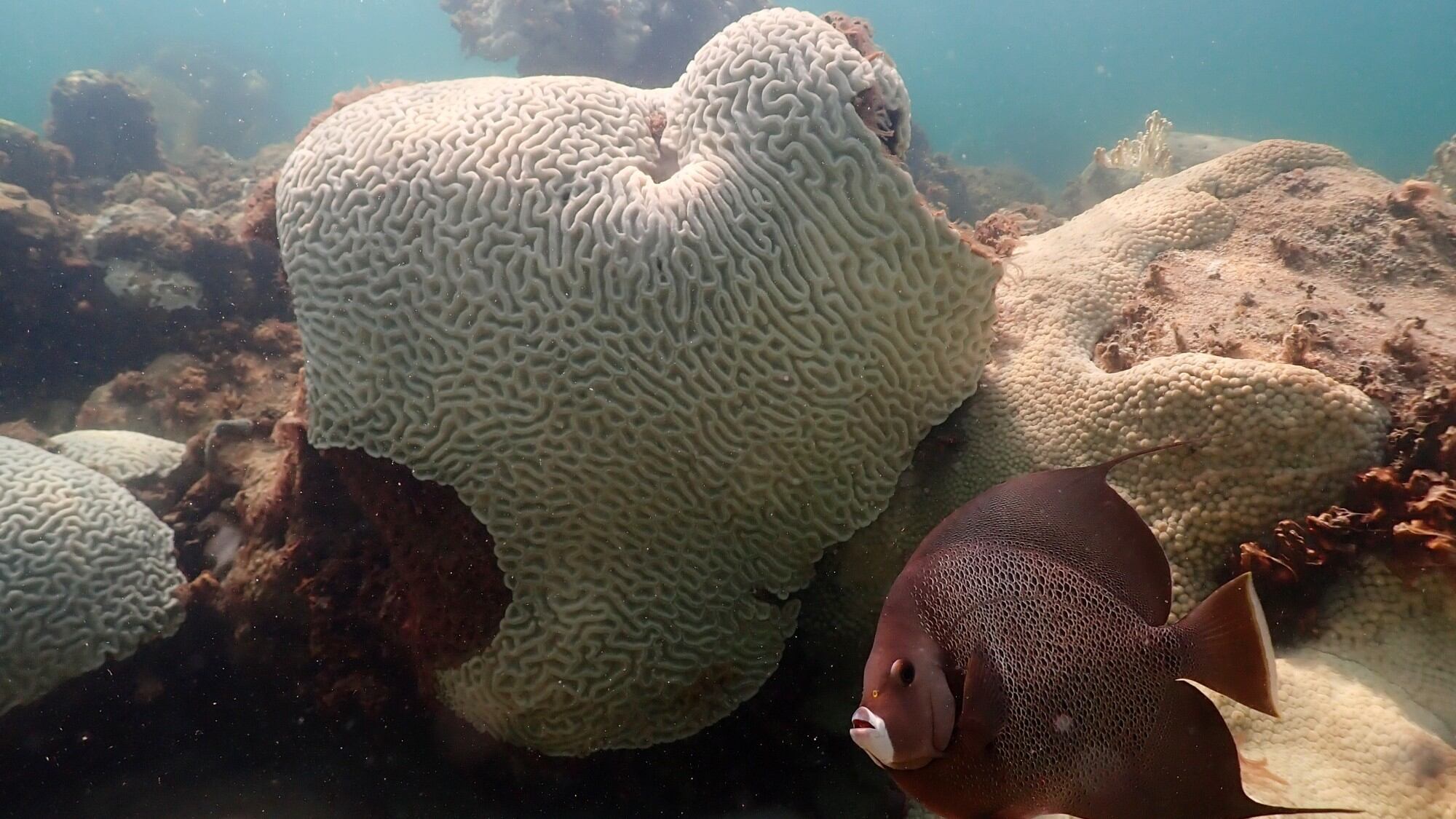
The water temperature on the tip of Florida hit hot tub levels, exceeding 100 degrees (37.8 degrees Celsius) two days in a row. And meteorologists say that could potentially be the hottest seawater ever measured, although there are some issues with the reading.
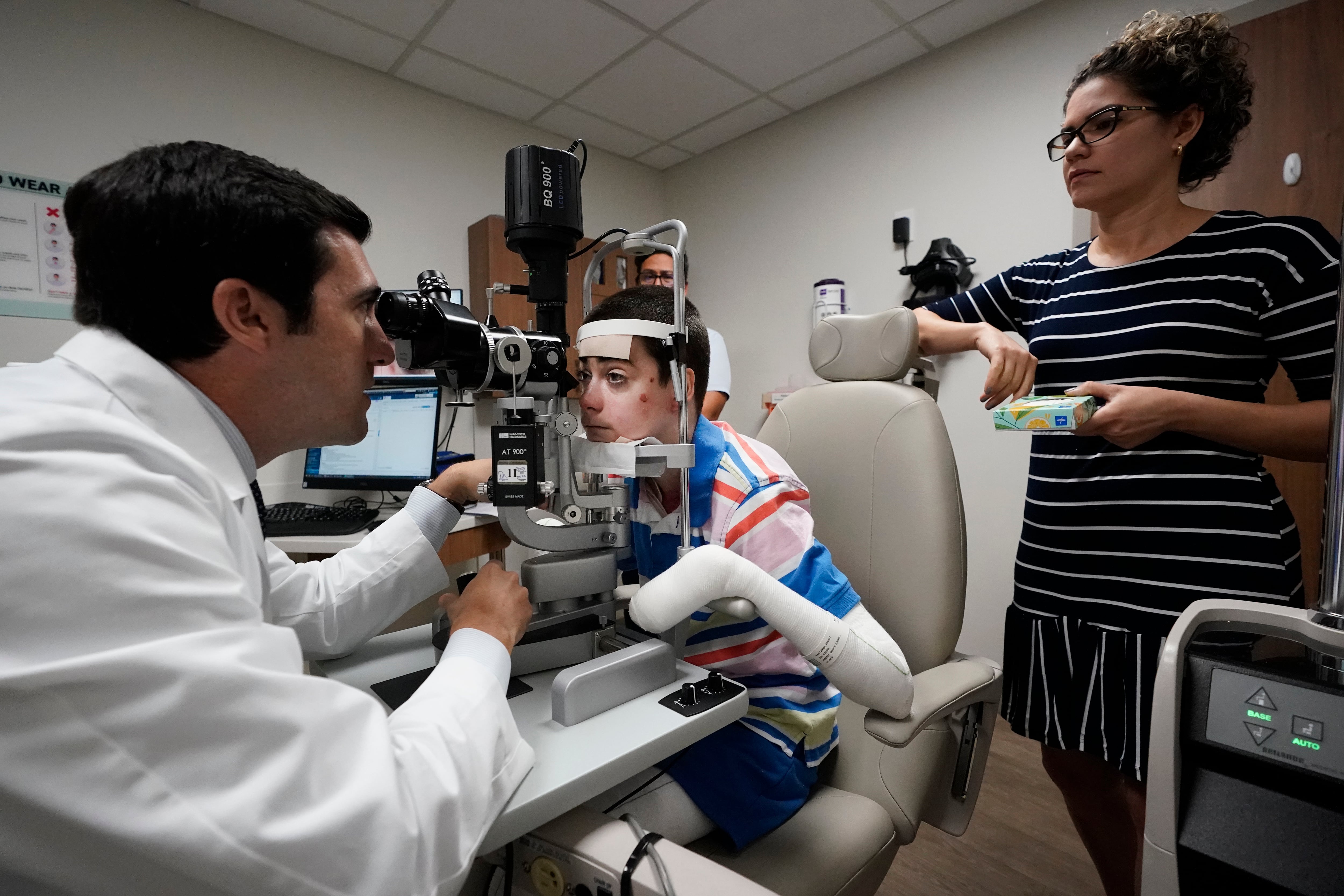
A teenage boy who has been blind for most of his life has been cured due to new gene therapy treatments.
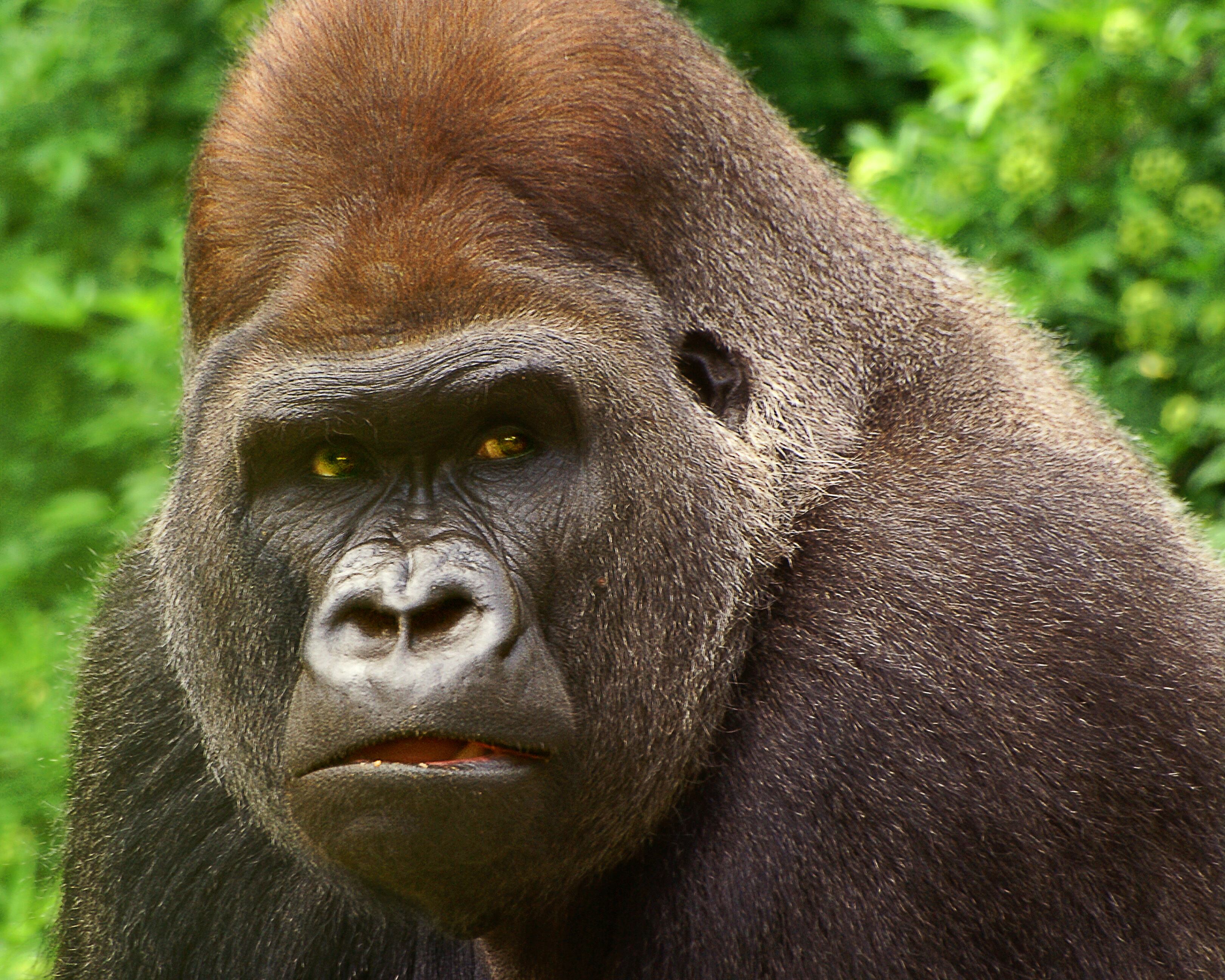
A gorilla thought to be a male gave birth at a zoo in Ohio.
A new study showed a depression diagnosis during adulthood could more than double the risk of getting dementia later in life.
A teen in Cuba who's been legally blind can now see again thanks to new gene therapy treatments.
Plastic-Free July is being observed to highlight the use of plastic and its effects. Cheddar News' Michelle Castillo gave up using single-use plastic for the day and spoke with Kathyrn Kellogg, founder of Going Zero Waste, to get her take.
Be Well: How to Use Your Own Body Weight to Build Strength
Cheddar News checks in with a coast-to-coast forecast of the weather for Tuesday, July 25, 2023.
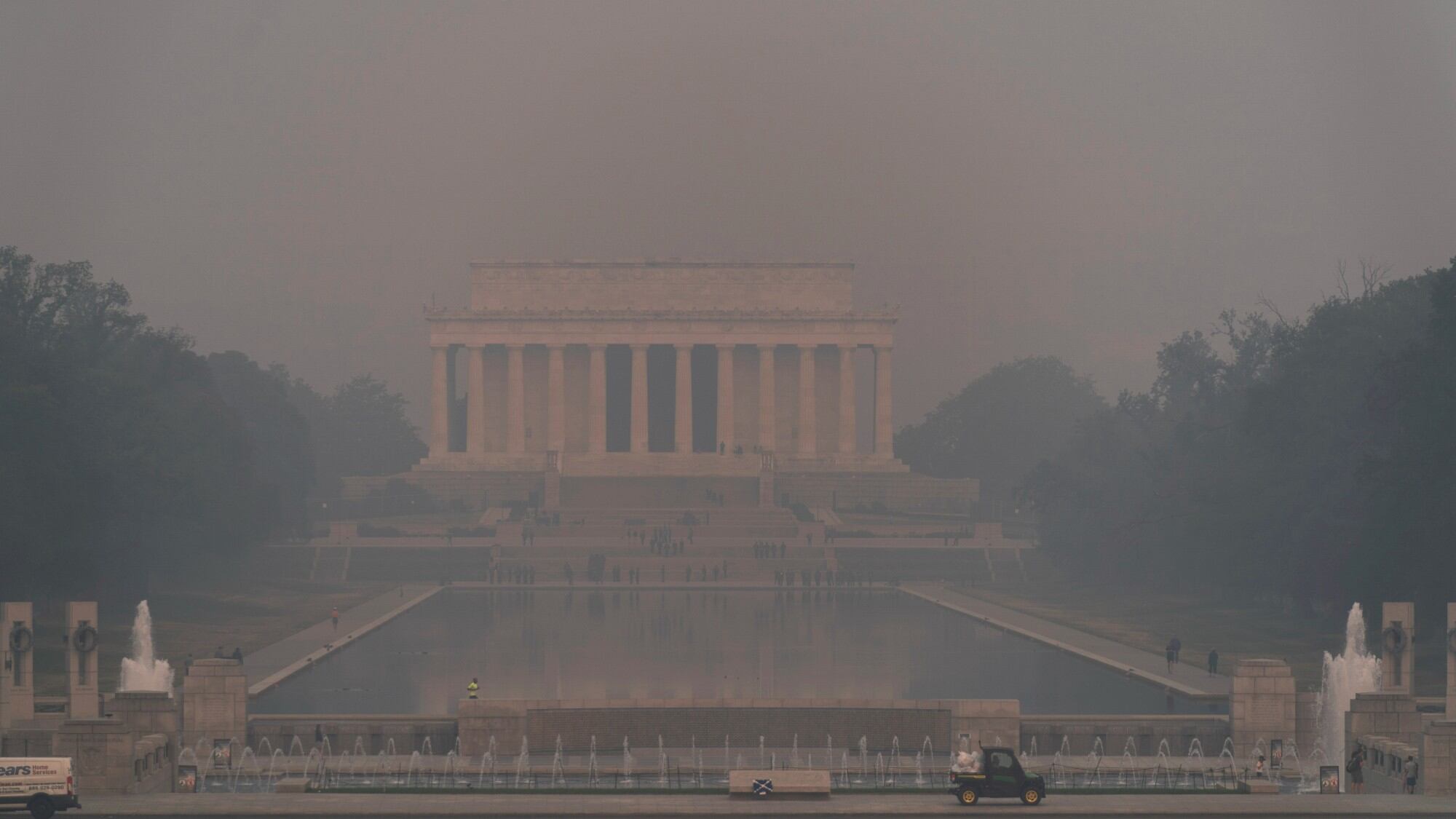
Wildfires burning in Canada continue to bring smoke south into the U.S with air quality alerts in effect across the Midwest and upper Great Lakes.