Overstock CEO on Blockchain: 160 Industries Could be Disrupted
Overstock.com became the first major retailer to accept cryptocurrency in 2014 when bitcoin was trading under $500. Now, the company is tripling down on its bitcoin bet. Patrick Byrne, CEO of Overstock.com, was with us to explain the future of blockchain.
The Overstock.com CEO expresses why he is so bullish on blockchain. Byrne believes we can "remake society" using the technology. He believes that what the internet did to publishing, blockchain will do to 160 industries. When it comes to picking individual cryptocurrencies, Byrne is agnostic. He shares that he does not favor bitcoin over any of the others.
Wall Street has been hesitant to accept bitcoin. Byrne says it is appropriate to move cautiously and thinks firms have been reasonably defensive. He does, however, add that those who take the risk will be rewarded.
Catriona Campbell, CTIO, UK and Ireland, EY, joins Cheddar News to discuss how business leaders can bridge the gap between their technology investments and their aspirations, and breaks down the human aspects of A.I.
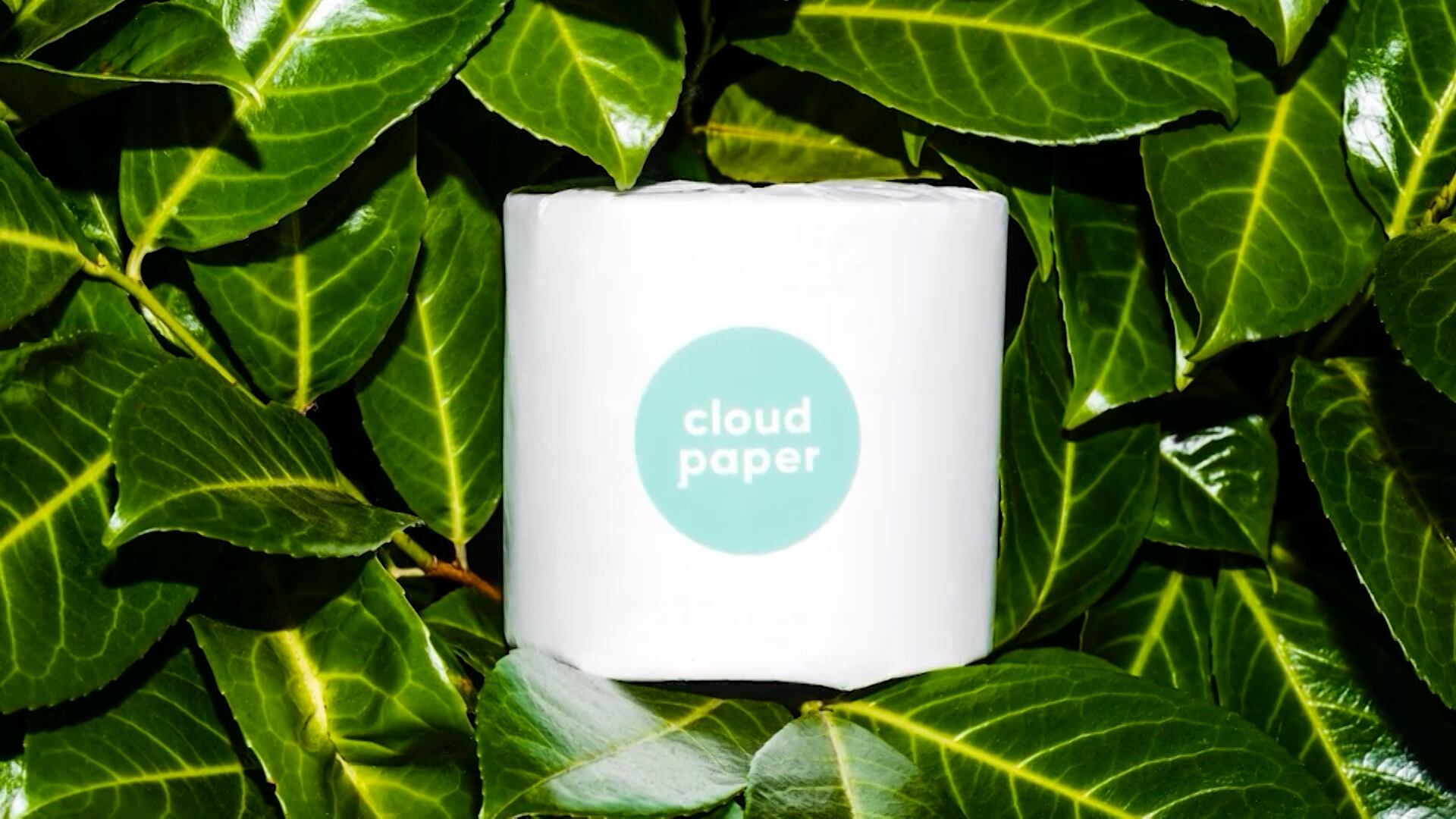
Bamboo-based toilet paper company Cloud Paper raised $5 million in a recent funding round. Its product is a bamboo-based alternative to traditional toilet paper made from trees, and its mission is to end the deforestation caused by traditional paper products. Cloud Paper says the raise will allow it to make significant investments in its supply chain, product development, and hiring. Ryan Fritsch, a co-founder of Cloud Paper, joined Cheddar News' Closing Bell to discuss.
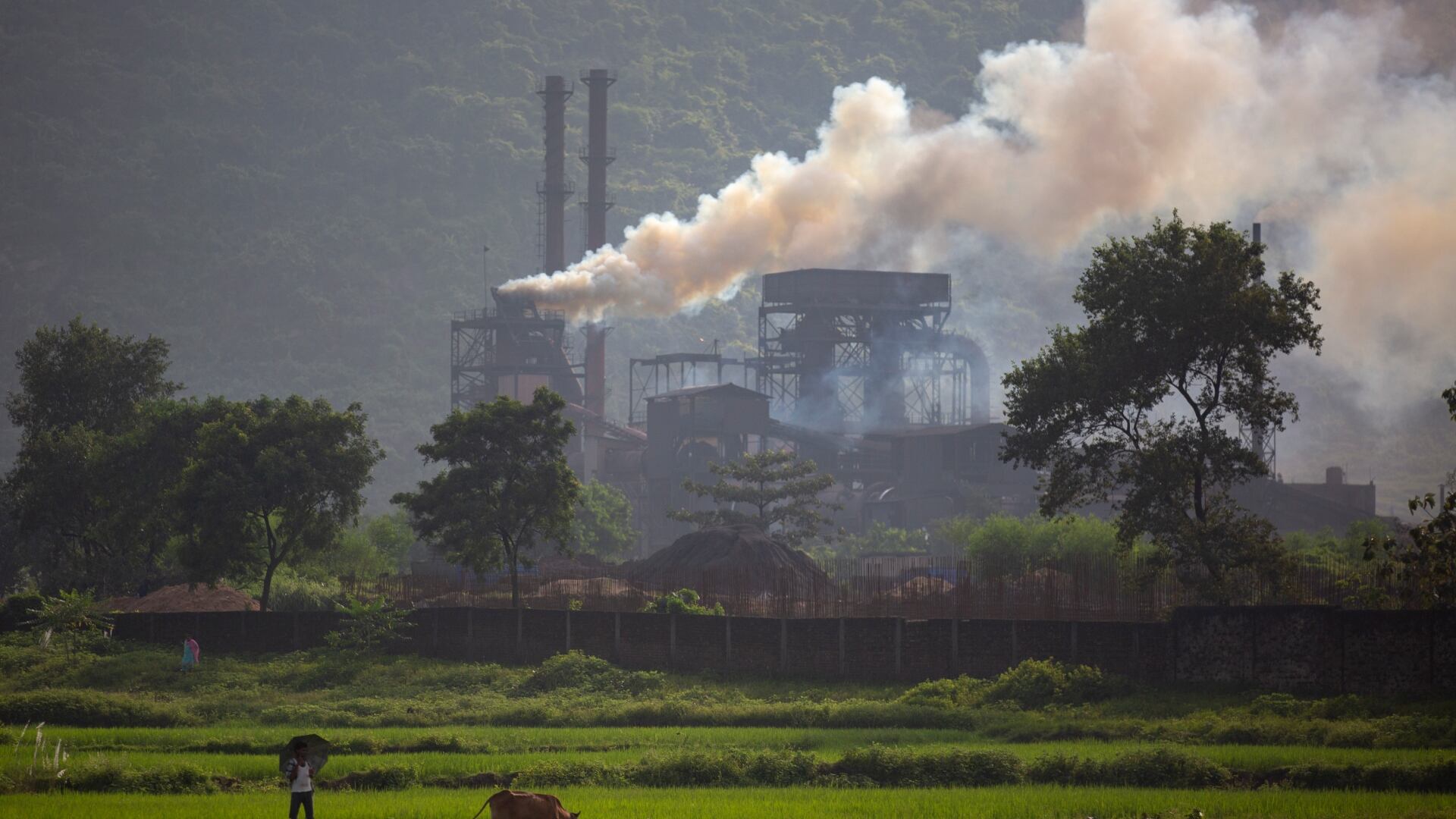
The Biden Administration has now issued new guidelines when it comes to carbon capture. The new guidelines handed down this week encouraged the widespread use of climate attacks that traps and stores carbon emissions. The goal here is the process would help keep carbon out of the atmosphere without requiring a whole lot of change by big companies and manufacturing plants. Several scientists say that this method would be crucial to help us decrease the use of carbon emissions by the year 2050. Professor of Civil and Environmental Engineering at Stanford University, Mark Jacobson, joined Cheddar to discuss more.