Oregon State University warned people on campus Tuesday not to open any food delivery robots because of a bomb threat.
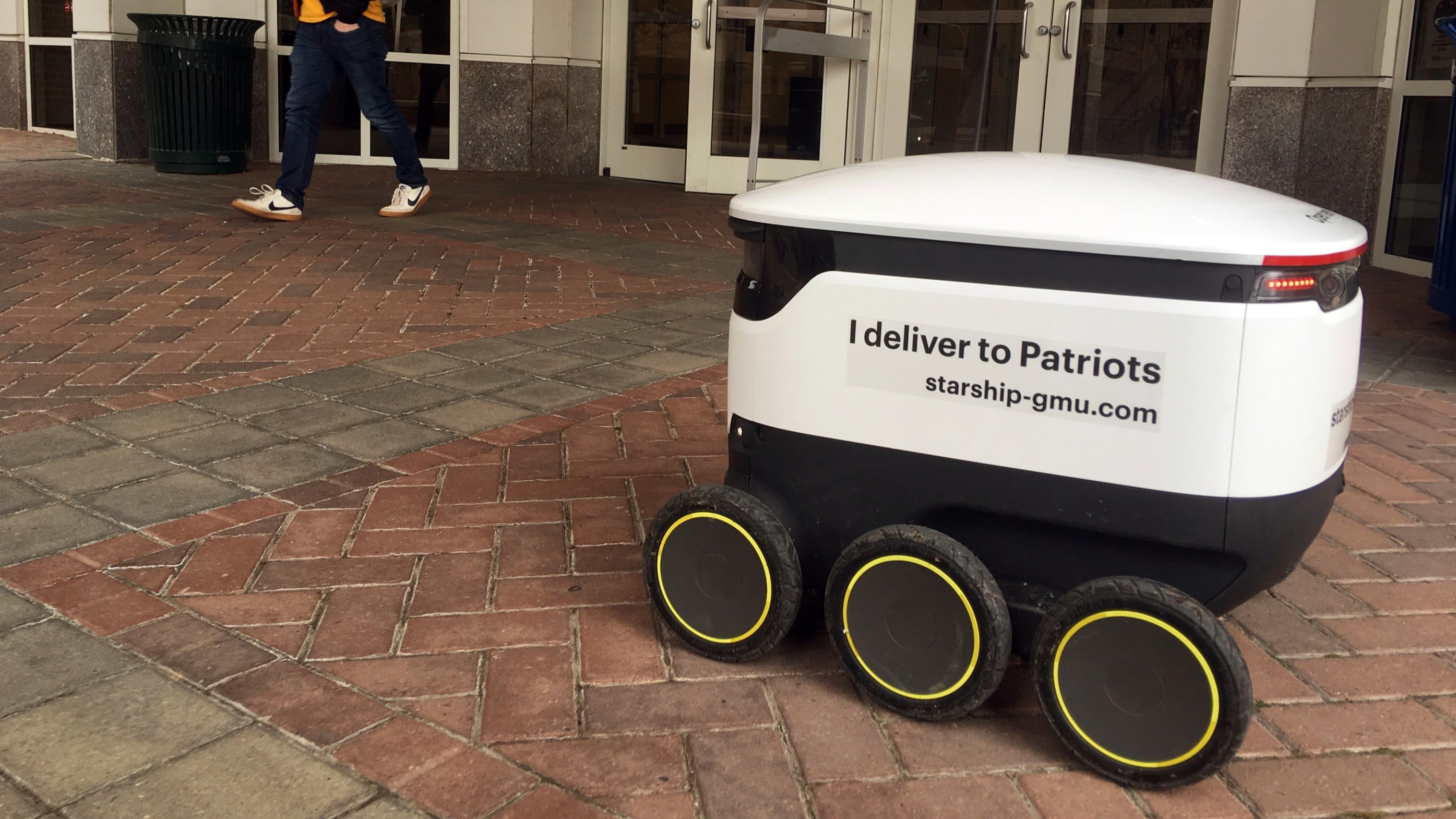
University officials at the Corvallis, Oregon, campus at lunchtime sent out what they called an urgent alert on X, formerly known as Twitter, that there was a bomb threat in Starship food delivery robots.
“Do not open robots,” the post said. “Avoid all robots until further notice.”
The post said campus public safety officials were responding.
The university said about an hour later that the robots had been isolated in a safe location and that technicians were investigating. Campus public safety's investigation is ongoing.
The Associated Press has sent messages to the university seeking more information. A spokesperson for the Corvallis Police Department said their department is not involved in the investigation.
About 20 small Starship delivery robots began bringing food orders to students, staff, and faculty, in 2020, KOIN-TV reported.
“You unlock it, get your food and then off it goes to get sanitized and prepare for another delivery,” Kerry Paterson, director of OSU’s residential dining and university catering, told the news outlet at the time.
San Francisco-based Starship Technologies said on X earlier this month that the robots had rolled onto nearly 50 college campuses in the U.S., serving over 1 million students.
Starship Technologies didn't immediately respond to an email seeking comment.
Updated October 24, 2023 at 4:53 p.m. ET with the latest details.