Oregon Secretary of State Shemia Fagan has stepped down shortly after apologizing for accepting a payment of $10,000 per month from a consultancy firm for a marijuana company. While Fagan initially resisted state Republicans' calls for her to resign, she conceded on Tuesday that the situation was distracting from her work.
“While I am confident that the ethics investigation will show that I followed the state’s legal and ethical guidelines in trying to make ends meet for my family, it is clear that my actions have become a distraction from the important and critical work of the Secretary of State’s office,” Fagan said in a statement. “Protecting our state’s democracy and ensuring faith in our elected leaders — these are the reasons I ran for this office. They are also the reasons I will be submitting my resignation today.”
As the Russia's invasion of Ukraine continues, medical experts are worried conditions in active warzones will exacerbate the current pandemic — or even give rise to other contagions. Dr. Daniel Fagbuyi, a war veteran and former Obama administration biodefense appointee, joined Cheddar News to discuss the ongoing danger of COVID-19 on top of the war, as well as the potential for new variants to emerge. "I mean just large volumes of people definitely is a breeding ground. That's the worst case," he said. "Two things don't mix: war-conflict and a virus, a potential pandemic virus."
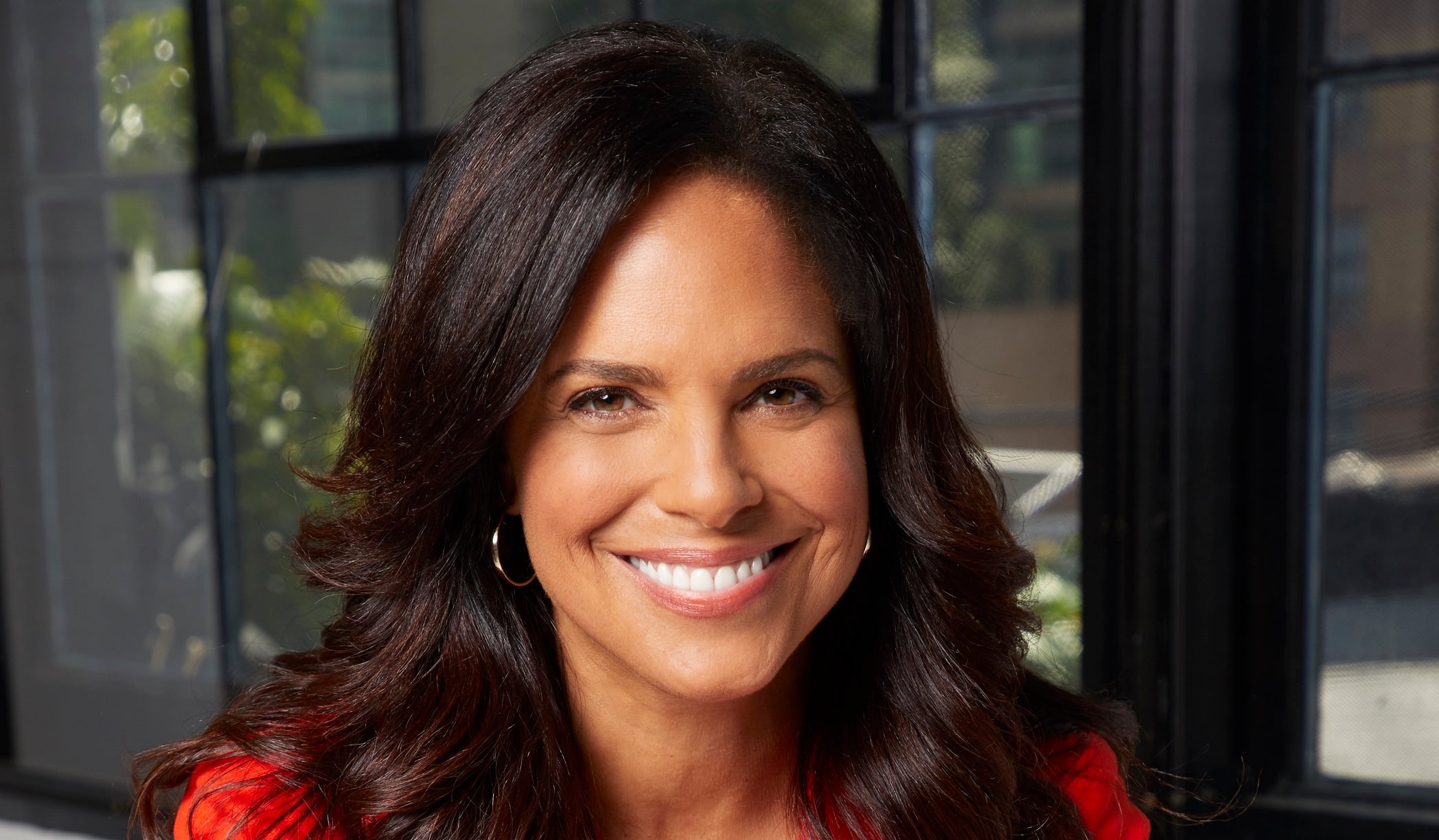
Award-winning journalist, entrepreneur, and host Soledad O'Brien spoke to Cheddar about empowering women through her own podcast on financial literacy this Women's History Month.
Six House lawmakers are calling on Meta to stop paid ads from Chinese news companies that push Russian misinformation regarding the war in Ukraine. Matt Skibinski, General Manager, NewsGuard Technologies joins Cheddar to discuss the role of social media in this war.
Reva Shakkottai, Senior Vice President and financial advisor at RBC Wealth Management, joins Cheddar News' Closing Bell, where she elaborates on factors besides Wednesday's Fed decision that led to gains across the major indexes on Thursday, including new home construction and jobless claims data.
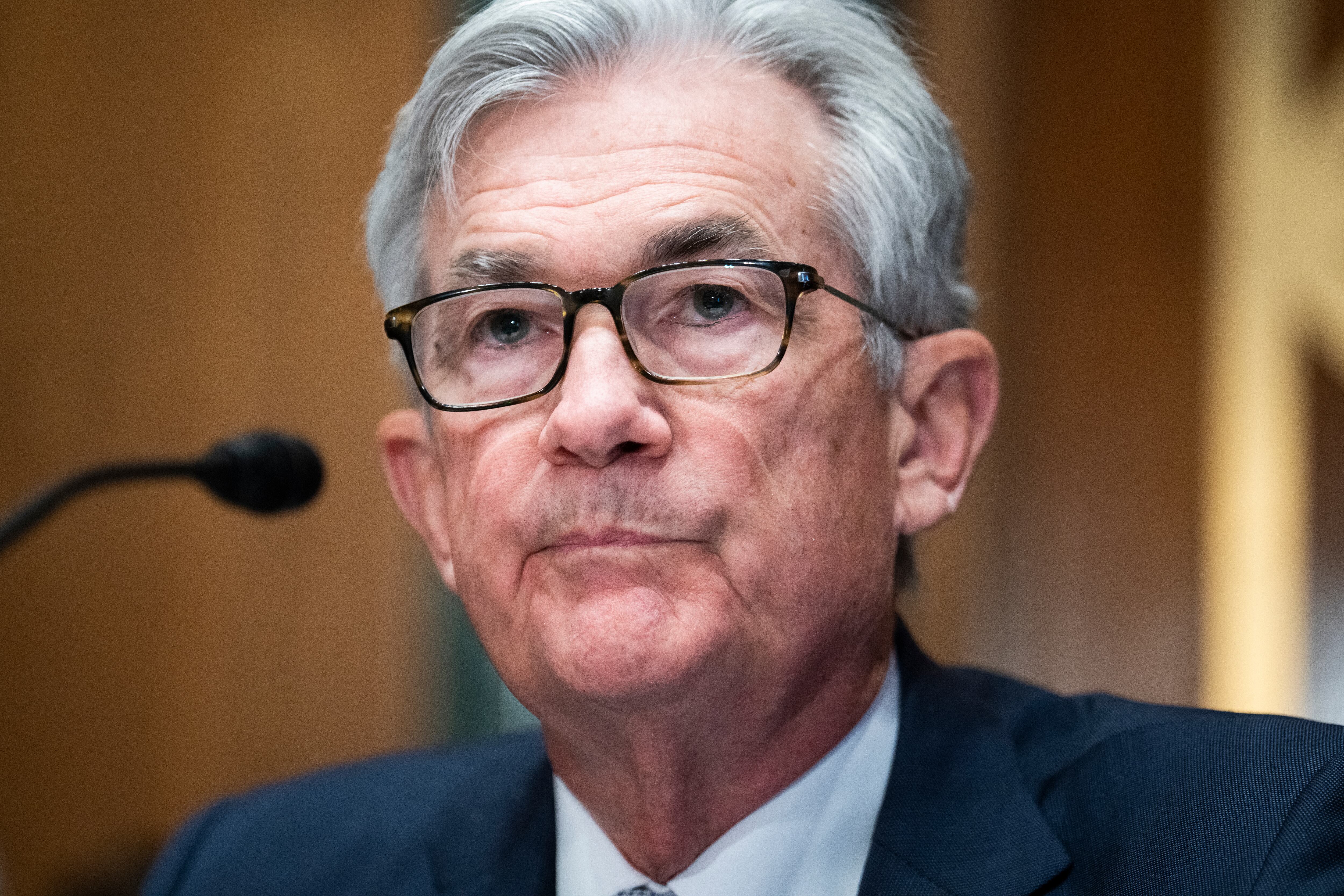
Art Hogan, Chief Market Strategist at National Securities, joins Cheddar News' Closing Bell, where he breaks down Fed Chair Jerome Powell's speech following the U.S. central bank's decision to raise rates and explains why Powell's comments move the markets more than the Fed decision itself.
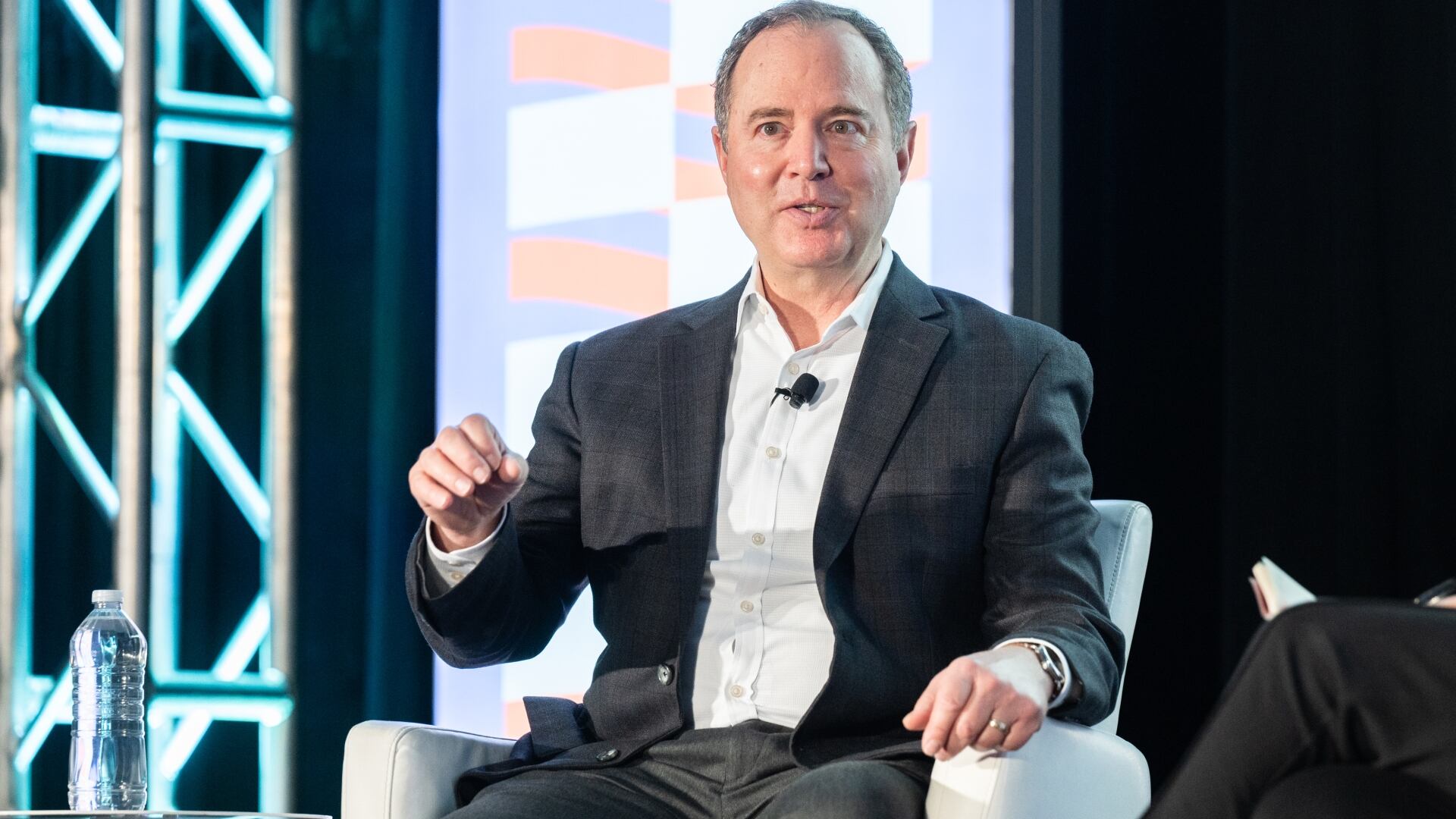
Representative Adam Schiff (D-Calif. 29th District) joined Cheddar News at South By Southwest to discuss the variety of sanctions that the United States has placed on Russia since its invasion of Ukraine began last month and the impacts they are having both domestically and abroad. With rising gas prices, especially in states like California, Schiff noted that the American people are willing to make sacrifices in order to uphold their values and suggested that crisis may be a warning to shift away from fossil fuels. "At the end of the day though, this ought to be a wake up call that we need to stop our reliance on this oil economy and move to renewable sources of energy," he said. Schiff also explained his remarks about the January 6 commission investigating those closest to former President Trump and touched on a disturbing case in San Francisco where the police department used rape kit samples to ID a murder suspect.
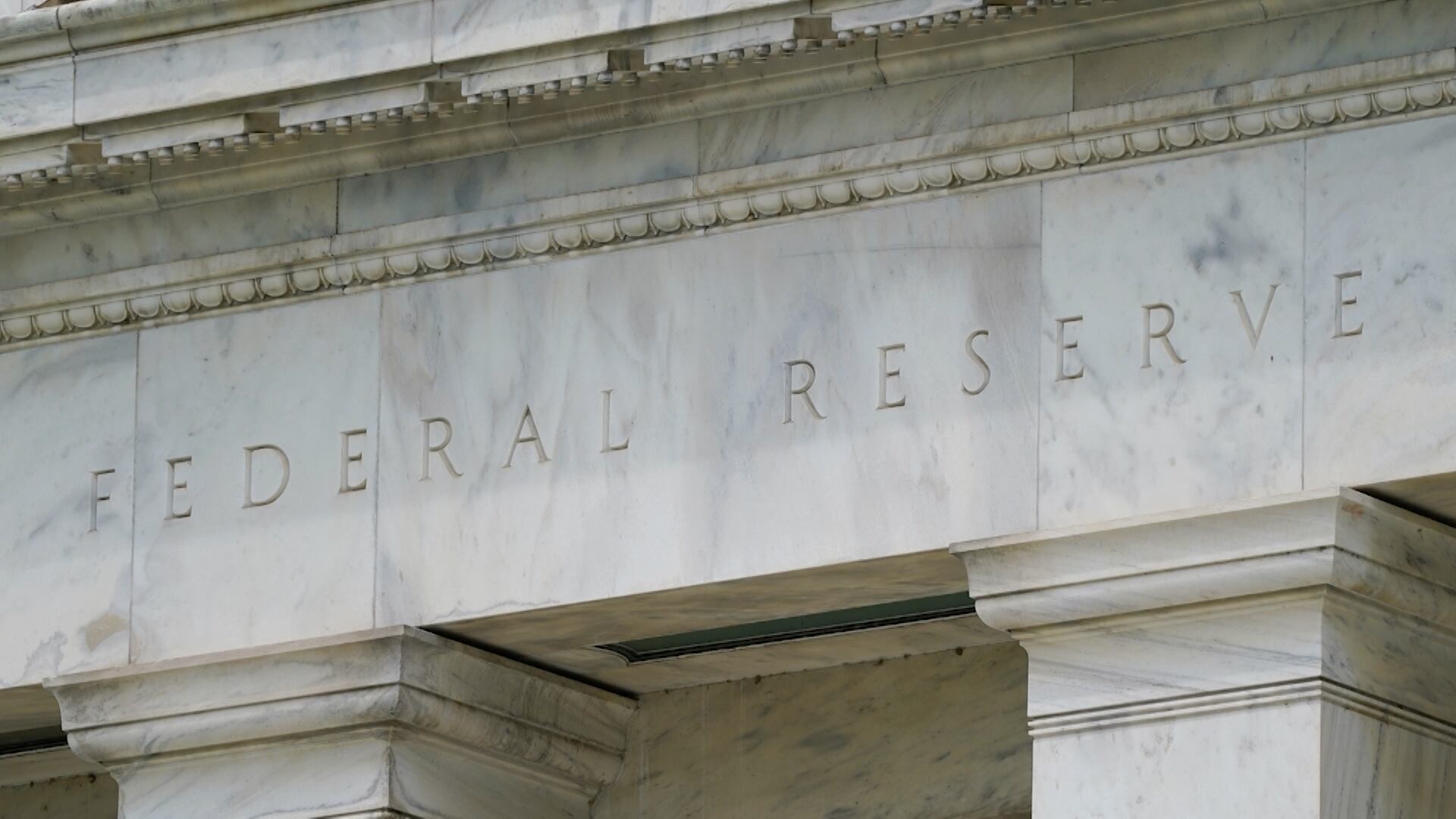
Markets opened lower as the Federal Reserve announces plans to hike interest rates by a quarter point, while signaling six additional rate hikes later this year. Gary Schlossberg, Global Strategist, Wells Fargo Investment Institute, joined Cheddar's Opening Bell to discuss.
Apple's Racial Equity and Justice Initiative is a $100 million program aimed at combating systemic racism while working to advance racial equity across the country. Alisha Johnson, director of the initiative, joined Cheddar at SXSW to discuss the work being done. "We focused on three critical areas. The first is education. The second is criminal justice reform, and the third is economic empowerment, really looking first in our own supply chain, how can we really increase our spend with Latinx, Hispanic, and indigenous-owned businesses," she said. "And then how can we go further to empower entrepreneurs who have been cut out of access to funding and capital and really help them to get the funding."