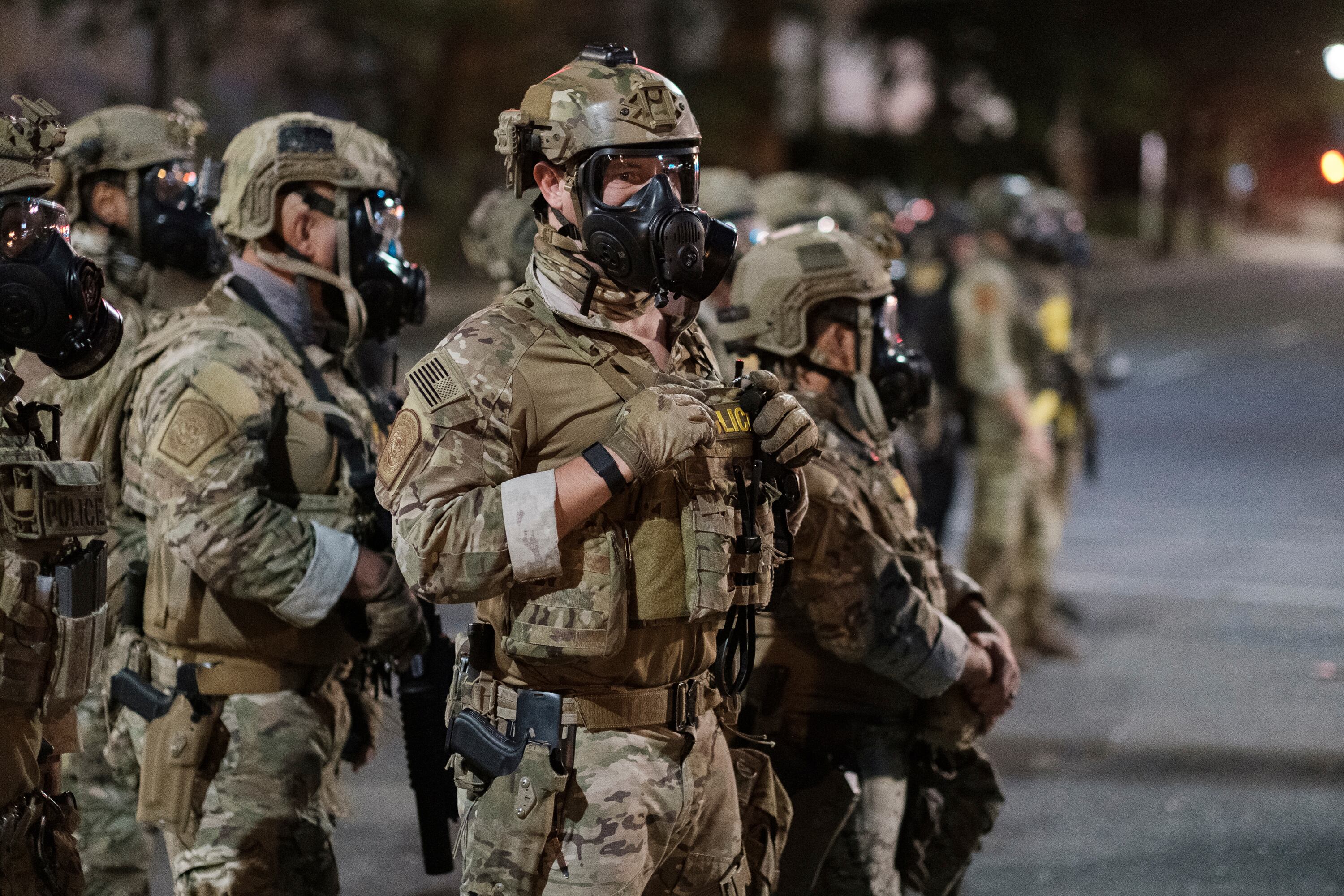
In this photo provided by Doug Brown, agents from different components of the Department of Homeland Security are deployed to protect a federal courthouse in Portland, Ore., Sunday, July 5, 2020. Protesters who have clashed with authorities in Portland are facing off not just against city police but a contingent of federal agents who reflect a new priority for the Department of Homeland Security: preventing what President Donald Trump calls "violent mayhem." The agents clad in military-style uniforms include members of an elite Border Patrol tactical unit, and their deployment to protect federal buildings and monuments is a departure for an agency created to focus on threats from abroad. (Doug Brown via AP)
By Andrew Selsky and Gillian Flaccus
Federal agents in green camouflage uniforms have been taking into custody people in the streets of Portland, not close to federal property that they were sent to protect, in what the ACLU of Oregon on Friday said "should concern everyone in the United States."
"Usually when we see people in unmarked cars forcibly grab someone off the street we call it kidnapping. The actions of the militarized federal officers are flat-out unconstitutional and will not go unanswered," said Jann Carson, interim executive director of the American Civil Liberties Union of Oregon.
Oregon Gov. Kate Brown said President Donald Trump, who deployed Department of Homeland Security officers to Portland, "is looking for a confrontation in Oregon in the hopes of winning political points in Ohio or Iowa."
"Now he is deploying federal officers to patrol the streets of Portland in a blatant abuse of power by the federal government," Brown, a Democrat, said in a statement late Thursday.
Federal officers have charged at least 13 people with crimes related to the protests so far in Portland, Oregon Public Broadcasting reported Thursday. Some have been detained by the federal courthouse, which has been the scene of protests. But others were grabbed blocks away.
One video showed two individuals in helmets and green camouflage with "police" patches grabbing a person on the sidewalk, handcuffing them and taking them into an unmarked vehicle.
"Who are you?" someone asks the pair, who do not respond. At least some of the federal officers deployed in Portland belong to the Department of Homeland Security.
"Authoritarian governments, not democratic republics, send unmarked authorities after protesters," U.S. Sen. Jeff Merkley, D-Oregon, said in a tweet.
The Council on American-Islamic Relations Oregon chapter said in a statement: "We are now seeing escalating tactics with protesters being unlawfully detained by unknown Federal law enforcement entities."
On Thursday night, federal officers deployed tear gas and fired less-lethal rounds into a crowd of protesters in Portland, hours after the head of the Department of Homeland Security visited the city and called the demonstrators, who are protesting racism and police brutality, "violent anarchists."
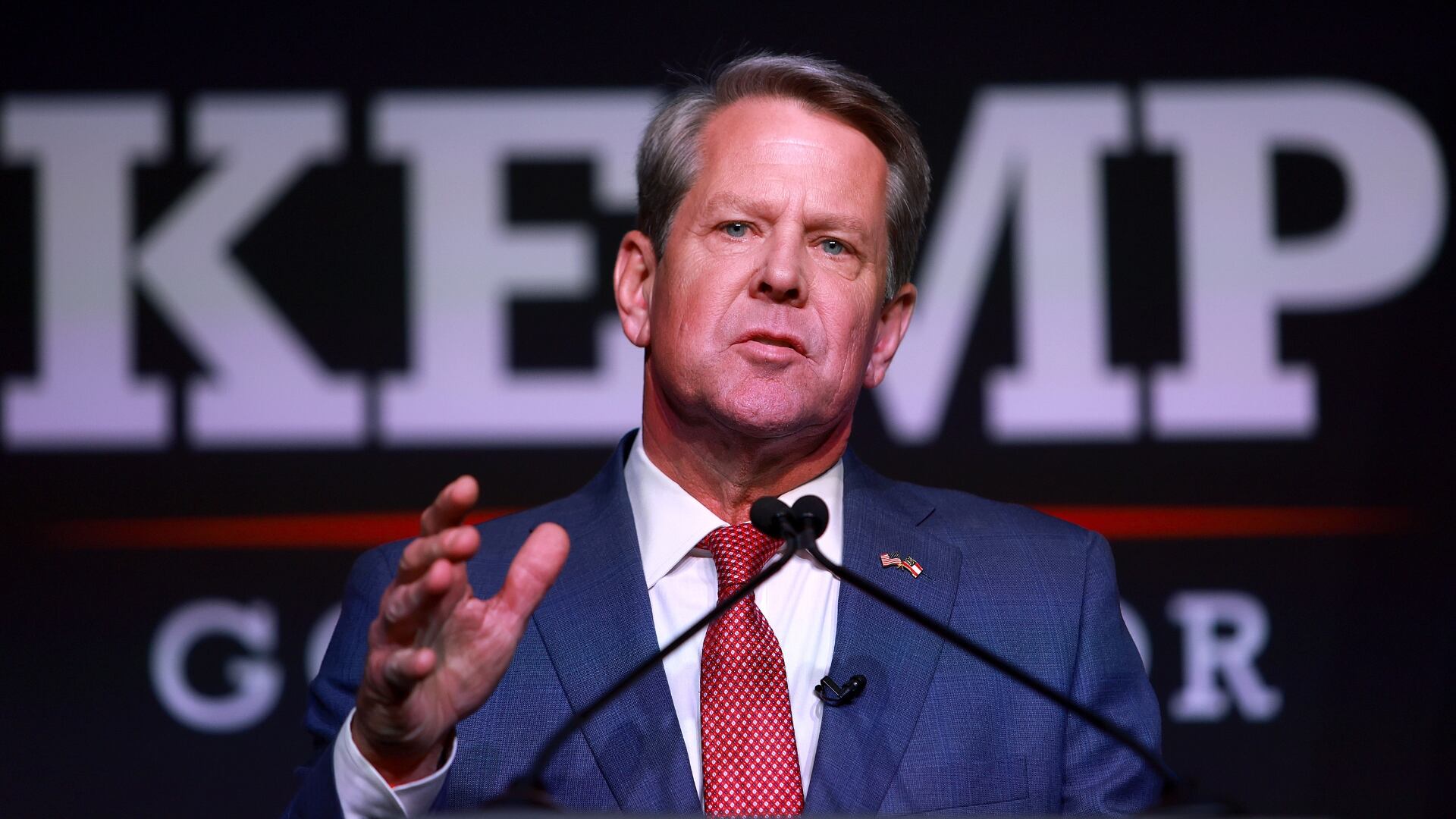
Cheddar Politics takes a deeper look at the takeaways from the Georgia primary elections on Tuesday. Georgia Public Broadcasting's local and state politics reporter, Stephen Fowler, joins us to discuss the limits of Trump endorsements and break down what the outcome in each race means.
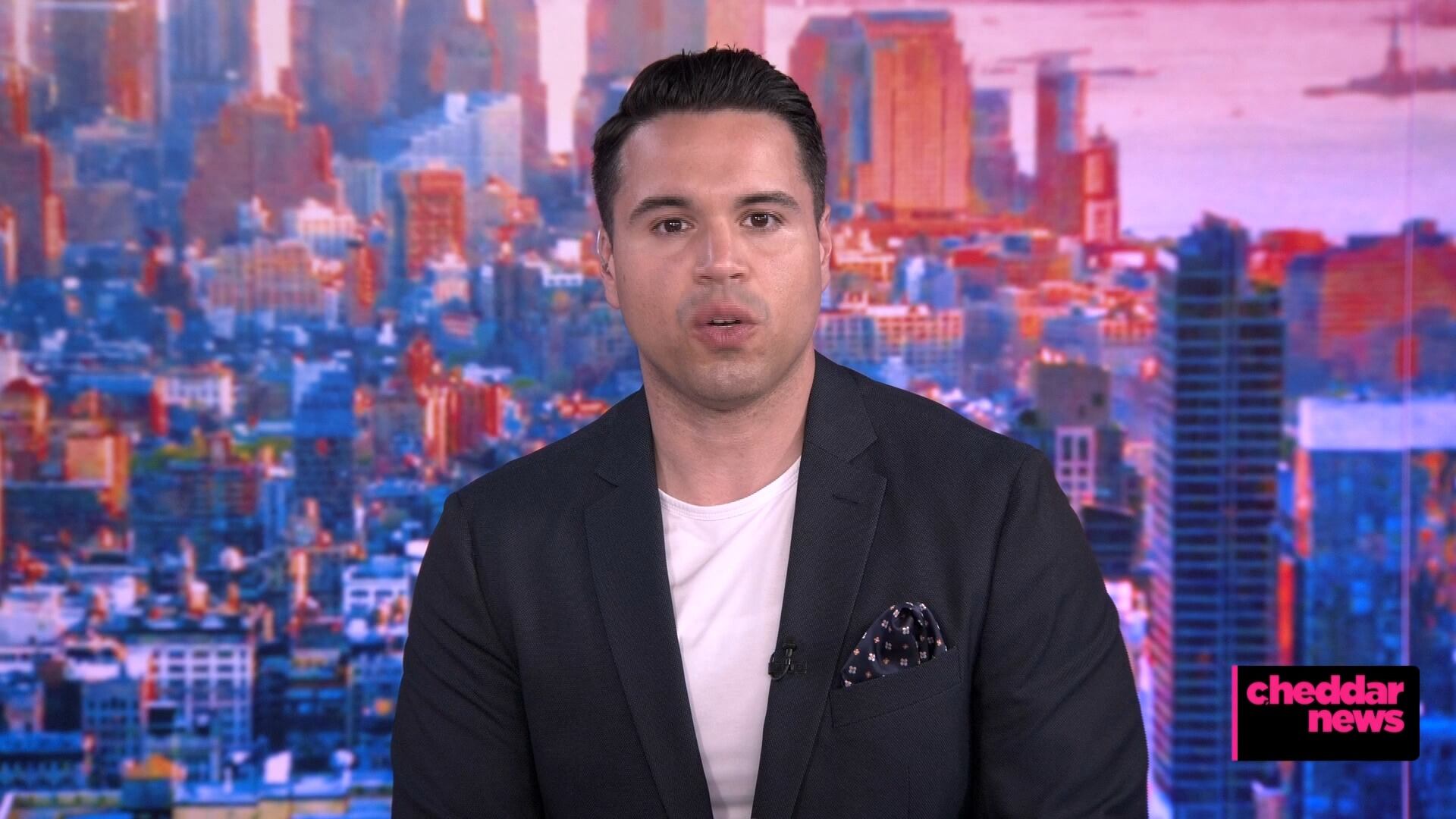
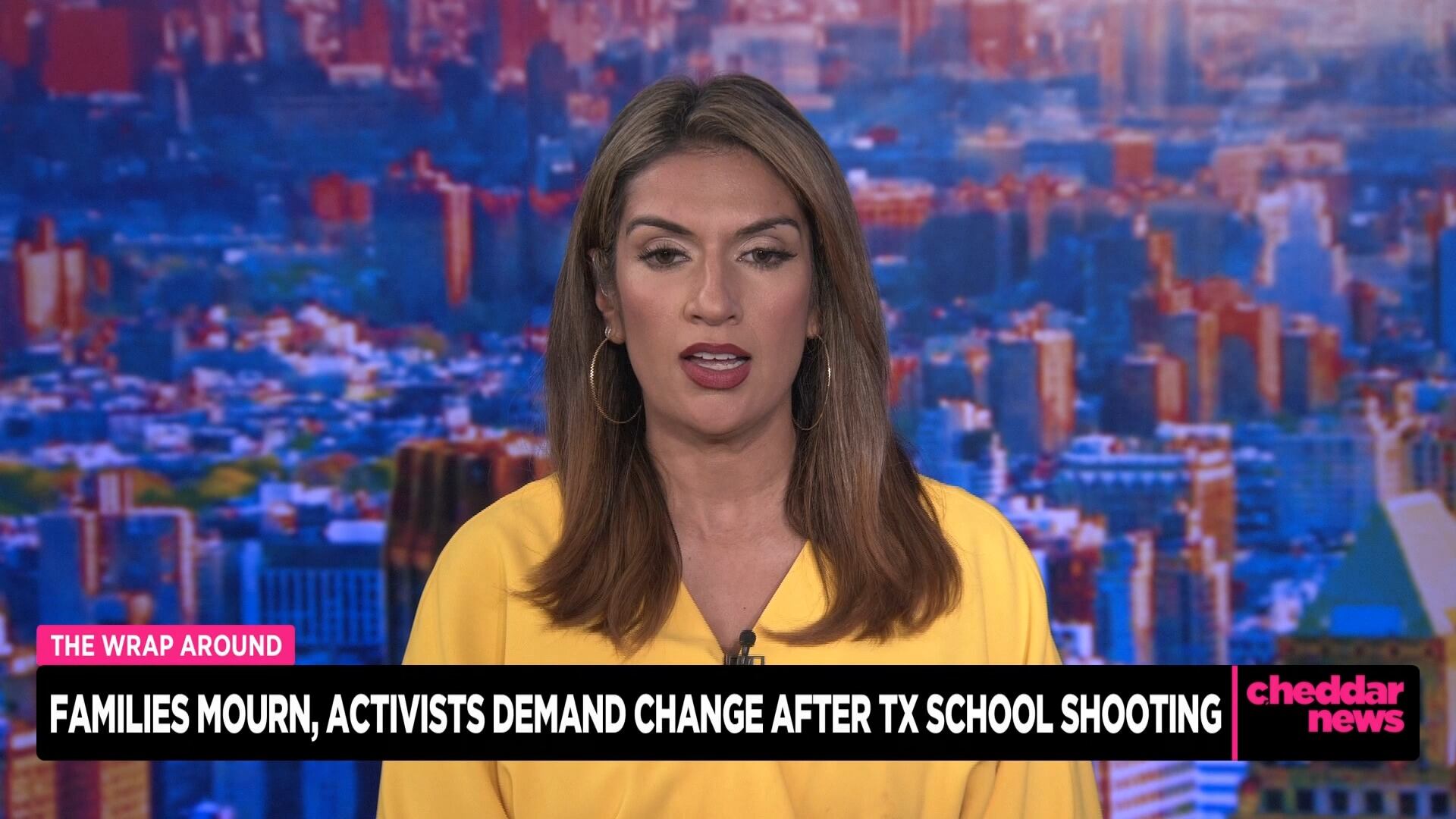
After learning that the suspect in the Uvalde school shooting posted about his intentions on Facebook, activists are urging social networks to make changes. Lena Derhally, a licensed psychotherapist and author of "The Facebook Narcissist," joined Cheddar News to discuss the role social media plays in school shootings. "They're not really invested in taking down hateful content," she said about social platforms."In regards to the shooting, it was 15 minutes before that actual threat. It would be pretty hard for a social media company to trace that threat that quickly. But what they can do better is take down threats and hateful content much faster and more than they're doing now."
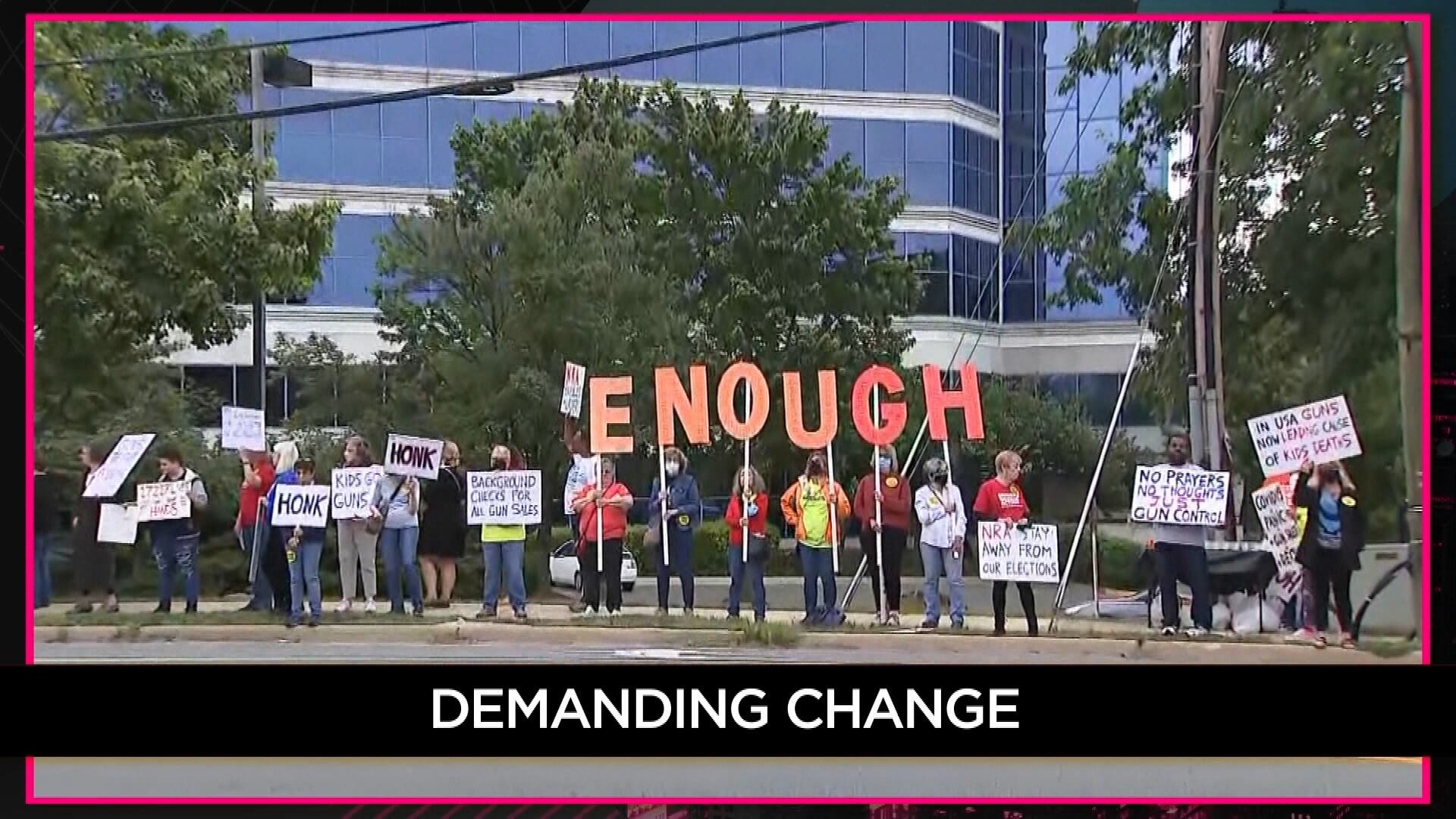
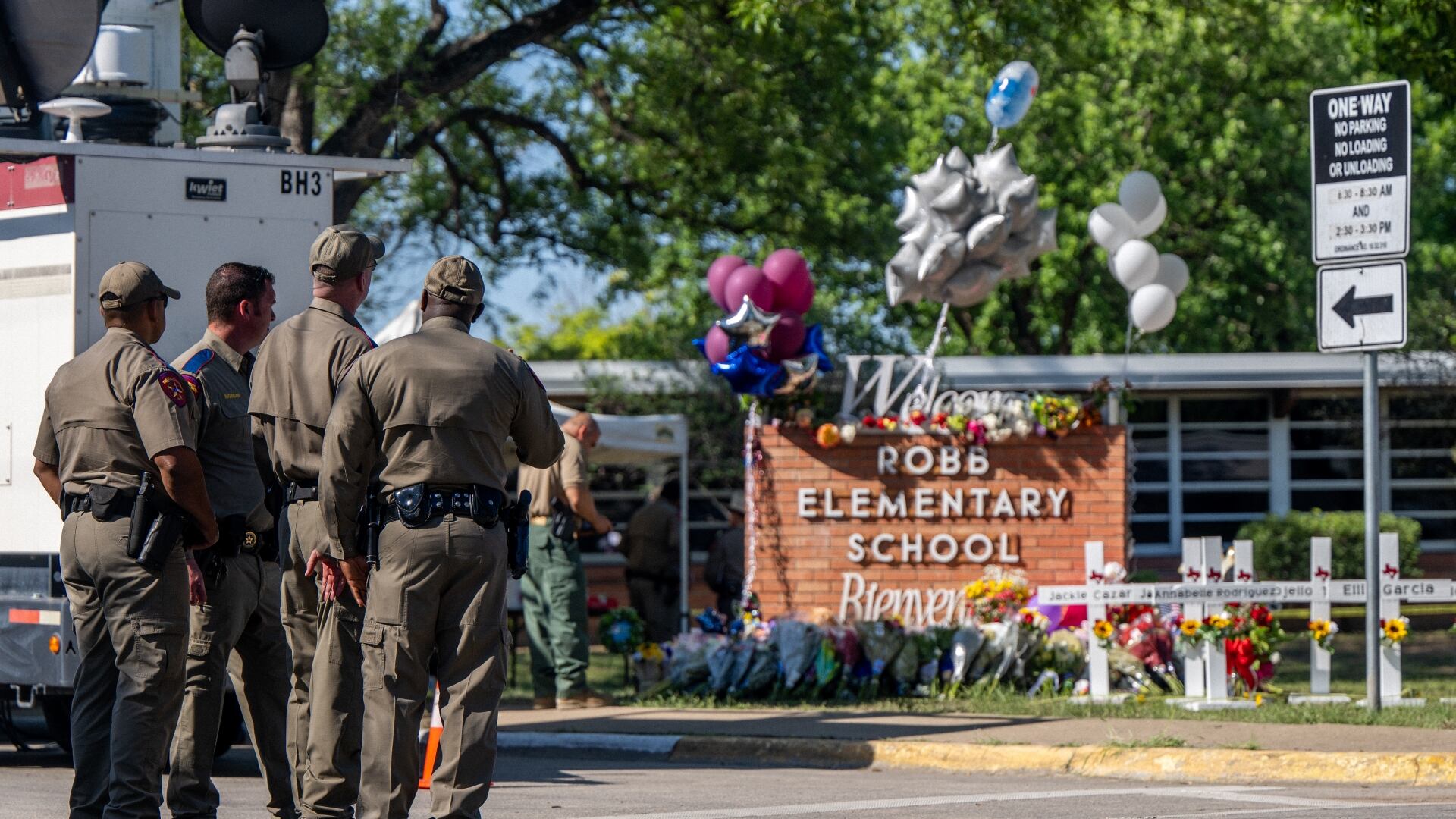
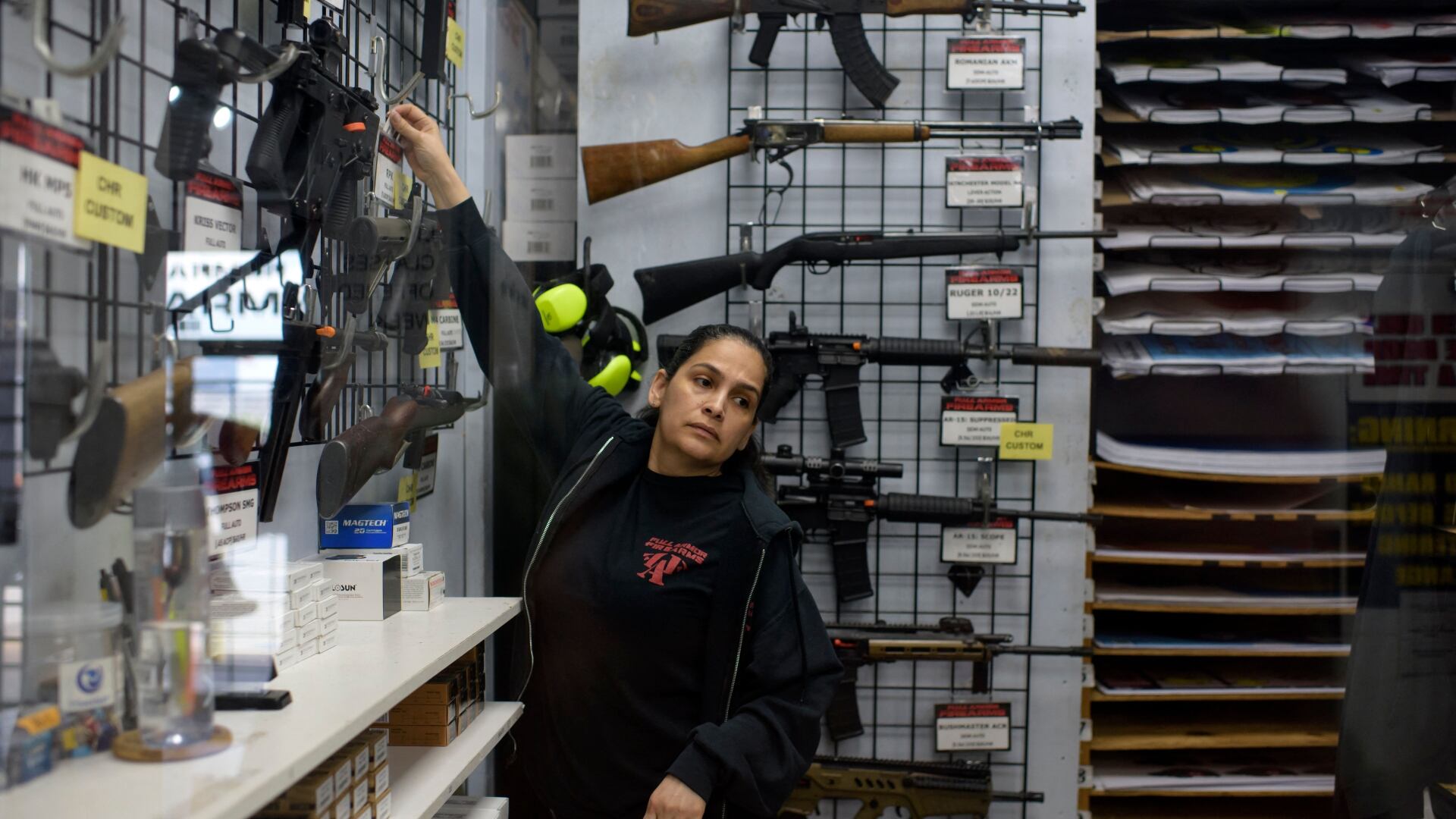
Following the mass shooting at the Robb Elementary School in Uvalde, Texas, that left 19 children and two adults dead, the debate over gun control has been reignited. While studies have shows most Americans agree on some additional regulations, there hasn't been much legislative traction even as gun violence worsens in the country. Brian Lemek, the executive director of Defend The Vote and the former executive director at Brady PAC for gun control, joined Cheddar to discuss reform efforts. "The lawmakers that we have aren't passing these at the federal level," he said. "That's the problem. We have the wrong people in charge."
The crypto industry is still reeling from Terra's recent crash. The company's blockchain was temporarily halted earlier this month after the collapse of its cryptocurrency Luna (LUNA) and its stablecoin TerraUSD (UST), which led to almost $45 billion being wiped from the tokens' market caps within a week. Now, many are left wondering what Terra's struggles mean for the broader crypto market. Reeve Collins, CEO of the NFT platform BLOCKv, joins Cheddar News' Closing Bell from Davos 2022 to discuss.
The average city in California has a 38% higher cost of living than the average American city, according to a cost of living index. For many, the general minimum wage of $15/hour just doesn't cut it. Anti-poverty activist Joe Sanberg wants to get the minimum wage changed to $18/hour. He joins Cheddar News to discuss the Living Wage Act of 2022.