Ahead of the November election, more than 17 million Americans have submitted ballots, despite President Donald Trump's continued claims that the process is illegitimate. In Oregon, residents have voted by mail for more than 20 years and according to Governor Kate Brown, the process is completely safe.
"We were the first state in the country [to vote by mail], and I will tell you we have one of the highest voter turnouts in the country because of the convenience and the accessibility of vote-by-mail," she told Cheddar, touting how the concept will likely stick around after the coronavirus pandemic.
For many voters, the 2020 election will be the first time they have ever submitted a paper ballot, but according to Brown, voting at home can do even more to ease the minds of Americans, particularly as it helps mitigate the spread of coronavirus and introduces them to how "non-hackable" the process is.
Now, Brown is rallying for Americans to trust the process, submit their votes as early as possible, and know that their vote counts.
"I literally won my first race for the statehouse by seven votes," she explained.
While Trump's U.S. Supreme Court nominee Amy Coney Barrett is likely to be confirmed, the 2020 election, Brown said, will determine the direction of American democracy.
"What is really, really, really clear is that when the fabric of our society is frayed. It's so important that the foundation of our democracy remains strong, and voting is a pillar of that democracy," she noted.
When it comes to voter registration, Brown said the process needs to be simplified to make it easier for Americans to take part in the political process. Earlier this week, a judge in Virginia extended voter registration after a cable was cut, taking down the entire voter registration website.
"By virtue of your citizenship, residency, and your age, you should be able to participate in this process," the governor said. "Oregon, again, leading the way with our automatic voter registration."
"We know that the democratic process is not a spectator sport. We need Americans participating."
Will Rhind, CEO of GraniteShares, joins Cheddar News' Closing Bell, where he says he believes the Fed's plans of increasing rates is taking its toll on some of the more speculative stocks and the technology market.
Mona Zhang, states cannabis policy reporter at POLITICO Pro joins Cheddar News to discuss major factors that caused Canada's retail marijuana sales to drop last year.
The January 6 committee has asked Ivanka Trump to give voluntary testimony, saying there's evidence she was in "direct contact" with her father on the day of the capitol insurrection. I's unclear whether she will comply with the invitation, but it marks the first time the House committee has sought testimony from a member of the former president's family. Bradley Moss, national security attorney, joined Cheddar News to discuss what the committee hopes to learn from Ivanka and what the Supreme Court's decision on Trump's Jan. 6 materials means for the investigation.
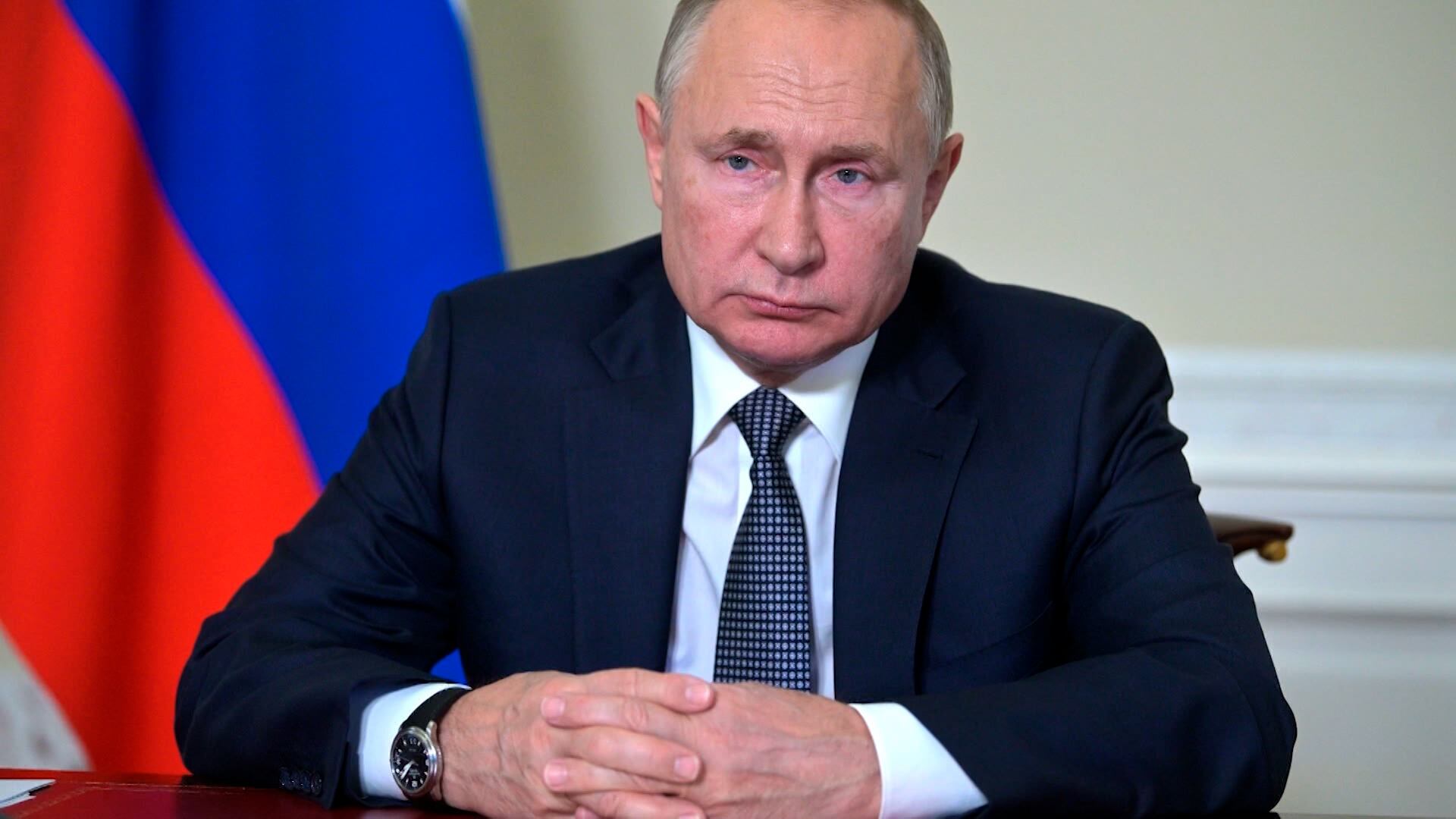
Terrell Jermaine Starr, senior fellow with the Atlantic Council and host of the Black Diplomats podcast joins Cheddar News to discuss Russia's attempt to invade Ukraine.
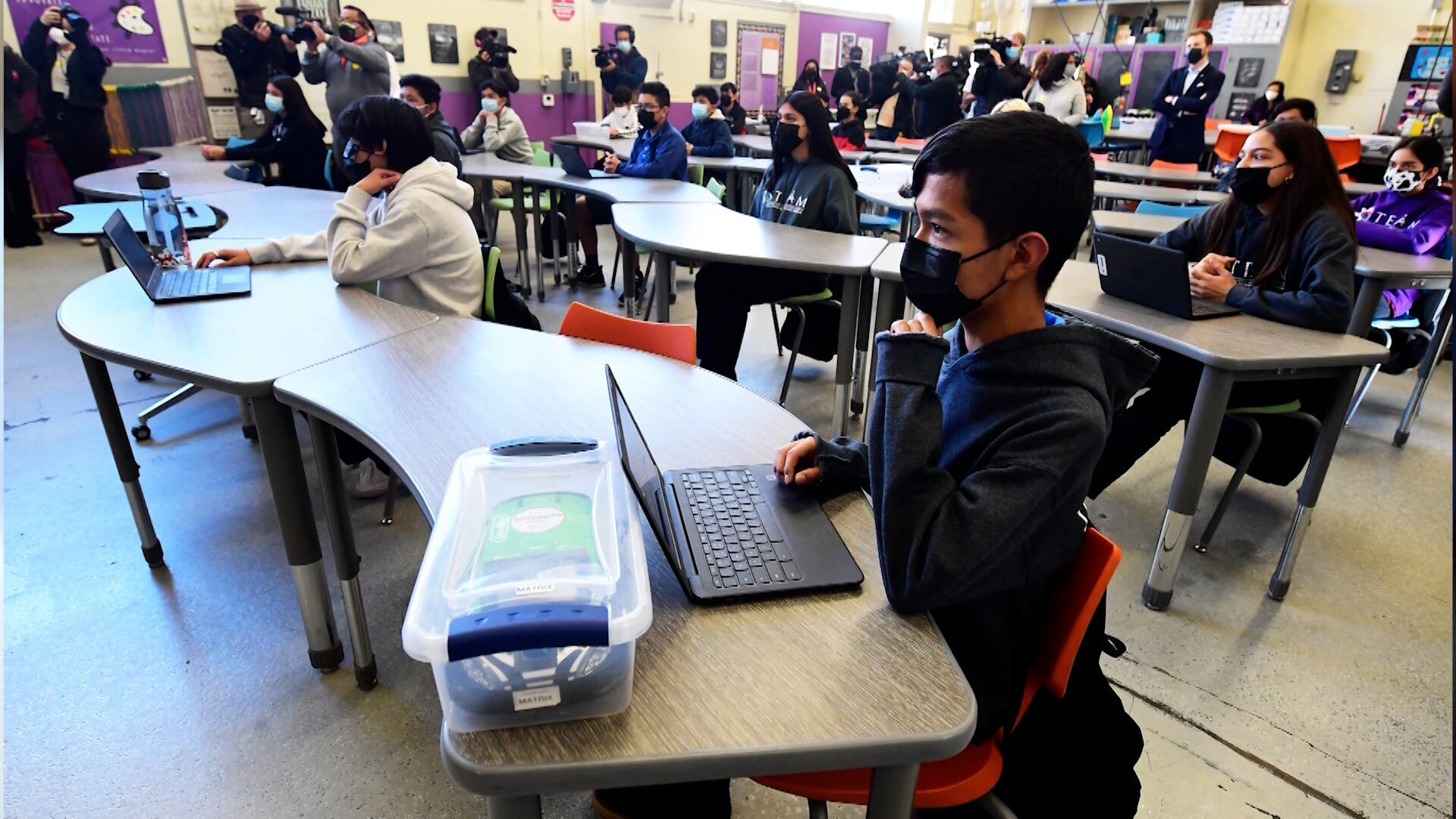
With an increasing number of teachers and staff calling out sick by the day, the state of Oklahoma is turning to an unusual solution. Republican Governor Kevin Stitt has issued an executive order that permits state employees to work as substitute teachers. Shaily Baranwal, founder and CEO of Elevate K-12, joins Cheddar News to discuss.
On Thursday, Secretary of State Antony Blinken addressed the stance of the U.S. and its allies should Russia make any forays into Ukraine, a seeming response to President Biden's remarks that should Putin engage in something short of a full invasion, there might be some indecision among allied nations regarding what to do. Ariel Cohen, a senior fellow at the think tank Atlantic Council, joined Cheddar to discuss the difficulty faced by Blinken wrangling unity as tensions run high in the region. "There'll be a smaller incursion, and the president implied, there'll be a weaker response because our European allies have created this horrible situation where they are dependent on Moscow for their gas supply," Cohen explained.
During a nearly two-hour press conference on Wednesday, President Biden spoke on his accomplishments and challenges from the first year of his presidency, and what his administration hopes to accomplish in the coming year. However, his approval ratings are underwater as COVID remains a big concern for voters — as does inflation, noted Tom Bevan, co-founder and president of polling aggregator RealClearPolitics. "The public thinks [inflation] is priority number one, and the administration is concerned about it, they talk about it, but they're not spending enough time on it as far as the public is concerned," said Bevan.
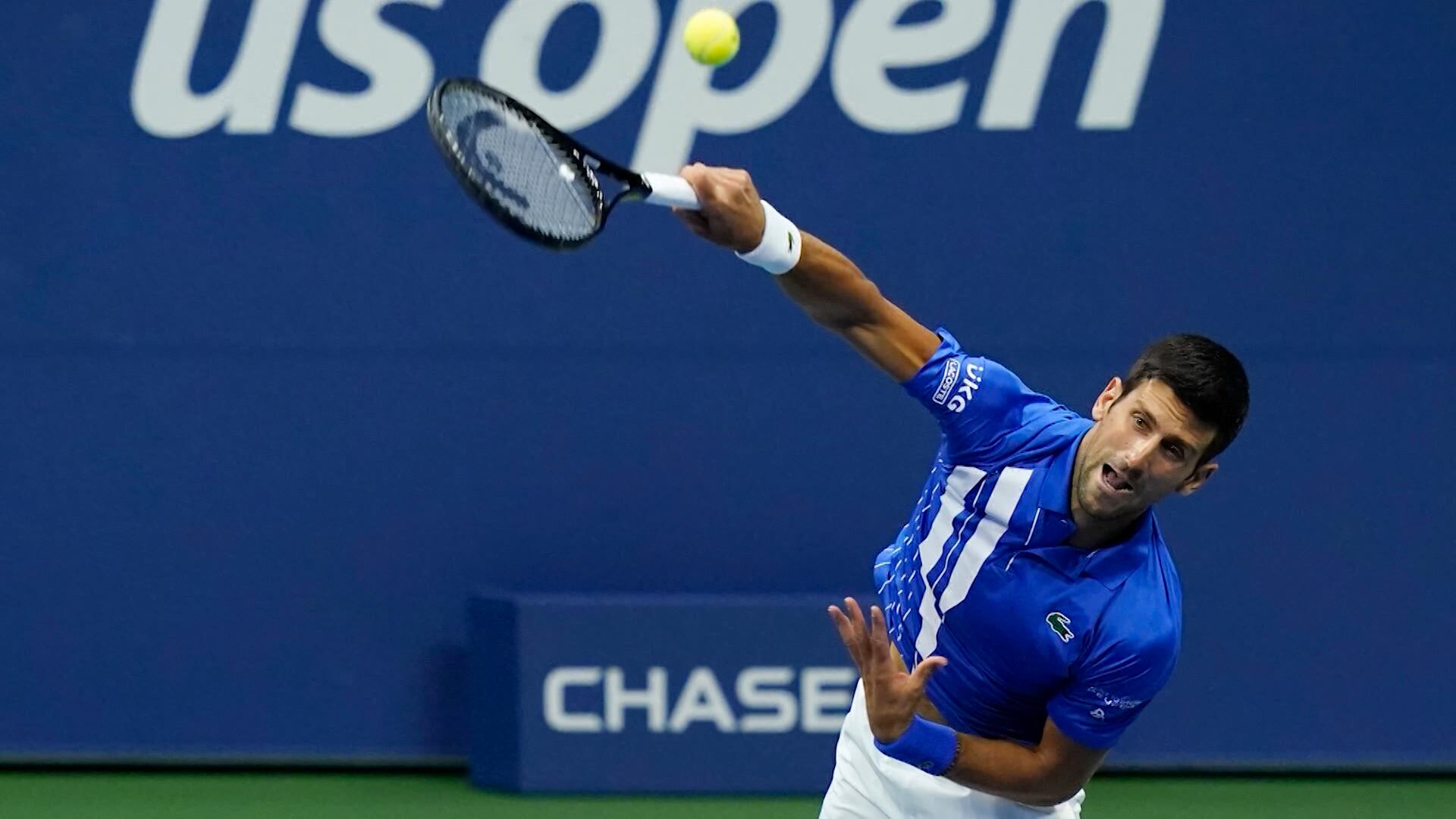
The drama surrounding tennis star Novak Djokovic continues after he was deported from Australia over the weekend due to the nation's COVID-19 vaccine requirements. Djokovic was forced to leave the country on the eve of what was to be his first match in defense of his Australian Open title after three judges ruled in favor of his removal and revealed their reasoning for doing so. Adding to his woes, a law recently passed in France is putting his chances of defending his French Open title in jeopardy. The director of Marist's Center for Sports Communication, Jane McManus, joined Cheddar to discuss the ongoing fallout.
As the midterm elections get ever closer, candidates have been getting creative with their campaigns to stick out and to connect with voters. Gary Chambers, a Democratic candidate for the U.S. Senate from Louisiana, has definitely attracted attention with an advertisement featuring him smoking a blunt, making a point about the inequity of anti-cannabis laws. "We wanted to bring the seriousness of the moment," he said of the ad. "But we also wanted to make sure that people understand that there are 19 states that are legal right now but Black people and brown people are being over-incarcerated in mostly Southern and Midwestern states in America for cannabis possession."