The leading AI chatbot just came out with a new version, and the technology space is buzzing about the possibilities.
OpenAI has released a fourth version of ChatGPT, called GPT-4, that understands images. This means it can look at a photo and provide general information about what's in it and answer questions based on its properties.
The new version also has a larger database, allowing it to provide more accurate information and write code in all major programming languages.
OpenAI touted the chatbot's ability to communicate in other highly technical formats.
"GPT-4 is more creative and collaborative than ever before," the company wrote on its website. "It can generate, edit, and iterate with users on creative and technical writing tasks, such as composing songs, writing screenplays, or learning a user’s writing style."
The company also said the version is capable of "advanced reasoning capabilities" and provided examples of it solving complicated logical puzzles.
The first version of the chatbot was released just a few months ago and is already considered the fastest-growing consumer application in history.
Alex Valaitis, who writes a newsletter about AI, tweeted that the ChatGPT update was "biggest release since the iPhone."
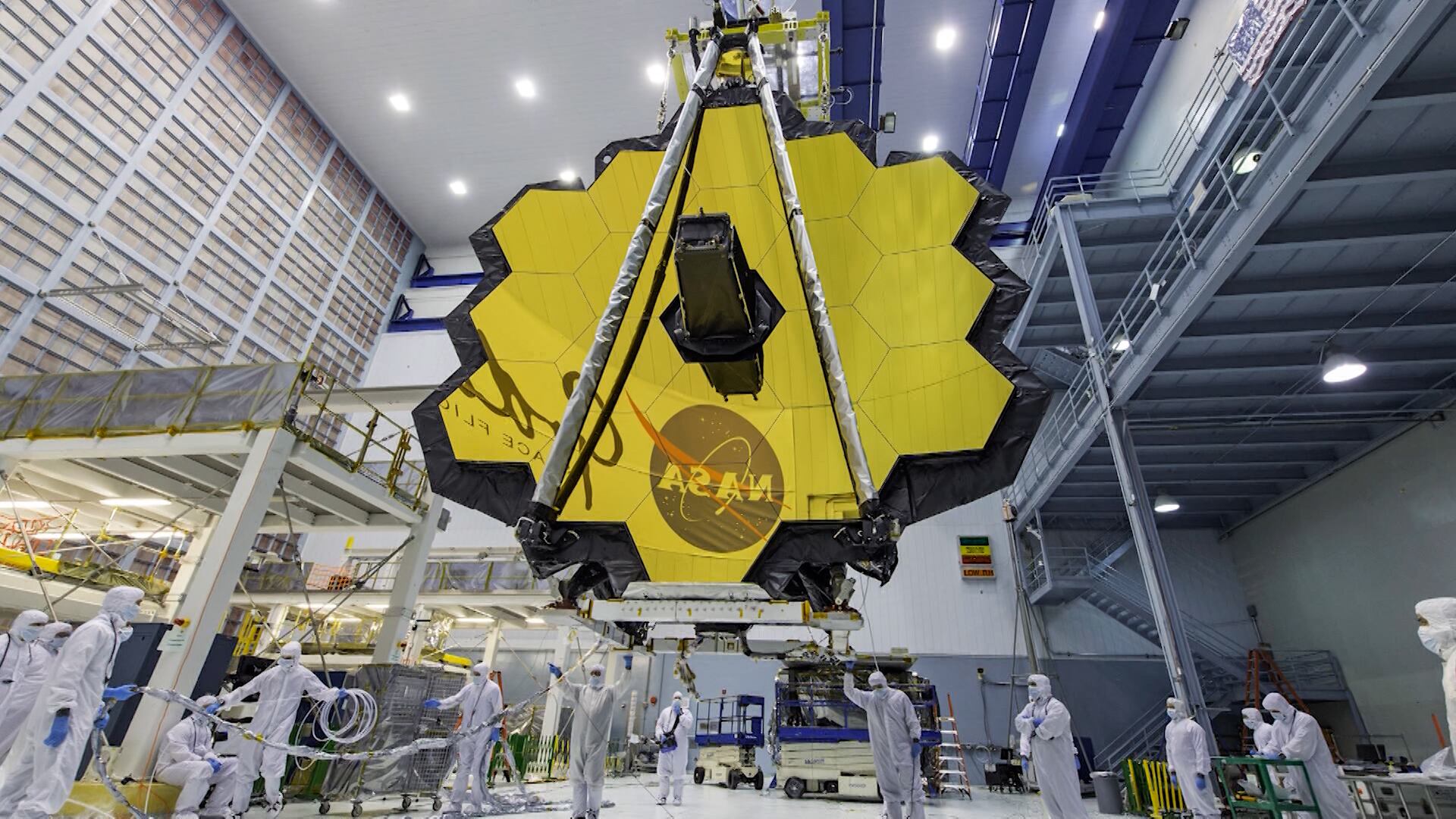
NASA has announced that the first official full-color images will be beamed back to Earth from the James Webb Telescope on July 12. Gregory L. Robinson, the director of the James Webb Space Telescope Program in the NASA Science Mission Directorate, joined Cheddar News to discuss the anticipated image drop. “We expect to see the universe different," he said. "Webb will allow us to see much, much clearer and deeper into the universe."
Dave Burg, EY Americas Cybersecurity Leader, joins Cheddar News to discuss the rise of quantum computing and how it can compromise existing security measures at play today, and what the timeline looks like for quantum computing to become a reality.
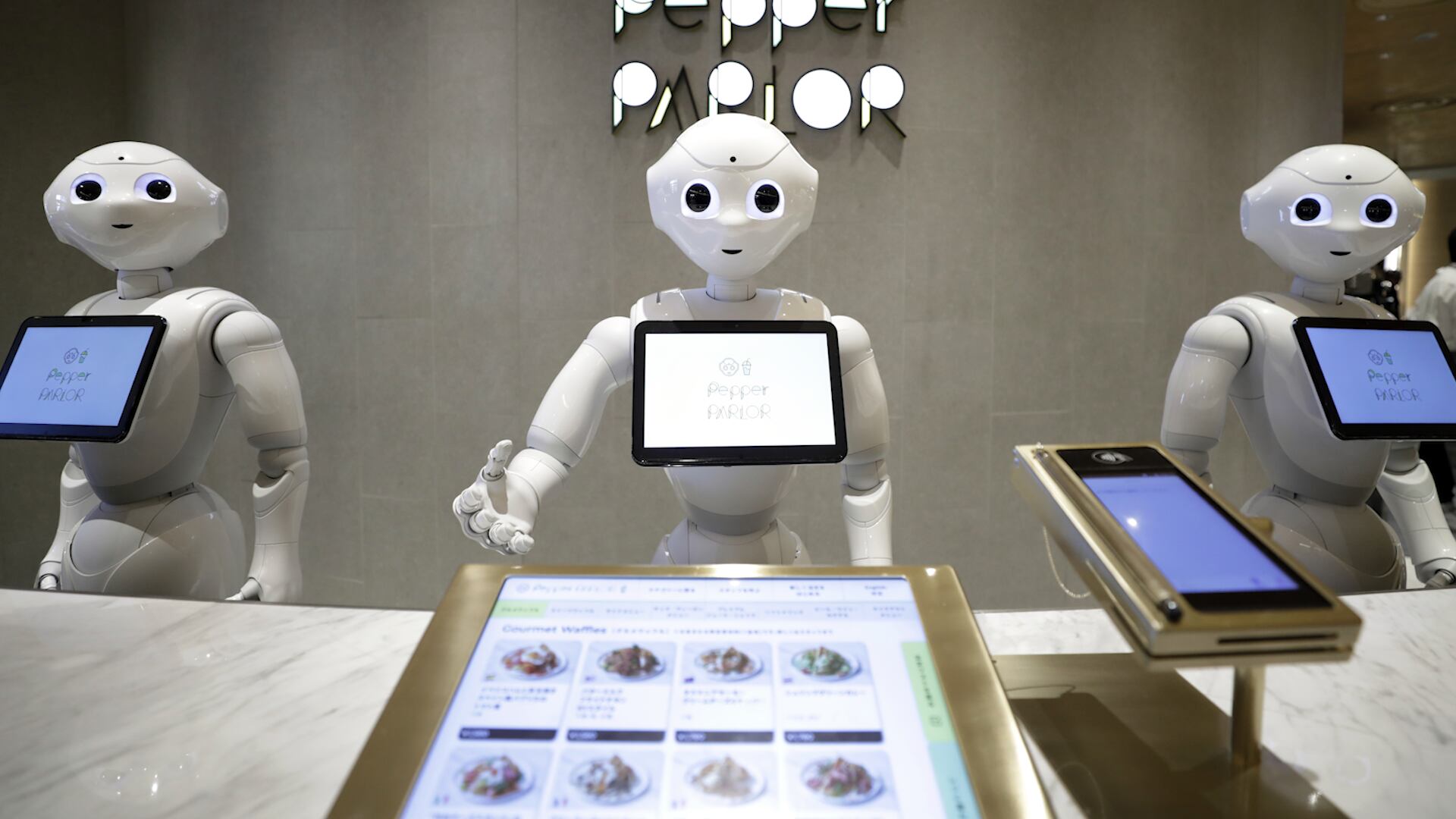
Nicolas Halftermeyer, Communications & Product Branding Director, SoftBank Robotics, and Emile Kroeger, Robotics Engineer, Humanizing Technologies, join Cheddar Reveals to unveil Pepper and NAO, the humanoid robots designed to interact with humans.
On this episode of Cheddar Reveals, Christopher Atkeson, roboticist and a professor at the Robotics Institute and Human-Computer Interaction Institute at Carnegie Mellon University, discusses what the robots of the future will look like, the role they will play in society and different industries, and if they will they ever reach human-level sentience; Nicolas Halftermeyer, Communications & Product Branding Director, SoftBank Robotics, and Emile Kroeger, Robotics Engineer, Humanizing Technologies, unveil Pepper and NAO, the humanoid robots designed to interact with humans; Cheddar gets a look at Curiosity Stream's 'iHuman.'
Christopher Atkeson, roboticist and a professor at the Robotics Institute and Human-Computer Interaction Institute at Carnegie Mellon University, joins Cheddar Reveals to discuss what the robots of the future will look like, the role they will play in society and different industries, and if they will they ever reach human-level sentience.
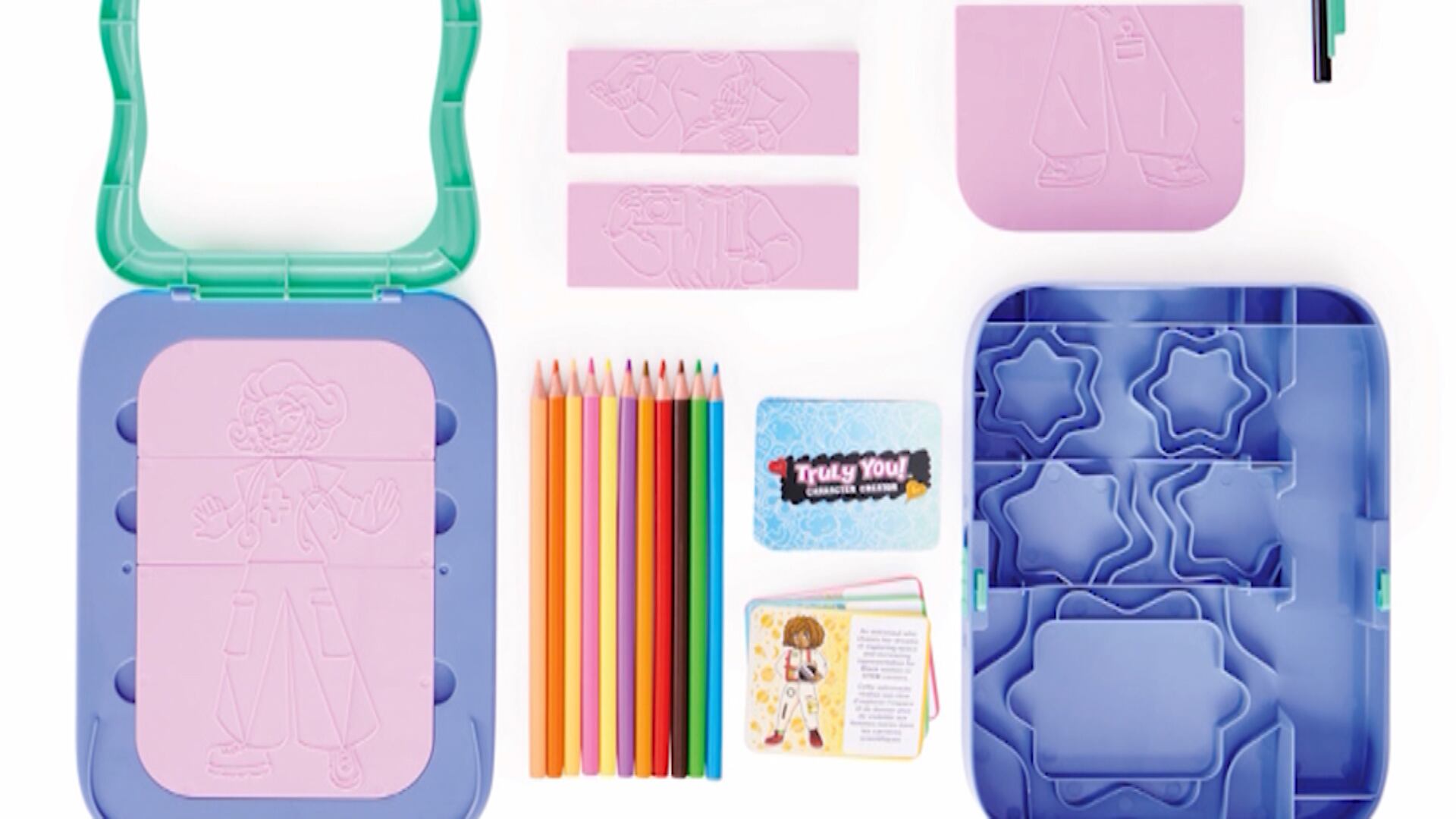
When it comes to diversity in children's toys, we have come a long way as a society but we still have a ways to go. One group of students decided to take matters into their own hands. Truly You! Character Creator is a fashion illustration activity set made for youth by youth. Lindsay Buckingham, one of the toy’s creators, sat down with Cheddar News to talk all about it.
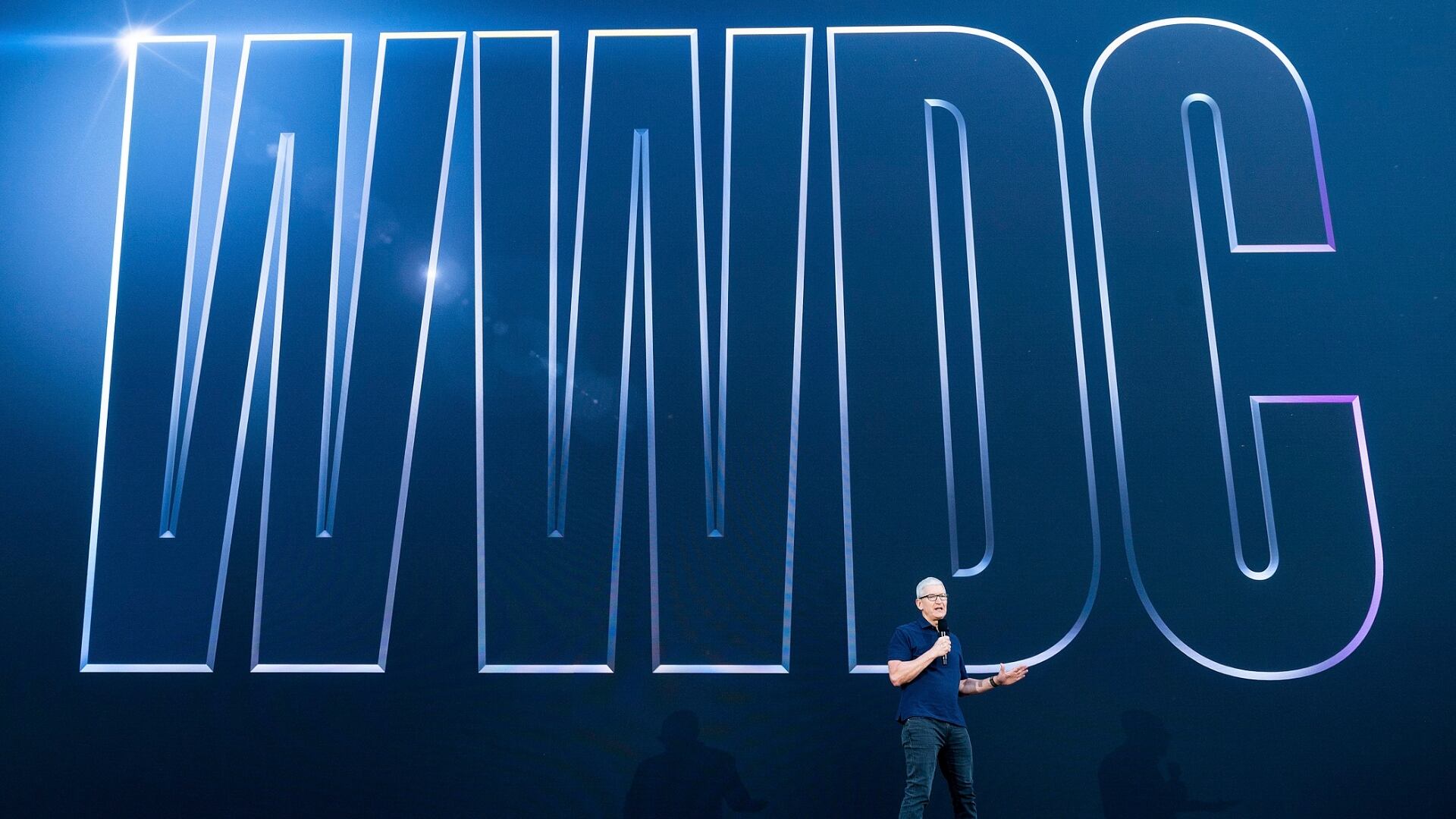
Apple revealed its plans for new IOS software, products, and more at its Worldwide Developers Conference. However, new features added to iMessage, including options to delete and edit already sent text messages, stole the show.