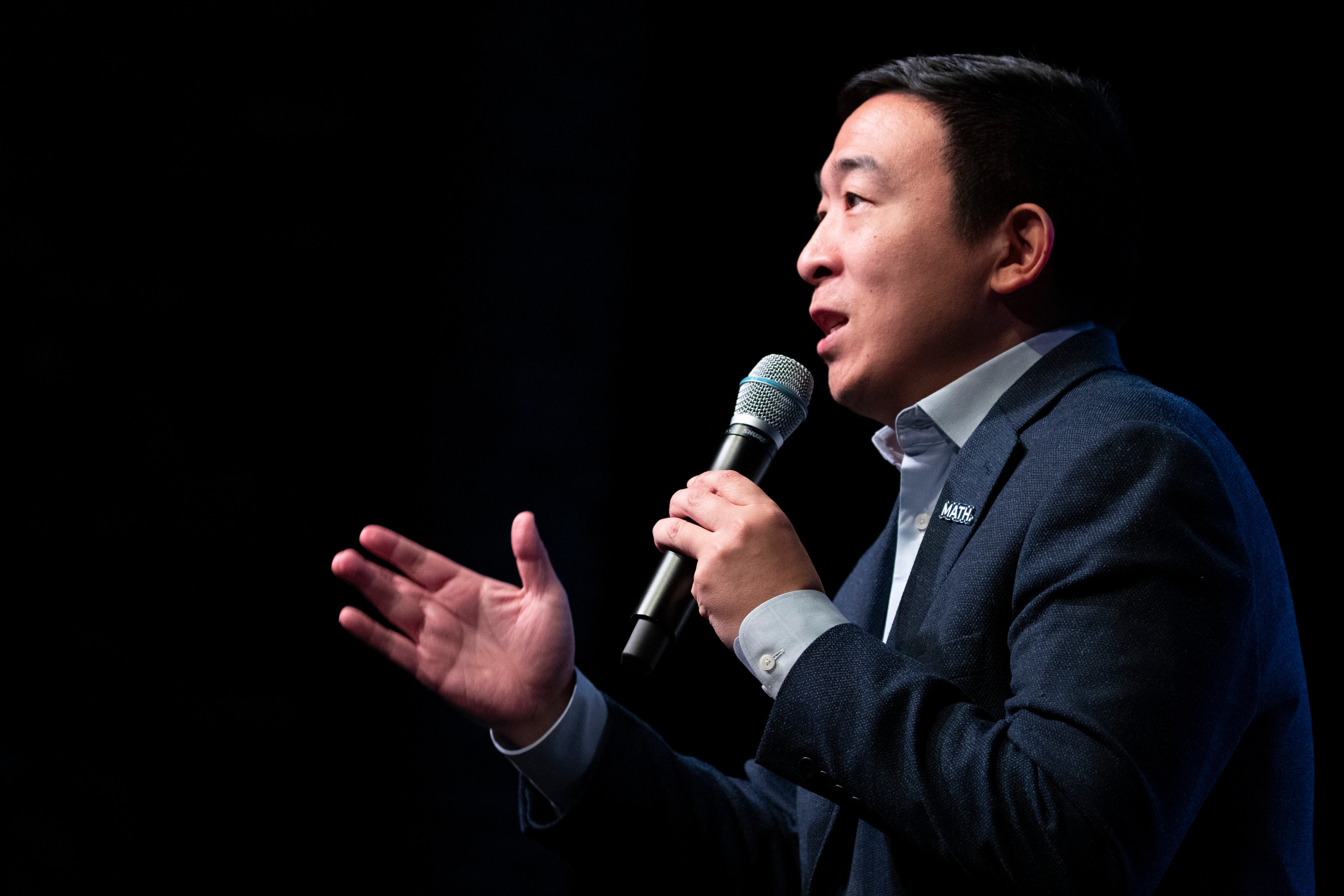
In this Feb. 5, 2020, file photo, Democratic presidential candidate and entrepreneur Andrew Yang speaks during the New Hampshire Youth Climate and Clean Energy Town Hall, in Concord, N.H. (AP Photo/Mary Altaffer, File)
At long last, the Democrats are set to gather for a week-long virtual convention that promises to be a shadow of its former self, as former VP Joe Biden formally accepts the party nomination. As is always the case, the nights and hours preceding the nominee's speech will feature a who's who of party bigwigs: Barack Obama. Hillary Clinton. Nancy Pelosi.
Of course, it won't be held in the 17,000-capacity Fiserv Forum in Milwaukee, Wisconsin; instead, the proceedings will look more like what the New York Times calls "a star-studded Zoom call." But even a quick glance at the four-night speakers reveals one glaring absence that DNC officials must correct if their "event" is to hold grassroots legitimacy: Andrew Yang.
Yang shot to prominence on the 2020 campaign trail with his eloquent descriptions of workforce displacement, the challenges of an increasingly digital age, and being the only candidate who crowd-surfed and danced the Cupid Shuffle. But his once-niche signature policy of Universal Basic Income quickly gained in mainstream acceptance, and as the country descended into a once-in-a-generation pandemic, the idea of direct payments became a political necessity for even the biggest party-insiders in Washington… of both parties.
In short, few have changed the national conversation quite like Andrew Yang. And the DNC is doing its voters a huge disservice by not including him in the ranks of expected speakers at the convention.
Don't get me wrong — the party is right to spotlight particular voices in an effort to unify disparate voting concerns; progressives like Vermont Senator Bernie Sanders and Rep. Alexandria Ocasio-Cortez will surely be must-watch speakers early in the week. And newly-announced VP pick Kamala Harris and Senator Cory Booker, who moved the needle on justice in policing and have publicly prosecuted the case against Donald Trump as well as anyone else, are deserving of convention placement, too.
But ignoring Yang's contributions to the Democratic cause — not to mention his rockstar-esque appeal to disaffected and young voters across this country — shows that the DNC remains out-of-touch with the forward-thinking approach that endeared Yang to the public in the first place. No candidate has done a better job elucidating the workforce challenges that contributed to the rise of Trump to begin with (especially in the heartland) and his thinking on topics such as artificial intelligence and job automation should become staples of the official Democratic Party platform.
And there's a very real representation and inclusivity component to this as well; Rep. Ted Lieu, one of the most visible Democrats on Capitol Hill, called out the DNC directly today, writing on Twitter: "Dear @DNC : Asian Americans are the fastest increasing group in America, including in multiple swing states. The gross underrepresentation of Asian American speakers in the four days of the DNC Convention is tone deaf and a slap in the face." If the Democratic Party is serious about defining itself as in-step with an increasingly diverse electorate, ignoring Andrew Yang is a gross misjudgment.
But being shunned by the DNC and powers-that-be is nothing new for Yang. He and I spoke in the spin room following the September 2019 debate in Houston, Texas, the third consecutive outing where Yang got the least amount of on-stage speaking time. He shrugged off any concerns.
"I've started to just gauge how optimally impactful the time I get is," Yang told me. "And as long as I'm making an impact with the time I get, then I'm doing great."
"We raised over a million dollars in the hours immediately afterwards [the last debate]," he added.
And that's the magic of Yang's influence: he doesn't need a lot of time to convey extremely persuasive points. The DNC would be smart to reconsider its convention lineup, and even give Yang the shortest speaking slot available; because to Yang, it doesn't matter how little time he's given. As he told me in Houston last Fall, "Americans can tell when someone is calling out the real problems and solutions, and I can do that in whatever time I'm given."
The opinions expressed by the author do not necessarily reflect the ideas and opinions of Cheddar and Altice USA.
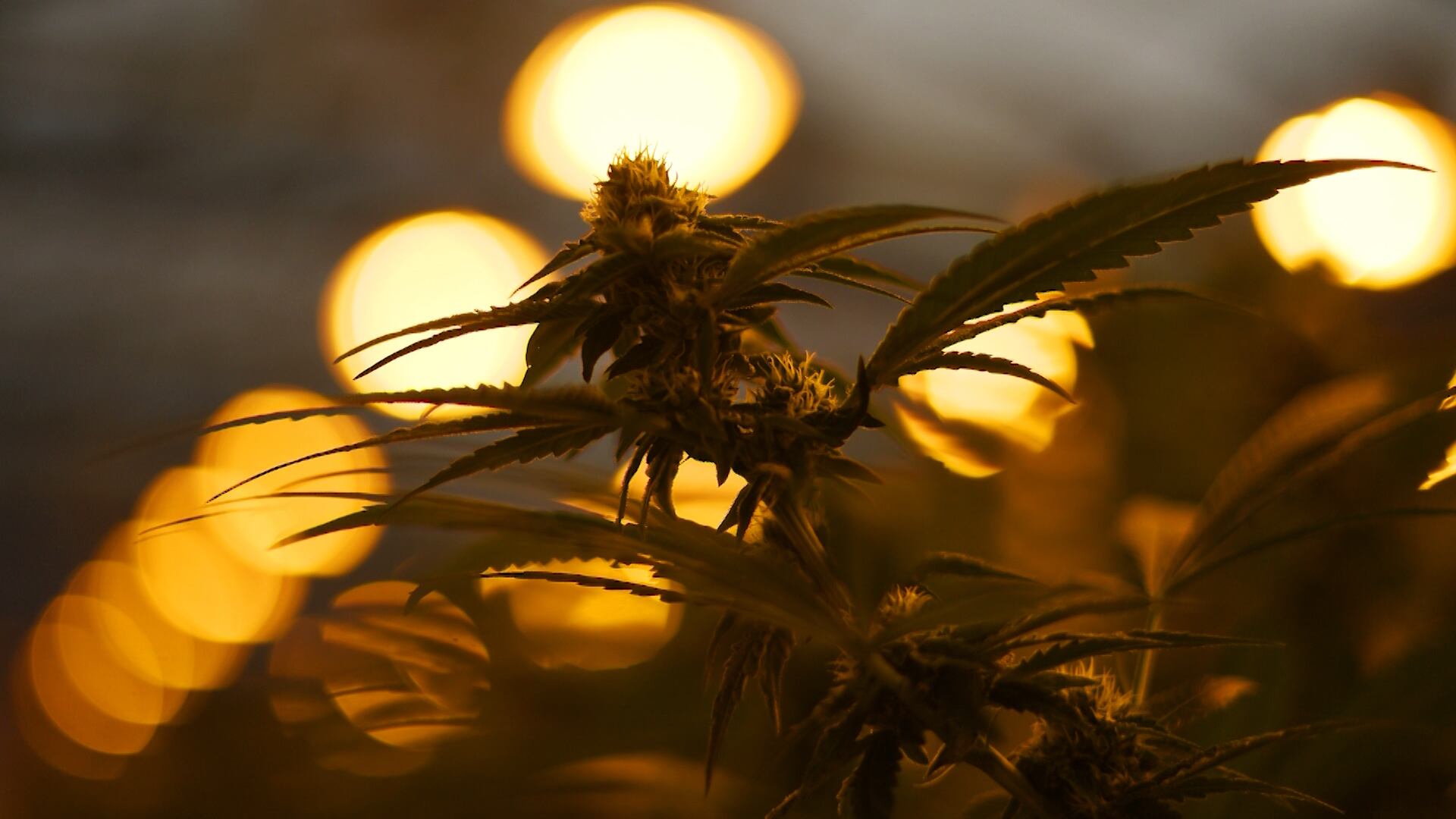
Mona Zhang, states cannabis policy reporter at POLITICO Pro joins Cheddar News to discuss major factors that caused Canada's retail marijuana sales to drop last year.
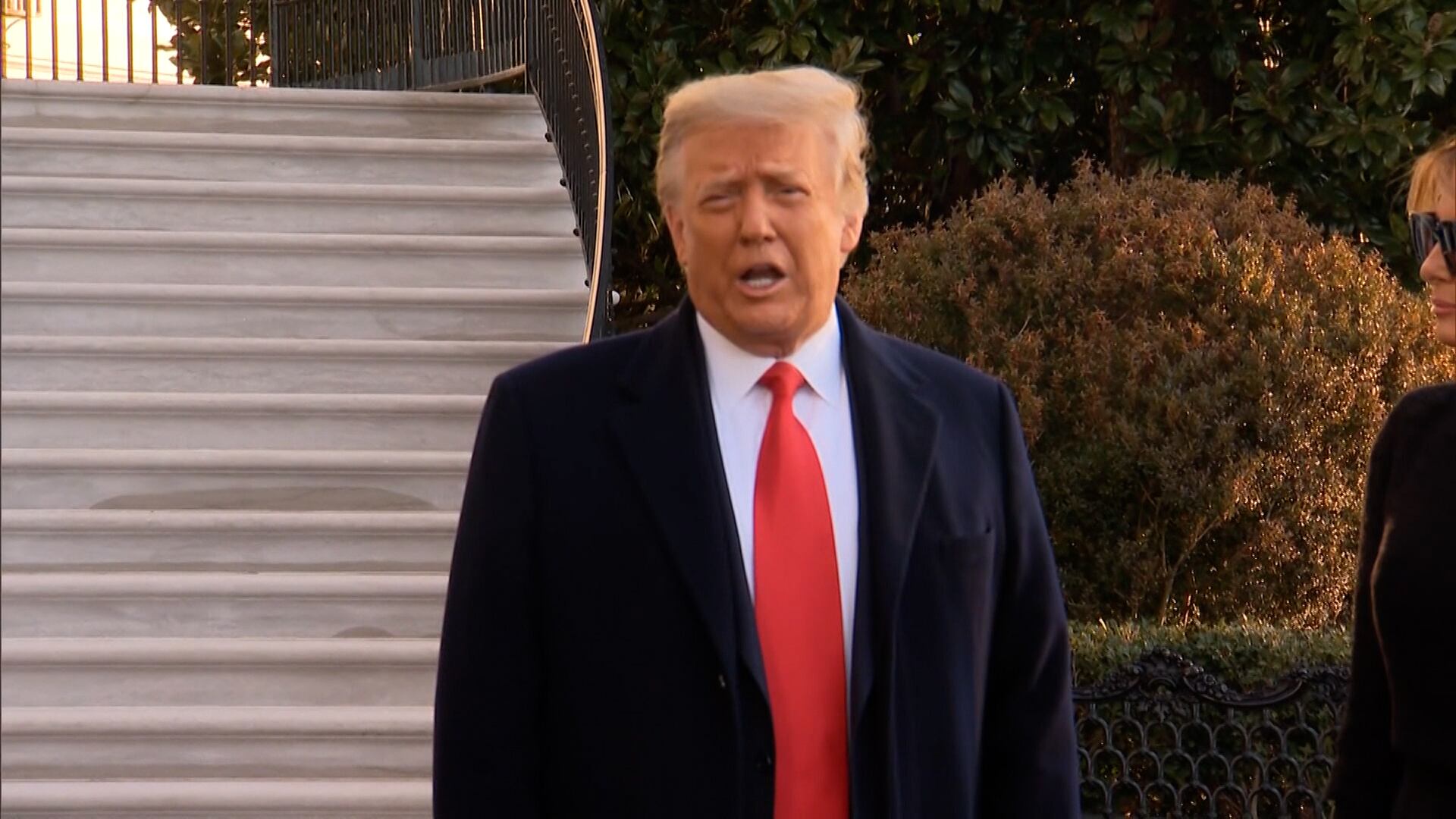
The January 6 committee has asked Ivanka Trump to give voluntary testimony, saying there's evidence she was in "direct contact" with her father on the day of the capitol insurrection. I's unclear whether she will comply with the invitation, but it marks the first time the House committee has sought testimony from a member of the former president's family. Bradley Moss, national security attorney, joined Cheddar News to discuss what the committee hopes to learn from Ivanka and what the Supreme Court's decision on Trump's Jan. 6 materials means for the investigation.
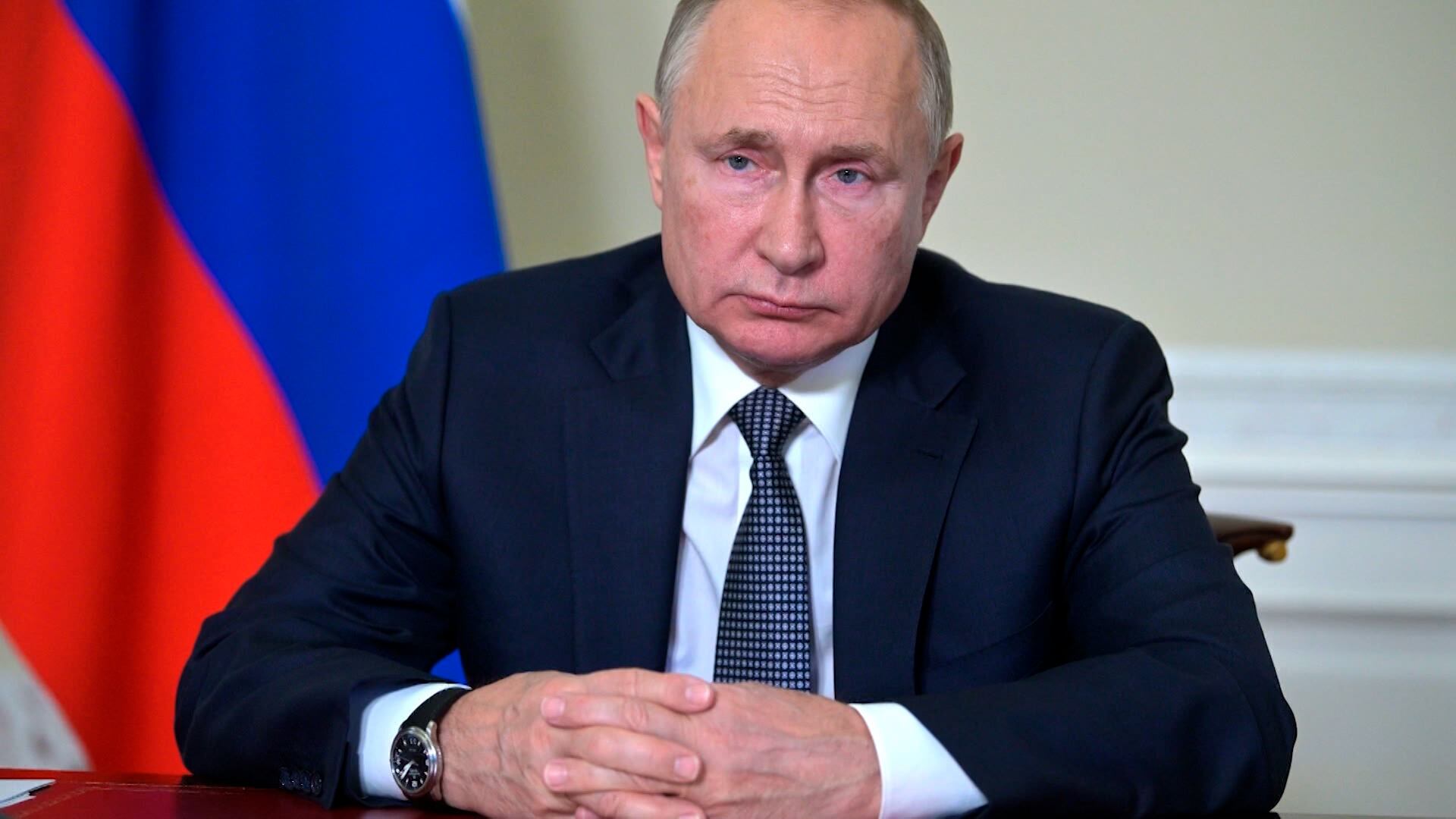
Terrell Jermaine Starr, senior fellow with the Atlantic Council and host of the Black Diplomats podcast joins Cheddar News to discuss Russia's attempt to invade Ukraine.
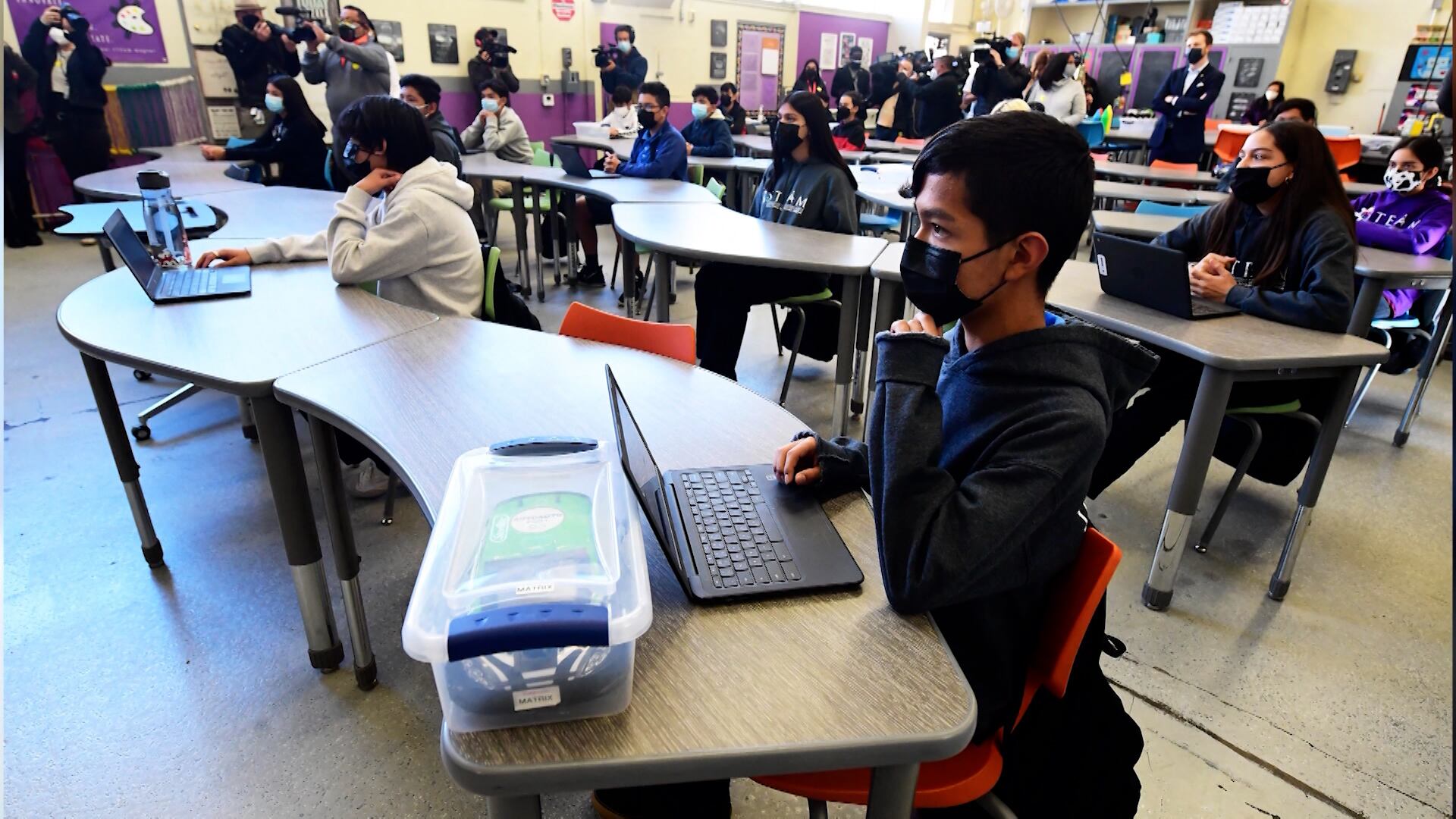
With an increasing number of teachers and staff calling out sick by the day, the state of Oklahoma is turning to an unusual solution. Republican Governor Kevin Stitt has issued an executive order that permits state employees to work as substitute teachers. Shaily Baranwal, founder and CEO of Elevate K-12, joins Cheddar News to discuss.
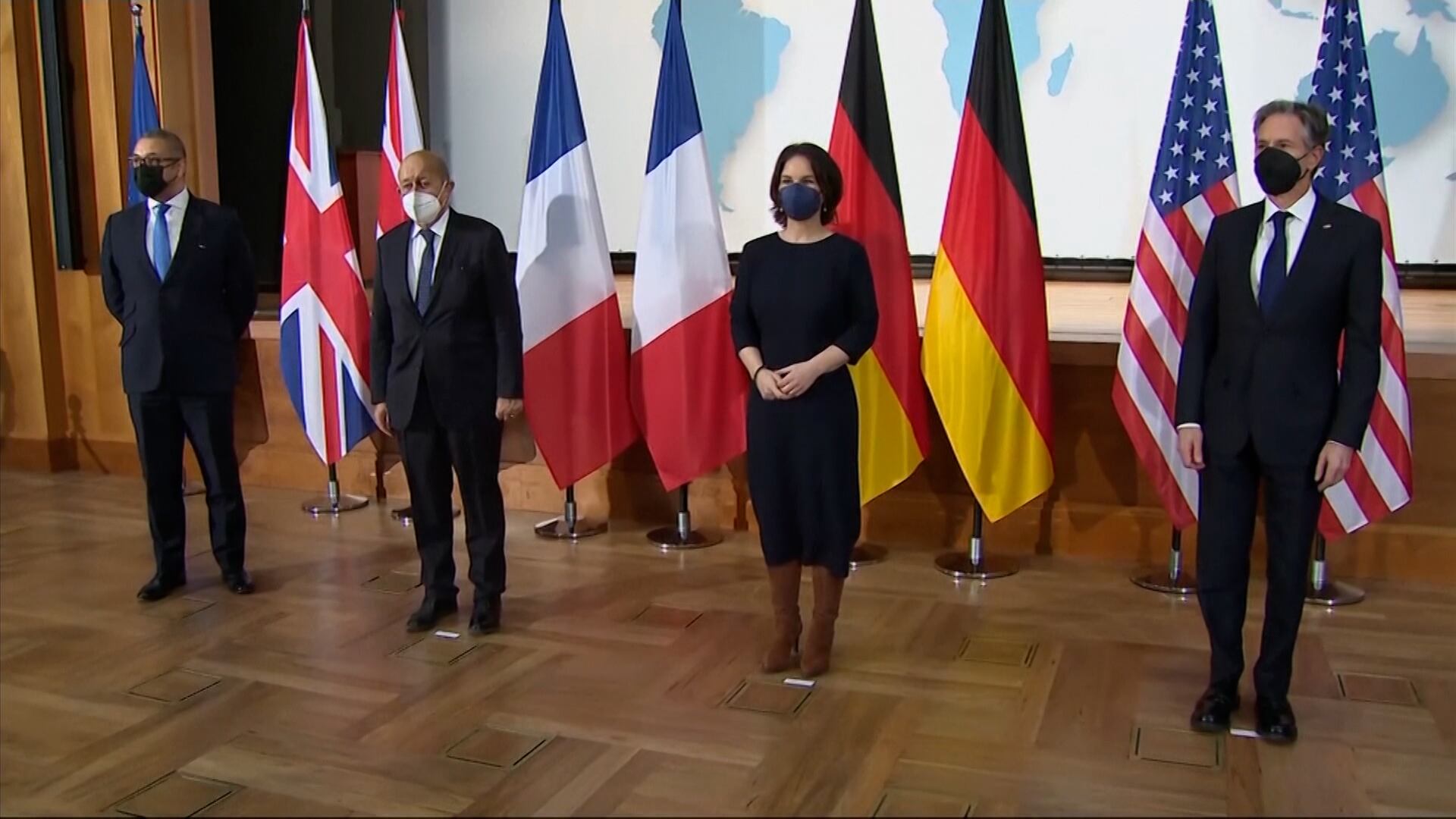
On Thursday, Secretary of State Antony Blinken addressed the stance of the U.S. and its allies should Russia make any forays into Ukraine, a seeming response to President Biden's remarks that should Putin engage in something short of a full invasion, there might be some indecision among allied nations regarding what to do. Ariel Cohen, a senior fellow at the think tank Atlantic Council, joined Cheddar to discuss the difficulty faced by Blinken wrangling unity as tensions run high in the region. "There'll be a smaller incursion, and the president implied, there'll be a weaker response because our European allies have created this horrible situation where they are dependent on Moscow for their gas supply," Cohen explained.
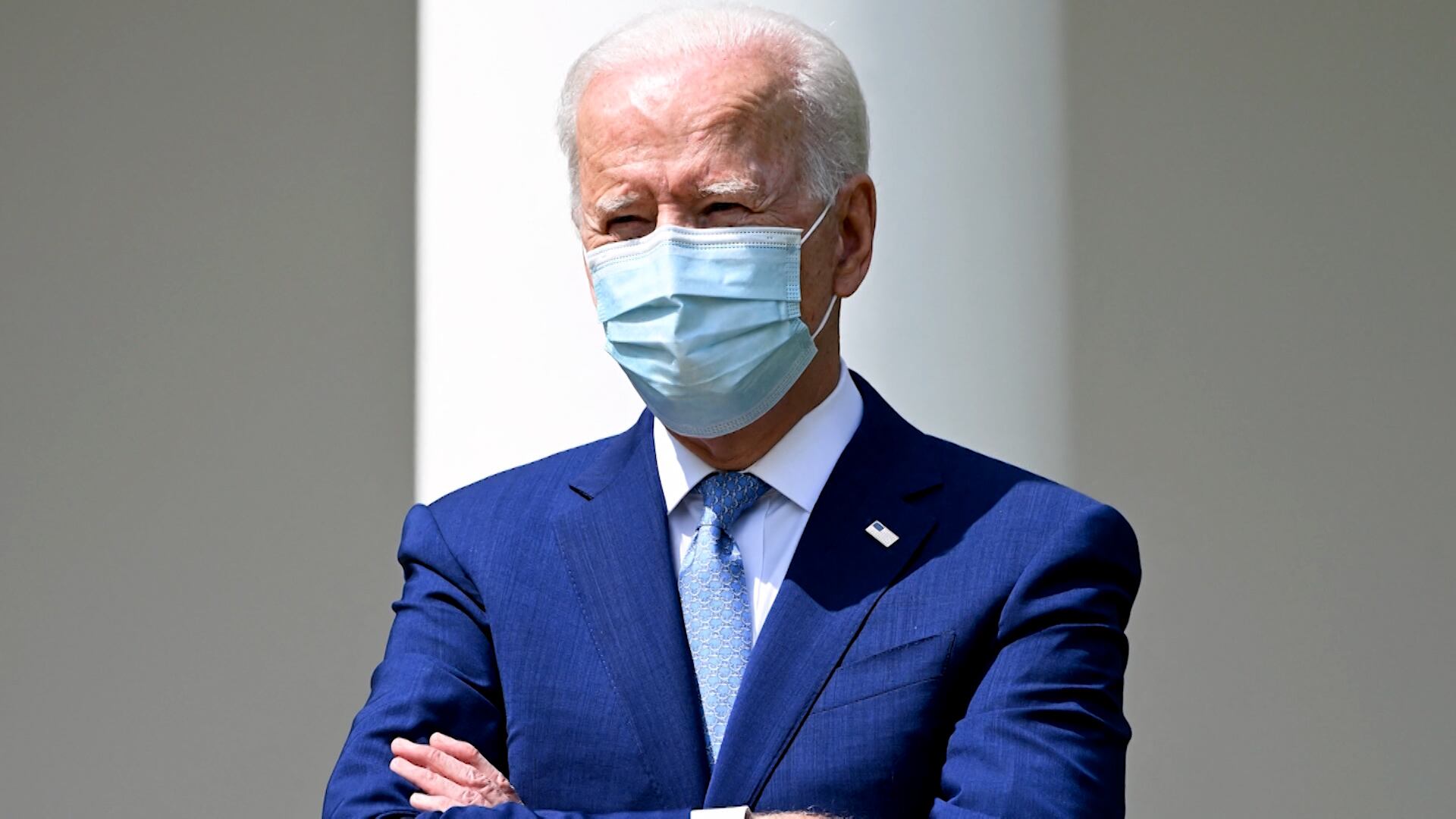
During a nearly two-hour press conference on Wednesday, President Biden spoke on his accomplishments and challenges from the first year of his presidency, and what his administration hopes to accomplish in the coming year. However, his approval ratings are underwater as COVID remains a big concern for voters — as does inflation, noted Tom Bevan, co-founder and president of polling aggregator RealClearPolitics. "The public thinks [inflation] is priority number one, and the administration is concerned about it, they talk about it, but they're not spending enough time on it as far as the public is concerned," said Bevan.
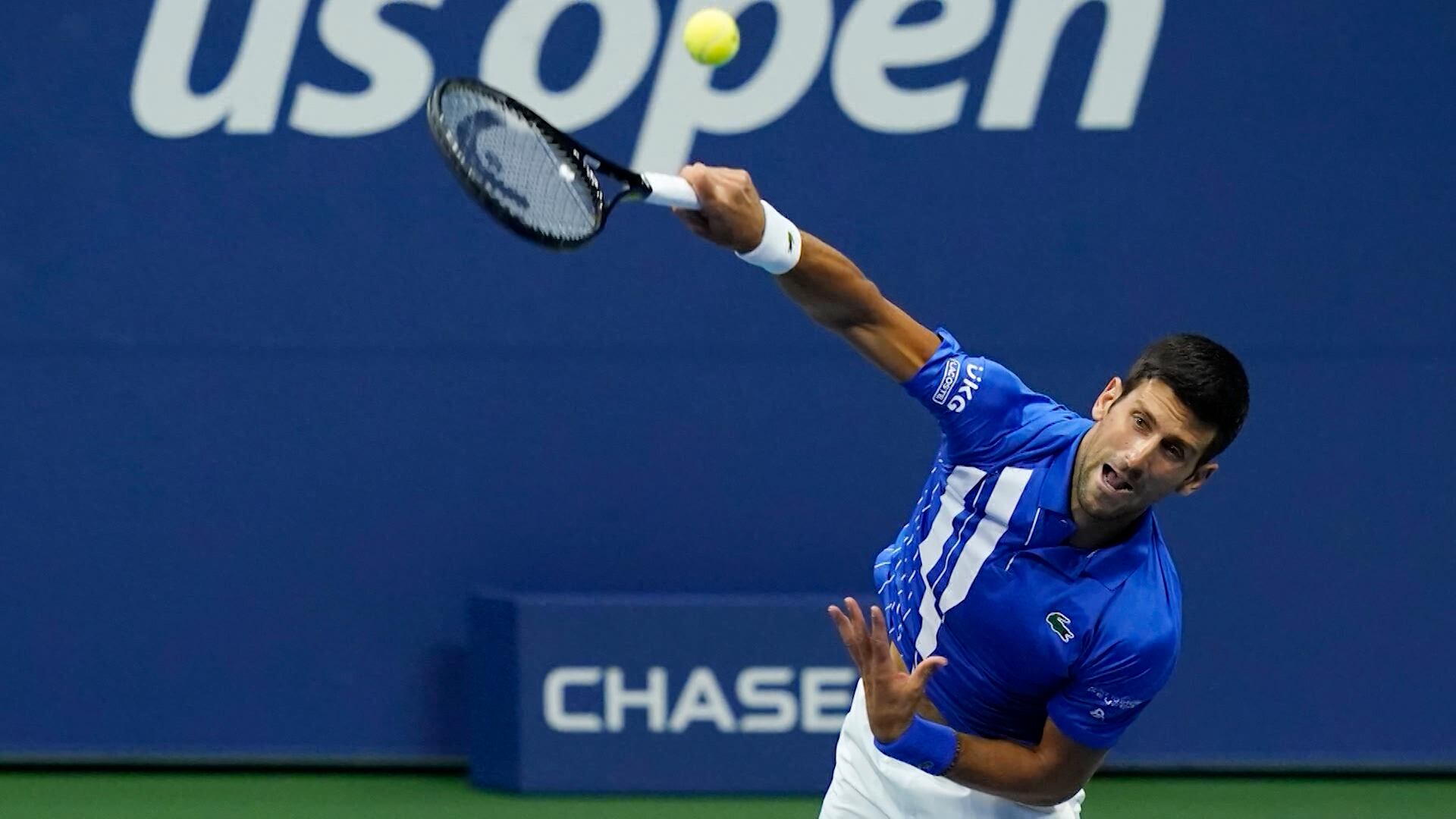
The drama surrounding tennis star Novak Djokovic continues after he was deported from Australia over the weekend due to the nation's COVID-19 vaccine requirements. Djokovic was forced to leave the country on the eve of what was to be his first match in defense of his Australian Open title after three judges ruled in favor of his removal and revealed their reasoning for doing so. Adding to his woes, a law recently passed in France is putting his chances of defending his French Open title in jeopardy. The director of Marist's Center for Sports Communication, Jane McManus, joined Cheddar to discuss the ongoing fallout.
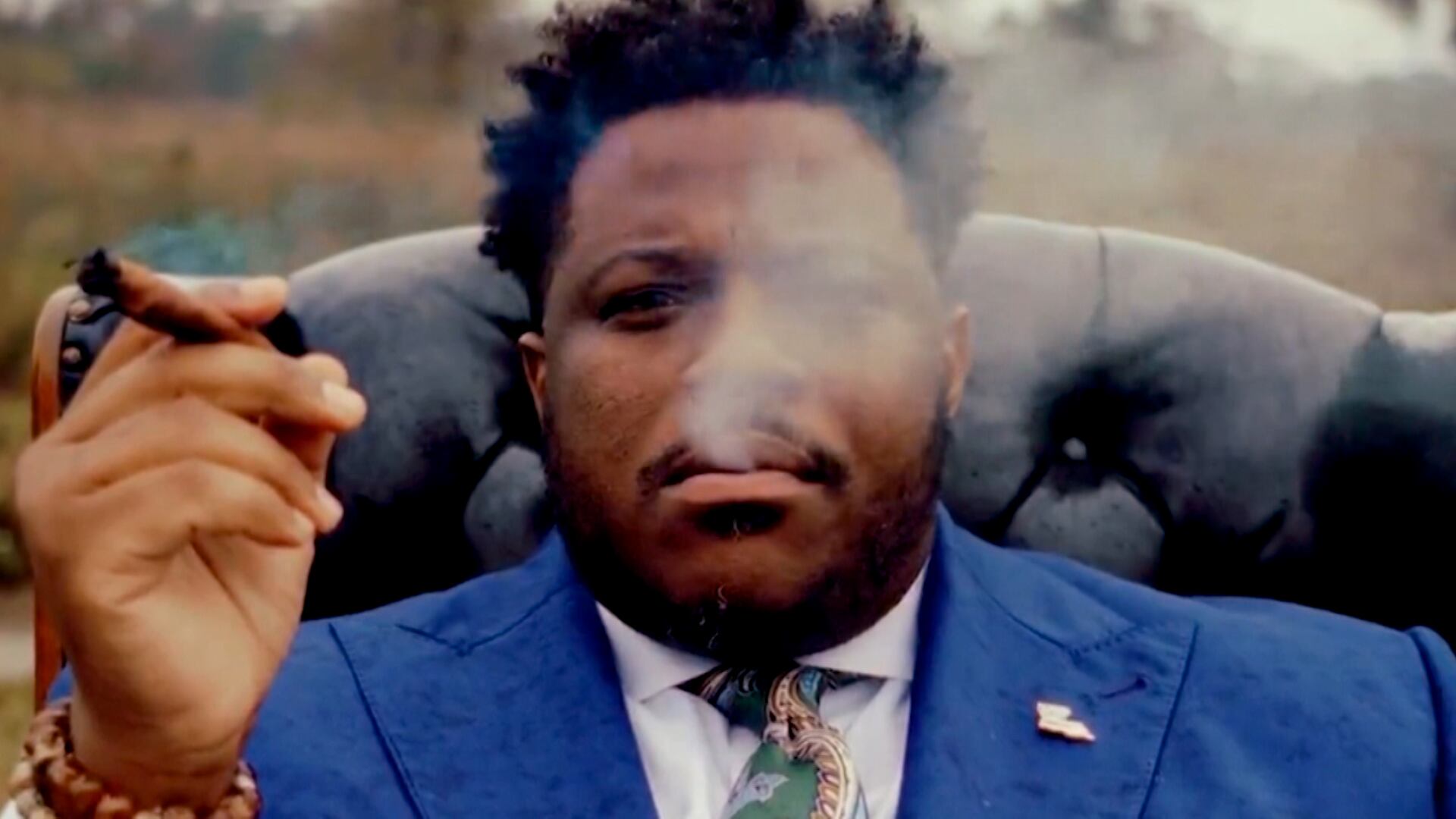
As the midterm elections get ever closer, candidates have been getting creative with their campaigns to stick out and to connect with voters. Gary Chambers, a Democratic candidate for the U.S. Senate from Louisiana, has definitely attracted attention with an advertisement featuring him smoking a blunt, making a point about the inequity of anti-cannabis laws. "We wanted to bring the seriousness of the moment," he said of the ad. "But we also wanted to make sure that people understand that there are 19 states that are legal right now but Black people and brown people are being over-incarcerated in mostly Southern and Midwestern states in America for cannabis possession."
If some members of Congress have their way, there might finally be a 'TLDR' on sites' terms of service, introduced by the terms-of-service labeling, design, and readability act – or TLDR for short. With this act, users will actually understand what they're agreeing to or the many ways in which their data is being used before pressing 'accept.' J.D. sat down with co-sponsor of the bill and Senator Bill Cassidy, to discuss.