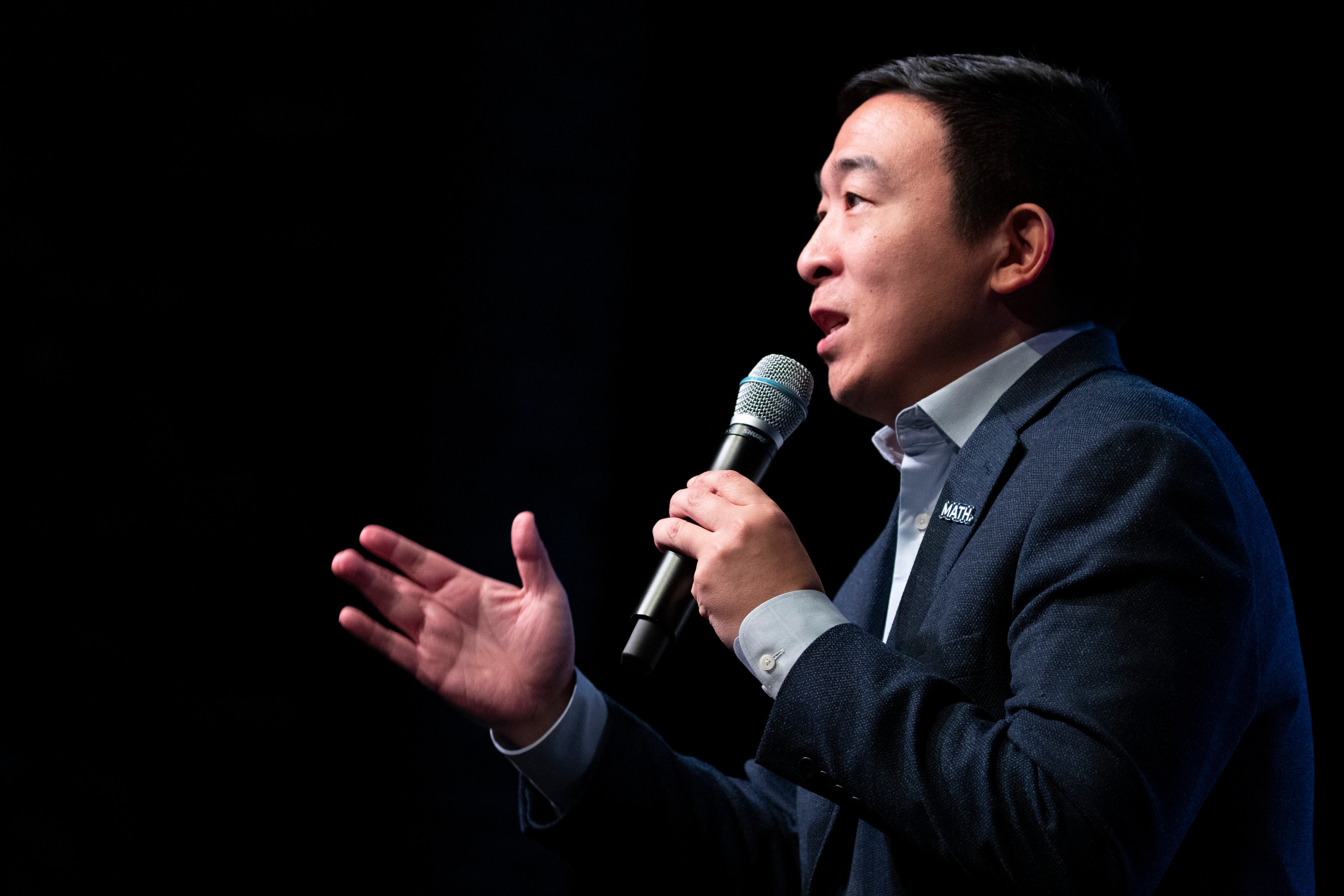
In this Feb. 5, 2020, file photo, Democratic presidential candidate and entrepreneur Andrew Yang speaks during the New Hampshire Youth Climate and Clean Energy Town Hall, in Concord, N.H. (AP Photo/Mary Altaffer, File)
At long last, the Democrats are set to gather for a week-long virtual convention that promises to be a shadow of its former self, as former VP Joe Biden formally accepts the party nomination. As is always the case, the nights and hours preceding the nominee's speech will feature a who's who of party bigwigs: Barack Obama. Hillary Clinton. Nancy Pelosi.
Of course, it won't be held in the 17,000-capacity Fiserv Forum in Milwaukee, Wisconsin; instead, the proceedings will look more like what the New York Times calls "a star-studded Zoom call." But even a quick glance at the four-night speakers reveals one glaring absence that DNC officials must correct if their "event" is to hold grassroots legitimacy: Andrew Yang.
Yang shot to prominence on the 2020 campaign trail with his eloquent descriptions of workforce displacement, the challenges of an increasingly digital age, and being the only candidate who crowd-surfed and danced the Cupid Shuffle. But his once-niche signature policy of Universal Basic Income quickly gained in mainstream acceptance, and as the country descended into a once-in-a-generation pandemic, the idea of direct payments became a political necessity for even the biggest party-insiders in Washington… of both parties.
In short, few have changed the national conversation quite like Andrew Yang. And the DNC is doing its voters a huge disservice by not including him in the ranks of expected speakers at the convention.
Don't get me wrong — the party is right to spotlight particular voices in an effort to unify disparate voting concerns; progressives like Vermont Senator Bernie Sanders and Rep. Alexandria Ocasio-Cortez will surely be must-watch speakers early in the week. And newly-announced VP pick Kamala Harris and Senator Cory Booker, who moved the needle on justice in policing and have publicly prosecuted the case against Donald Trump as well as anyone else, are deserving of convention placement, too.
But ignoring Yang's contributions to the Democratic cause — not to mention his rockstar-esque appeal to disaffected and young voters across this country — shows that the DNC remains out-of-touch with the forward-thinking approach that endeared Yang to the public in the first place. No candidate has done a better job elucidating the workforce challenges that contributed to the rise of Trump to begin with (especially in the heartland) and his thinking on topics such as artificial intelligence and job automation should become staples of the official Democratic Party platform.
And there's a very real representation and inclusivity component to this as well; Rep. Ted Lieu, one of the most visible Democrats on Capitol Hill, called out the DNC directly today, writing on Twitter: "Dear @DNC : Asian Americans are the fastest increasing group in America, including in multiple swing states. The gross underrepresentation of Asian American speakers in the four days of the DNC Convention is tone deaf and a slap in the face." If the Democratic Party is serious about defining itself as in-step with an increasingly diverse electorate, ignoring Andrew Yang is a gross misjudgment.
But being shunned by the DNC and powers-that-be is nothing new for Yang. He and I spoke in the spin room following the September 2019 debate in Houston, Texas, the third consecutive outing where Yang got the least amount of on-stage speaking time. He shrugged off any concerns.
"I've started to just gauge how optimally impactful the time I get is," Yang told me. "And as long as I'm making an impact with the time I get, then I'm doing great."
"We raised over a million dollars in the hours immediately afterwards [the last debate]," he added.
And that's the magic of Yang's influence: he doesn't need a lot of time to convey extremely persuasive points. The DNC would be smart to reconsider its convention lineup, and even give Yang the shortest speaking slot available; because to Yang, it doesn't matter how little time he's given. As he told me in Houston last Fall, "Americans can tell when someone is calling out the real problems and solutions, and I can do that in whatever time I'm given."
The opinions expressed by the author do not necessarily reflect the ideas and opinions of Cheddar and Altice USA.
Student loan debt continues to be a major concern for tens of millions of Americans who collectively owe about $1.7 trillion. Black college students often take on larger amounts of student debt in order to pay for a higher education. In turn, they are more likely to struggle post-graduation with repaying their debt, creating a racial wealth gap divide. Andre Perry, senior fellow at Brookings Institution joined All Hands to help break down the black student debt crisis.
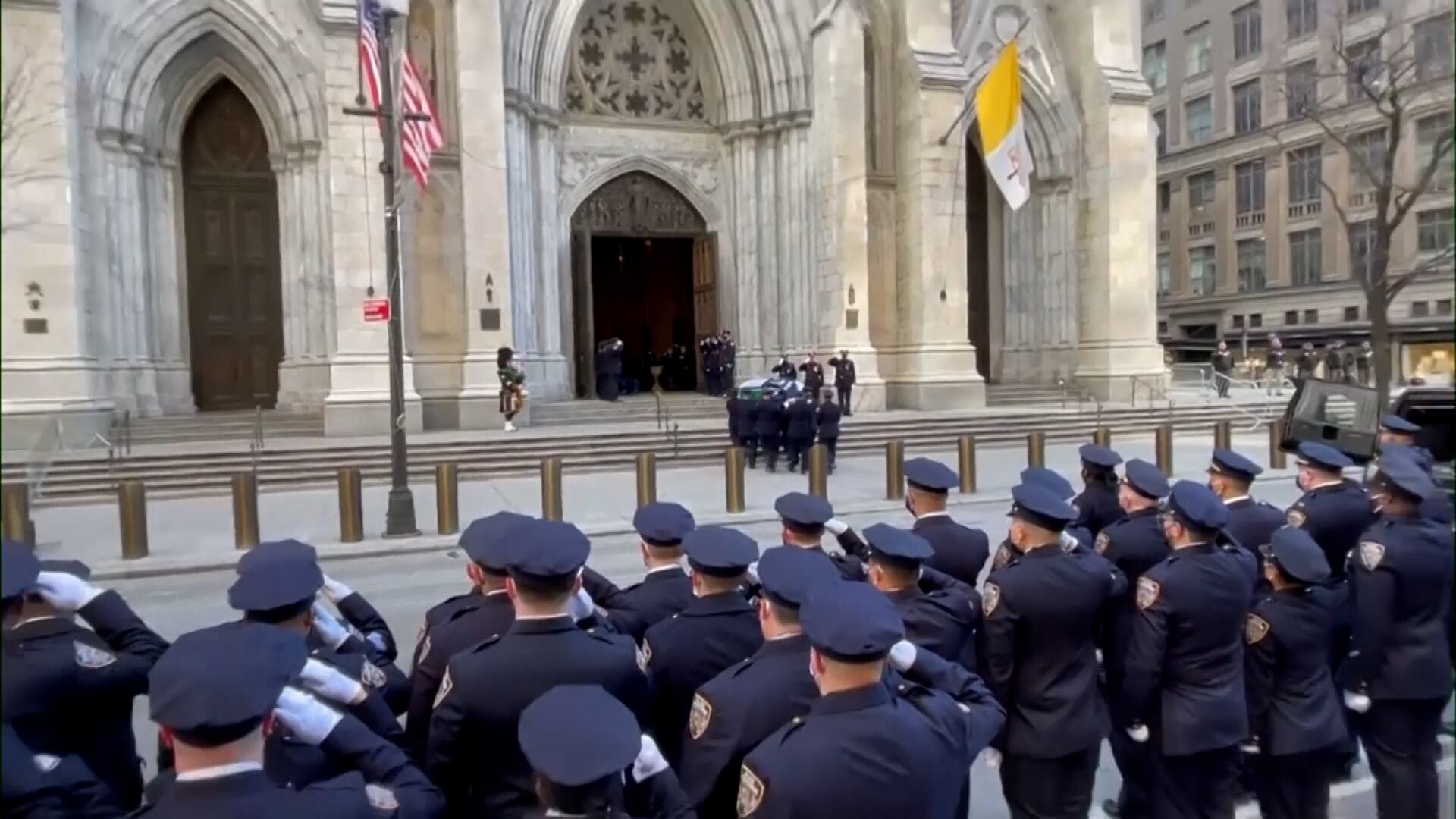
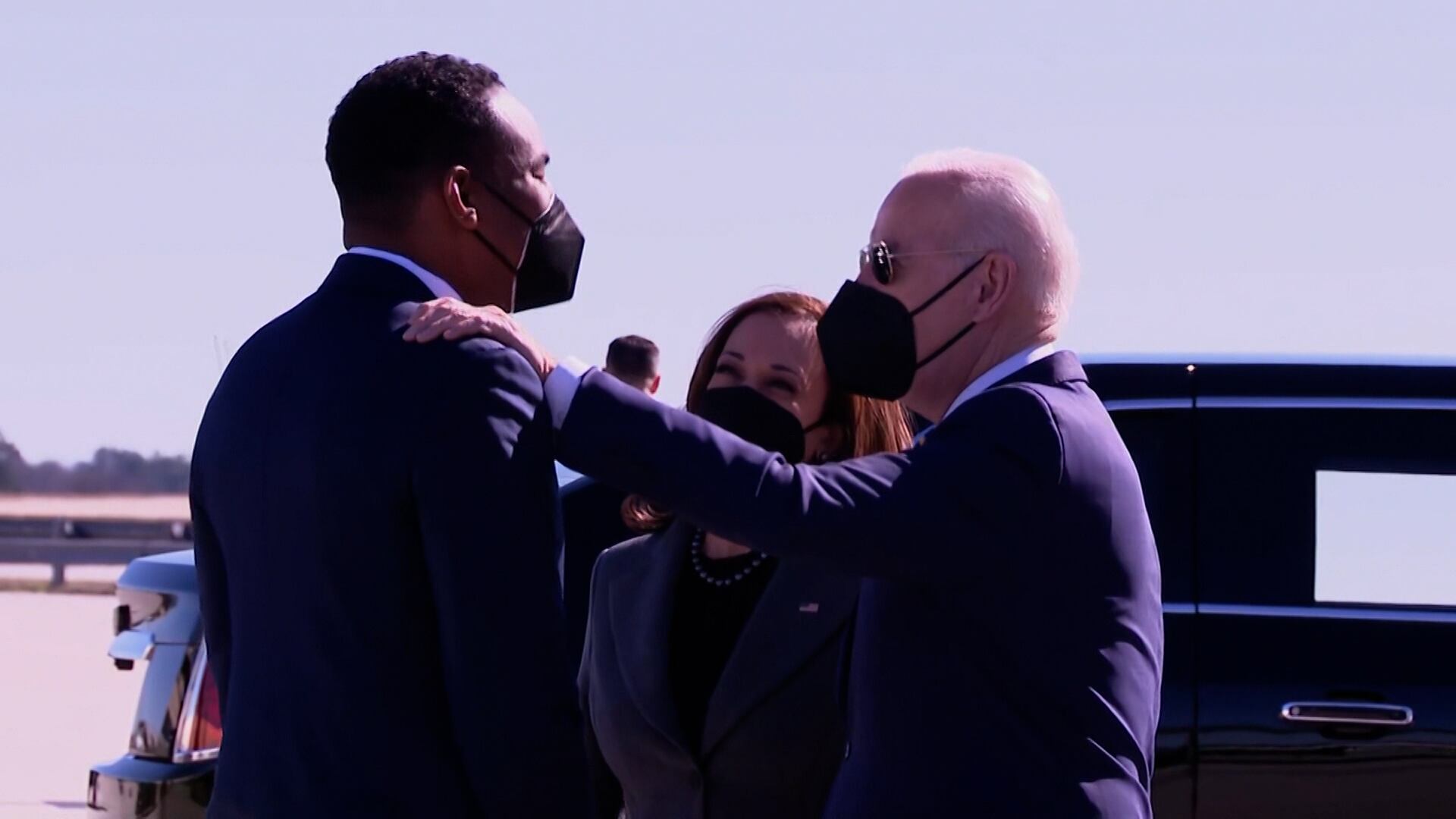
After two NYPD officers were killed with an illegal gun, President Biden made a trip to New York City to speak on the issue of gun violence fed by the "iron pipeline" of illegal firearms that make their way from the South to the Big Apple. Kris Brown, the president of the gun violence prevention organization Brady United, joined Cheddar to discuss what this visit from the president could mean for the future of gun laws in America. "He's asked Congress to pass things like expanding the Brady background check system, but with the filibuster a barrier to so much action right now in the Congress, he's looking at solutions that involve funding at the federal level and really involve enforcement."
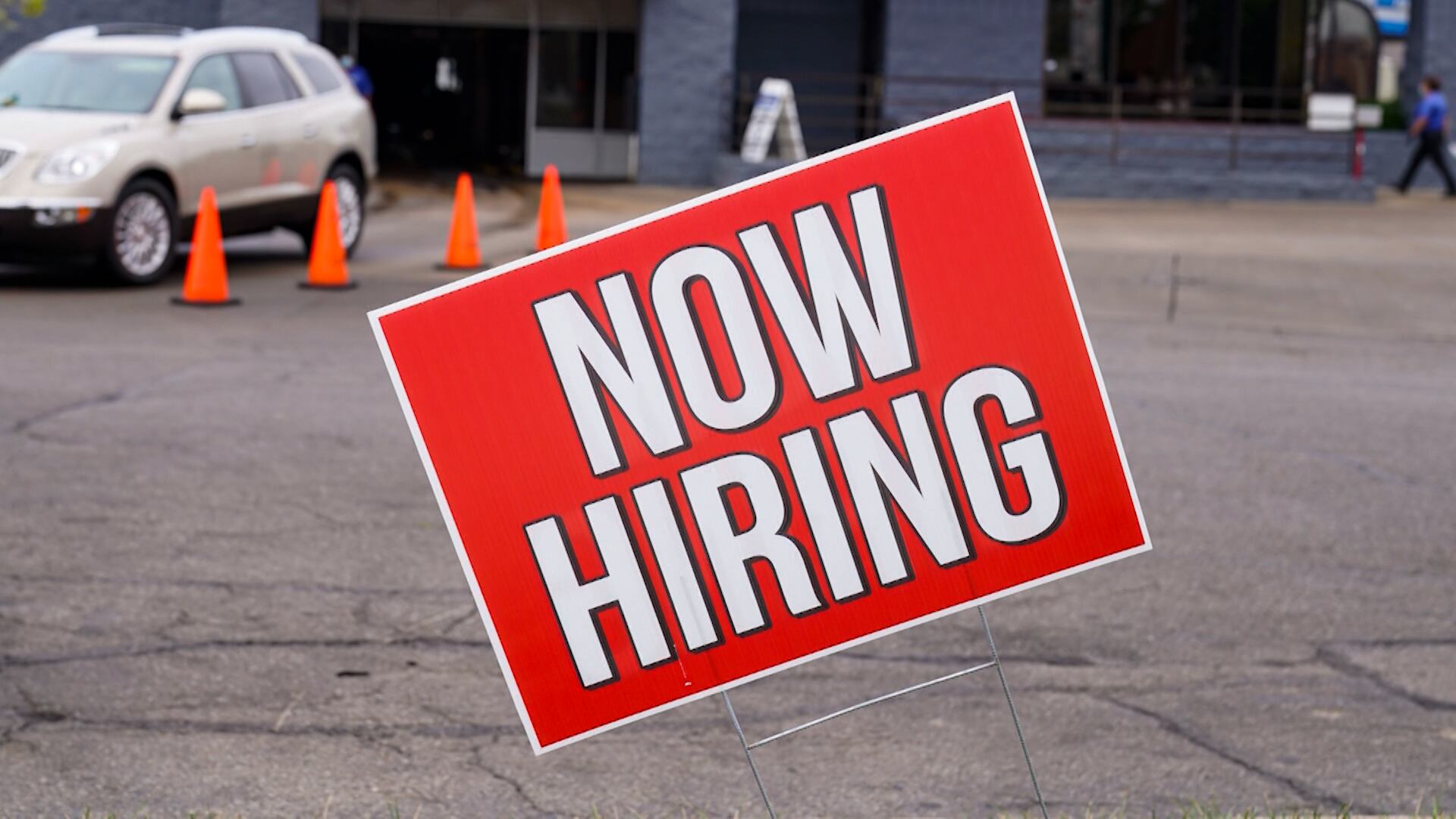
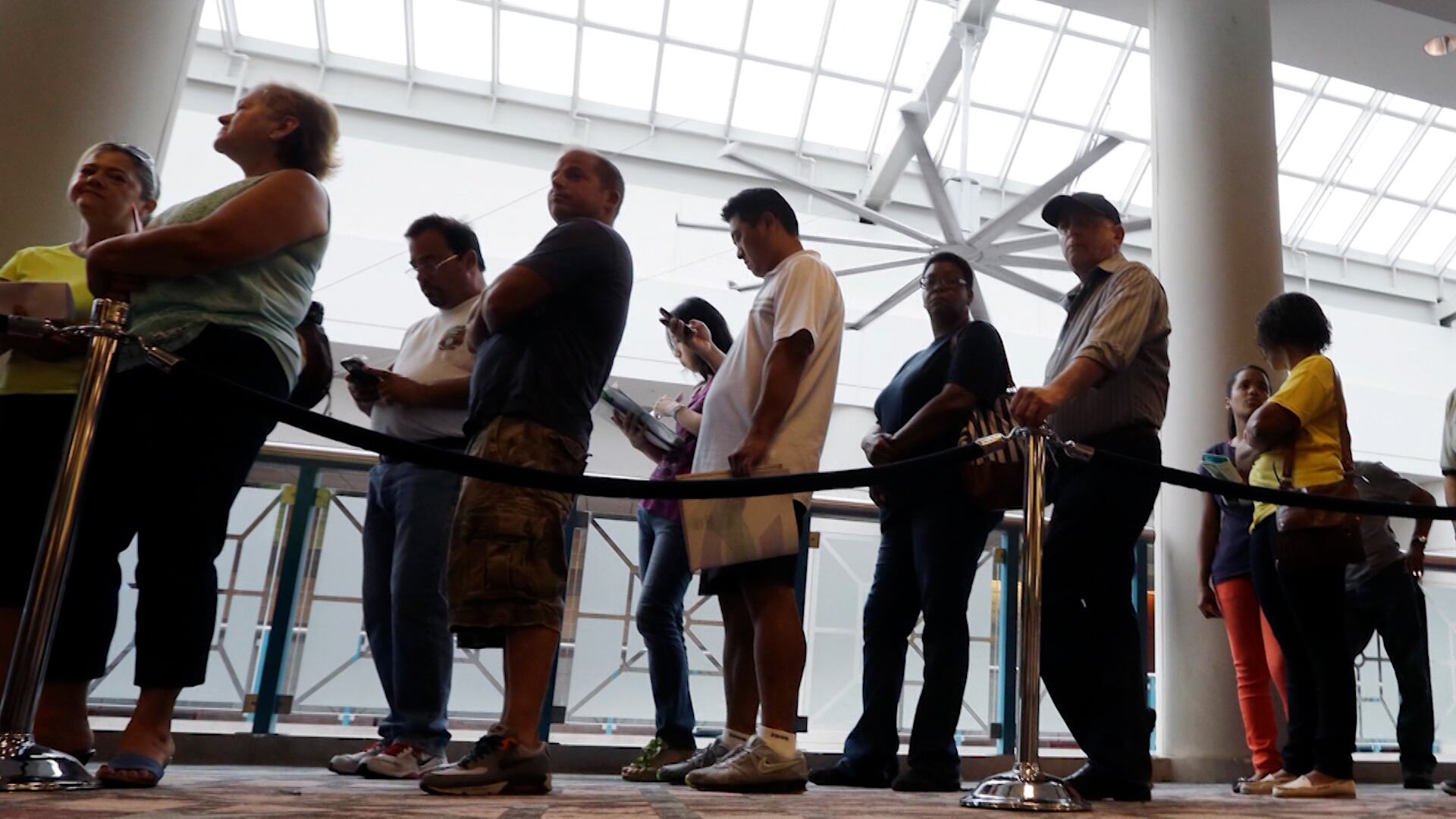
Following the surprising big beat on estimates for the January jobs report, William M. Rodgers III, vice president and director of the Institute for Economic Equity at the Federal Reserve Bank of St. Louis, joined Cheddar News to break down the data. “We ended 2021 with a strong crescendo to a recovery that had taken hold, and we started 2022 in good fashion." He also discussed the dueling pressures of wage growth and inflation.
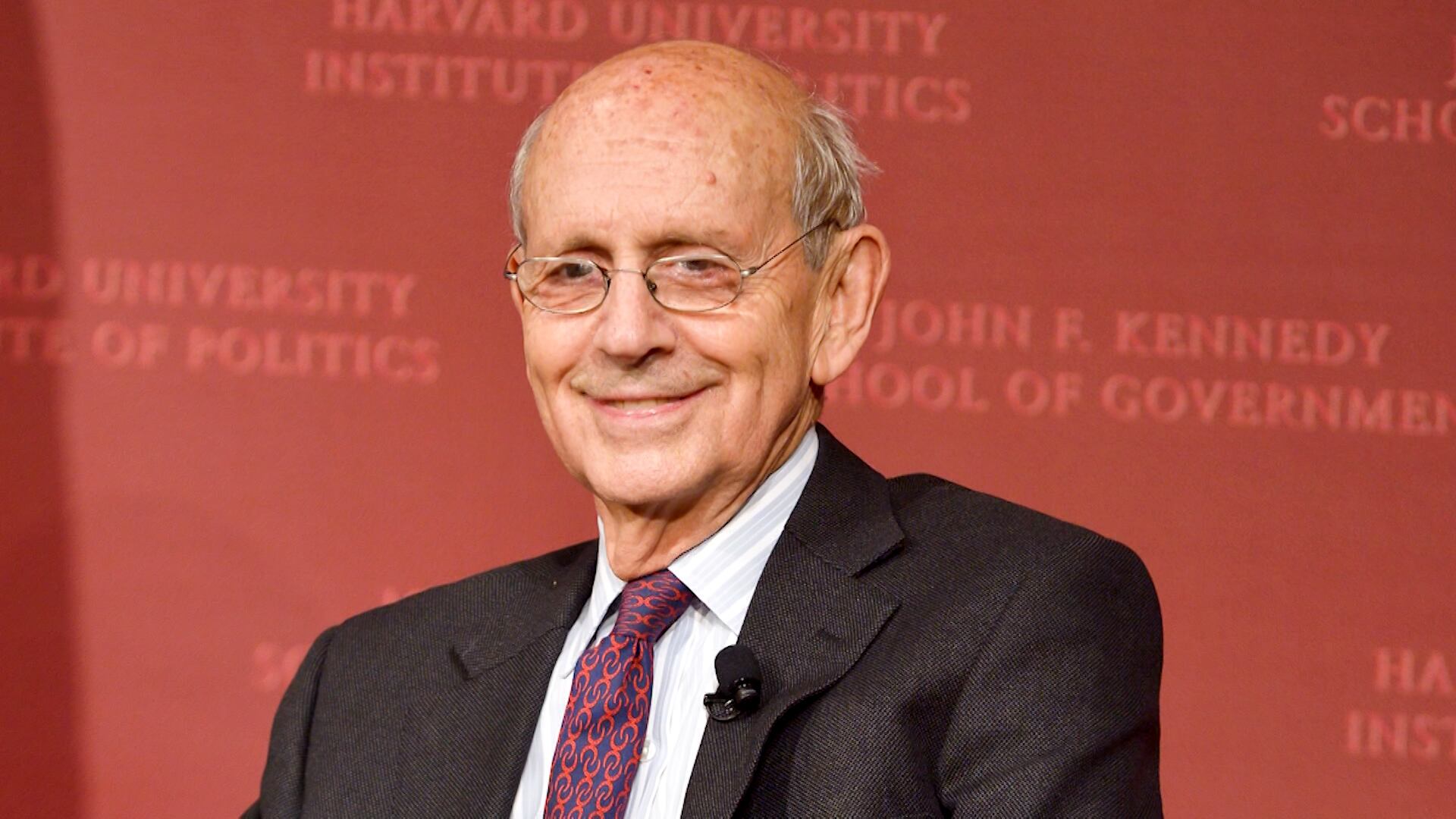
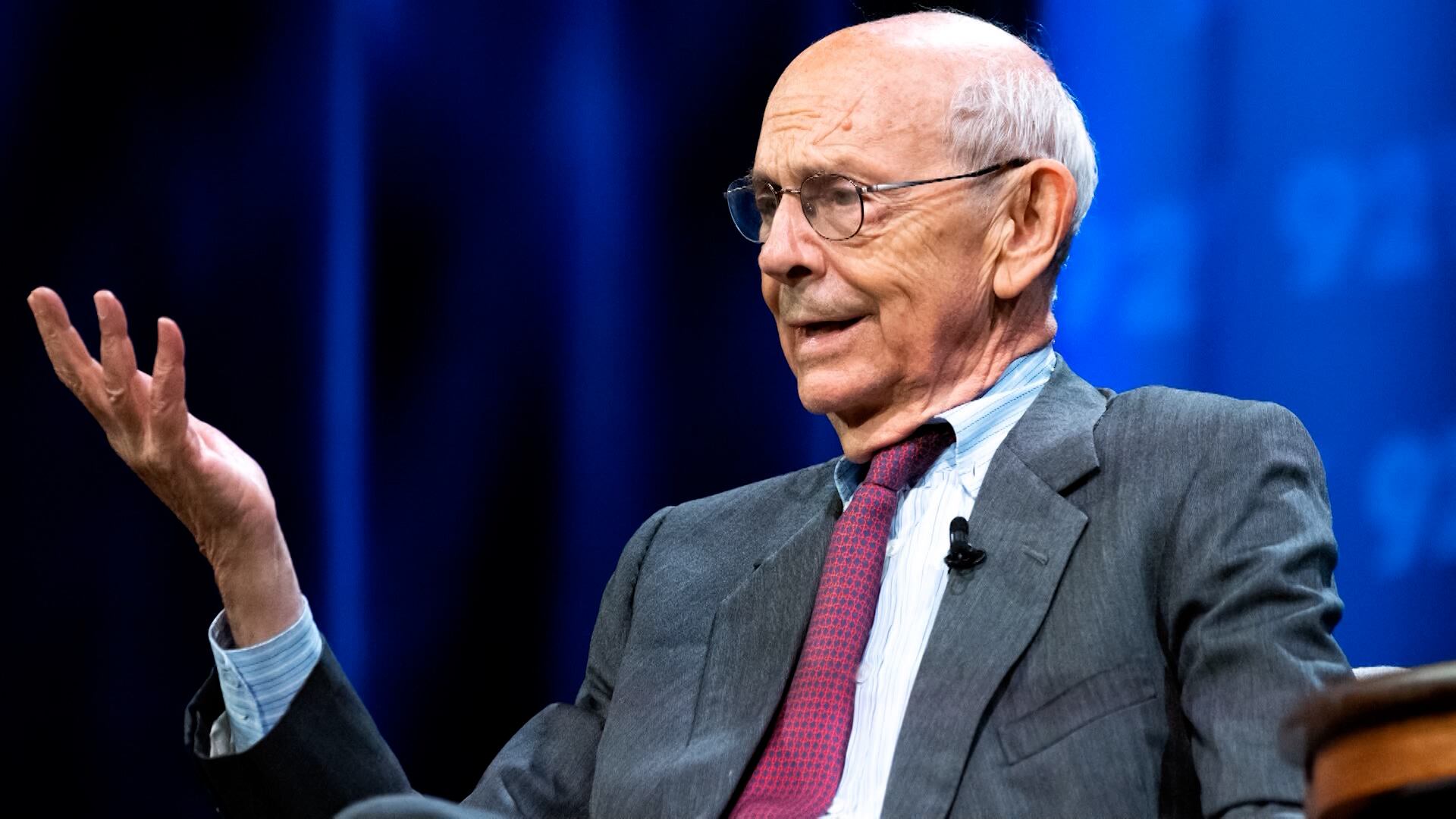
Jessica Mason Pieklo, senior vice president and executive editor of the Rewired News Group and co-host of the podcast. "Boom! Lawyered," joins Cheddar Politics to discuss Justice Stephen Breyer's retirement, legacy and potential replacement on the Supreme Court.
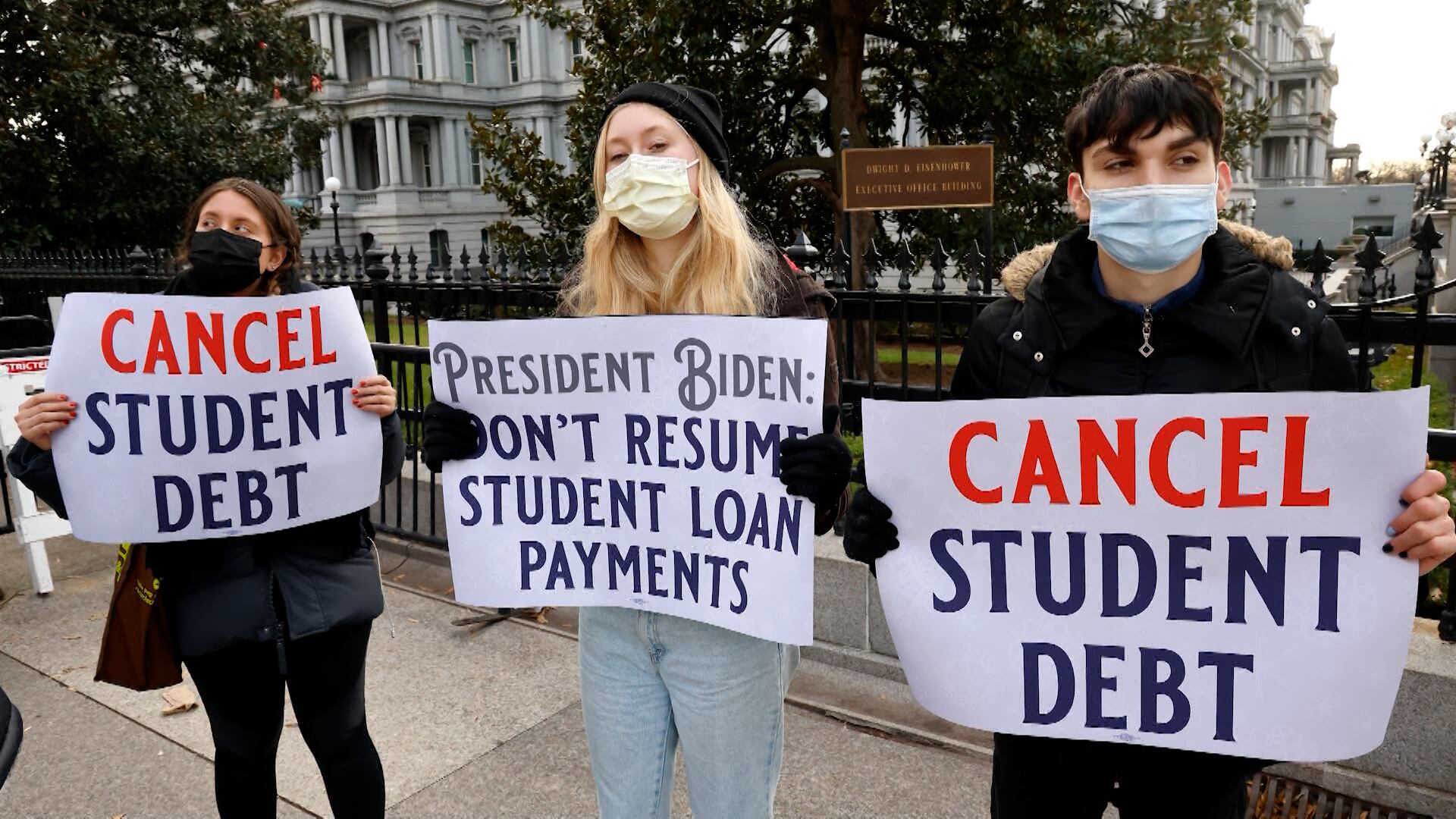
The Biden administration delivered a temporary win for student loan borrowers this year by extending the moratorium on federal payments for a few more months. That moratorium is coming to an end on May 1st and borrowers will again have their monthly loan payment plopped in their lap.
Stephanie Vanderslice, a creative writing professor paying off debt through the Parent Plus program, and Mike Pierce, executive director of the Student Borrower Protection Center, join Cheddar Politics to discuss.
2022 was already going to be a big year for the Supreme Court. We have decisions on major issues like abortion and gun rights on the way. Then, Justice Stephen Breyer announced his retirement and that set up a major confirmation fight for later this year. Amy Howe, co-founder of SCOTUSblog, joins Cheddar Politics to discuss.
The Labor Department released a better-than-expected report of 467,000 jobs added in January. Heather Boushey, Council of Economic Advisers Member for President Biden, joined Cheddar to tout the administration's handling of the economy amid the pandemic and the upward revisions for the previous month. "It also shows that, because of the revisions, the economy was stronger over the past couple of months," she said. "I don't think that this can be said enough, but economic forecasting during an historic pandemic is extremely difficult." Boushey also addressed issues involving wage growth versus the rapid rise of inflation.
The Labor Department's January jobs report showed 467,000 jobs were added, compared to the 150,000 that were projected, a sign that employment is continuign to return to pre-pandemic levels. Lindsey Piegza, chief economist at investment bank Stifel, joined Cheddar to break down the report, noting the big gains but adding a note of caution. "Remember, even with this morning's stellar report, we're still millions below that level that we had reached prior to the onset of COVID-19," she said." Yes, we are recapturing jobs. We still have further ground that needs to be made before we can talk about reaching that previous peak." Piegza also discussed the role of the Federal Reserve going forward as the employment figures turn more positive.