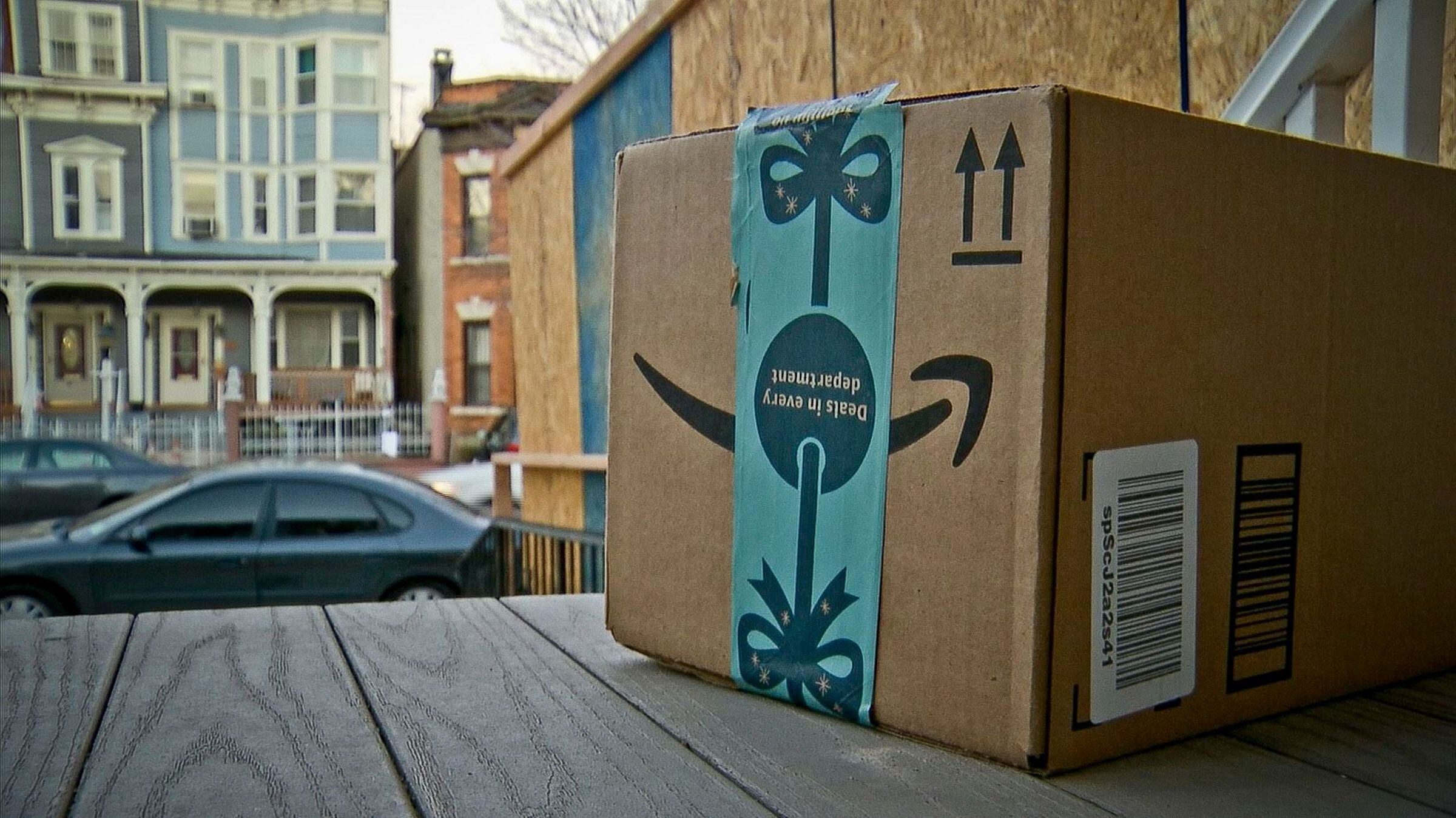
NEW YORK (AP) — More people did their shopping online this year during one of the shortest holiday shopping seasons in years, helping to push total sales higher.
Retail sales in the U.S. rose 3.4% between Nov. 1 and Dec. 24 compared with last year, according to early data from Mastercard SpendingPulse.
Online sales rose at a faster pace, up 18.8% from last year. Online shopping made up nearly 15% of total retail sales.
Mastercard SpendingPulse tracked spending online and in stores across all payment types, including those who paid by cash or check. Sales of automobiles are not included.
Faced with the shortest holiday shopping season since 2013, stores were trumpeting deals even before Halloween with hopes of getting people to think about Christmas.
Thanksgiving landed on Nov. 28 this year, the latest possible date it could fall. That meant six fewer days than last year, forcing last-minute shoppers to scramble. The Saturday before Christmas was the busiest shopping day in U.S. history, surpassing Black Friday, according to research firm Customer Growth Partners.
Clothing sales rose 1%, Mastercard said. Jewelry sales increased 1.8%. Sales of electronics and appliances rose 4.6%. And furniture sales grew 1.3%.
Department stores, which have been hit hard by the rise of online shopping, still had trouble getting shoppers in their doors: total sales fell 1.8%, Mastercard said.
Big Tech is pouring billions into AI. Ray Wang, CEO of Constellation Research, explains what Meta and Microsoft's earnings reveal about those investments.
Morningstar equity analyst Nicolas Owens explains Boeing's latest earnings, deliveries, rising fuel costs, and what they mean for airlines and investors.
The 2026 FIFA World Cup is more than just a tournament. With over 6.5 million fans expected to attend, it's become one of the world's largest economic events.
Variety Senior TV Editor Brian Steinberg breaks down media mergers, streaming, cord-cutting, and the biggest trends reshaping the future of television.
As AI demand surges, LT350 is reimagining parking lots as data centers. Founder and CEO Jeff Thramann explains this innovative approach to AI infrastructure.