Why 'Human Psychology' Could Drive Bitcoin to $50,000
*By Jacqueline Corba*
Bitcoin soared back above the [$8,000 mark this week for the first time since May](https://cheddar.com/videos/reddit-co-founder-on-the-state-of-cryptocurrency). The surge comes as more institutional investors look to grab a piece of the still-emerging crypto market.
"From a stored value perspective I'm a Bitcoin maximalist," [Fin co-CEO and co-Founder Sam Lessin](https://cheddar.com/videos/tech-entrepreneur-sam-lessin-authors-childrens-book-on-bitcoin) told Cheddar's Crypto Craze Thursday. "If you look at the broader blockchain and crypto ecosystem, I don't think people fully appreciate how deeply big a deal it is to have an immutable ledger globally."
Lessin, who served as a vice president of product management at Facebook from 2010 to 2014, joins fellow Facebook alum Anthony Pompliano in his bullish outlook on Bitcoin, the largest digital currency by market cap.
"I've got a high degree of confidence that at some point in the future its going to hit $50,000. And I've got some degree of confidence that it will be by the end of this year," Pompliano, who now runs Morgan Creek Digital Assets, told Cheddar.
The factors driving the value up? Human psychology, speculation around a [cryptocurrency ETF](https://www.coindesk.com/bitwise-proposes-etf-for-top-10-cryptos/), and growing institutional interest, said Pompliano.
Facebook itself even wants in on crypto. In May, [Cheddar reported Facebook is developing its own digital currency](https://cheddar.com/videos/facebook-plans-to-create-its-own-cryptocurrency-2).
"I have a lot of respect for the Facebook team," said Lessin. "What they have is a fundamental networkーthe biggest one ever in the history of the world connecting people." He called a Facebook move toward crypto an "obvious play."
For full interview, [click here] (https://cms.cheddar.com/videos/VmlkZW8tMjExNzY=).
HSBC announced that it is buying a plot of virtual land in decentralized gaming virtual world The Sandbox. Mathieu Nouzareth, U.S CEO of The Sandbox, joins Cheddar News' Closing Bell, where he elaborates on what his platform is providing to HSBC and how his company is helping companies across different sectors embrace Web3.
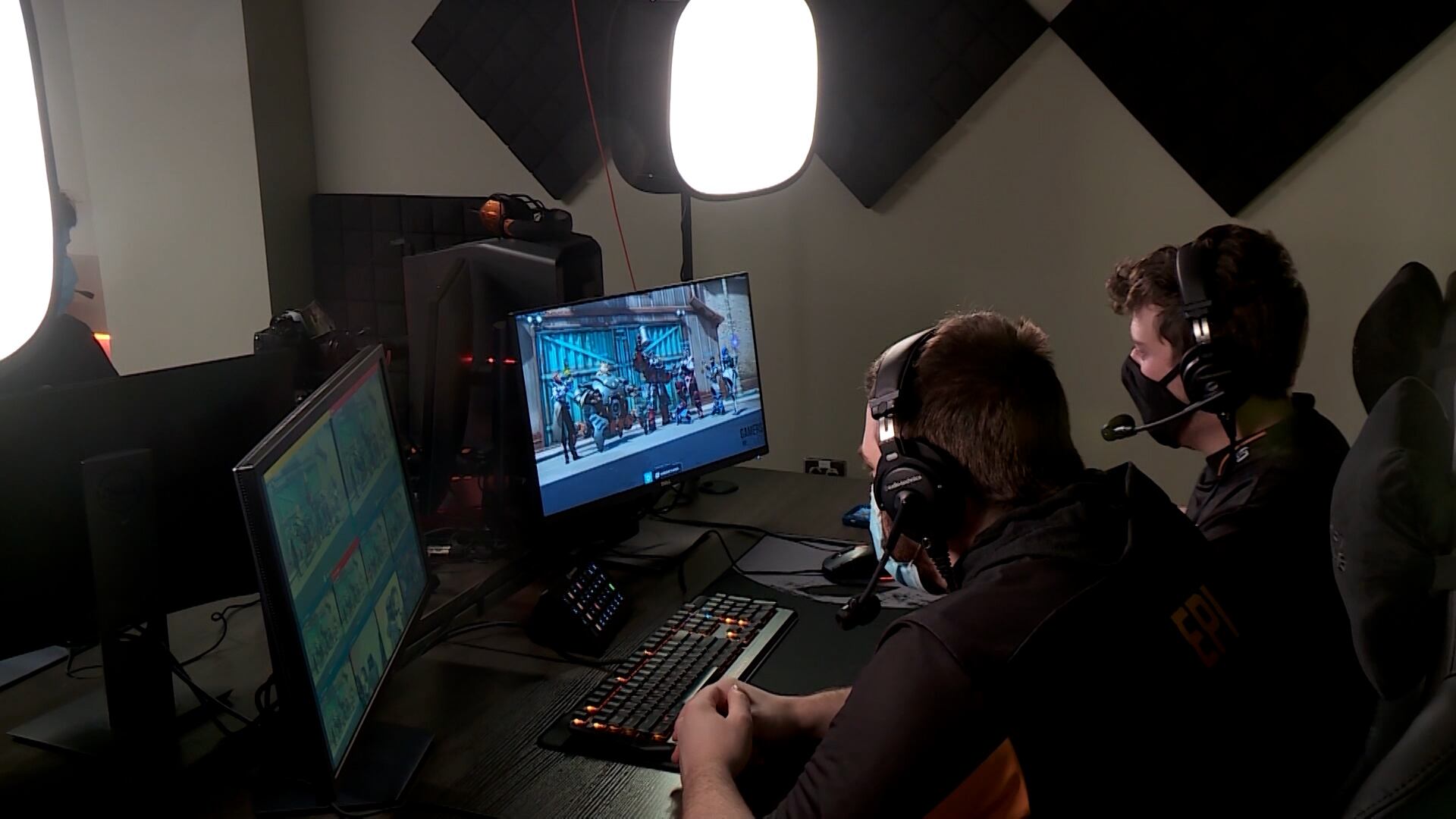
Deepwell Digital Therapeutics is a game development company looking to transform the way we look at video games — this time to improve health outcomes. Its goal is to create software to aid those who deal with conditions such as depression and ADHD. Company co-founder and co-CEO Ryan Douglas and co-founder Kate Edwards joined Cheddar News to talk about the technology is being used to help patients. "From a research perspective, the game industry itself has been well aware for many, many years of the kind of inherent, kind of anecdotal therapeutic value of playing games," said Edwards.
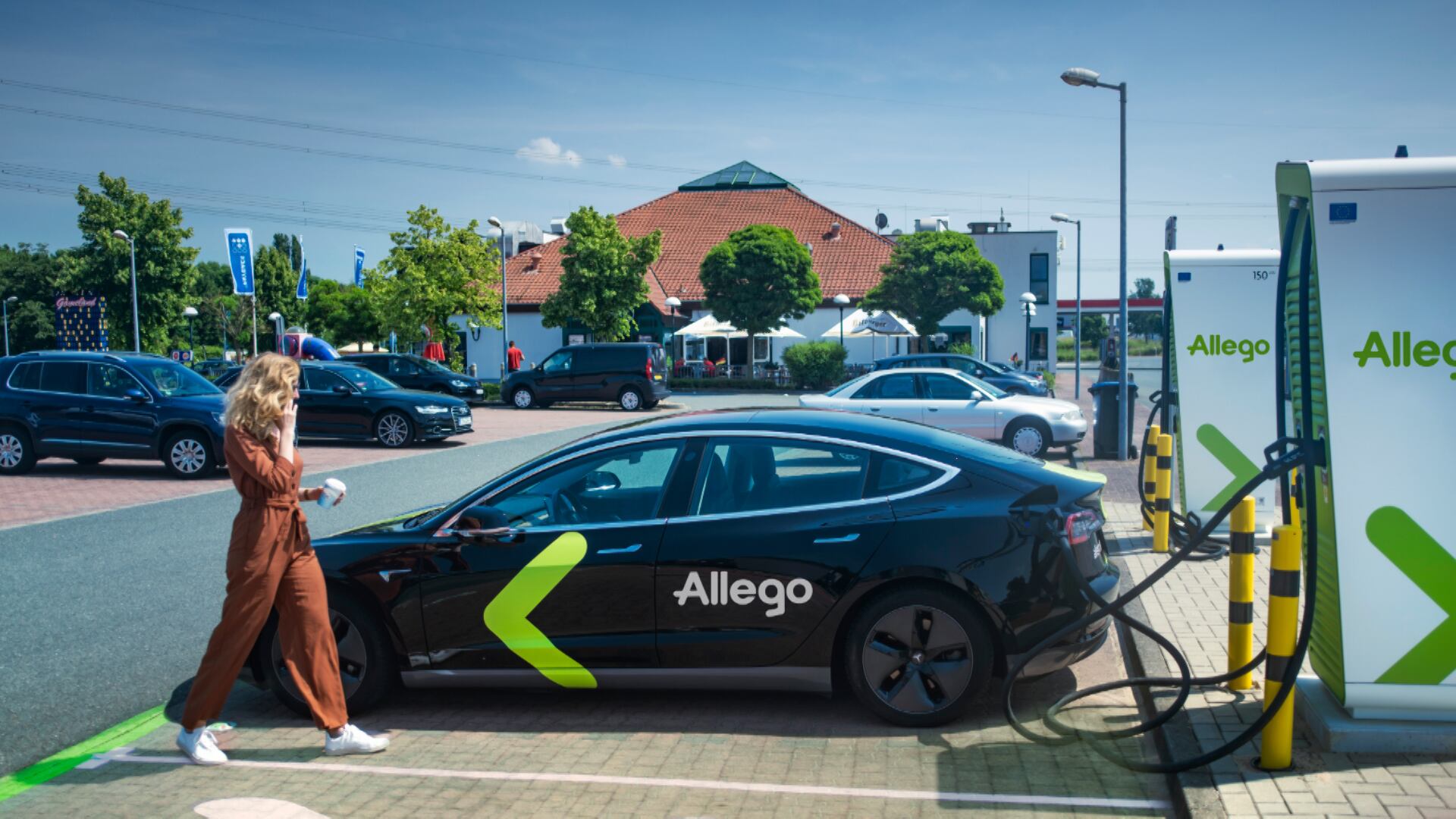
Allego, a European electric vehicle charging company, is officially public. With charging stations in 16 European countries and counting, Allego will play a strong supporting role in Europe's transition to clean energy, as its stations pull exclusively from renewable sources. Mathieu Bonnet, CEO of Allego, spoke with Cheddar's Opening Bell about its recent listing, the future of the EV industry, and what the Russia-Ukraine war means for the adoption of electric vehicles.
Neonvest is a platform connecting startups and entrepreneurs with experts in the VC space. The startup says it's in the process of raising a seed round of approximately $2.5 million from a mix of angel and institutional investors. Aakash Shah, co-founder of NeonVest, joins Cheddar News' Closing Bell to discuss.
The Bill Gates-founded Breakthrough Energy company invested $80 million in Verdox Inc. to facilitate efficient, lower-cost technolog to remove carbon from the air and emission sources. CEO of Verdox, Brian Baynes, joined Cheddar News to discuss the investment, how the company's tech works, and where he sees it going. "We anticipate that with technologies like ours, we potentially can get to the scale of about a million tons per year within 5-10 years," he said. "And then ultimately we need to be doing this at the scales of billions of tons per year and ultimately about 10 billion tons per year in the year 2050."