Why 'Human Psychology' Could Drive Bitcoin to $50,000
*By Jacqueline Corba*
Bitcoin soared back above the [$8,000 mark this week for the first time since May](https://cheddar.com/videos/reddit-co-founder-on-the-state-of-cryptocurrency). The surge comes as more institutional investors look to grab a piece of the still-emerging crypto market.
"From a stored value perspective I'm a Bitcoin maximalist," [Fin co-CEO and co-Founder Sam Lessin](https://cheddar.com/videos/tech-entrepreneur-sam-lessin-authors-childrens-book-on-bitcoin) told Cheddar's Crypto Craze Thursday. "If you look at the broader blockchain and crypto ecosystem, I don't think people fully appreciate how deeply big a deal it is to have an immutable ledger globally."
Lessin, who served as a vice president of product management at Facebook from 2010 to 2014, joins fellow Facebook alum Anthony Pompliano in his bullish outlook on Bitcoin, the largest digital currency by market cap.
"I've got a high degree of confidence that at some point in the future its going to hit $50,000. And I've got some degree of confidence that it will be by the end of this year," Pompliano, who now runs Morgan Creek Digital Assets, told Cheddar.
The factors driving the value up? Human psychology, speculation around a [cryptocurrency ETF](https://www.coindesk.com/bitwise-proposes-etf-for-top-10-cryptos/), and growing institutional interest, said Pompliano.
Facebook itself even wants in on crypto. In May, [Cheddar reported Facebook is developing its own digital currency](https://cheddar.com/videos/facebook-plans-to-create-its-own-cryptocurrency-2).
"I have a lot of respect for the Facebook team," said Lessin. "What they have is a fundamental networkーthe biggest one ever in the history of the world connecting people." He called a Facebook move toward crypto an "obvious play."
For full interview, [click here] (https://cms.cheddar.com/videos/VmlkZW8tMjExNzY=).
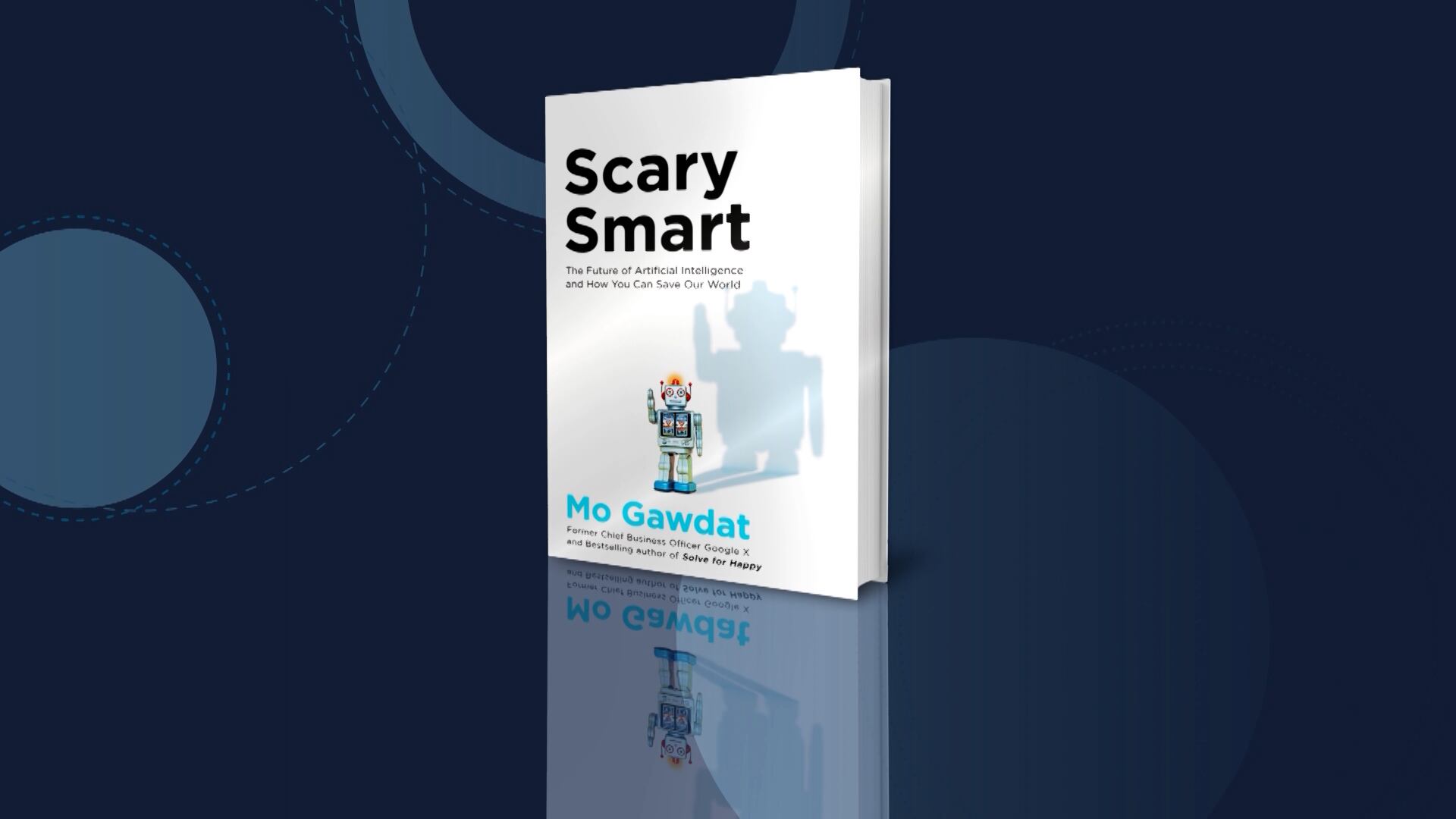
Mo Gawdat, author of 'Scary Smart: The Future of Artificial Intelligence and How You Can Save Our World' joins Cheddar News to discuss his book that dives into the future of AI.
Mark Wagman, Managing Director at MediaLink, joins Cheddar News' Closing Bell to discuss the impact of Apple's iOS security change on fellow big tech companies Facebook, Snap, and Twitter. Apple now lets iOS users opt-out of cross-app data tracking - which hurt Facebook and Snap's advertising revenue in the third quarter.
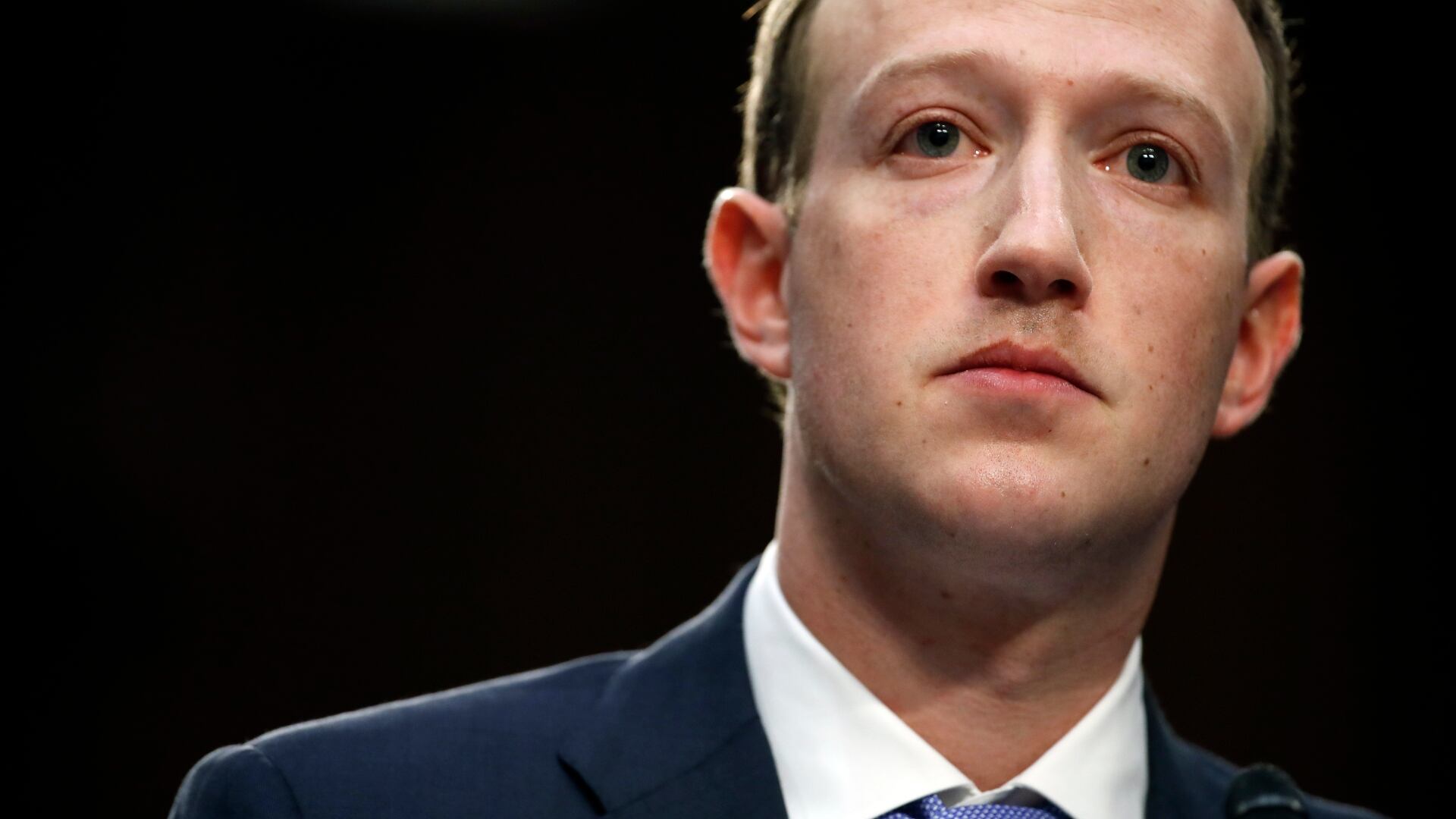
Facebook has dominated the headlines over the past week. The social media giant reported earnings on Monday, has been in the crosshairs of lawmakers and is now expected to rebrand itself as it gears up for what it calls the metaverse. Daniel Newman, Founder & Principal Analyst at Futurum Research, joins Cheddar News' Closing Bell where he discusses what we should expect to see ultimately unfold.
Verizon is teaming with Amazon's Project Kuiper low-orbit satellites to help improve communications and internet connectivity. Sampath Sowmyanarayan, chief revenue officer for Verizon Business, joined Cheddar to talk about the relationship with Amazon and what customers can expect from the strategic partnership. He noted that the 5G expansion via the satellite network will benefit rural communities where internet and wireless access remains difficult.
Social media platforms TikTok, Snapchat, and YouTube are facing questions in DC about consumer protections, data security, and product safety for young users. Emily Birnbaum, tech lobbying and influence reporter at Politico, joined Cheddar to provide some background into what led to the congressional hearing and the potential outcome. Birnbaum noted that social media platforms have been attempting to distance themselves from Facebook and the ongoing bad press it garnered in recent months.
Cisco's Webex Hologram is looking to transform workspaces with augmented reality technology. Jeetu Patel, EVP and general manager of security and collaboration at Cisco, joined Cheddar to provide some details about the virtual workspace and discuss the industries that might benefit most from it. "We're in the era of flexibility and choice and inclusivity, where people want to make sure that they can work on their terms so that they've got complete flexibility in how they structure the day," Patel said.