Nike's Chief Design Officer John Hoke on Wednesday stopped by Cheddar to unveil the company's latest collection of sneakers designed for the 2020 Tokyo Summer Olympics.
The global games are somewhat synonymous with the Nike brand, which has been an official sponsor and supplier for Team USA since the 2006 Olympic Winter Games in Torino, Italy.
With that role, Hoke said, comes a responsibility to meet athletes' needs and ideally help them improve their performance through constant design innovations.
"Innovation is a commitment, not a guarantee," he said. "We're lucky enough to have athletes like [marathoner Eliud Kipchoge] and countless others who are pushing us to innovate continuously."
Kipchoge famously wore a Nike prototype shoe in 2019 when he finished the 26.2-mile Vienna City Marathon in under two hours, a threshold that many had considered an impossible feat.
The official version of that shoe is part of the 2020 Olympics lineup. Dubbed the Nike Air Zoom Alphafly NEXT%, the race-day shoe features a carbon-fiber plate, special "pods" for cushioning and energy return, and an "ultra-breathable, lightweight Flyknit upper," according to Nike.
"This is basically a tour de force of innovation," Hoke said. "We've been studying the runner for 50 years, so imagine 50 years of innovation all coming to bear on the Tokyo Olympics."
How much advantage a shoe should provide is a source of considerable debate in the athletic community. World Athletics, the governing body of the Olympics, recently updated its technical regulations for shoes that set limits on the width of the sole, the number of carbon fiber plates, and other specifications that qualify the amount of running technology allowed in competition.
Nike is aware of the new regulations and has taken them into account for its latest batch of high-tech sneakers.
"One of the constraints that we face is how we progress sports forward, and where there are constraints that's where creativity comes in," Hoke said.
On the more fashionable end of the spectrum, Nike has released another sneaker for athletes to wear along with the rest of their branded gear while standing on the winner's podium.
The style that Nike is calling the Space Hippie uses post-industrial and post-consumer materials to create a shoe that wears its sustainability on its threads. Hoke said that NASA and the limits of space travel inspired the design ethic of the shoe.
"We actually constrained ourselves as designers and gave a certain amount of materiality and said 'that's all you got,'" he said.
While these shoes are being rolled out for the upcoming Olympics, Nike's long-term goal is to let the new technology trickle down into other shoes for other athletes around the world
"The way we operate is that we take learnings from these lead athletes and we immediately cascade that to every single athlete," Hoke said. "Because our job is to invite more to sports. We believe making sports a daily habit is important. We believe the world is better with sports."
Plant-based hair extension company Rebundle recently raised $1.4 million in a pre-seed round led by M25. The company based in St. Louis says it is revolutionizing hair extensions with more comfort and less waste. Rebundle's braiding hair is made from a non-toxic, biodegradable plant, which the company says is better for the scalp and the environment. Rebundle Co-Founder and CEO Ciara Imani May and Co-Founder and CMO Danielle Washington joined Cheddar News' Closing Bell to discuss.
Soildus Labs, a market compliance and surveillance technology provider for crypto firms, has spearheaded the launch of the Crypto Market Integrity Coalition, a pledge committing to a safe and sensibly-regulated crypto industry. Kathy Kraninger, VP of Regulatory Affairs at Solidus Labs, discusses on Cheddar News' Closing Bell the biggest problems in the digital asset space that this new initiative plans to solve.
Stocks closed mixed Monday as a broader tech sell-off continued, leading the Nasdaq to close down 0.58%. Investors are keeping an eye on earnings, and also looking ahead to Thursday's CPI data, which will give an idea of how hot inflation could still be running. Steve Sosnick, Chief Strategist at Interactive Brokers, joins Closing Bell to discuss today's close, the Federal Reserve's plans to raise interest rates and taper asset purchasing, his 2022 market outlook, and more.
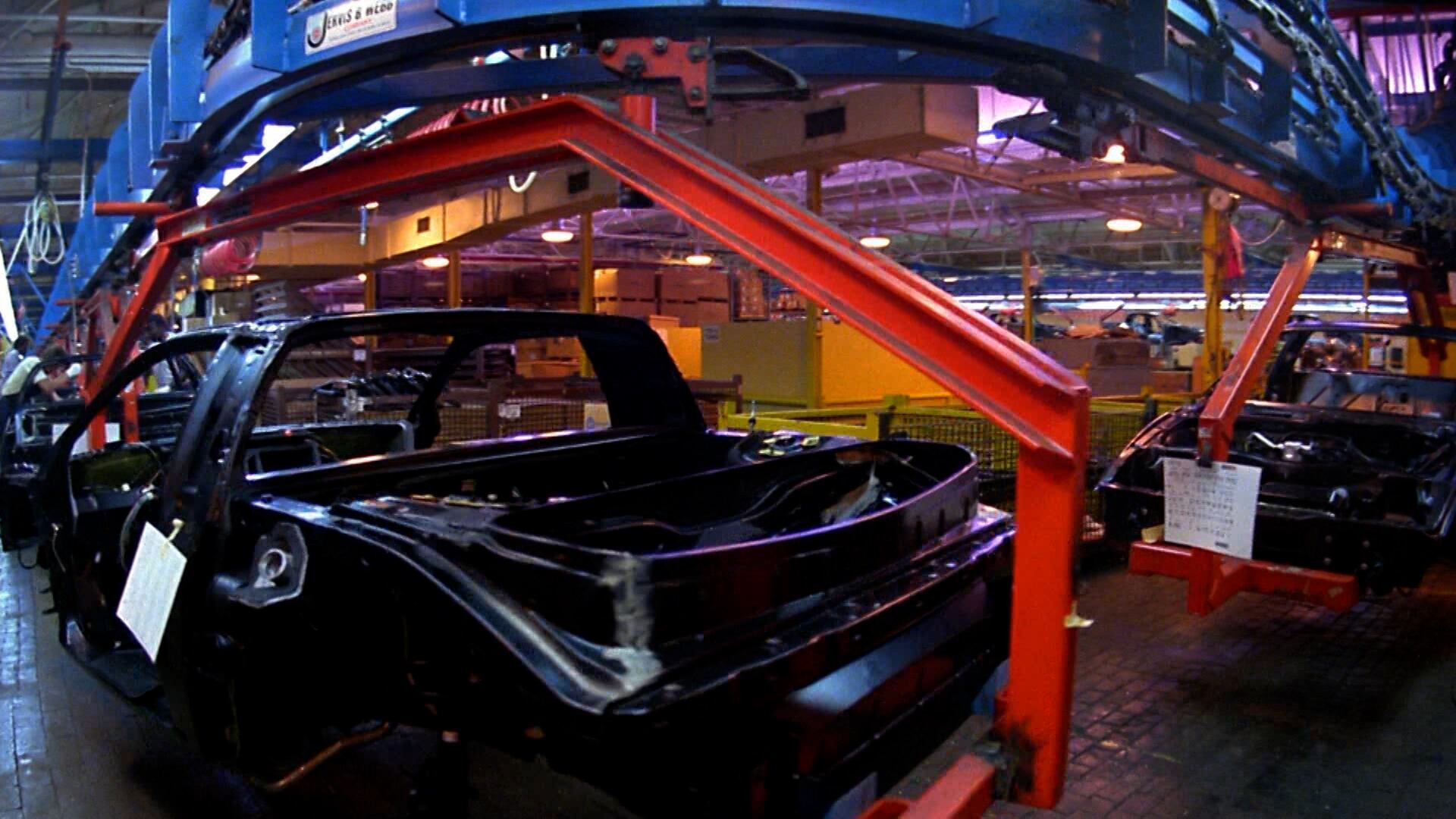
The global chip shortage continues to weigh on the automotive industry. For example, Ford says it is suspending or cutting production at eight of its factories in North America through next week due to the shortage. Balu Balakrishnan, President and CEO of Power Integrations, joins Cheddar News' Closing Bell, where he elaborates on why the chip shortage has dragged into 2022.
Peloton has weathered a seemingly never-ending storm the past few months: PR blunders, sinking customer demand, and in recent weeks, reported cost-cutting and potential layoffs. Now, several companies are said to be in the mix as potential buyers: Amazon, Netflix, Disney, and Apple. How likely is it that one of these companies pursues a deal — and how likely is it that it will be Apple who buys Peloton? Dan Ives, Managing Director of Equity Research at Wedbush Securities, joins Closing Bell to discuss his thoughts about Apple pursuing a Peloton takeover,
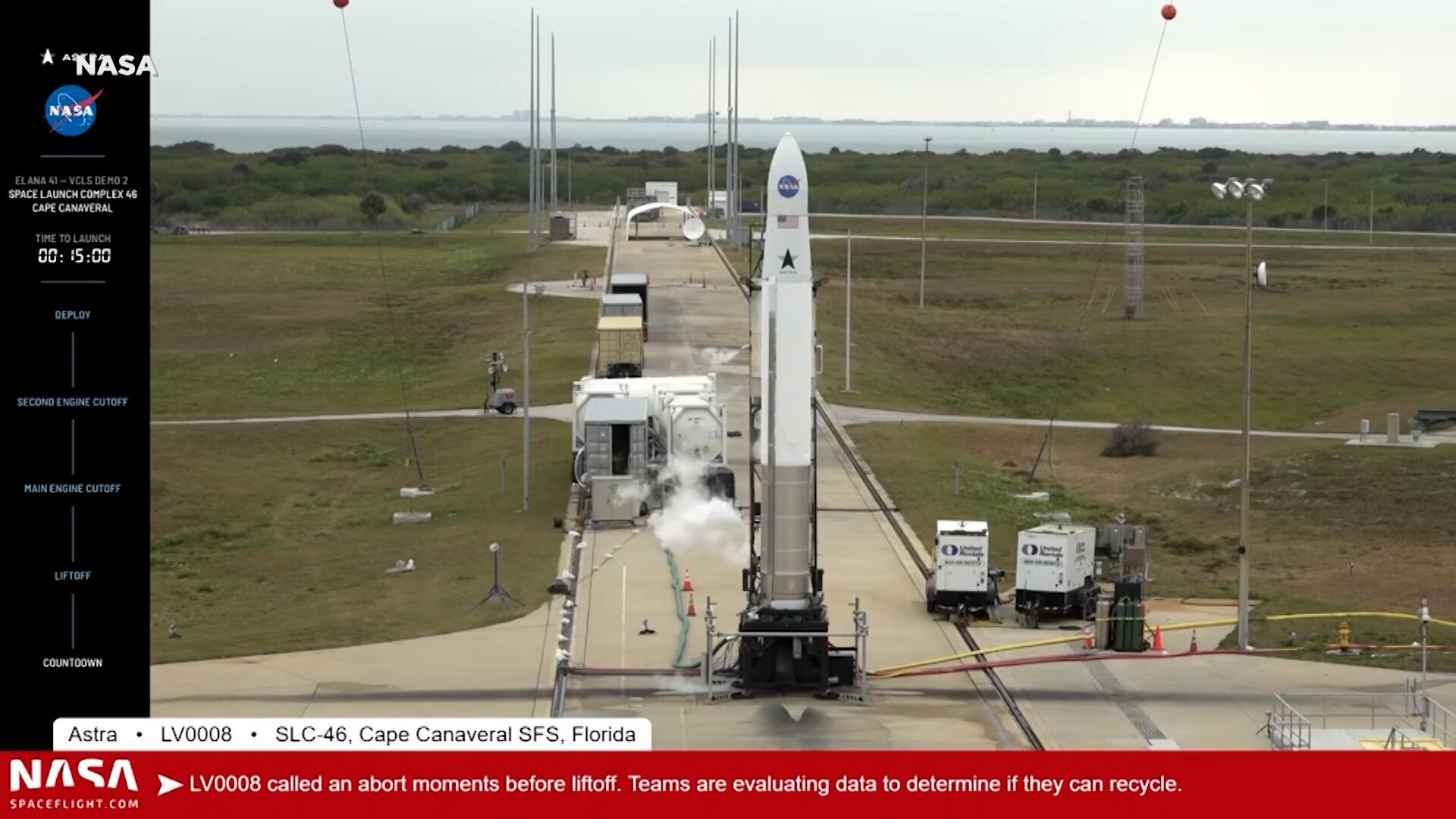
Astra aborted the launch for NASA ELaNa 41 Mission out of Cape Canaveral on Monday due to what was described as a minor issue, but the company's stock fell nearly 14 percent following the news. Jim Cantrell, CEO and co-founder of Phantom Space, which builds and launches spacecraft of its own, joined Cheddar to discuss the scrubbed mission. “The last thing you want is for this to go wrong, you're better to err on the side of safety expectations,” Cantrell explained, noting that the mission delay was a normal event.
Dating app Bumble announced its first acquisition, expanding into Europe by picking up Fruitz, a French Platform. The Fruitz app allows its users to convey dating preferences through fruit metaphors.