Nike's Chief Design Officer John Hoke on Wednesday stopped by Cheddar to unveil the company's latest collection of sneakers designed for the 2020 Tokyo Summer Olympics.
The global games are somewhat synonymous with the Nike brand, which has been an official sponsor and supplier for Team USA since the 2006 Olympic Winter Games in Torino, Italy.
With that role, Hoke said, comes a responsibility to meet athletes' needs and ideally help them improve their performance through constant design innovations.
"Innovation is a commitment, not a guarantee," he said. "We're lucky enough to have athletes like [marathoner Eliud Kipchoge] and countless others who are pushing us to innovate continuously."
Kipchoge famously wore a Nike prototype shoe in 2019 when he finished the 26.2-mile Vienna City Marathon in under two hours, a threshold that many had considered an impossible feat.
The official version of that shoe is part of the 2020 Olympics lineup. Dubbed the Nike Air Zoom Alphafly NEXT%, the race-day shoe features a carbon-fiber plate, special "pods" for cushioning and energy return, and an "ultra-breathable, lightweight Flyknit upper," according to Nike.
"This is basically a tour de force of innovation," Hoke said. "We've been studying the runner for 50 years, so imagine 50 years of innovation all coming to bear on the Tokyo Olympics."
How much advantage a shoe should provide is a source of considerable debate in the athletic community. World Athletics, the governing body of the Olympics, recently updated its technical regulations for shoes that set limits on the width of the sole, the number of carbon fiber plates, and other specifications that qualify the amount of running technology allowed in competition.
Nike is aware of the new regulations and has taken them into account for its latest batch of high-tech sneakers.
"One of the constraints that we face is how we progress sports forward, and where there are constraints that's where creativity comes in," Hoke said.
On the more fashionable end of the spectrum, Nike has released another sneaker for athletes to wear along with the rest of their branded gear while standing on the winner's podium.
The style that Nike is calling the Space Hippie uses post-industrial and post-consumer materials to create a shoe that wears its sustainability on its threads. Hoke said that NASA and the limits of space travel inspired the design ethic of the shoe.
"We actually constrained ourselves as designers and gave a certain amount of materiality and said 'that's all you got,'" he said.
While these shoes are being rolled out for the upcoming Olympics, Nike's long-term goal is to let the new technology trickle down into other shoes for other athletes around the world
"The way we operate is that we take learnings from these lead athletes and we immediately cascade that to every single athlete," Hoke said. "Because our job is to invite more to sports. We believe making sports a daily habit is important. We believe the world is better with sports."
Greg Martin, Founder and Managing Director at Rainmaker Securities, discusses the benefits of Big Tech bidding for Peloton and highlights the ongoing headwinds impacting the exercise equipment maker.
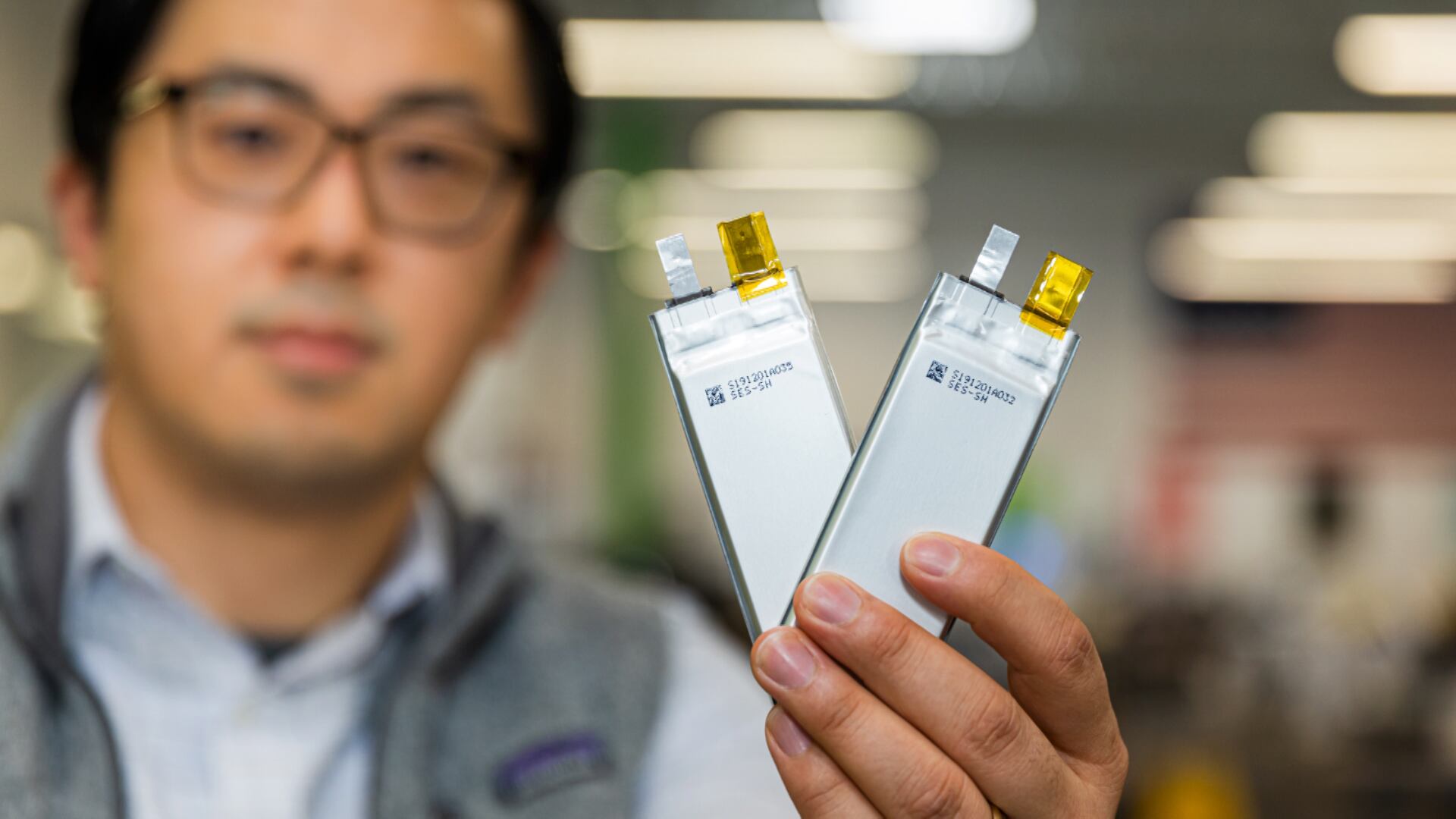
SES Holdings, a leader in production of high-performance hybrid lithium-metal rechargeable batteries for electric vehicles, has arrived on Wall Street. The company went public via SPAC deal and now trades on the New York Stock Exchange under the ticker 'SES.' Qichao Hu, founder & CEO, joined Cheddar Movers to discuss the debut as well as what lies ahead for the company.
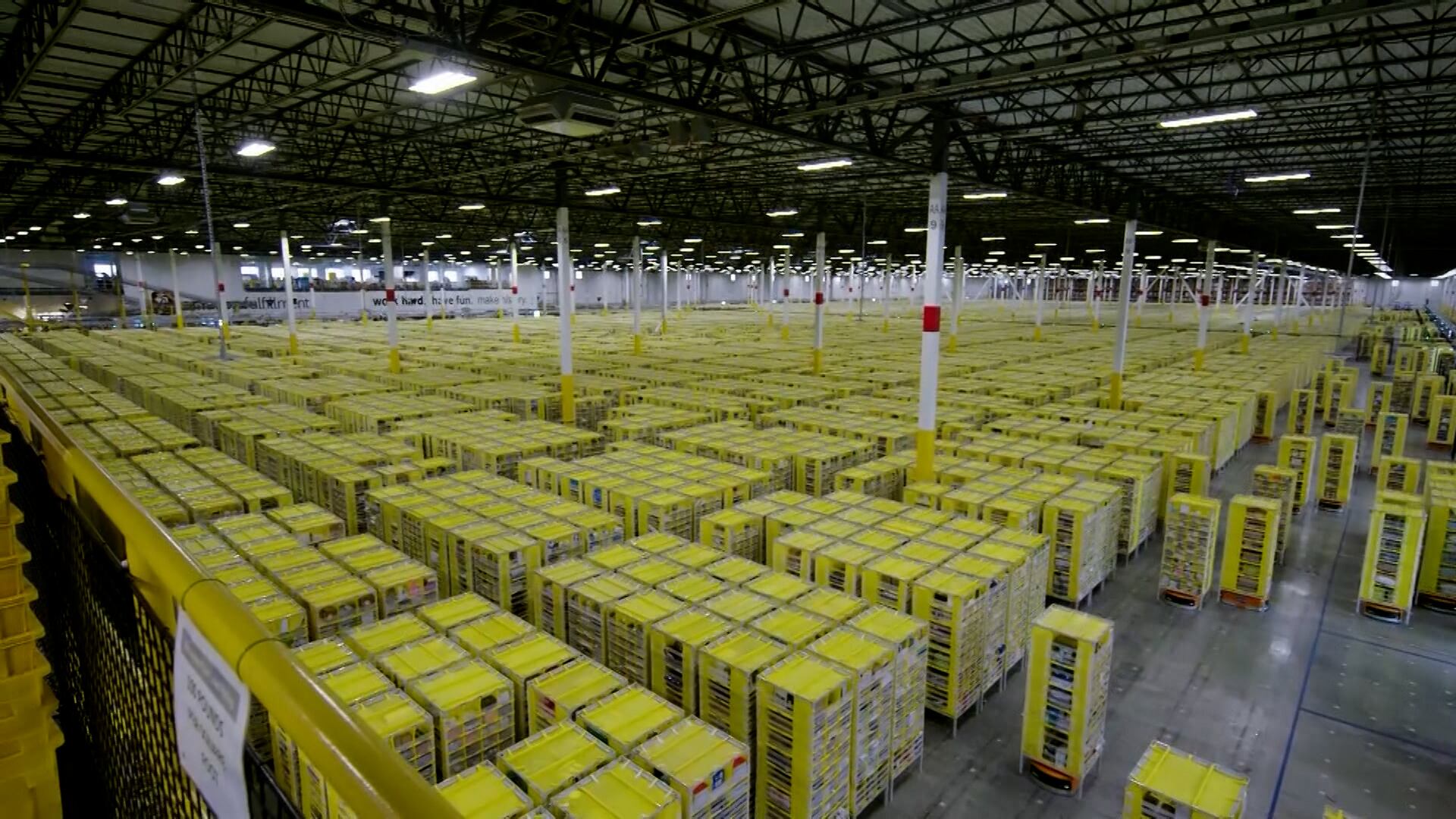
Amazon warehouse workers in Alabama are set to begin voting to unionize for a second time after workers at the facility in the town of Bessemer overwhelmingly voted against forming a union during an election early last year; but in November, the National Labor Relations Board overturned the vote, upholding a union challenge of the results which argued that Amazon undermined the conditions for a fair election. Another round of ballots will now be mailed out to works at the warehouse for a so-called re-run election. Director of Labor and Employment Studies at San Francisco State University John Logan and National Field Director for Our Revolution Mike Oles joined Cheddar News' Closing Bell to discuss.
Stocks closed near session highs Tuesday as investors eyed more strong corporate earnings reports, and prepped for Thursday CPI data which will give an idea of how hot inflation may still be running. Hugh Johnson, Chairman and Chief Economist of Hugh Johnson Economics, joined Closing Bell to discuss today's close, earnings season so far, predictions about the Federal Reserve's plan to raise interest rates, and more.
Johannes Evenblij, President of PepsiCo Beverages North America for the West Division, joins Cheddar News to discuss giving back at the Super Bowl this year
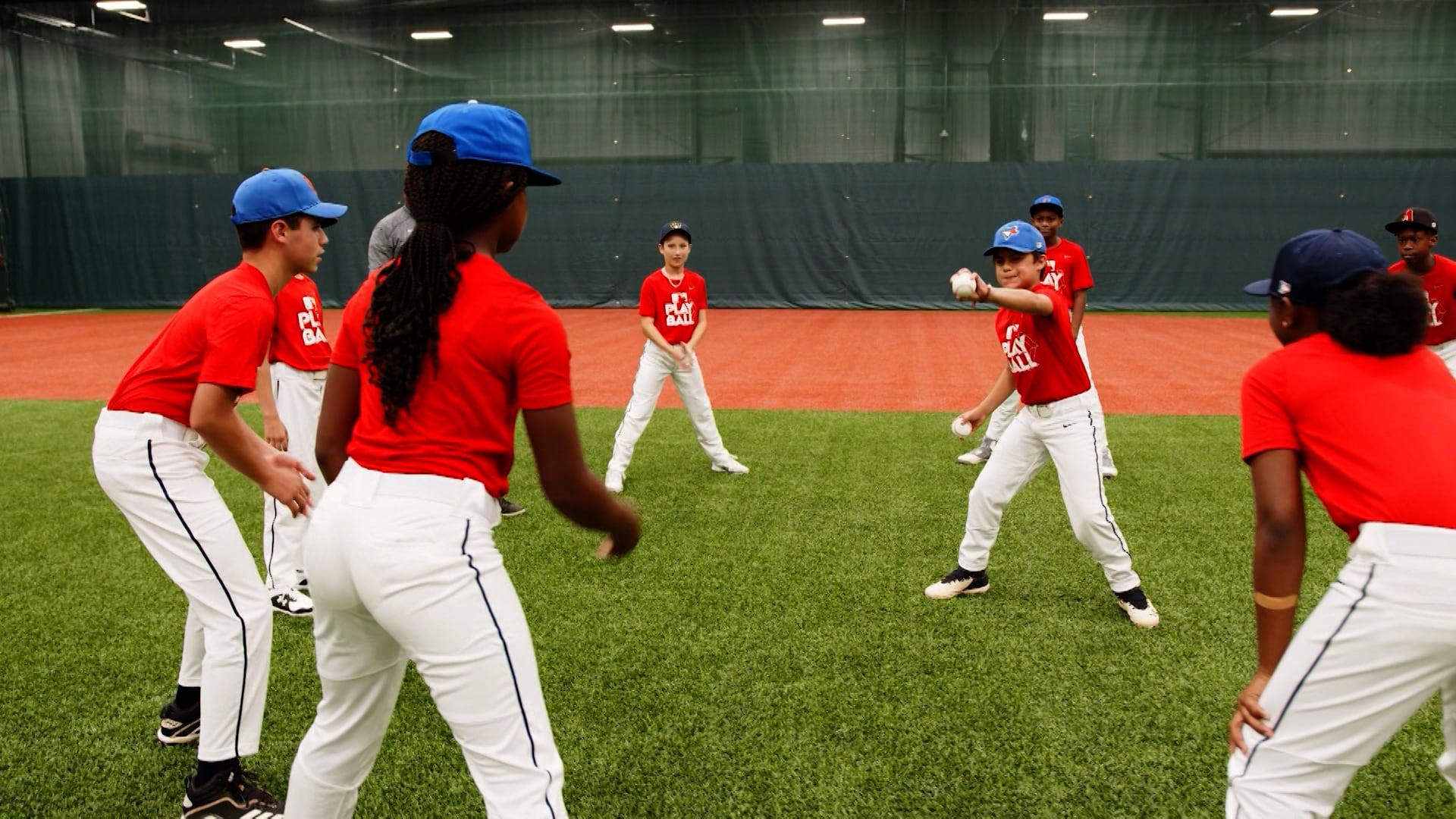
Youth sports coaching service MOJO has partnered with Major League Baseball, named the "trusted grassroots coaching app" of the MLB. The app provides content for parents and coaches to help young players grow their skills. Ben Sherwood, founder & CEO of MOJO joined Cheddar News to talk about how his app works to improve coaching to keep players interested. "The number one reason that kids drop out of sports and all of the surveys is that sports aren't fun, and one of the big reasons that sports aren't fun is that the coach doesn't know what she or he is doing," he said. "We think there's a great coach in everyone, and we just have to have the right resources and tools and inspiration."
Big tech companies such as Amazon and Google are garnering criticism for failing at their proposed climate pledges, most of which rely on carbon offsets — a potential loophole where companies pay others to address their omissions. Gilles Dufrasne, policy officer at Carbon Market Watch, joined Cheddar News to explain the organization's negative evaluation. "The objective here is not to bash companies and say everybody is doing the wrong thing," he said. "The objective is to also provide lessons, and there are some companies that are doing the right thing."