The Oklahoma Supreme Court ruled on Wednesday that two state laws banning abortion are unconstitutional, but the procedure remains illegal in the state in nearly all cases except life-threatening situations.
In a 6-3 ruling, the high court said the two bans are unconstitutional because they require a “medical emergency” before a doctor can perform an abortion. The court said this language conflicts with a previous ruling it issued in March that determined the Oklahoma Constitution provides an “inherent right of a pregnant woman to terminate a pregnancy when necessary to preserve her life.”
The court's decision was welcomed by doctors who said uncertainty about the state's abortion laws often forced them to make women facing severe medical complications and nonviable pregnancies to wait for their condition to worsen before they could perform an abortion.
“In our practice we had cases where we would just have to tell women who we would normally offer a (pregnancy) termination to protect her health ... ‘We have to let you go home and monitor your condition and if you start showing signs of infection or worsening blood pressure, then come back and we have the ability to legally treat you,’” said Dana Stone, an Oklahoma City obstetrician and gynecologist. “Otherwise, we're at risk with these laws of going to jail for 10 years, having hundreds of thousands of dollars in fines and losing our medical licenses.”
Despite the court's March decision that the requirement to wait until an active medical emergency violated the state constitution, there remained uncertainty because of the two laws that remained in effect.
“With their decision today, the court has ensured that the March decision will be fully realized,” said Rabia Muqaddam, a senior staff attorney at the New York-based Center for Reproductive Rights, which challenged the laws on behalf of a Tulsa abortion provider. “Hopefully patients will be receiving the medically necessary care they need without waiting until they are on death's door.”
The laws struck down Wednesday both included a civil-enforcement mechanism that allowed citizens to sue someone who either performed or helped someone perform an abortion.
“Despite the court’s decisions today on SB 1603 and HB 4327, Oklahoma’s 1910 law prohibiting abortion remains in place," Oklahoma Attorney General Gentner Drummond said in a statement. "Except for certain circumstances outlined in that statute, abortion is still unlawful in the state of Oklahoma.”
Oklahoma's 1910 law makes it a felony crime punishable by up to five years in prison for anyone to perform an abortion or help a woman obtain an abortion unless it is “necessary to preserve her life.”
The court's decision was decried by Republican leaders and Gov. Kevin Stitt, who have worked for years to tightly restrict abortion access in Oklahoma.
“This court has once more over-involved itself in the state’s democratic process, and has interceded to undo legislation created by the will of the people," Stitt said in a statement. "I agree with Justice (Dustin) Rowe’s dissent, ‘The issues presented in this matter are political questions, which are better resolved by the people via our democratic process.’”
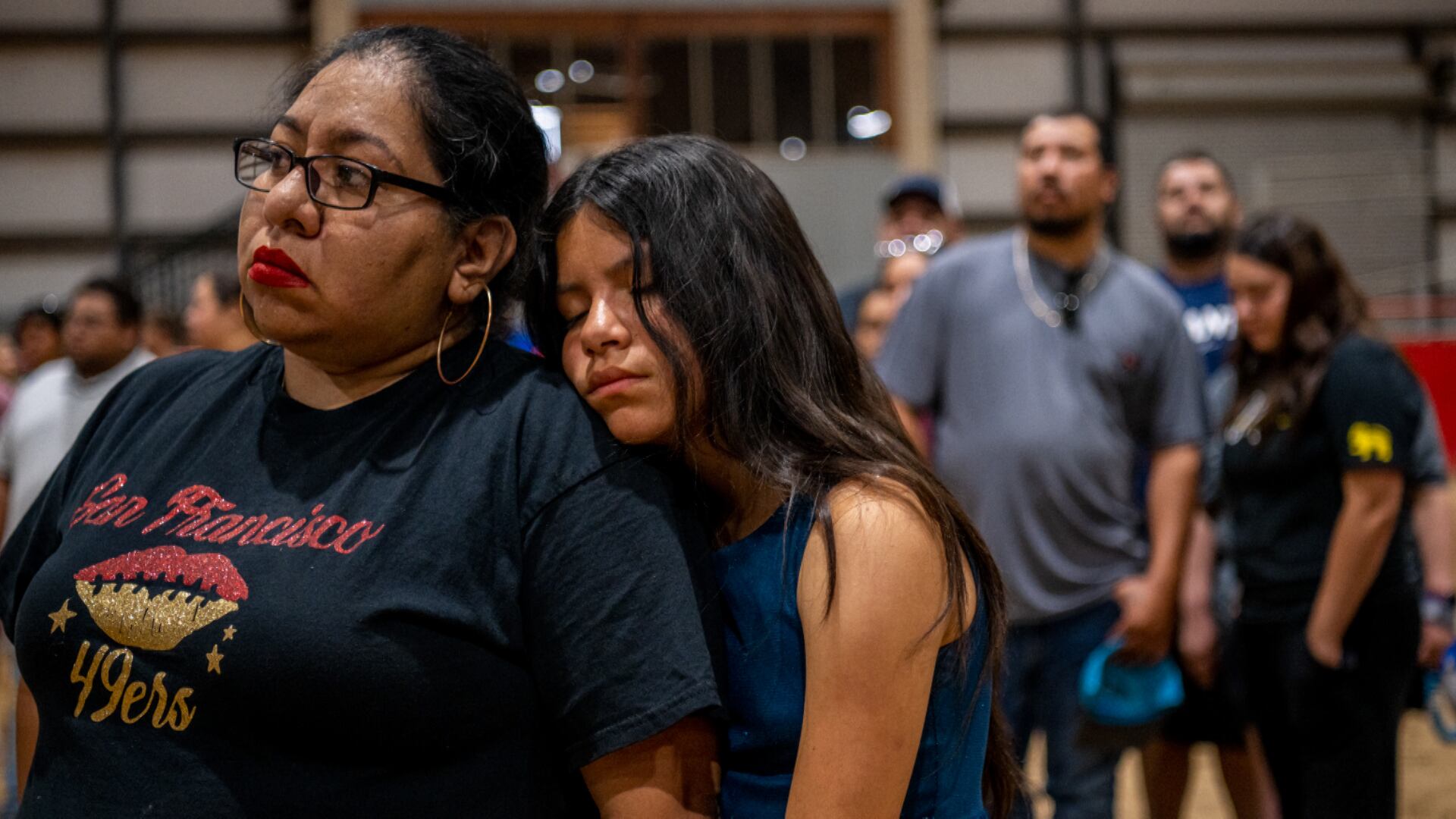
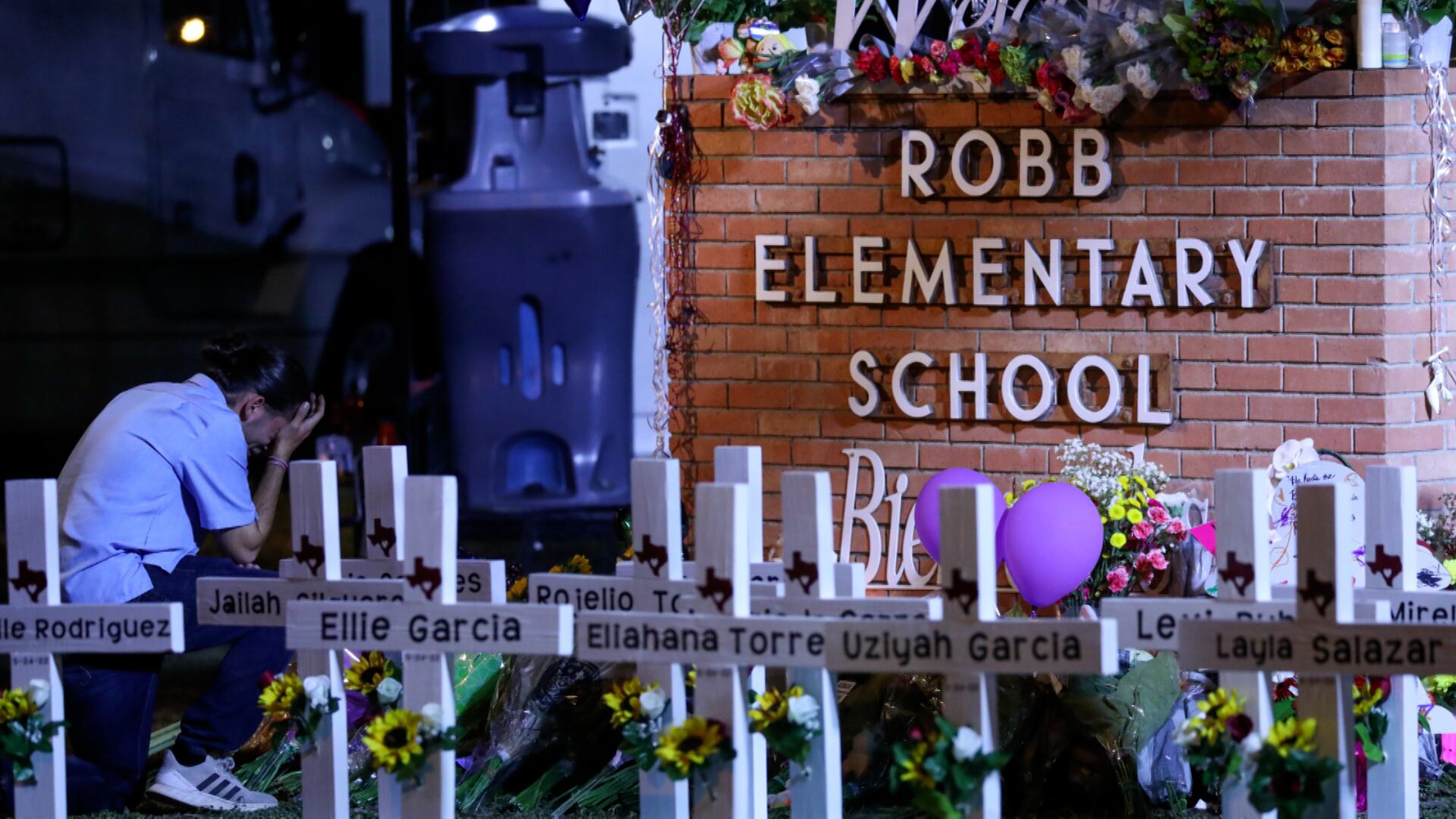
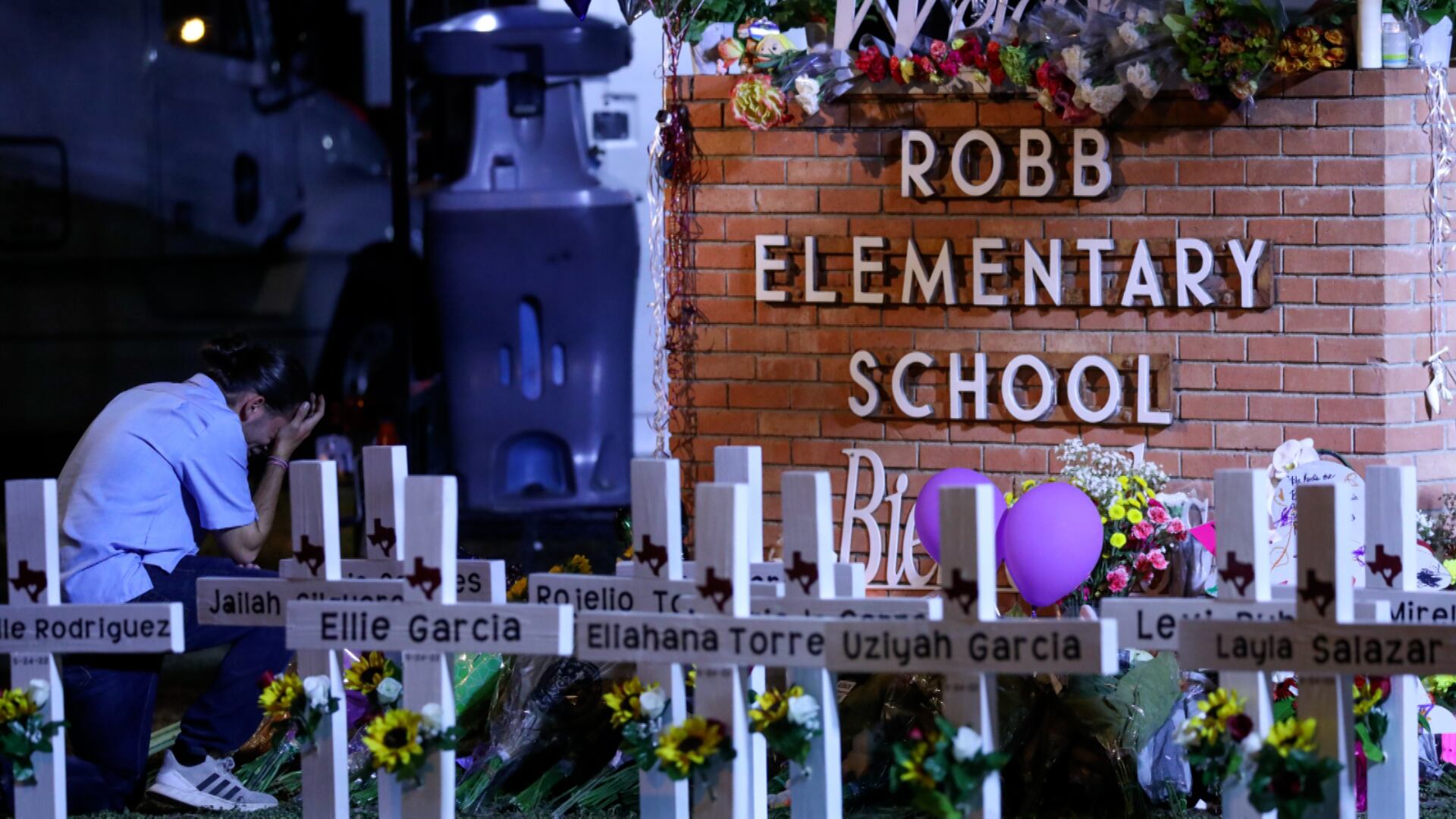
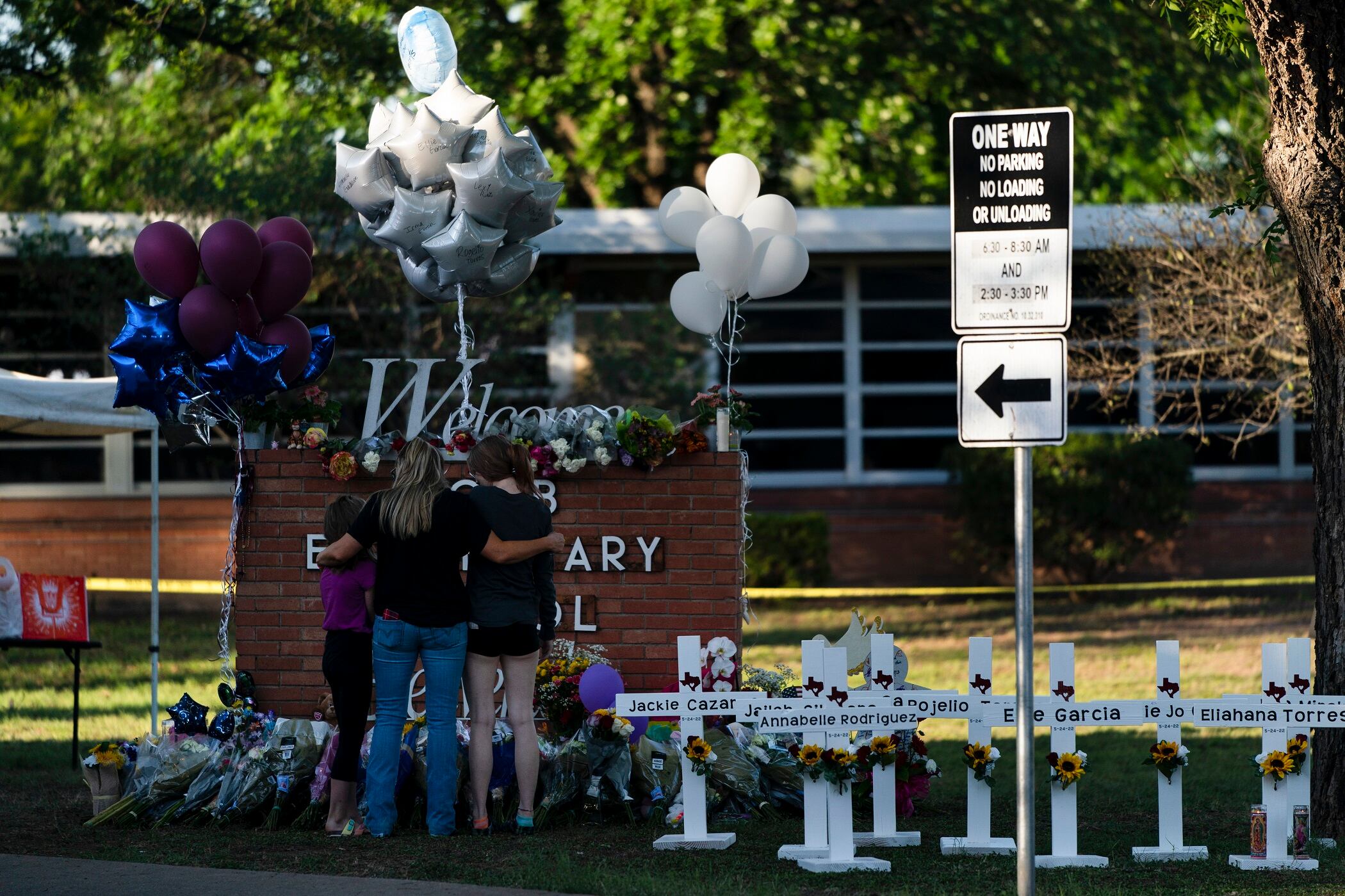
The school shooting in Texas that left 19 children and 2 teachers dead has reignited the debate over gun control.
The tragedy in Uvalde is the deadliest school shooting in nearly a decade and marks the latest in a string of mass shootings in the country. Jared Moskowitz, Broward County Commissioner and candidate for Congress in FL-23, joined Cheddar's Opening Bell to discuss why gun control measures are stalled in the Senate, and where legislation can move forward from here.
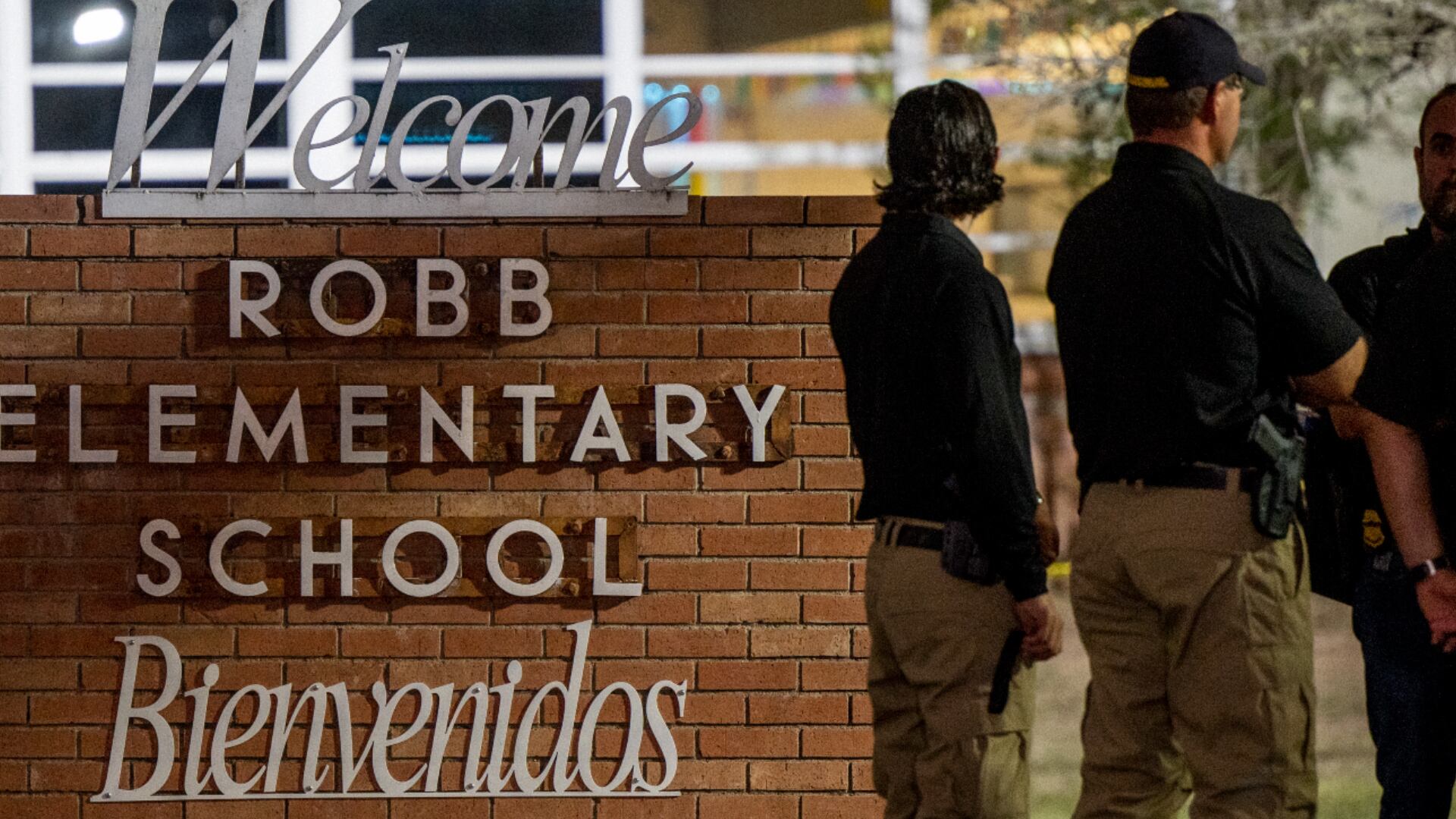
Police and detectives are still investigating the tragic school shooting in Uvalde, Texas that killed 19 children and two adults. Cheddar News was joined by Kirk Burkhalter, professor at New York Law School and former NYPD detective to gain some insight on what investigators are looking for and what comes next.
Texas authorities say the gunman who massacred 21 people at an elementary school was in the building for over an hour before he was killed by law enforcement officers.
Join Cheddar News as we break down the top headlines for Thursday, May 26 including updates on the Texas school shooting, President Joe Biden's executive order on police reform, and a recount in the Pennsylvania GOP Senate primary.
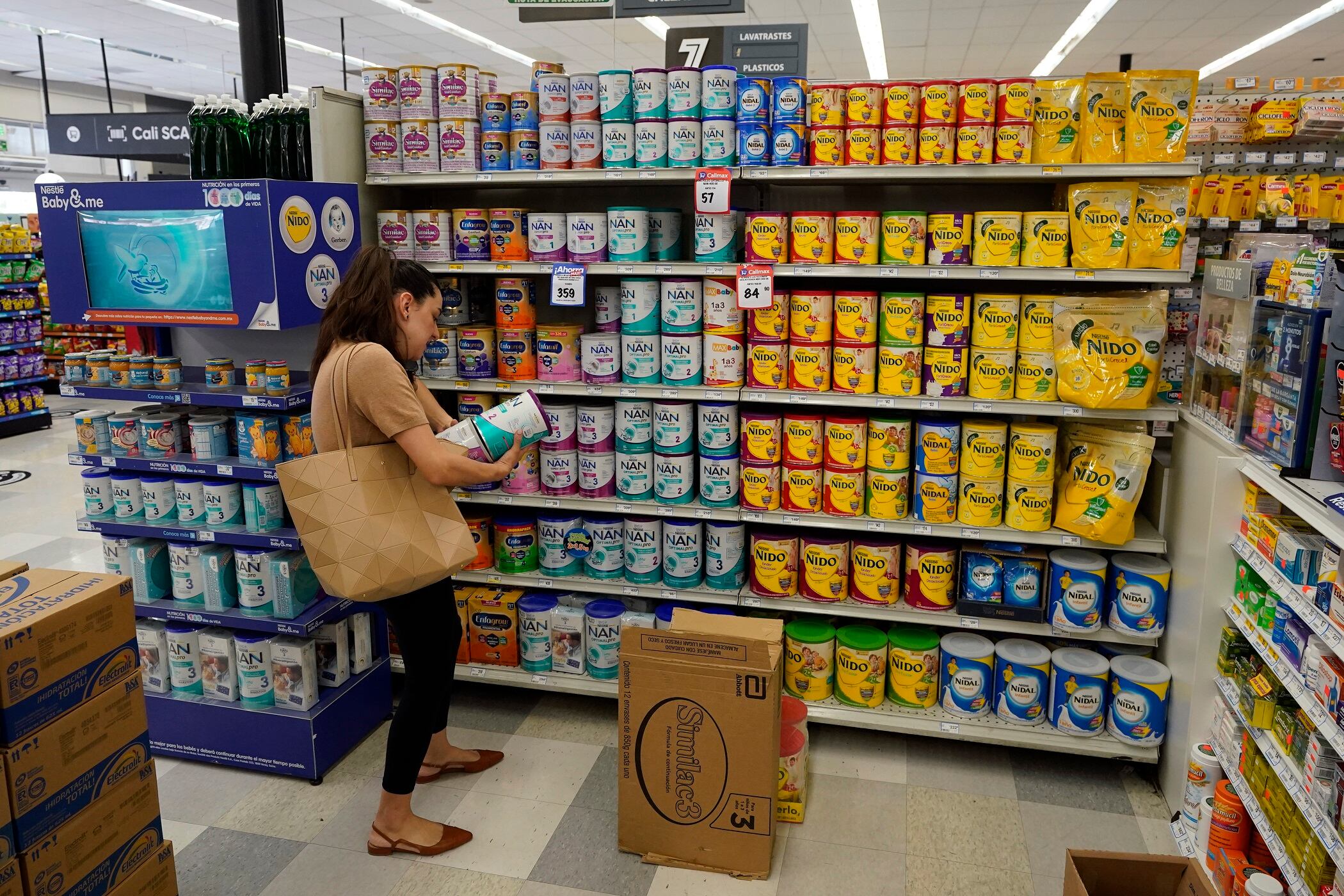
Representative Morgan Griffith of Virginia rebuked words from the FDA commissioner that could have been construed as blaming parents for stockpiling baby formula exacerbating the shortage.
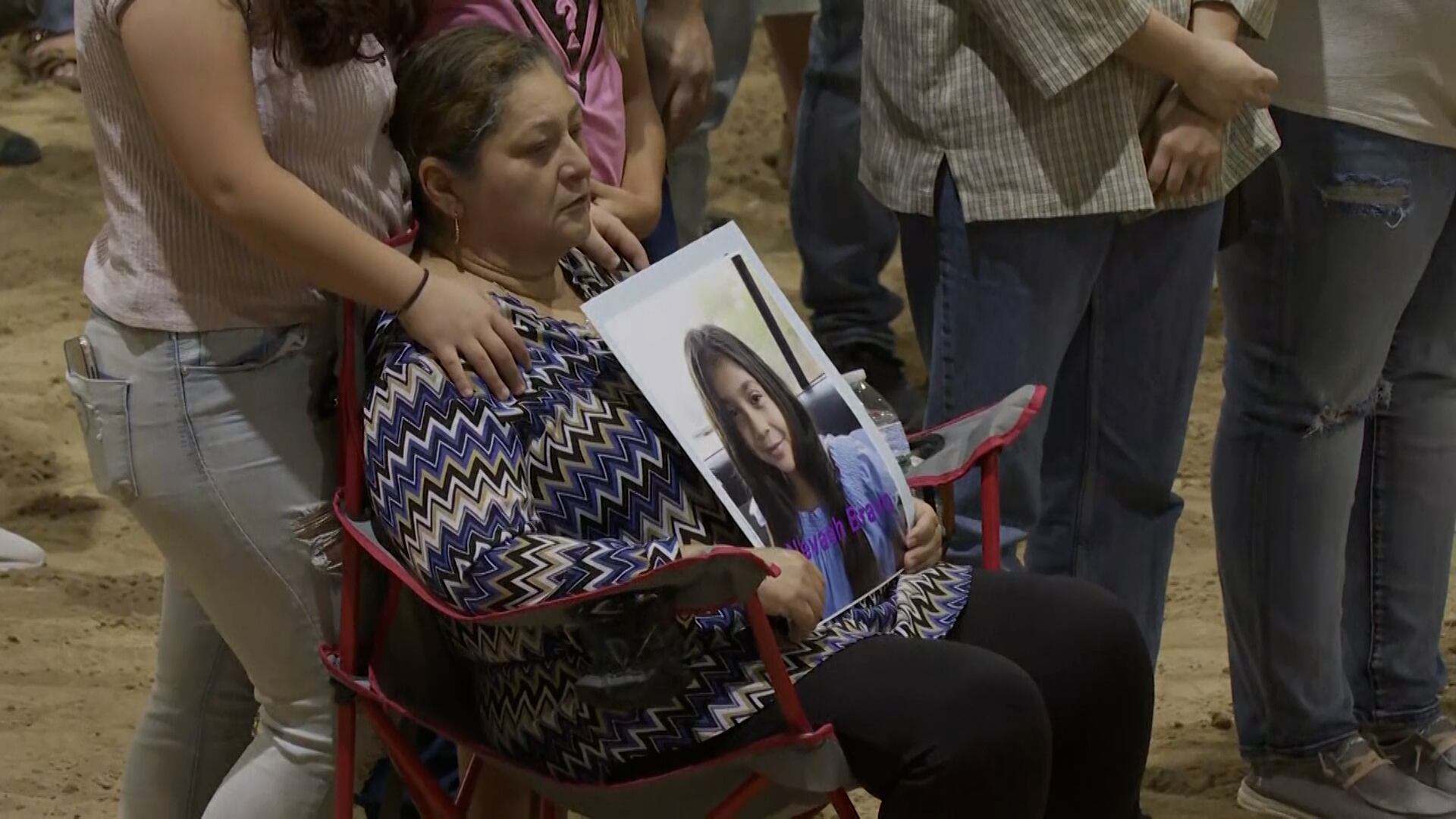
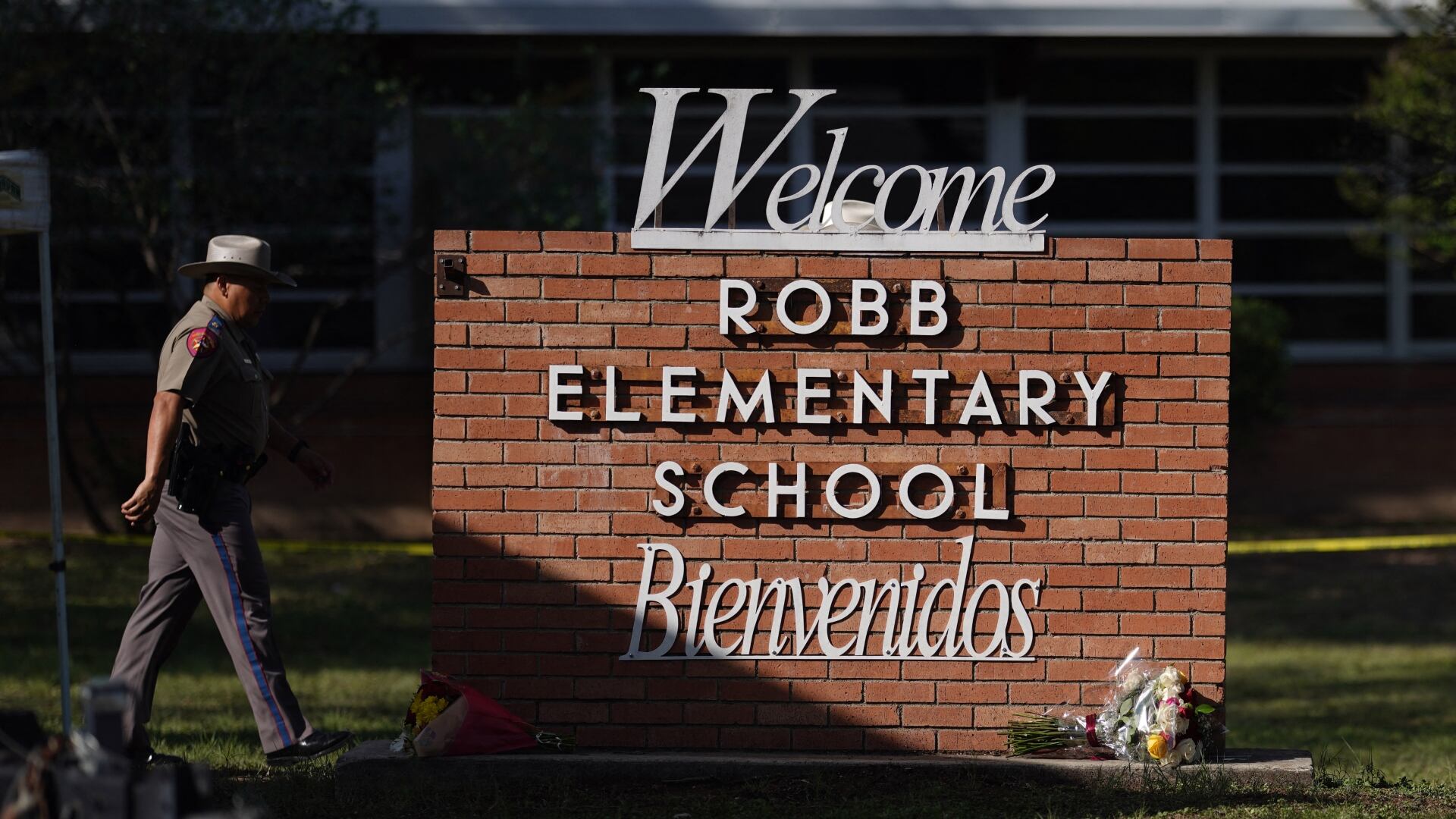
Cheddar News reporter Megan Pratz brings the latest from the scene of yesterday's horrific school shooting at a Robb Elementary School in Uvalde, Texas. Now the second-deadliest school shooting in U.S. history with 19 children and two adults killed, Pratz goes into comments by Texas Gov. Greg Abbott, details about the deceased shooter, and reactions from members of the community.
The Robb Elementary School mass shooting killing 19 children and two adults in Uvalde, Texas pm Tuesday was the deadliest school shooting since the 2012 Sandy Hook massacre in Newtown, Connecticut, and came just 10 days after the grocery store shooting in Buffalo, New York. Nelson Vergara, the founder and CEO of 360 Protective Solutions, joined Cheddar’s Opening Bell to discuss. "Right now what law enforcement is concentrating on is trying to trace his steps as to what motivated the gunman to act the way he did. What it boils down to just trying to figure out what led to his motivation to do such a horrific act.”
An recently conducted AP-NORC poll found that majorities of the Black and Hispanic populations in the U.S. still find themselves either somewhat worried or extremely worried over the pandemic, while more than half of white Americans responded with either being not too worried or not worried at all. Dr. Chris Pernell, the chief strategic integration and health equity officer at University Hospital, joined Cheddar News to talk about how perceptions of COVID-19 differ between groups of Americans. "We’re still seeing people get infected, and because of the toll of the disproportionate impact, we have concerns among the Black and brown community about whether or not they have an increased risk of exposure because of where they work, because of the use of public transportation, because they live in homes that they may not be able to safely quarantine and or isolate in, and because they have at baseline chronic health conditions that may make coronavirus more severe in those persons," she said.
Judith Enck, a former regional administrator for the EPA and the president of Beyond Plastics, joined Cheddar News to talk about the role of plastics in the climate crisis and California's investigation of ExxonMobil and other oil companies for misleading the public on the ability to recycle plastics. "The reason why petrochemical companies like Exxon have gotten away with selling more and more plastic is that they've lied to the public and told us don't worry about all those negative upstream impacts and downstream impacts of plastics. Just be sure to recycle it. Well, guess what? Plastics largely are not recycled," Enck said.