The Oklahoma Supreme Court ruled on Wednesday that two state laws banning abortion are unconstitutional, but the procedure remains illegal in the state in nearly all cases except life-threatening situations.
In a 6-3 ruling, the high court said the two bans are unconstitutional because they require a “medical emergency” before a doctor can perform an abortion. The court said this language conflicts with a previous ruling it issued in March that determined the Oklahoma Constitution provides an “inherent right of a pregnant woman to terminate a pregnancy when necessary to preserve her life.”
The court's decision was welcomed by doctors who said uncertainty about the state's abortion laws often forced them to make women facing severe medical complications and nonviable pregnancies to wait for their condition to worsen before they could perform an abortion.
“In our practice we had cases where we would just have to tell women who we would normally offer a (pregnancy) termination to protect her health ... ‘We have to let you go home and monitor your condition and if you start showing signs of infection or worsening blood pressure, then come back and we have the ability to legally treat you,’” said Dana Stone, an Oklahoma City obstetrician and gynecologist. “Otherwise, we're at risk with these laws of going to jail for 10 years, having hundreds of thousands of dollars in fines and losing our medical licenses.”
Despite the court's March decision that the requirement to wait until an active medical emergency violated the state constitution, there remained uncertainty because of the two laws that remained in effect.
“With their decision today, the court has ensured that the March decision will be fully realized,” said Rabia Muqaddam, a senior staff attorney at the New York-based Center for Reproductive Rights, which challenged the laws on behalf of a Tulsa abortion provider. “Hopefully patients will be receiving the medically necessary care they need without waiting until they are on death's door.”
The laws struck down Wednesday both included a civil-enforcement mechanism that allowed citizens to sue someone who either performed or helped someone perform an abortion.
“Despite the court’s decisions today on SB 1603 and HB 4327, Oklahoma’s 1910 law prohibiting abortion remains in place," Oklahoma Attorney General Gentner Drummond said in a statement. "Except for certain circumstances outlined in that statute, abortion is still unlawful in the state of Oklahoma.”
Oklahoma's 1910 law makes it a felony crime punishable by up to five years in prison for anyone to perform an abortion or help a woman obtain an abortion unless it is “necessary to preserve her life.”
The court's decision was decried by Republican leaders and Gov. Kevin Stitt, who have worked for years to tightly restrict abortion access in Oklahoma.
“This court has once more over-involved itself in the state’s democratic process, and has interceded to undo legislation created by the will of the people," Stitt said in a statement. "I agree with Justice (Dustin) Rowe’s dissent, ‘The issues presented in this matter are political questions, which are better resolved by the people via our democratic process.’”
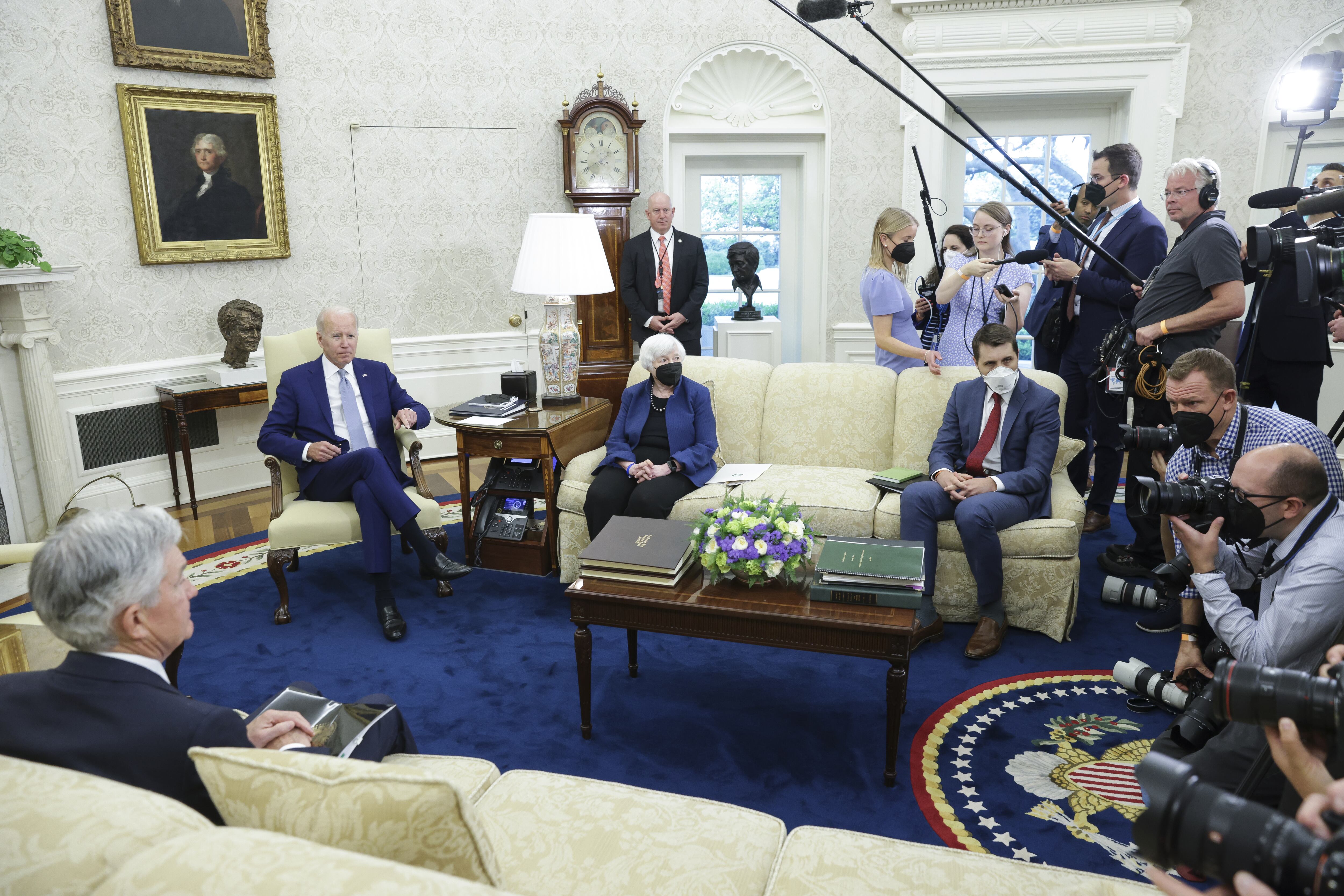
President Biden and Federal Reserve chair Jerome Powell meet at the White House today for the first time since Powell's renomination to the position. The President and the Fed Chair discussed the economy and historically high inflation, as new data shows inflation may be cooling slightly. Morning Consult economic analyst Jesse Wheeler joins Cheddar News' Closing Bell to discuss how the Biden administration at the U.S. central bank can work together to combat soaring prices for American consumers.
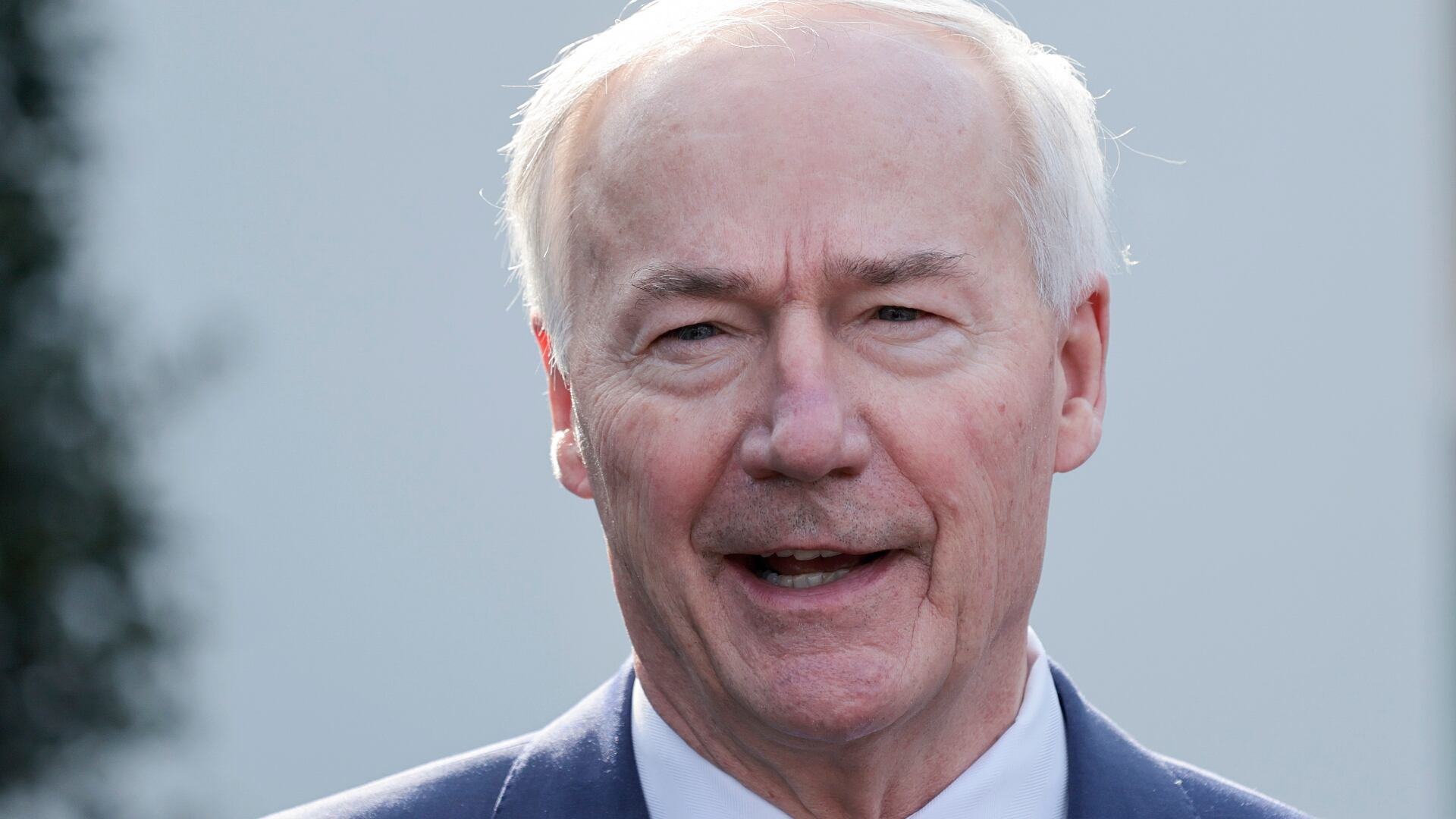
In the second part of Cheddar's talk with Governor Asa Hutchinson, the Republican from Arkansas discussed his state's abortion trigger law and the overturning of Roe v. Wade, the Texas law that would prevent social media platform moderation currently being held up by the U.S. Supreme Court, and rumors of his 2024 presidential run. "I did go to New Hampshire. I am testing the waters out there, so no decision at this point. But we're looking at it," he said, noting that if former President Donald Trump runs, it would not affect his own decision.
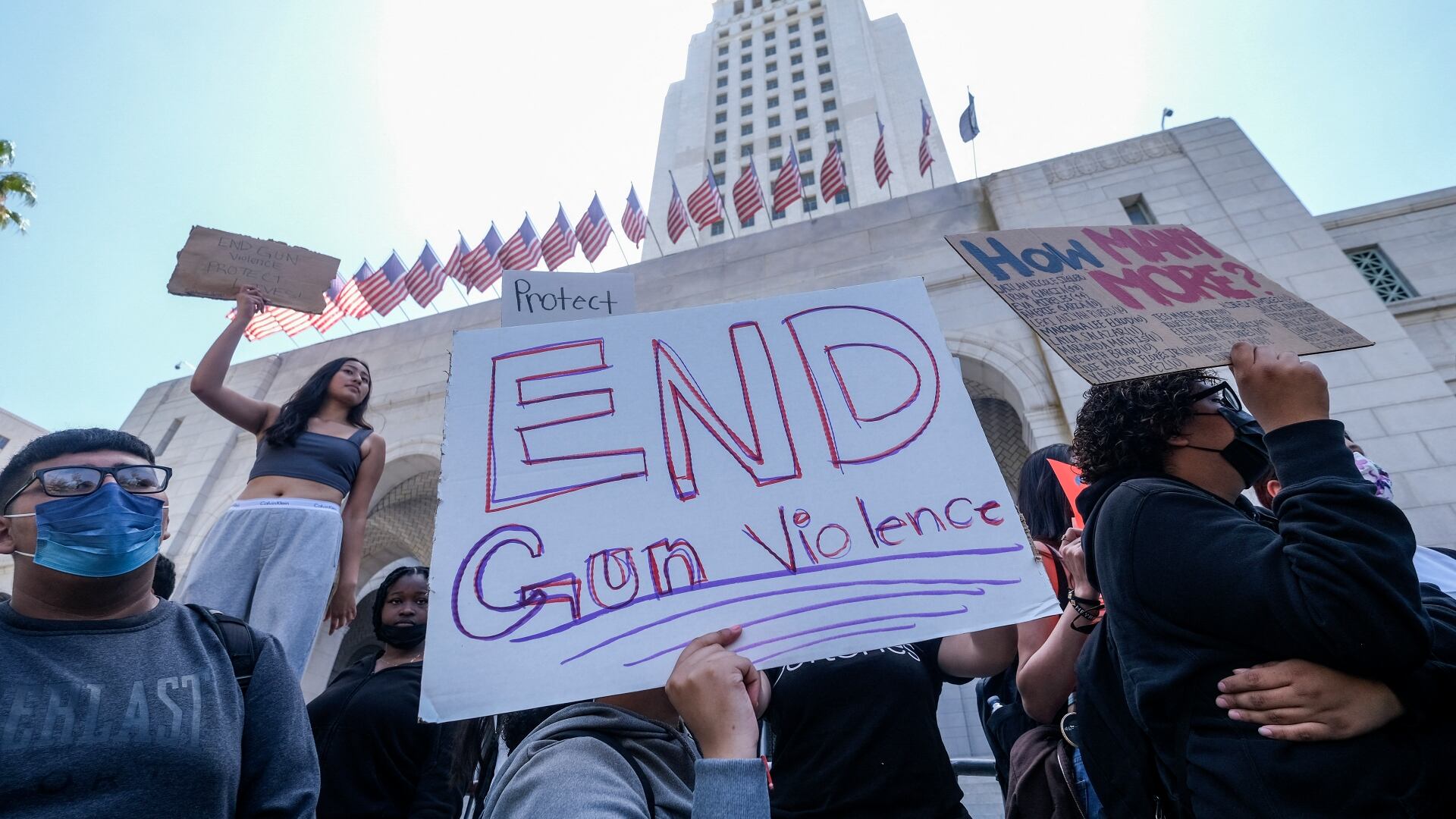
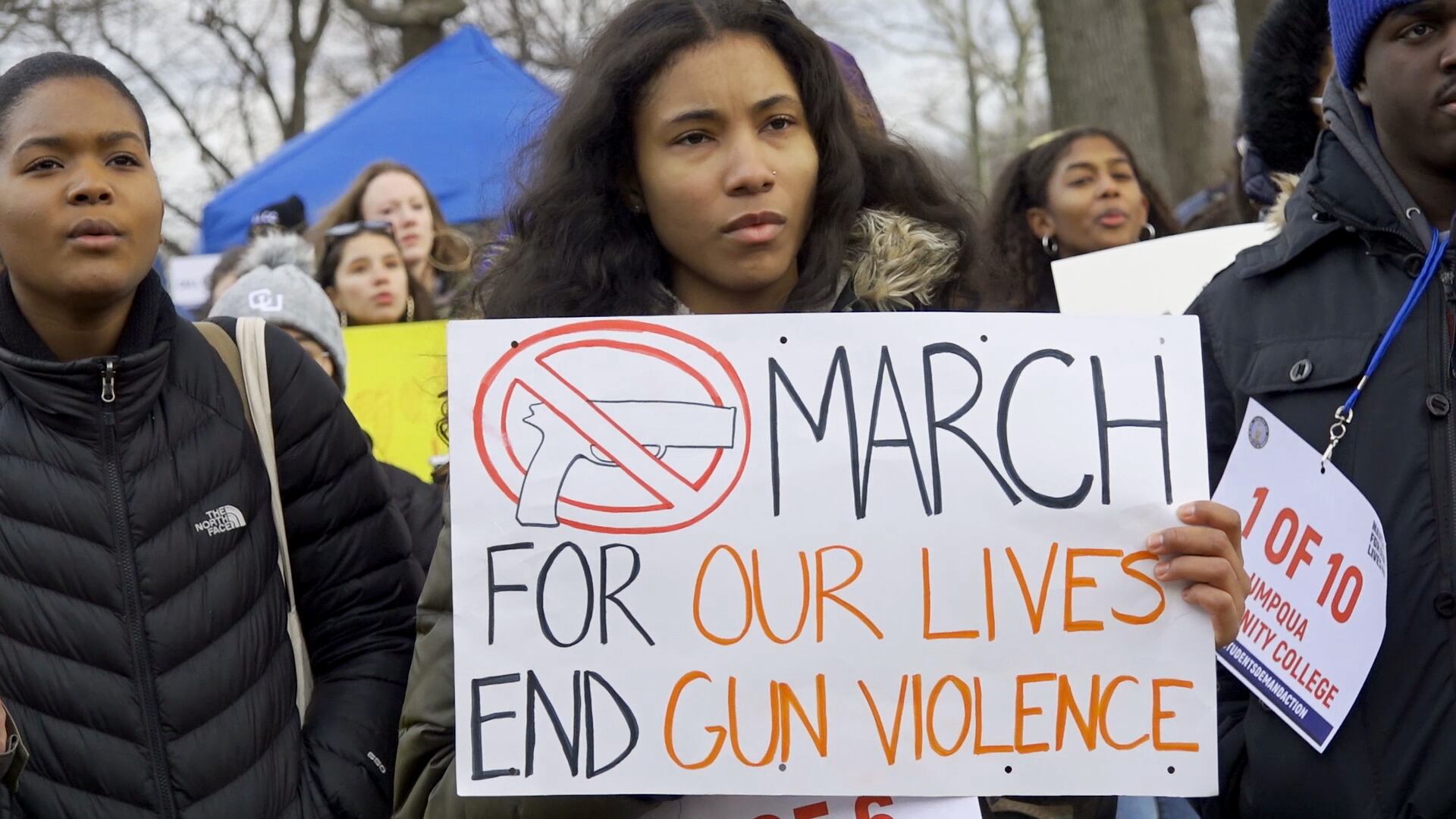
Cheddar Politics looks at the ongoing efforts to pass meaningful gun safety laws in both Chambers of Congress following multiple mass shootings. Lisa Hagen, senior political reporter for U.S. News and World Report, helps break down why Senators are hopeful that a modest bipartisan gun safety package might be able to overcome a filibuster.
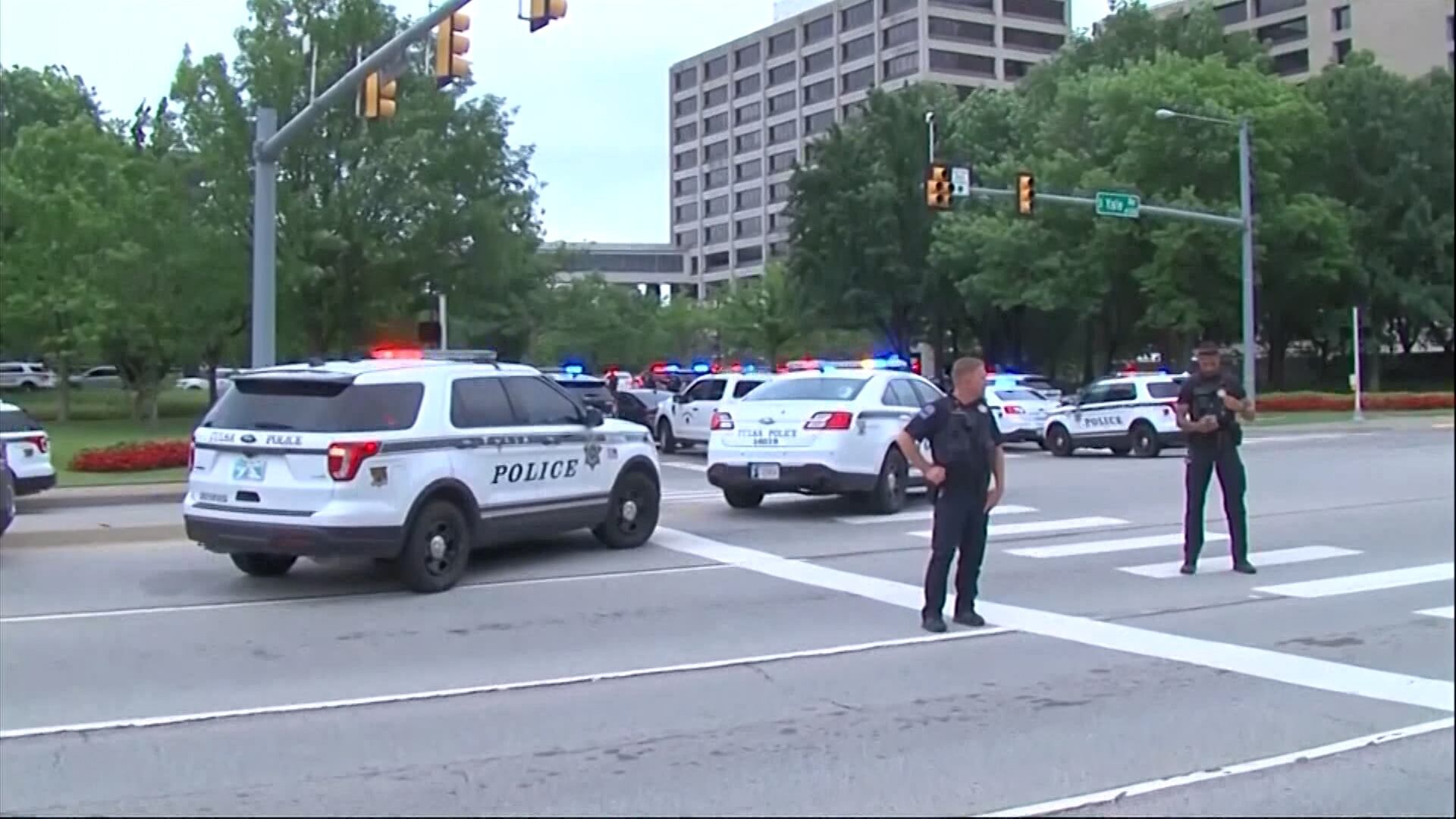
Join Cheddar News as we break down the top headlines this morning including updates on the Tulsa medical center shooting, Johnny Depp V. Amber Heard verdict, and Democrats push for gun control reform.
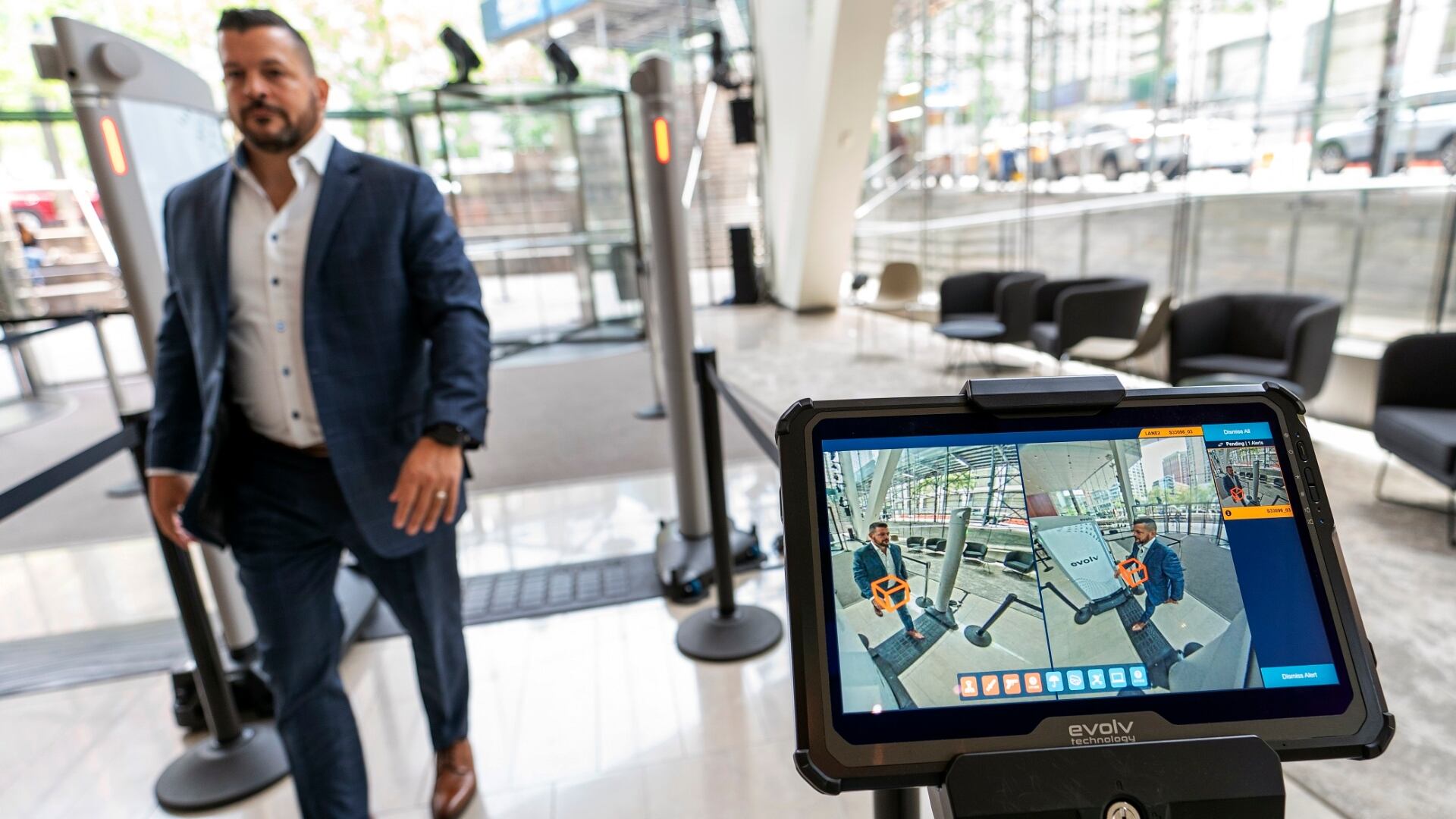
After two subway shootings in two months and the more recent mass shootings in Uvalde, Texas, and Buffalo, New York, Mayor Eric Adams is calling for gun detection scanners to be installed in New York City subways. The tech would be similar to that used in sporting arenas, however, experts note multiple difficulties with such a setup including the need for nearby human operators.
Catching you up on what you need to know on Wednesday, June 1, 2022, House lawmakers hold an emergency hearing on gun control measures in the wake of the Uvalde shooting, the Supreme Court temporarily blocks Texas' law stopping social media moderation, and the James Webb Space Telescope gets a new mission.
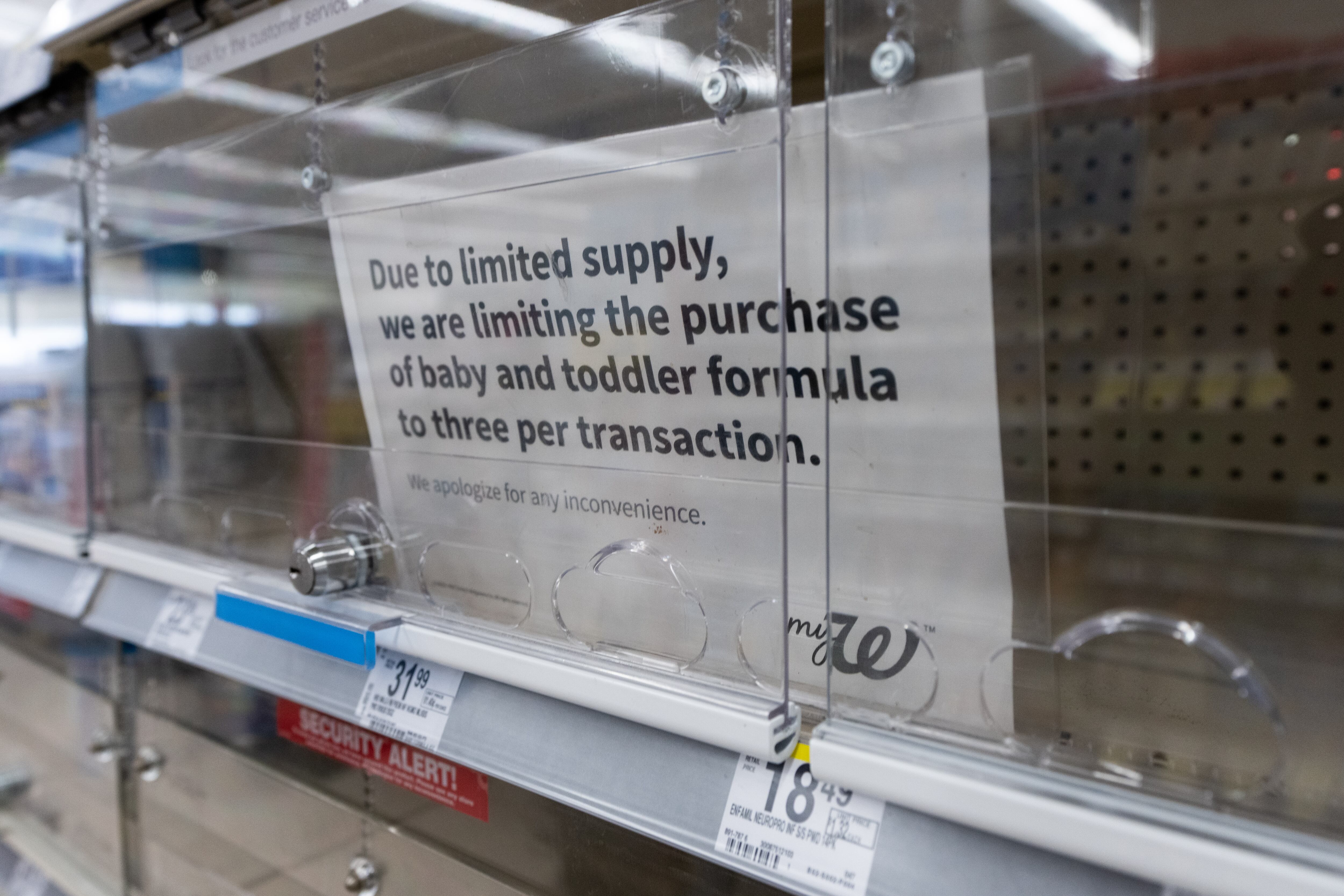
With the baby formula in the United States surging to an out-of-stock rate of 70 percent, the FDA has given Abbott permission to reopen its Michigan plant amid the crisis and authorized foreign imports. Professor Peter Pitts, a former FDA associate commissioner and current president of the Center for Medicine in the Public Interest, joined Cheddar News to discuss the ongoing shortage and its wide impact. “As difficult as things is in urban areas, they’re even worse in small communities and tribal areas where parents can't just go to the next store on the corner," he said. Pitts also noted that the Abbott factory was a "disaster" prior to its shutdown and that it would have been "regulatory malpractice" to have left it open.
Cheddar's Megan Pratz reports from the ground in Uvalde, Texas where the community's grief and frustration with lawmakers and police officers grows as more details emerge.