The Oklahoma Supreme Court ruled on Wednesday that two state laws banning abortion are unconstitutional, but the procedure remains illegal in the state in nearly all cases except life-threatening situations.
In a 6-3 ruling, the high court said the two bans are unconstitutional because they require a “medical emergency” before a doctor can perform an abortion. The court said this language conflicts with a previous ruling it issued in March that determined the Oklahoma Constitution provides an “inherent right of a pregnant woman to terminate a pregnancy when necessary to preserve her life.”
The court's decision was welcomed by doctors who said uncertainty about the state's abortion laws often forced them to make women facing severe medical complications and nonviable pregnancies to wait for their condition to worsen before they could perform an abortion.
“In our practice we had cases where we would just have to tell women who we would normally offer a (pregnancy) termination to protect her health ... ‘We have to let you go home and monitor your condition and if you start showing signs of infection or worsening blood pressure, then come back and we have the ability to legally treat you,’” said Dana Stone, an Oklahoma City obstetrician and gynecologist. “Otherwise, we're at risk with these laws of going to jail for 10 years, having hundreds of thousands of dollars in fines and losing our medical licenses.”
Despite the court's March decision that the requirement to wait until an active medical emergency violated the state constitution, there remained uncertainty because of the two laws that remained in effect.
“With their decision today, the court has ensured that the March decision will be fully realized,” said Rabia Muqaddam, a senior staff attorney at the New York-based Center for Reproductive Rights, which challenged the laws on behalf of a Tulsa abortion provider. “Hopefully patients will be receiving the medically necessary care they need without waiting until they are on death's door.”
The laws struck down Wednesday both included a civil-enforcement mechanism that allowed citizens to sue someone who either performed or helped someone perform an abortion.
“Despite the court’s decisions today on SB 1603 and HB 4327, Oklahoma’s 1910 law prohibiting abortion remains in place," Oklahoma Attorney General Gentner Drummond said in a statement. "Except for certain circumstances outlined in that statute, abortion is still unlawful in the state of Oklahoma.”
Oklahoma's 1910 law makes it a felony crime punishable by up to five years in prison for anyone to perform an abortion or help a woman obtain an abortion unless it is “necessary to preserve her life.”
The court's decision was decried by Republican leaders and Gov. Kevin Stitt, who have worked for years to tightly restrict abortion access in Oklahoma.
“This court has once more over-involved itself in the state’s democratic process, and has interceded to undo legislation created by the will of the people," Stitt said in a statement. "I agree with Justice (Dustin) Rowe’s dissent, ‘The issues presented in this matter are political questions, which are better resolved by the people via our democratic process.’”
Rebecca Walser, President of Walser Wealth Management, joins Cheddar News' Closing Bell, where she discusses the factors behind Monday's surge on Wall Street and explains why investors will likely experience volatility in the market throughout the month of December.
Cheddar's Chloe Aiello joined "Closing Bell" to break down the progress of the SAFE Banking Act in Congress as cannabis businesses operators struggle to find financial institutions that will service them. Banks face steep federal penalties, including the risk of losing a bank charter, if found to be servicing marijuana businesses even if their state has legalized operations. Aiello reported that while there was some bipartisan support for the measure in the Senate, the bill faces some opposition from conservatives with "longstanding concerns" about cannabis and progressives who prefer a more comprehensive approach to reform.
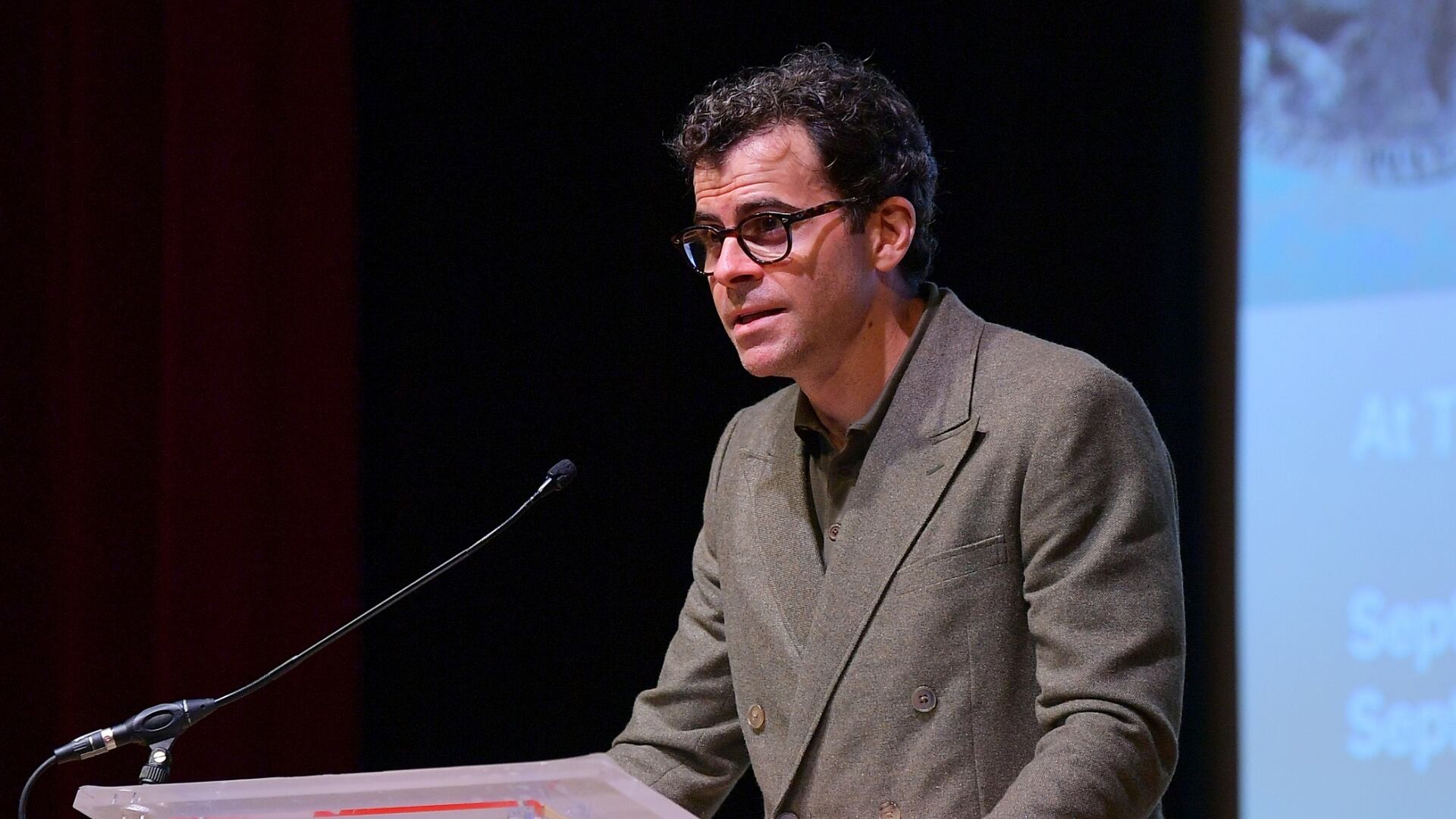
Head of Instagram Adam Mosseri is slated to testify this week in front of the Senate Commerce Subcommittee after a Wall Street Journal report that found the Meta-owned social media platform is negatively impacting the mental wellness of teen girls.
Chinese regulators are reportedly behind China-based ride-hailing company DiDi exiting from the New York Stock Exchange, just days after listing earlier this year. The regulators stated prior that DiDi had not received the necessary clearances to list in the states. Gordon Chang, Asian affairs expert, joined Cheddar to break down what the delisting says about the relationship between nations. "This really strikes me as an attempt to really to force a decoupling of China and the U.S. in the financial markets," Chang said.
U.S. Futures were pointing to a higher open to round out the week despite a miss on the November Jobs Report, which showed slower job growth than expected-- and as the omicron variant continues to spread across the country. Patrick Healey, Founder & President at Caliber Financial Partners joined Cheddar's Opening Bell to discuss.
Just days after the detection of the Omicron variant, the World Health Organization has agreed to start the process of establishing a global pandemic treaty or accord. Amy Maxmen, senior reporter for Nature, and Dr. Samuel Scarpino, managing director for the Rockefeller Foundation's Pandemic Prevention Institute, joined Cheddar to discuss this effort and what lessons can be learned from the many COVID-19 failures as the world prepares for future pandemics.
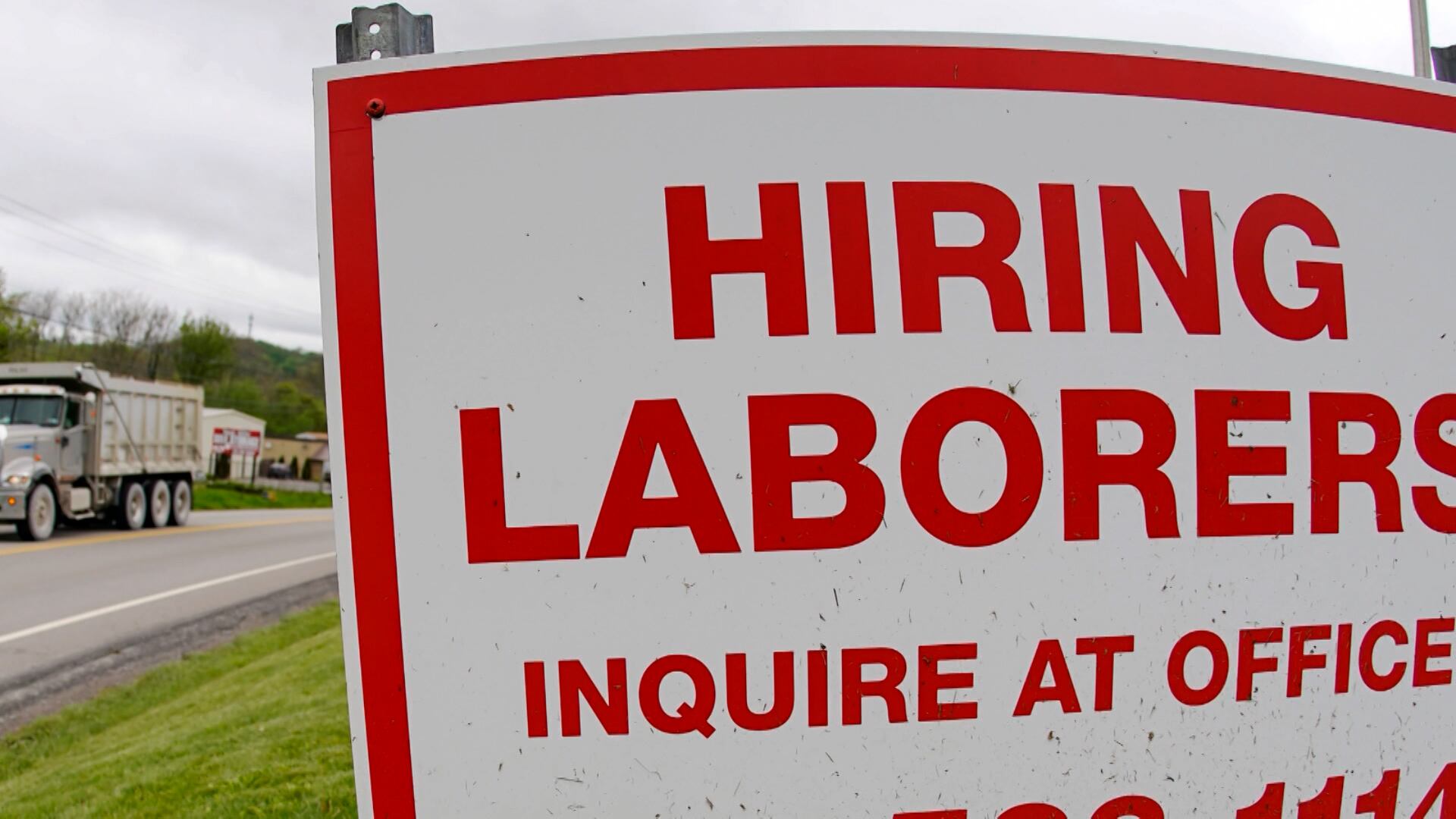
It's a mixed bag for the November jobs report. Hiring slowed last month as employers only added 210,000 jobs, massively missing the estimate of 550,000. But there was one bright spot: the unemployment rate fell to 4.2%, with the number of unemployed people dropping to 6.9 million. Both of those numbers are considerably down from their highs at the end of the 2020 recession. Heather Boushey, a member of President Biden's Council of Economic Advisers, joined Cheddar to discuss the report and the state of the country's ongoing economic recovery.