The Oklahoma Supreme Court ruled on Wednesday that two state laws banning abortion are unconstitutional, but the procedure remains illegal in the state in nearly all cases except life-threatening situations.
In a 6-3 ruling, the high court said the two bans are unconstitutional because they require a “medical emergency” before a doctor can perform an abortion. The court said this language conflicts with a previous ruling it issued in March that determined the Oklahoma Constitution provides an “inherent right of a pregnant woman to terminate a pregnancy when necessary to preserve her life.”
The court's decision was welcomed by doctors who said uncertainty about the state's abortion laws often forced them to make women facing severe medical complications and nonviable pregnancies to wait for their condition to worsen before they could perform an abortion.
“In our practice we had cases where we would just have to tell women who we would normally offer a (pregnancy) termination to protect her health ... ‘We have to let you go home and monitor your condition and if you start showing signs of infection or worsening blood pressure, then come back and we have the ability to legally treat you,’” said Dana Stone, an Oklahoma City obstetrician and gynecologist. “Otherwise, we're at risk with these laws of going to jail for 10 years, having hundreds of thousands of dollars in fines and losing our medical licenses.”
Despite the court's March decision that the requirement to wait until an active medical emergency violated the state constitution, there remained uncertainty because of the two laws that remained in effect.
“With their decision today, the court has ensured that the March decision will be fully realized,” said Rabia Muqaddam, a senior staff attorney at the New York-based Center for Reproductive Rights, which challenged the laws on behalf of a Tulsa abortion provider. “Hopefully patients will be receiving the medically necessary care they need without waiting until they are on death's door.”
The laws struck down Wednesday both included a civil-enforcement mechanism that allowed citizens to sue someone who either performed or helped someone perform an abortion.
“Despite the court’s decisions today on SB 1603 and HB 4327, Oklahoma’s 1910 law prohibiting abortion remains in place," Oklahoma Attorney General Gentner Drummond said in a statement. "Except for certain circumstances outlined in that statute, abortion is still unlawful in the state of Oklahoma.”
Oklahoma's 1910 law makes it a felony crime punishable by up to five years in prison for anyone to perform an abortion or help a woman obtain an abortion unless it is “necessary to preserve her life.”
The court's decision was decried by Republican leaders and Gov. Kevin Stitt, who have worked for years to tightly restrict abortion access in Oklahoma.
“This court has once more over-involved itself in the state’s democratic process, and has interceded to undo legislation created by the will of the people," Stitt said in a statement. "I agree with Justice (Dustin) Rowe’s dissent, ‘The issues presented in this matter are political questions, which are better resolved by the people via our democratic process.’”
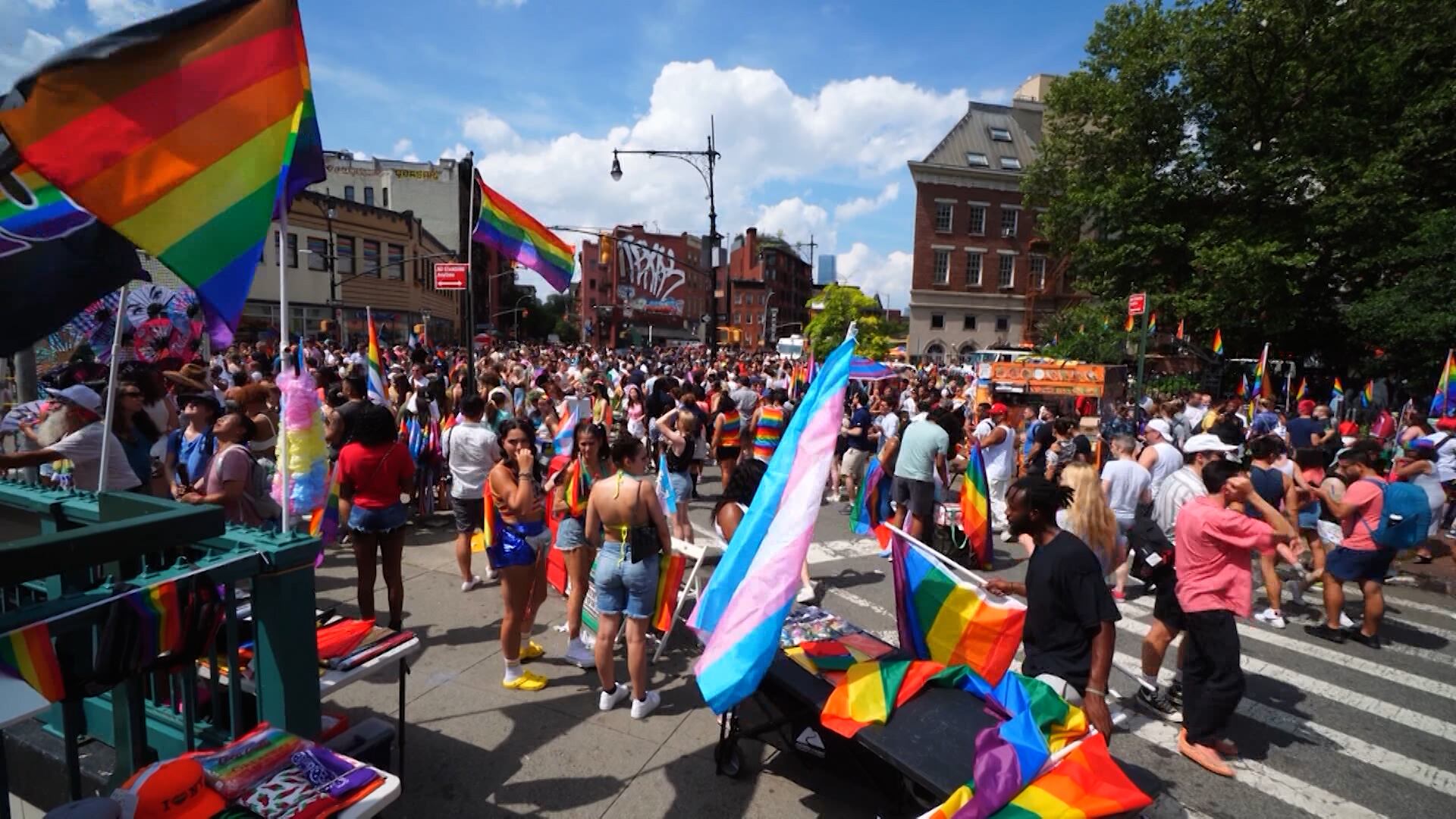
A Gallup poll finds that now 7.1% of American adults identify as LGBTQ, jumping from 3.5% in 2012. The increase is driven by Generation-Z – those born between 1997 and 2003 – of whom one out of five identify as LGBTQ. Cheddar News speaks with Washington Blade reporter Chris Johnson about the significant shift.
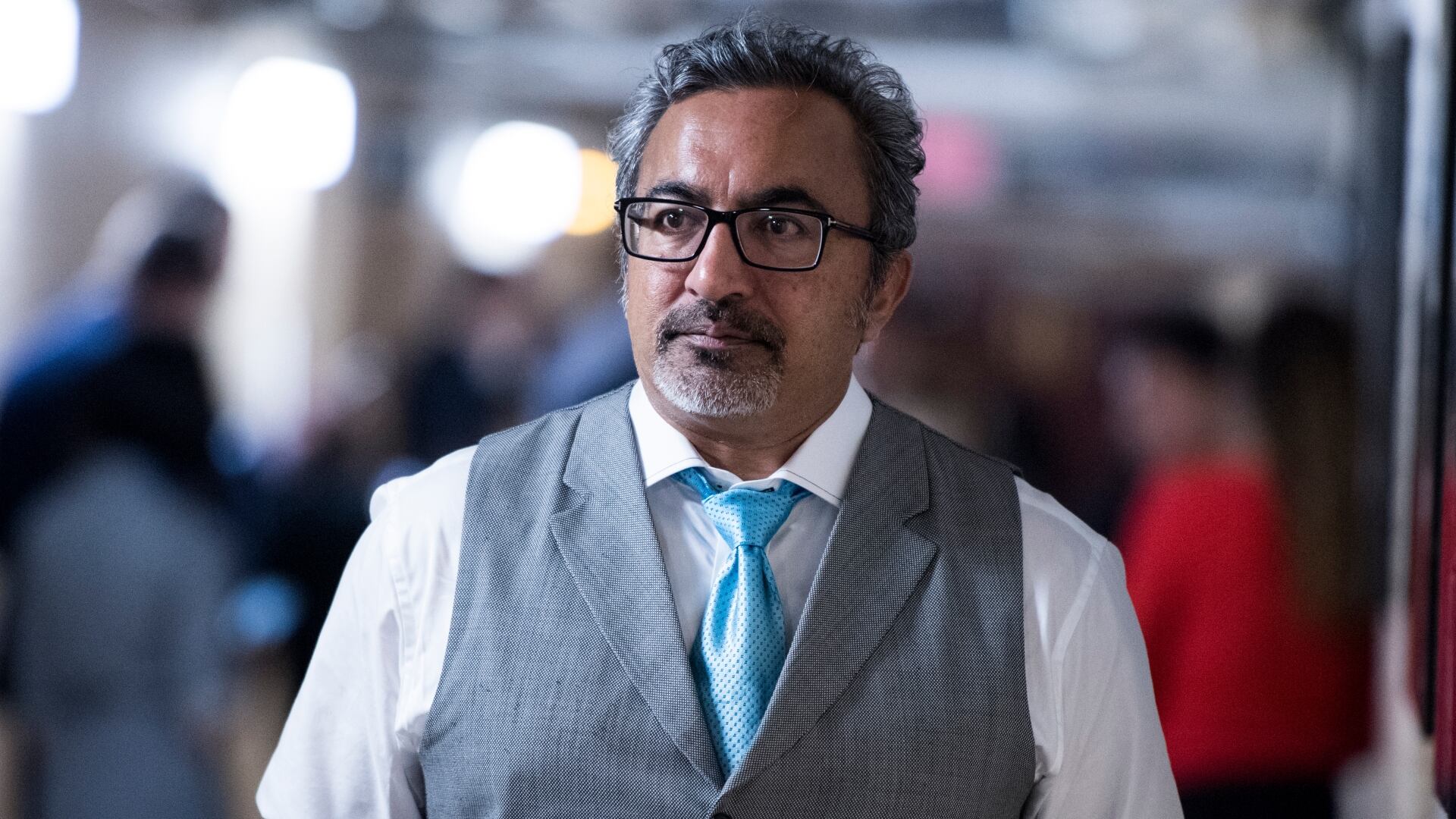
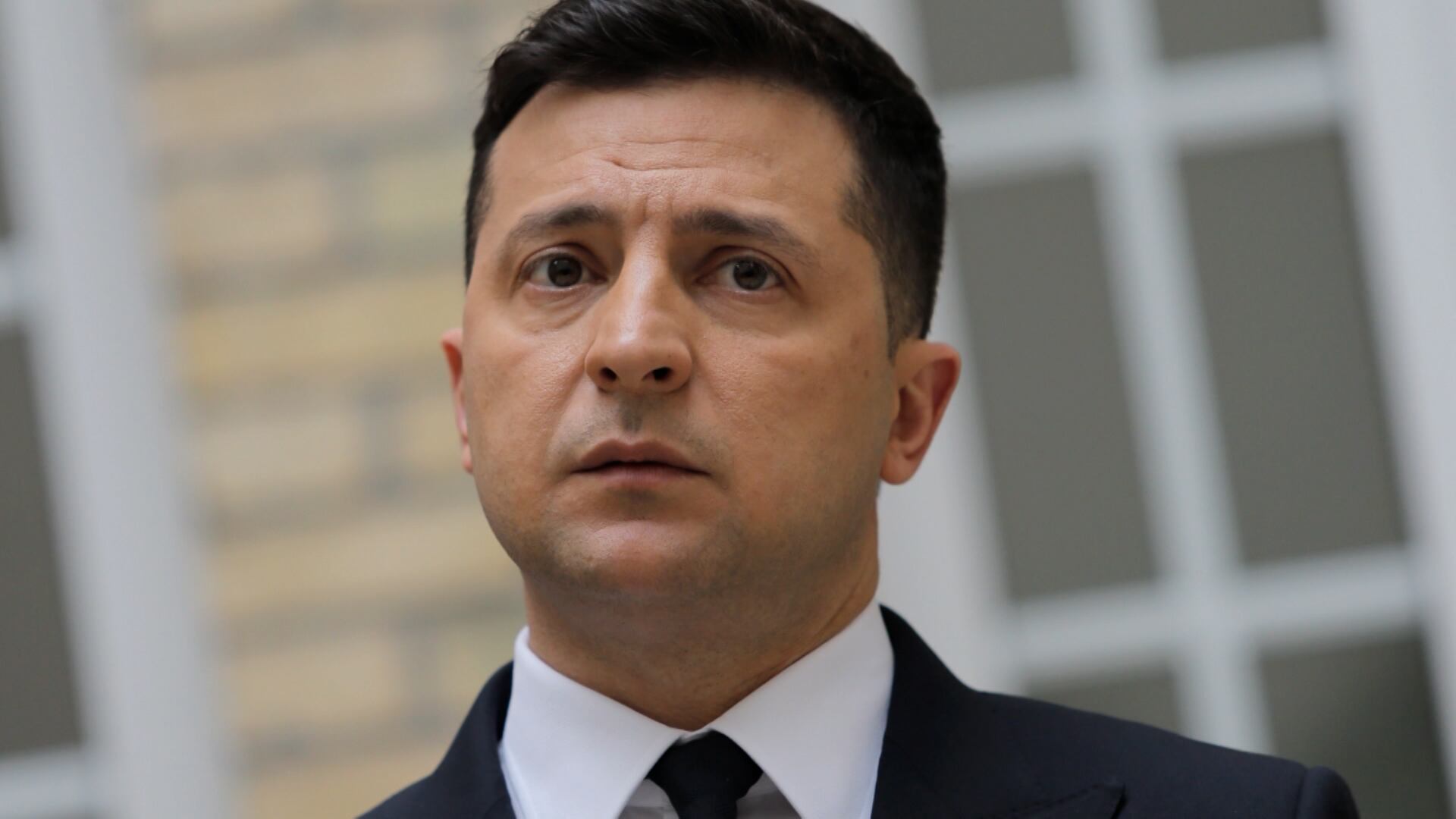
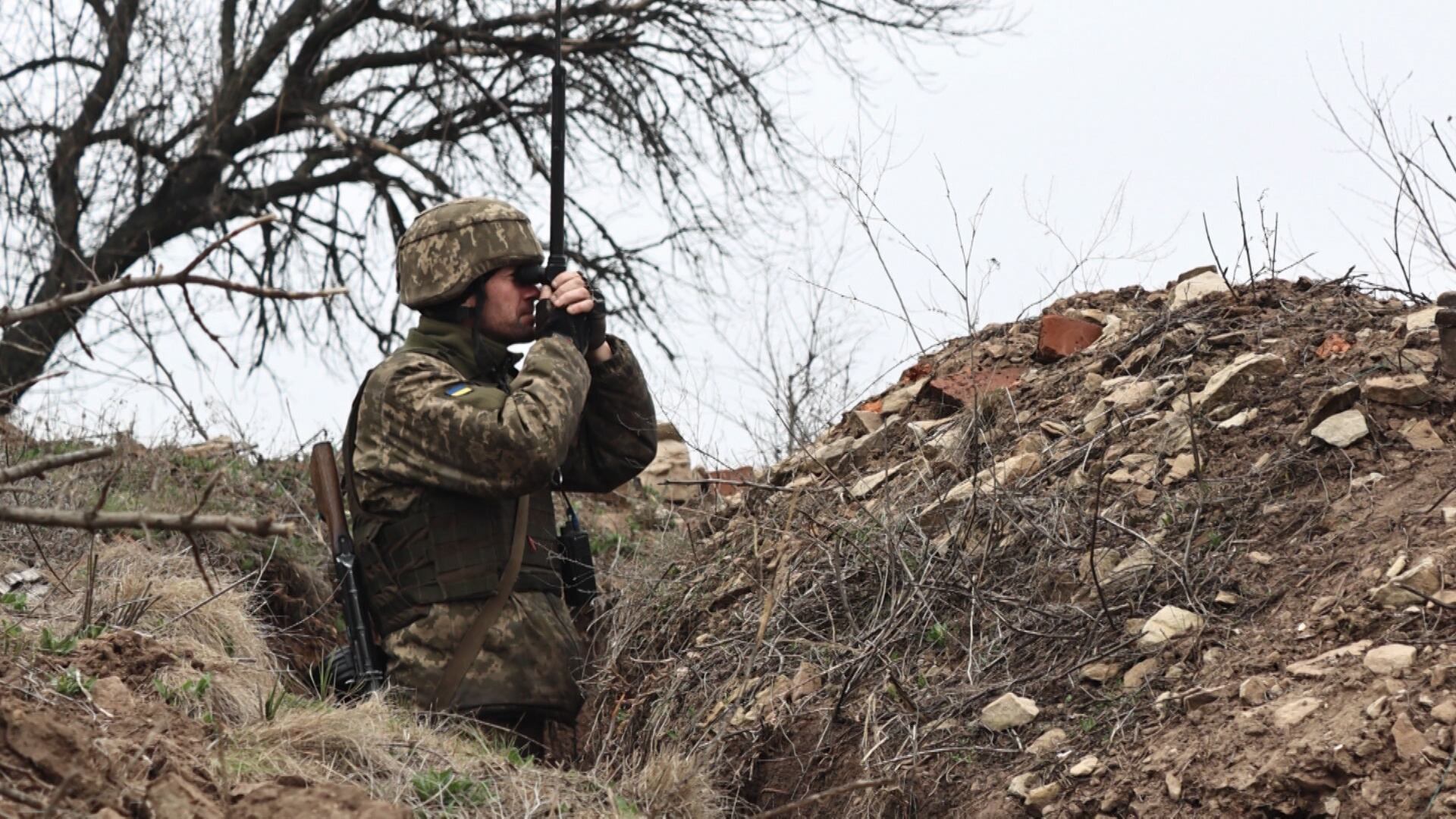
As the Biden administration continues to see the potential for an imminent invasion of Ukraine after contradictory reports of a Russian troop pullback or buildup, Rep. Ami Bera (D-Calif. 7th District), a member of the House Committee on Foreign Affairs, joined Cheddar News to give his insight into the tense situation. "When I was in Ukraine a couple of weeks ago and we were talking with the Ukrainian leadership with President Zelensky, they said we ought to approach Vladimir Putin as though he was a poker player," he said. "So this could be one of those head fakes where he's saying one thing and doing another thing."
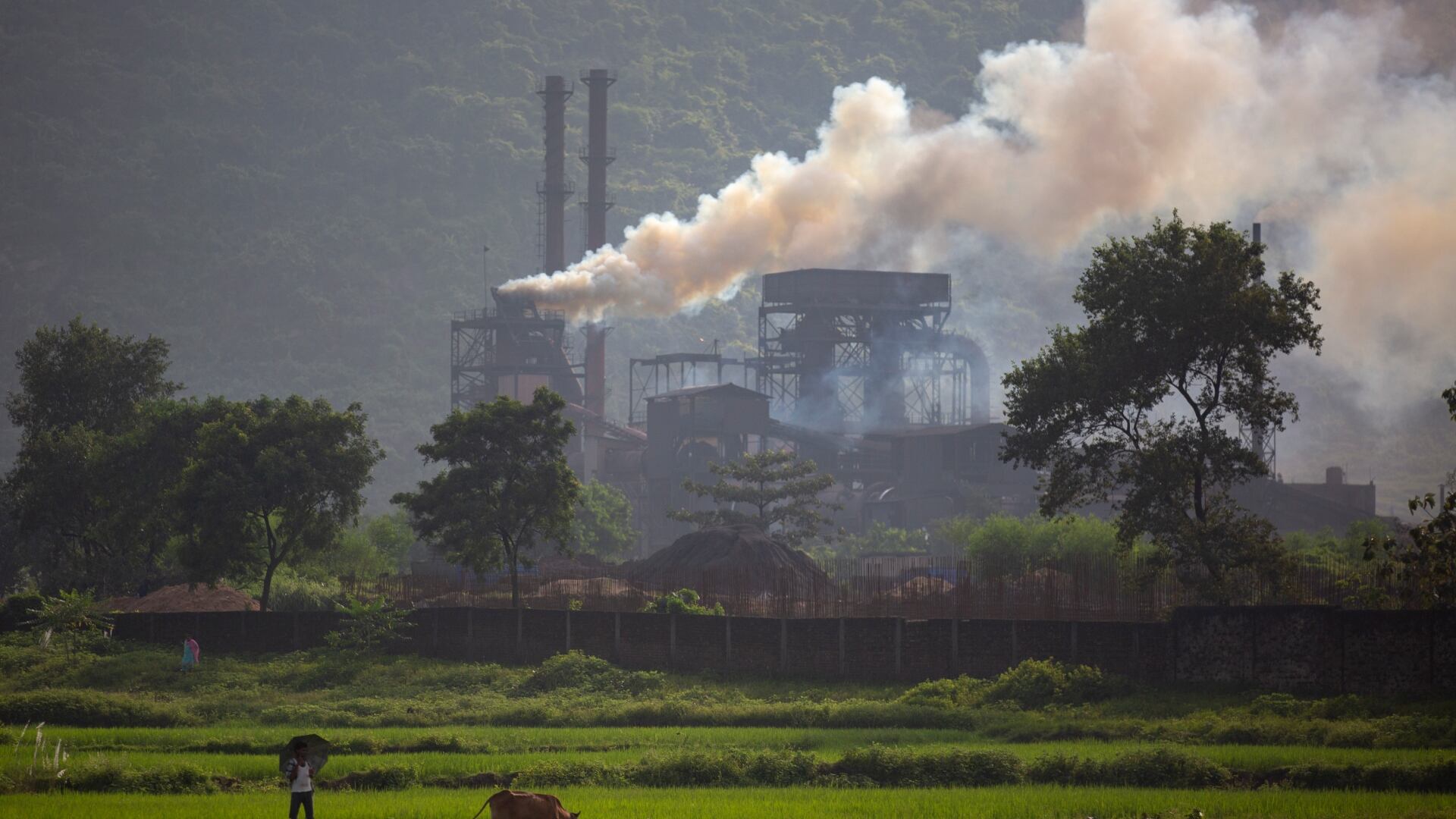
The Biden Administration has now issued new guidelines when it comes to carbon capture. The new guidelines handed down this week encouraged the widespread use of climate attacks that traps and stores carbon emissions. The goal here is the process would help keep carbon out of the atmosphere without requiring a whole lot of change by big companies and manufacturing plants. Several scientists say that this method would be crucial to help us decrease the use of carbon emissions by the year 2050. Professor of Civil and Environmental Engineering at Stanford University, Mark Jacobson, joined Cheddar to discuss more.
Natalie Fertig, federal cannabis policy reporter for Politico Pro, joins Cheddar News to discuss the latest in marijuana legalization in the United States.
The Biden administration is launching a new task force to promote the use of 'cleaner' construction materials with lower life cycle emissions. This comes as the White House works to speed up government purchases of greener products. Sweta Chakraborty, climate change expert and U.S. president of "We Don't Have Time," joins Cheddar News to discuss.
Due to the staffing shortages of teachers in New Mexico, the state has been encouraging its National Guard members to fill in as licensed substitutes to keep schools open. Kurt Steinhaus, New Mexico secretary of education, joined Cheddar News to explain the state's stopgap measure amid its lack of teaching professionals. "The first thing they have to go through a fingerprint background check, just like any other substitute new Mexico. The second thing they have to do is go through some online training, and then we provided some in-person professional development about classroom management," Steinhaus explained about the qualifications process.
With contradictory reports about Russian troops pulling back or being added to the border with Ukraine and the expulsion of a U.S. diplomat from Russia, tensions in the region appear to be escalating. Jack Detsch, a Pentagon and national security reporter for Foreign Policy, joined Cheddar News to break down the situation. "Certainly a different tone out of Moscow today and a different tone out of the West. Even as the Kremlin has made the case that troops are moving back, the U.S. is saying that is certainly not the case with the satellite imagery that we have pouring in," he said.
New York City's famous subway system is currently facing scrutiny after several recent attacks on platforms. Now, local leaders in the Big Apple are calling on the MTA. To step in and take action.