The Oklahoma Supreme Court ruled on Wednesday that two state laws banning abortion are unconstitutional, but the procedure remains illegal in the state in nearly all cases except life-threatening situations.
In a 6-3 ruling, the high court said the two bans are unconstitutional because they require a “medical emergency” before a doctor can perform an abortion. The court said this language conflicts with a previous ruling it issued in March that determined the Oklahoma Constitution provides an “inherent right of a pregnant woman to terminate a pregnancy when necessary to preserve her life.”
The court's decision was welcomed by doctors who said uncertainty about the state's abortion laws often forced them to make women facing severe medical complications and nonviable pregnancies to wait for their condition to worsen before they could perform an abortion.
“In our practice we had cases where we would just have to tell women who we would normally offer a (pregnancy) termination to protect her health ... ‘We have to let you go home and monitor your condition and if you start showing signs of infection or worsening blood pressure, then come back and we have the ability to legally treat you,’” said Dana Stone, an Oklahoma City obstetrician and gynecologist. “Otherwise, we're at risk with these laws of going to jail for 10 years, having hundreds of thousands of dollars in fines and losing our medical licenses.”
Despite the court's March decision that the requirement to wait until an active medical emergency violated the state constitution, there remained uncertainty because of the two laws that remained in effect.
“With their decision today, the court has ensured that the March decision will be fully realized,” said Rabia Muqaddam, a senior staff attorney at the New York-based Center for Reproductive Rights, which challenged the laws on behalf of a Tulsa abortion provider. “Hopefully patients will be receiving the medically necessary care they need without waiting until they are on death's door.”
The laws struck down Wednesday both included a civil-enforcement mechanism that allowed citizens to sue someone who either performed or helped someone perform an abortion.
“Despite the court’s decisions today on SB 1603 and HB 4327, Oklahoma’s 1910 law prohibiting abortion remains in place," Oklahoma Attorney General Gentner Drummond said in a statement. "Except for certain circumstances outlined in that statute, abortion is still unlawful in the state of Oklahoma.”
Oklahoma's 1910 law makes it a felony crime punishable by up to five years in prison for anyone to perform an abortion or help a woman obtain an abortion unless it is “necessary to preserve her life.”
The court's decision was decried by Republican leaders and Gov. Kevin Stitt, who have worked for years to tightly restrict abortion access in Oklahoma.
“This court has once more over-involved itself in the state’s democratic process, and has interceded to undo legislation created by the will of the people," Stitt said in a statement. "I agree with Justice (Dustin) Rowe’s dissent, ‘The issues presented in this matter are political questions, which are better resolved by the people via our democratic process.’”
President Biden announced a ban on Russian oil and natural gas imports to the U.S. in response to its invasion of Ukraine, a move he warned could lead to an even greater surge in gas prices. The ban is prompting a conversation about the current oil production levels in the U.S. and whether or not the industry can ramp up production to soften the blow to American families at the gas pump. Clark Williams-Derry, Energy Finance Analyst with the Institute for Energy Economics and Financial Analysis, breaks down the state of the U.S. oil industry and how the ban might impact production levels here at home.
PepsiCo, Coca-Cola, McDonald’s, and Starbucks are the latest American food brands to have halted business operations in Russia after having faced scrutiny and criticism for originally failing to do so amid the country's invasion of Ukraine.
As Russia intensifies its war on Ukraine, President Biden announced a ban on oil imported from the aggressor nation. Critics of Russia have said this would be the best way to force Putin to pull back, but curbs on Russian oil exports are expected to send already skyrocketing oil and gas prices even higher, further impacting consumers, businesses, financial markets, and the global economy. Leslie Beyer, CEO of the Energy Workforce and Technology Council, joined Cheddar News' Closing Bell to discuss. "It's certainly going to increase pricing, but it is the right thing to do," she said. "The industry itself has already pulled out of the significant portion of its operations in Russia."
Sports Betting in the U.S. is booming. According to industry experts, we could see another boom this year as more states move towards statewide legalization of sports wagering. While this comes as huge news for fans, there are some very real concerns as to whether or not sports betting potentially poses a threat to public health. Senior Clinician at the Caron Treatment Centers, Eric Webber, joined Cheddar to discuss more.
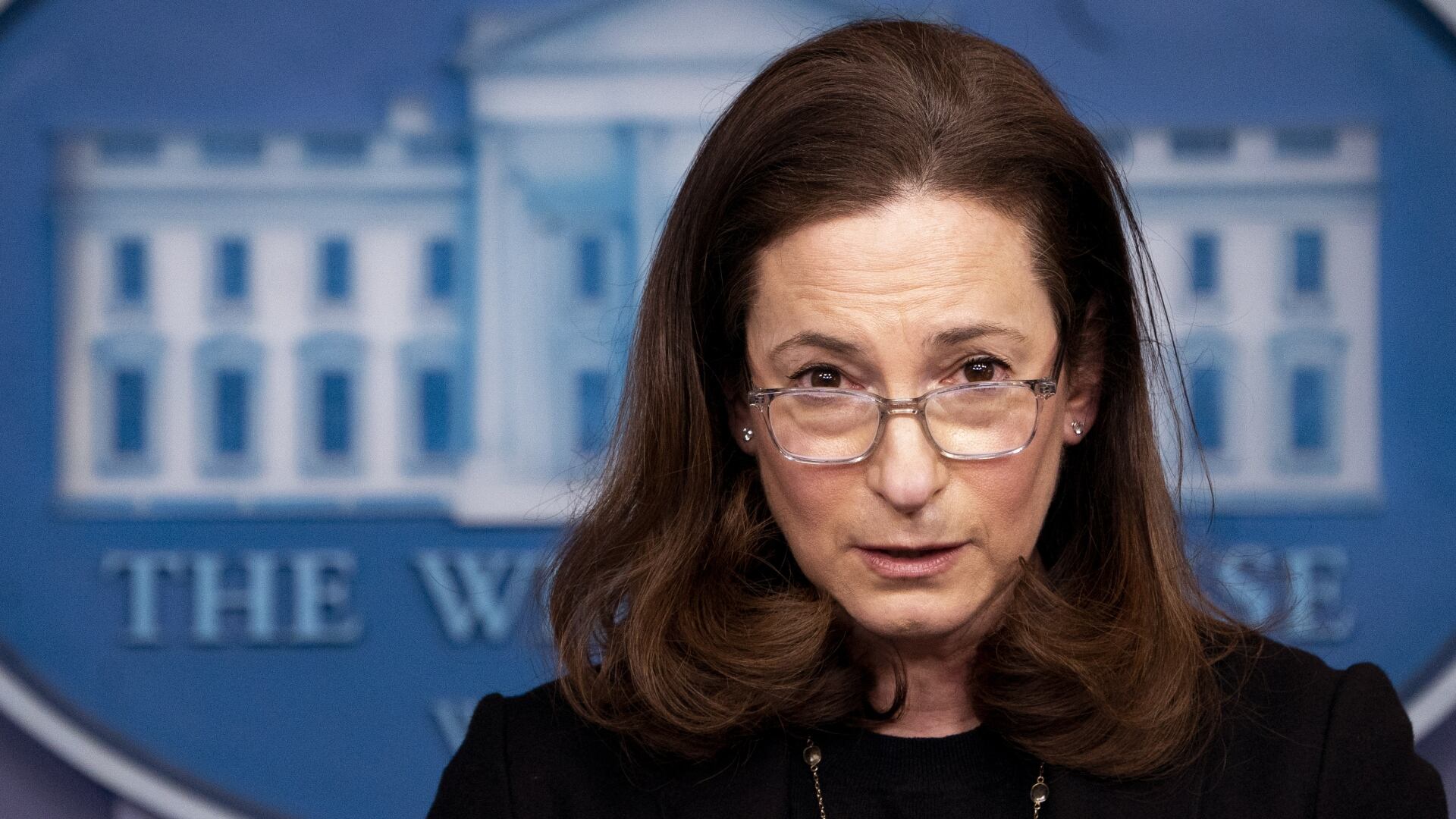
The Biden administration has made gender policy a core part of how it governs. The president established the first Gender Policy Council. It's on the same level as the National Security Council, Domestic Policy Council and National Economic Council, putting the interests of women and other underserved groups at the table for the most important policy discussions.
Cheddar News sat down with Jennifer Klein, executive director and co-chair of the White House Gender Policy Council, to discuss the council's work and its significance during Women's History Month.
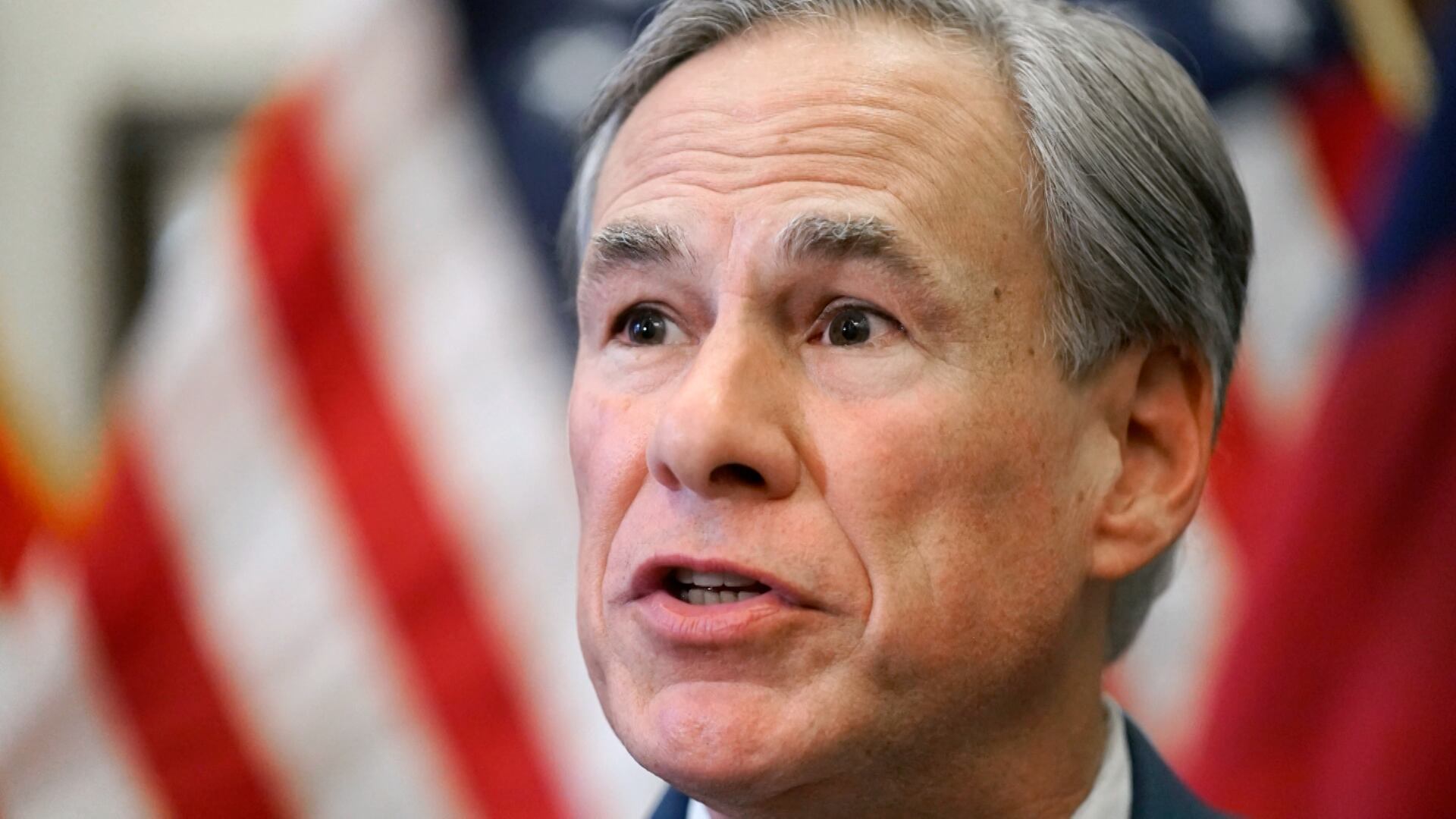
State Representative Jessica González, Vice Chair of the Texas House LGBTQ Caucus, joins Cheddar News to discuss the latest Texas anti-transgender directive.
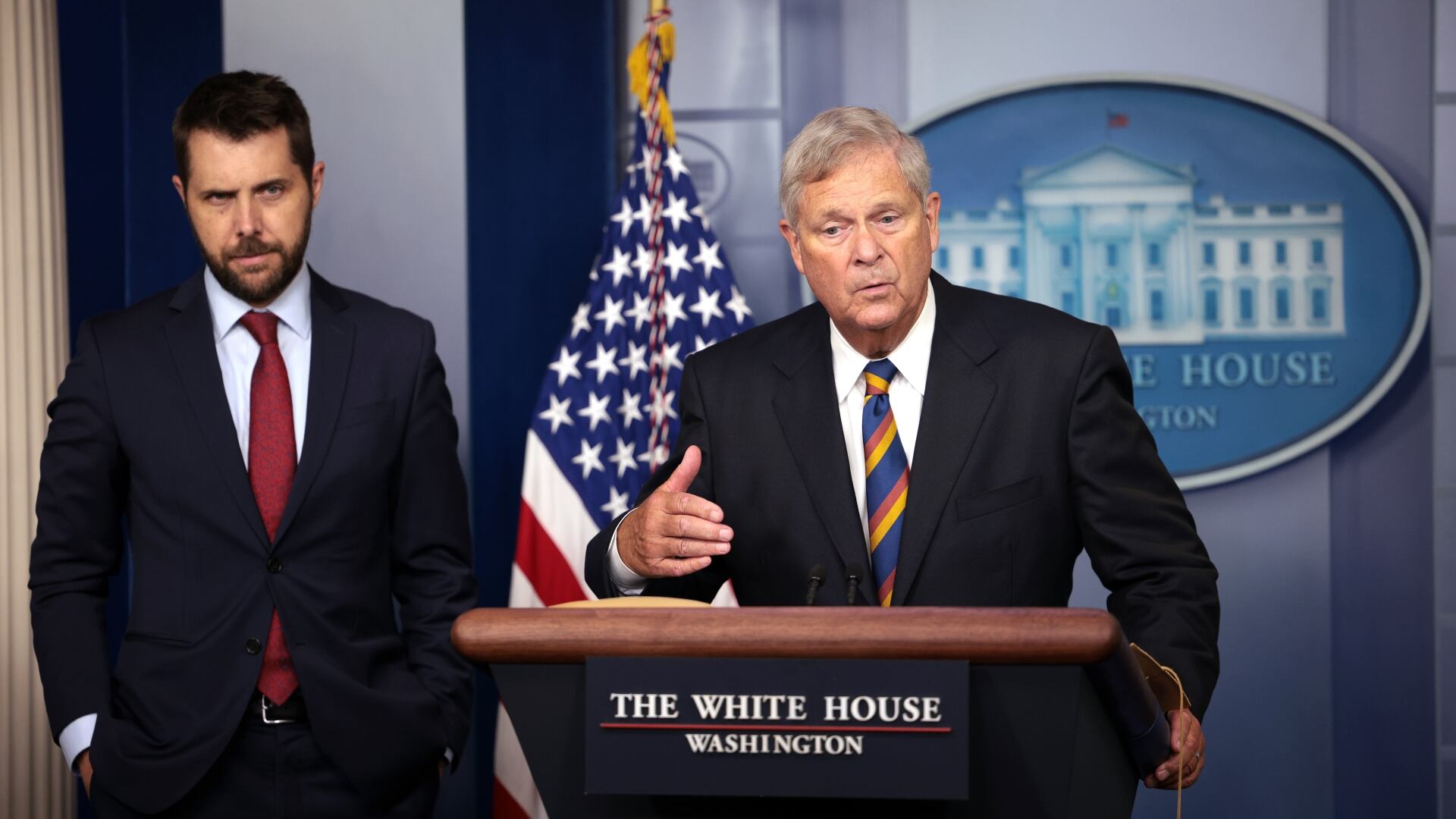
The United States Secretary of Agriculture, Tom Vilsack joins None of the Above to discuss the newly emerging conflict in Europe, what it means for agriculture in the states, dairy and meat consumption, and how the department is planning to promote climate-smart agriculture.
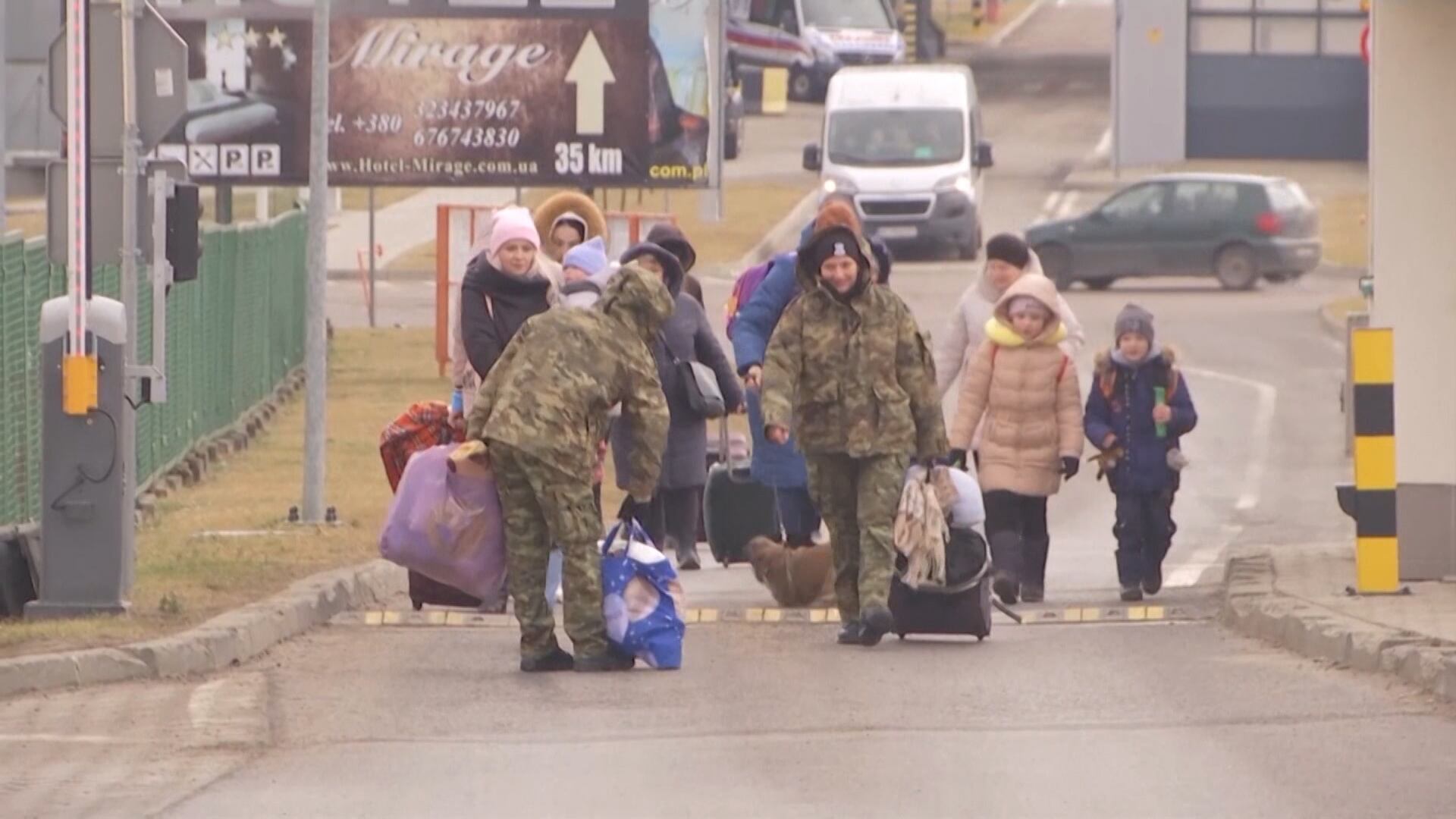
Tens of thousands of people have fled Ukraine in attempts to escape the Russian Invasion. According to the U.N. neighboring countries like Poland, Hungary, and even Romania have seen half a million refugees. While the hospitality is being welcomed by many, it also highlights the mistreatment of migrants and refugees from the Middle East and Africa. Professor of Philosophy and Director of Politics at Northeastern University Serena Parekh, joined Cheddar, to discuss more.
As Russia unleashed war in the country of Ukraine, global leaders have started inflicting punishment on Vladimir Putin's regime via commercial and financial penalties. According to President Joe Biden Putin's aggression is "a flagrant violation of international law and it demands a firm response from the international community".However, the main question is will these sanctions actually work. Partner at Jenner & Block LLP, Rachel Alpert, joined Cheddar to discuss more.