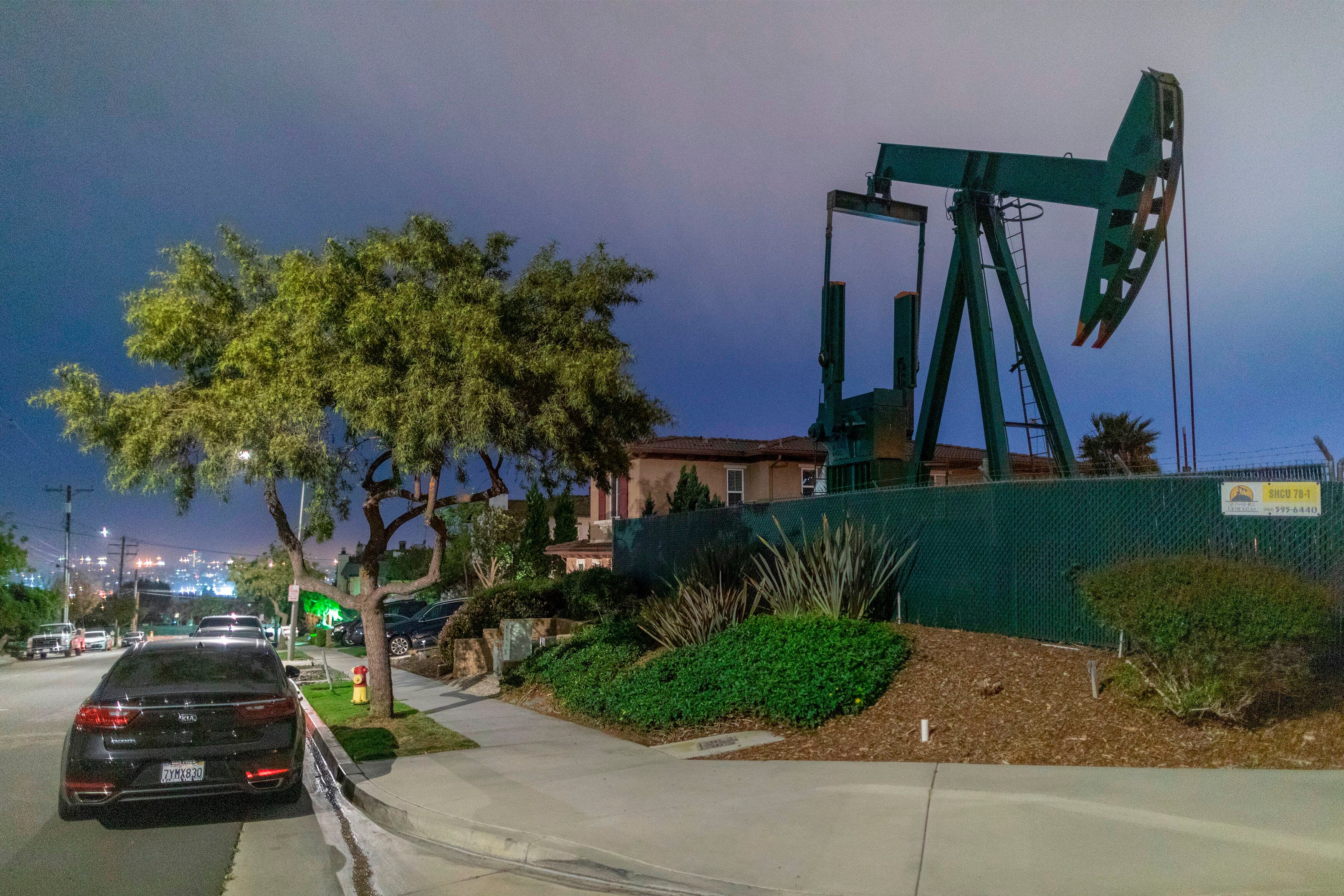
Pump jacks draw crude oil from the Long Beach Oil Field near homes in Signal Hill, California, on March 9, 2020. (Photo by DAVID MCNEW/AFP via Getty Images)
Oil prices plunged early Monday on renewed fears of a prolonged slowdown in demand and an even greater glut in supply.
Prices of Brent crude, the benchmark for global oil prices and for U.S. gasoline, had fallen as low as $22.63 a barrel as of Monday morning, down 17% from Friday. The price of West Texas Intermediate, or WTI, the bellwether for U.S. shale oil production, also fell about 6% to roughly $20 a barrel.
The price drops came on the heels of President Trump’s decision Sunday to extend the country’s social distancing guidelines another 30 days – meaning that Americans and U.S. businesses will almost certainly need to continue following the practices as late as April 30. Trump had previously said that he’d hoped to see some businesses resume normal operations as early as Easter on April 12 – a prediction that was roundly criticized by health experts.
“That recommendation effectively stymies American oil demand by putting a lid on gasoline and jet fuel consumption,” said Ellen Wald, president of Transversal Consulting and a senior fellow at the Atlantic Council Global Energy Center.
Meanwhile, adding to the downward pressure on prices, Saudi Arabia on Monday morning announced that it plans to step up its oil exports in May. The move is being driven by the reduction in domestic demand – due to the kingdom’s own social distancing practices to slow the spread of coronavirus – and the completion of new power plants that burn natural gas instead of oil, Wald said.
The developments – and the resulting crash in prices – promise to prolong the pain for U.S. shale oil producers. The sector needs WTI prices to be, on average, more than twice as high as they are now – at least $46 a barrel – to turn a profit, according to a quarterly survey published last week by the Federal Reserve Bank of Dallas. The bank called the results the “bleakest since the survey’s inception” in 2016.
Saudi Arabia, the world’s No. 2 oil producer behind the US. and the top oil exporter, triggered the crash in oil prices earlier this month. The kingdom slashed prices and ramped up production in a move widely seen as aimed at Russia, after the Kremlin declined to renew an agreement with Saudi Arabia and OPEC to cut oil production to help shore-up global prices.
After the 2021 boom, IPO activity slowed down significantly, in part due to monetary policy – but things are getting moving again with tech-friendly companies like Iboutta and Rubrik making a public debut.
With an increasing demand for mental health services, one person wanted to change the therapy game. In 2017, CEO Alex Katz founded Two Chairs, a company that uses technology to match patients with the right therapist.
Not only is April Financial Literacy Month, it’s also the kickoff of the spring homebuying season. So now is the time to make sure you have a financial plan in place – and why it might not be wise for that to include buying your first home.
While the U.S. may slowly be on the path to lowering inflation (and therefore interest rates), Europe has thoroughly trounced America, putting it on the path to lower rates by this summer.
April's release of the monthly Housing Starts and Building Permits reports by the Census Bureau provides crucial insights into the construction activity in the housing market. These reports are an economic indicator, shedding light on the current state of the housing market and its broader economic impact.
Caitlin Clark is heading to the Indiana Fever, the number one draft pick and the highest-scoring college basketball player of all time. And while she may not be getting millions from the WNBA, there's a few ways she'll net compensation for her generational talents.
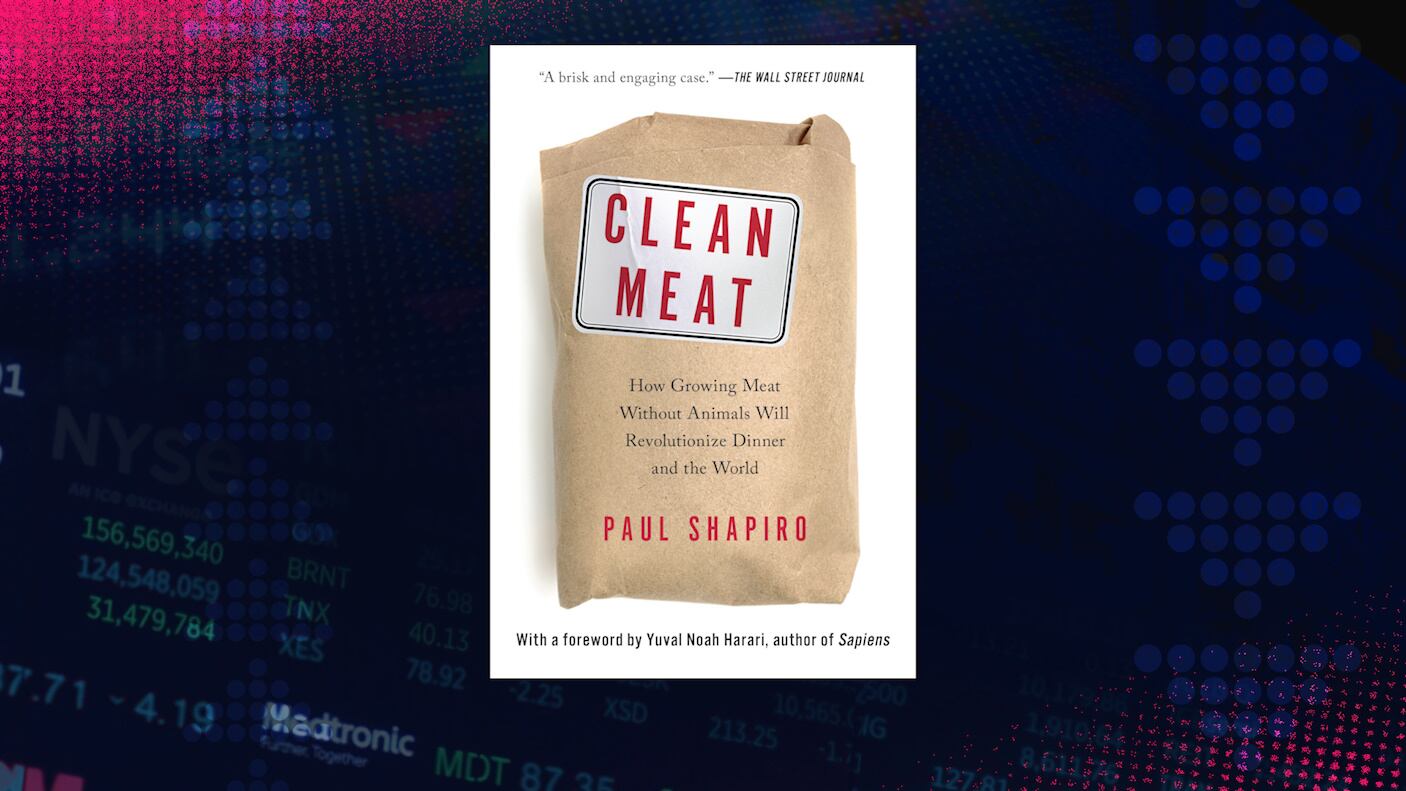
Author of 'Clean Meat,' Paul Shapiro joins Cheddar to discuss how the cellular agricultural revolution helps lower rates of foodborne illness and greatly improves environmental sustainability. Plus, how his company The Better Meat Co. is bringing healthier food options to the table.
Recent headlines might make it sound like World War III is imminent, but when it comes to your finances, it's not the time to panic. The market is coming off its longest winning streak since 2011.
You may have noticed fewer new venture capital-backed startups (like Airbnb or Uber) lately. The market slowed to a crawl after 2021, but things are expected to take off again in 2025.
Corporate earnings season is underway, that time when companies share their billions in sales or double-digit profits. But the data shows even companies are struggling with high inflation and interest rates.