Congresswoman Marcy Kaptur is a Democrat who represents the ninth district of Ohio. Congressman Ro Khanna is a Democrat who represents the 17th district of California, better known as Silicon Valley. Cheddar sat the two members down to discuss innovation in America. How does Silicon Valley branch out to and revive middle America?
One challenge in Ohio is educating workers on how to use the latest technology. Rep. Kaptur says not all individuals are comfortable with the pace of technological change that influences every industry. Mechanical skills are not "broadly distributed," she said, and it is challenging for people to keep up. Rep. Khanna added that leaders need to support tech innovation in local industries, giving workers "specific, employable" skills that will guarantee jobs.
The two lawmakers agree that American trade deals, like the North American Free Trade Agreement, have negatively impacted American workers. Rep. Khanna says they have "hollowed out" jobs in Middle America. Rep. Kaptur agreed, saying the "industrial heartland" has been hit very hard by U.S. trade policies. President Trump promised repeal of NAFTA, but has not yet delivered on that promise. The two lawmakers say they are waiting for President Trump to make a decision on trade that they hope will positively impact Americans.
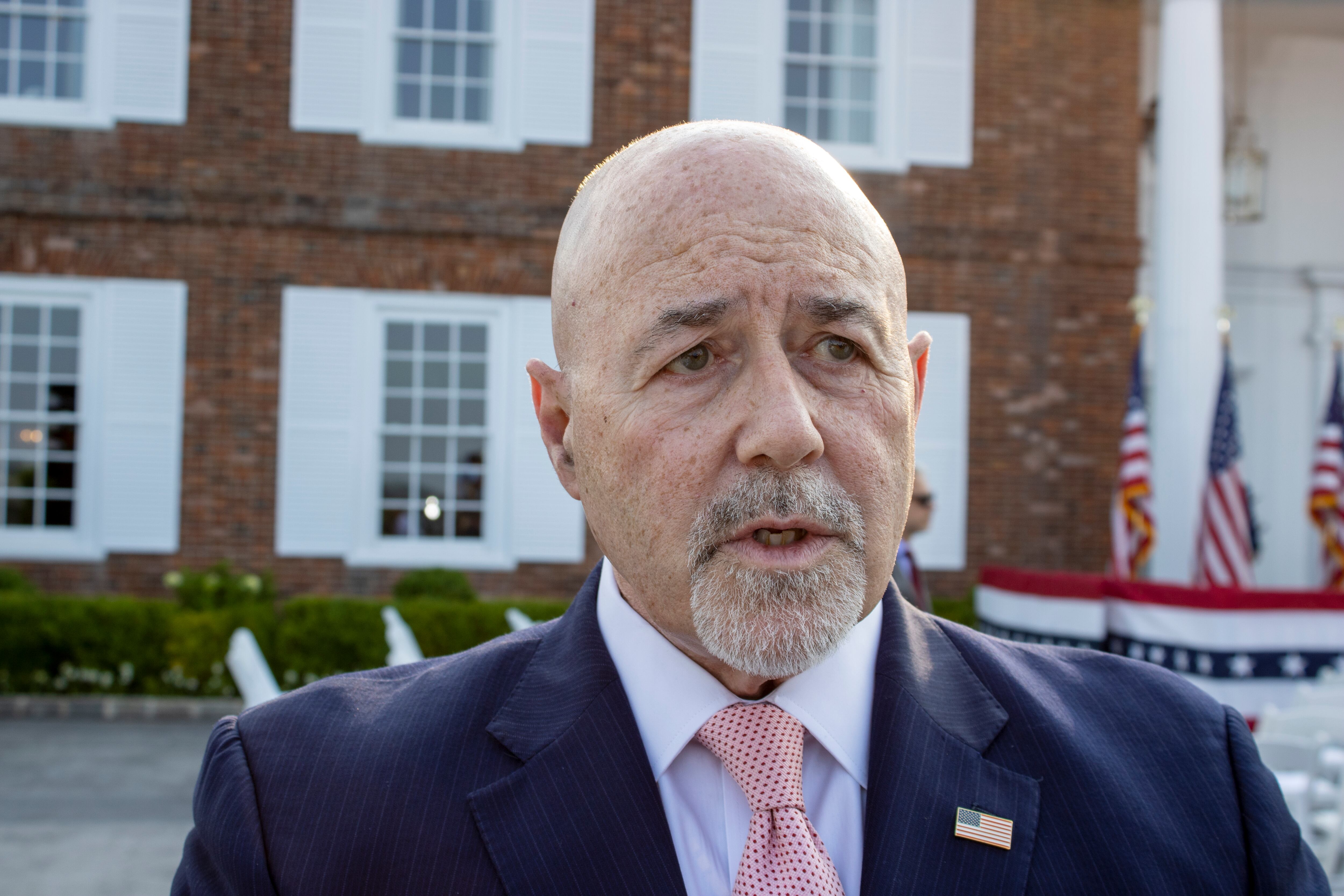
The lawyer for former NYPD commissioner Bernard Kerik turned over thousands of pages and documents to a special counsel as part of an investigation into Kerik's alleged involvement to overturn the results of the 2020 election.
Israel’s parliament on Monday approved the first major law in Prime Minister Benjamin Netanyahu’s contentious plan to overhaul the country’s justice system, triggering a new burst of mass protests and drawing accusations that he was pushing the country toward authoritarian rule.
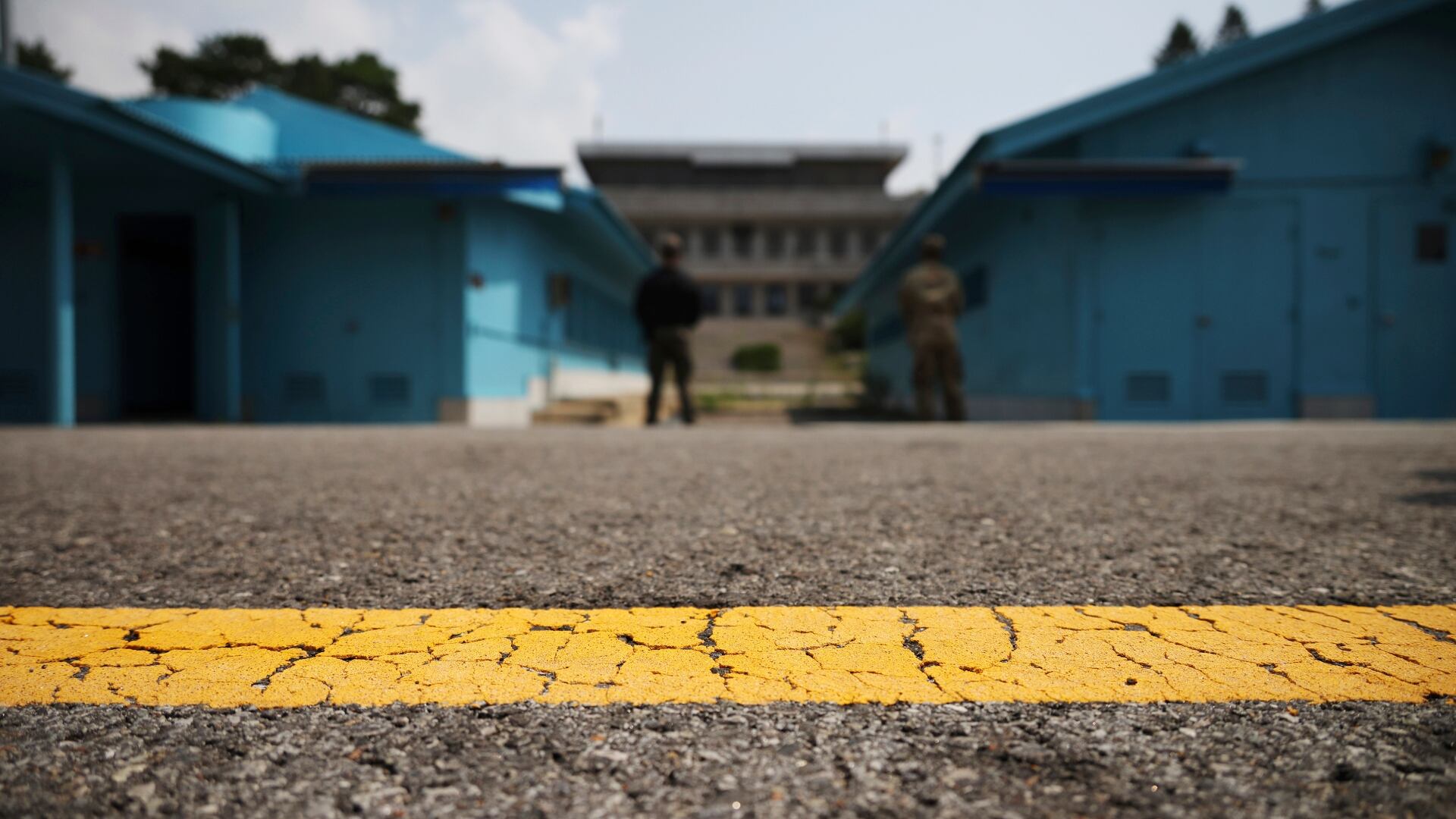
North Korea fired two short-range ballistic missiles into its eastern sea, South Korea’s military said Tuesday, adding to a recent streak in weapons testing that is apparently in protest of the U.S. sending major naval assets to South Korea in a show of force.
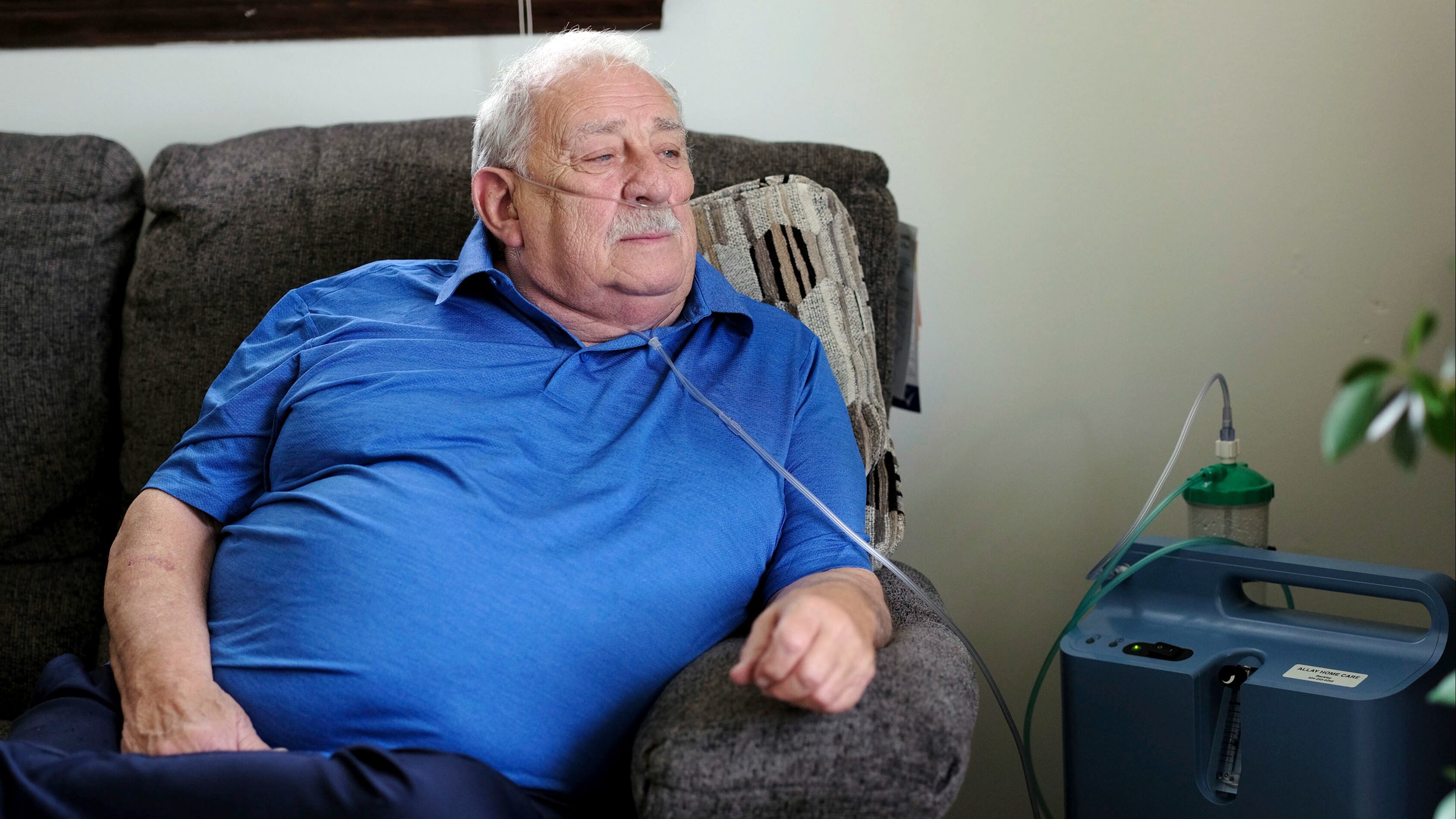
Now the federal Mine Safety and Health Administration has proposed a rule that would cut the current limit for silica exposure by half — a major victory for safety advocates. But there is skepticism and concern about the government following through after years of broken promises and delays.
A state trooper's account of officers denying migrants water in 100-degree Fahrenheit (37.7 Celsius) temperatures and razor wire leaving asylum-seekers bloodied has prompted renewed criticism.