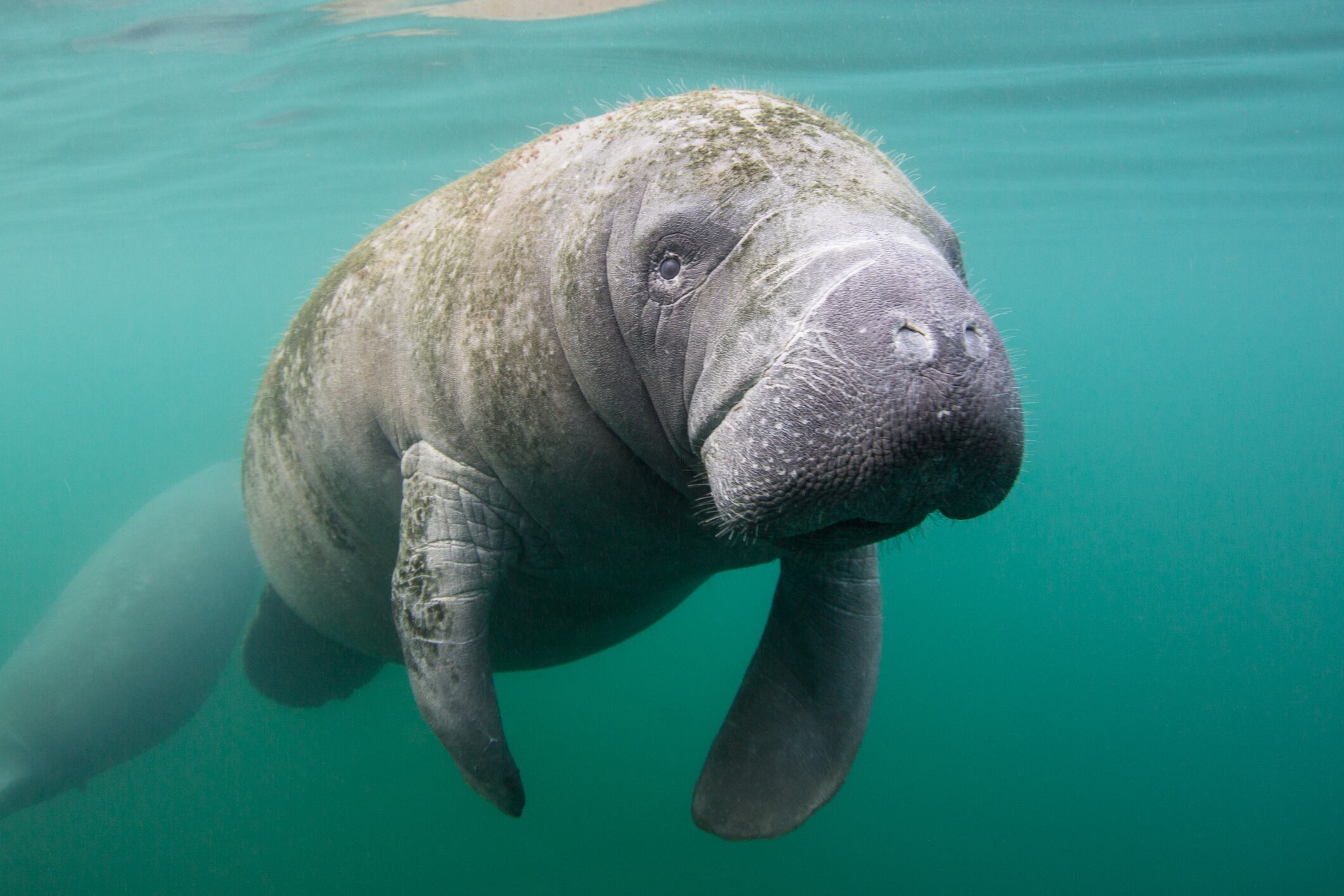
A stock image of a manatee swimming just below the surface in Crystal River, Florida. Credit: Brent Durand / Getty Images
State and federal wildlife officials are investigating reports of a manatee found with “Trump” drawn on its back in a Florida river.
The aquatic mammal was spotted over the weekend in the Homosassa River in Citrus County, the U.S. Fish and Wildlife Service and the Florida Fish and Wildlife Conservation Commission confirmed. The area is about 80 miles (130 kilometers) north of Tampa.
“West Indian manatees are essential members of the ecosystems in which they inhabit and are protected under the Endangered Species Act and the Marine Mammal Protection Act,” USFWS Director Aurelia Skipwith said in a statement.
The manatee does not appear to be seriously injured, officials said. It appears that the word was written in algae that had grown on the animal’s back, not scratched into its skin.
Wildlife officials are looking for any information regarding the animal's harassment. Tips can be reported at 888-404-3922. The Center for Biological Diversity, a nonprofit group that protects endangered animals, is offering a $5,000 reward for information leading to a conviction in the case.
Harassing a manatee, a federal crime, is punishable by a $50,000 fine and up to one year in prison.
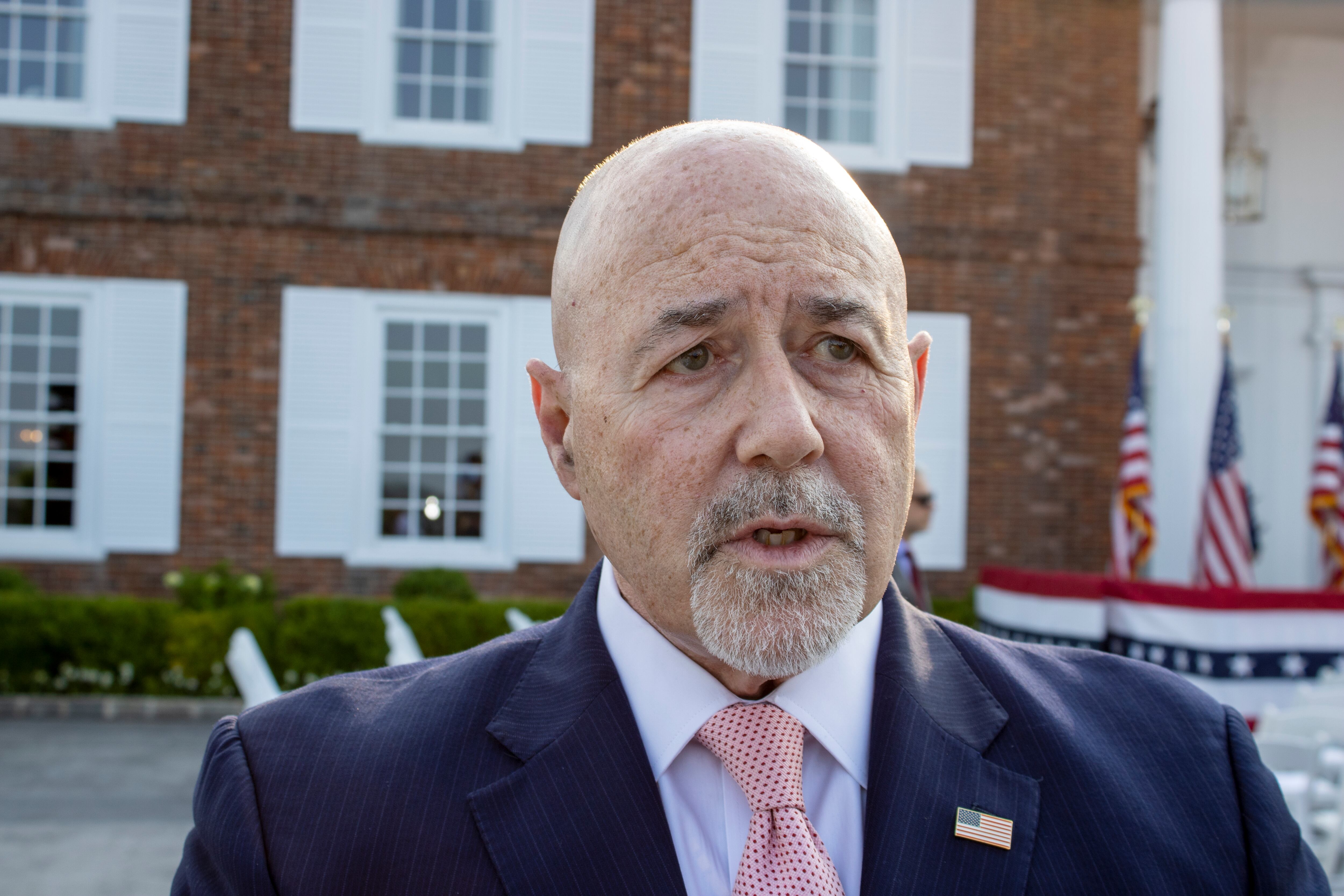
The lawyer for former NYPD commissioner Bernard Kerik turned over thousands of pages and documents to a special counsel as part of an investigation into Kerik's alleged involvement to overturn the results of the 2020 election.
Israel’s parliament on Monday approved the first major law in Prime Minister Benjamin Netanyahu’s contentious plan to overhaul the country’s justice system, triggering a new burst of mass protests and drawing accusations that he was pushing the country toward authoritarian rule.
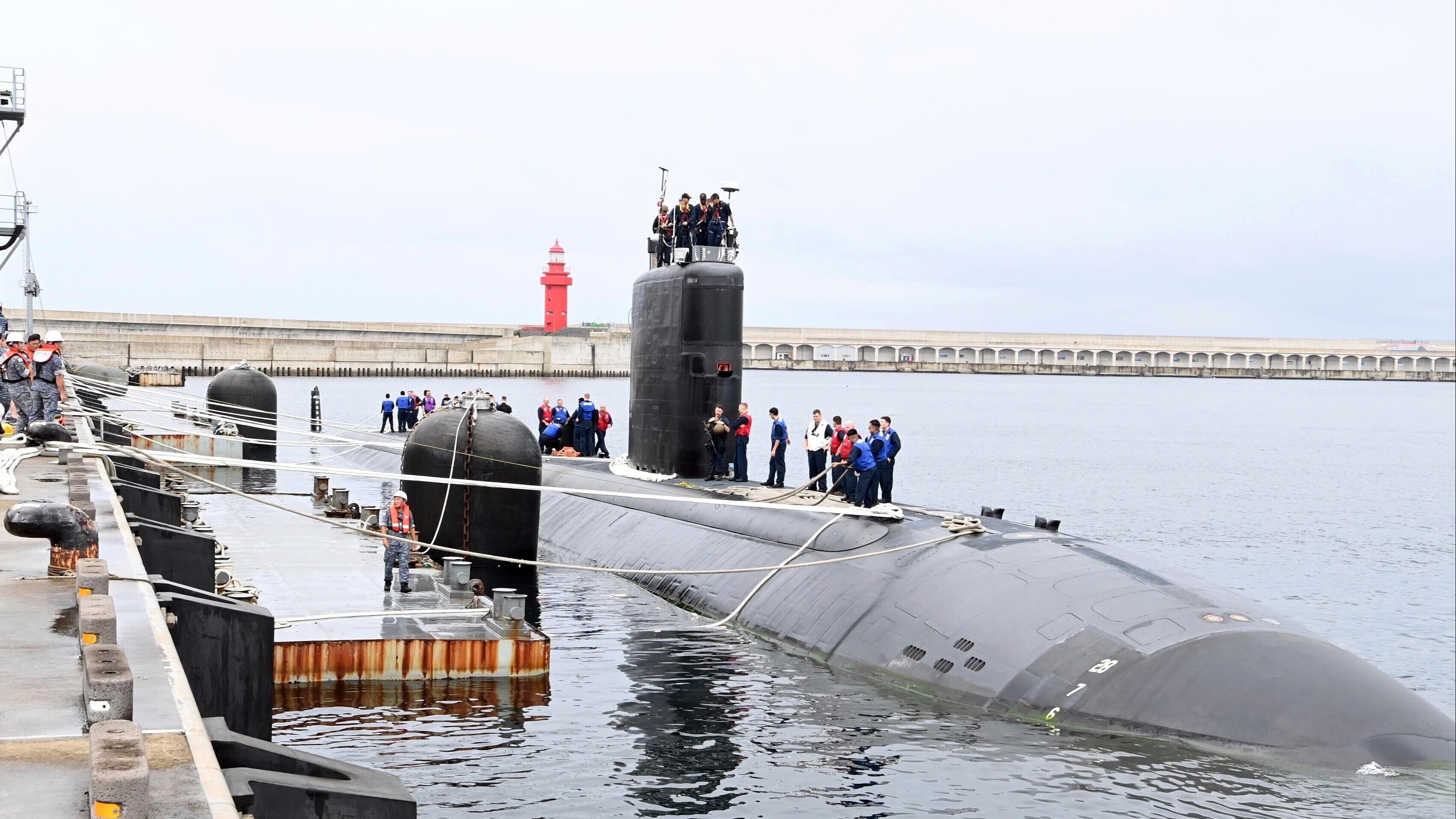
North Korea fired two short-range ballistic missiles into its eastern sea, South Korea’s military said Tuesday, adding to a recent streak in weapons testing that is apparently in protest of the U.S. sending major naval assets to South Korea in a show of force.
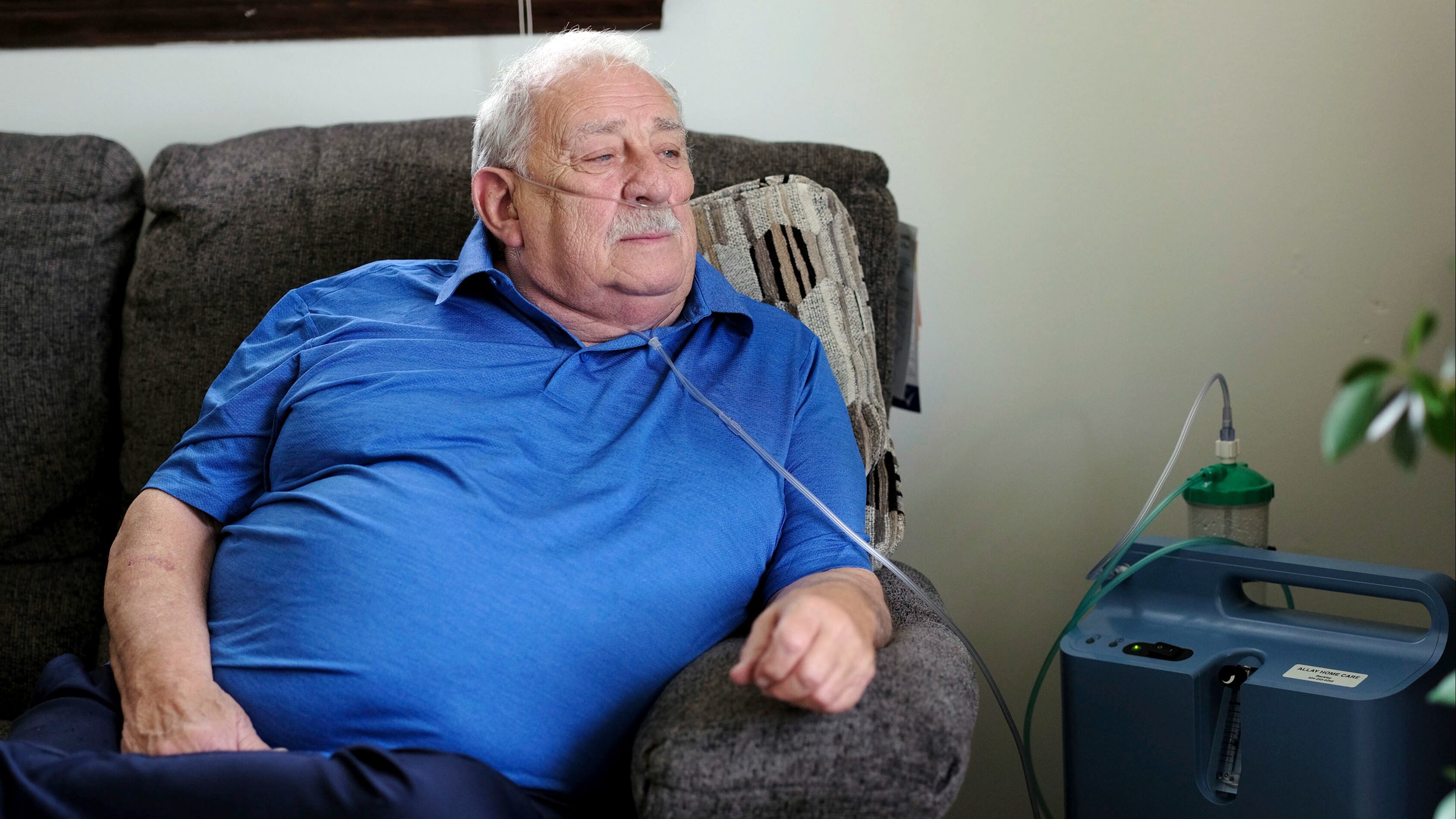
Now the federal Mine Safety and Health Administration has proposed a rule that would cut the current limit for silica exposure by half — a major victory for safety advocates. But there is skepticism and concern about the government following through after years of broken promises and delays.
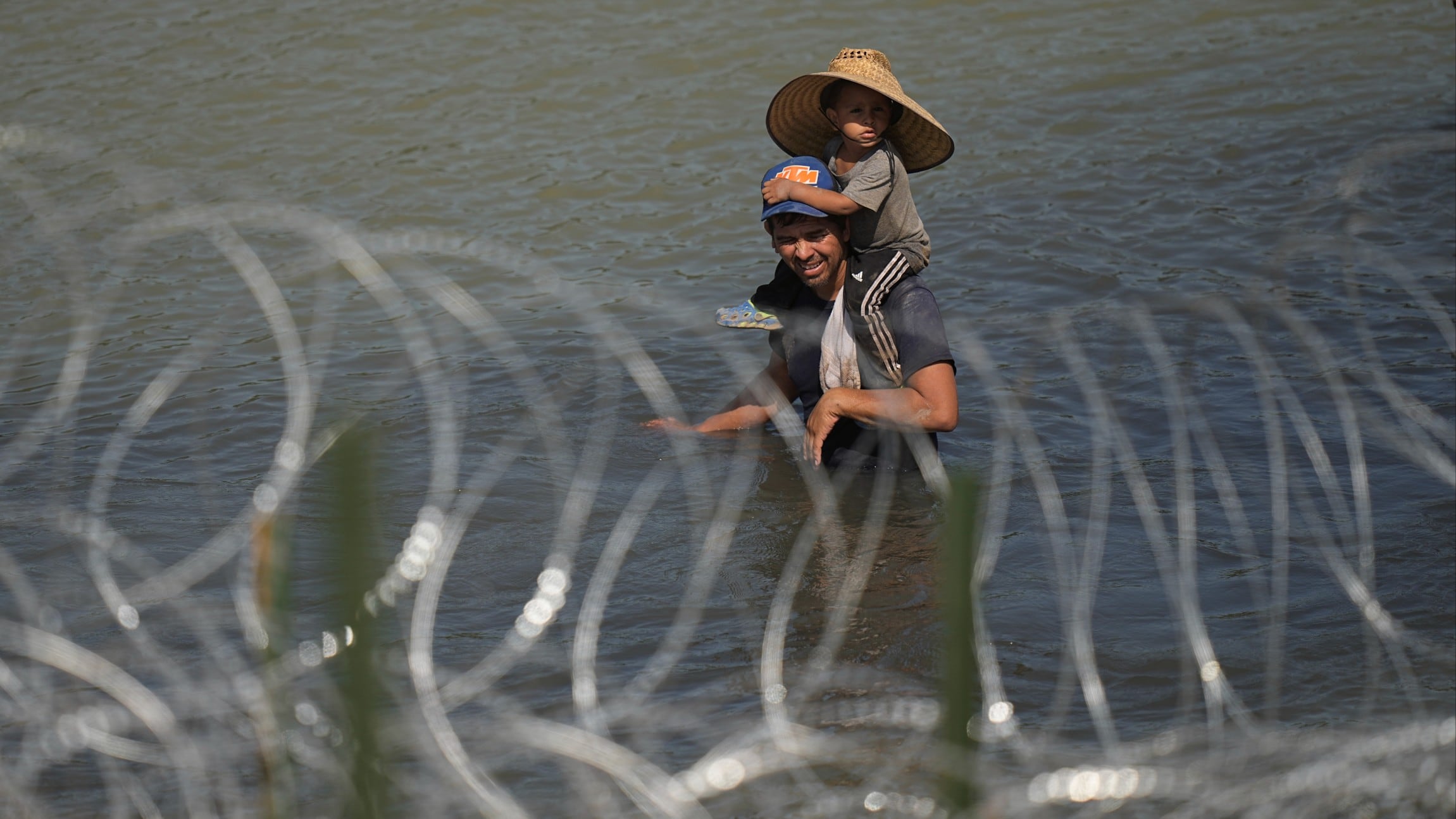
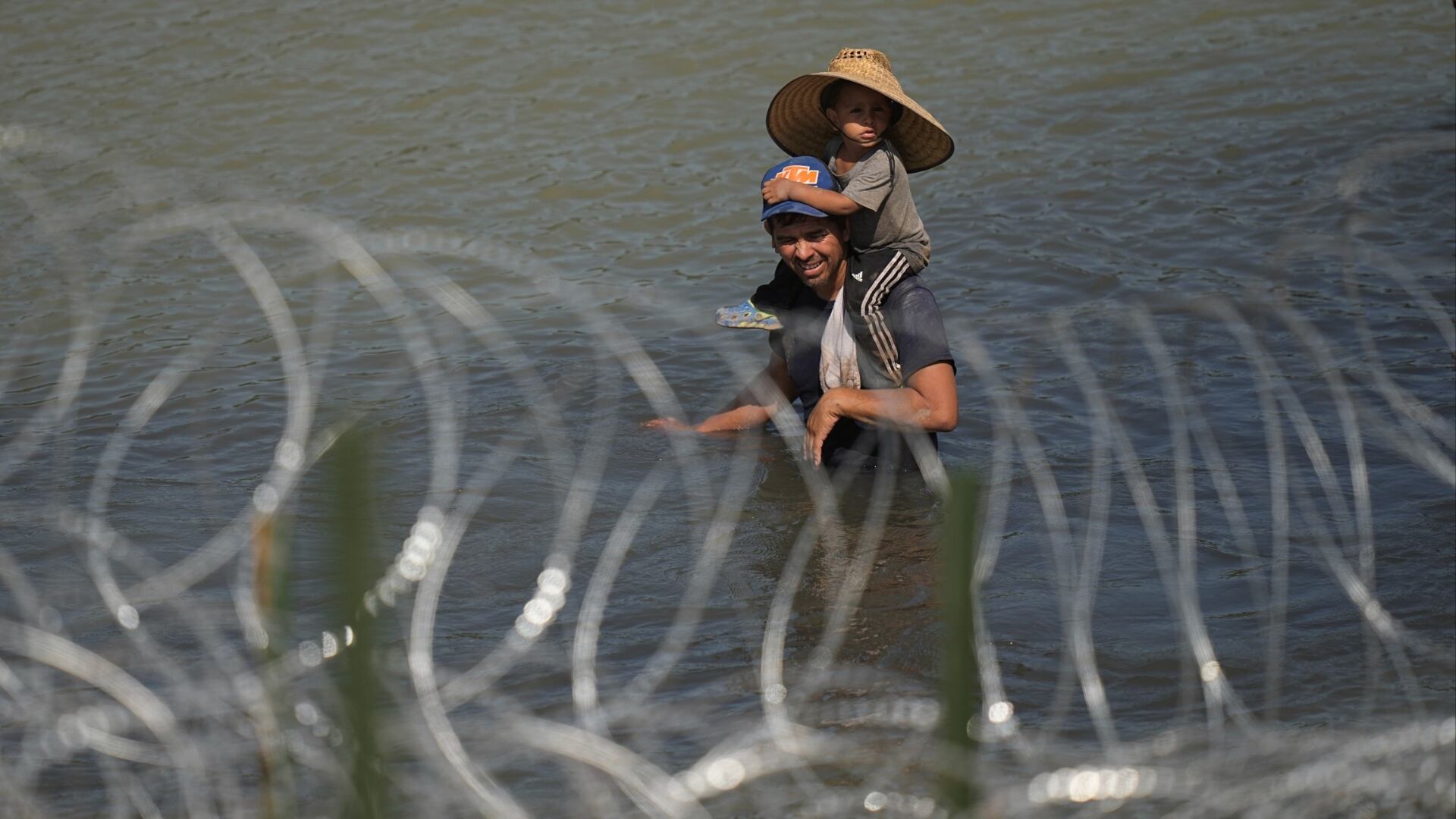
A state trooper's account of officers denying migrants water in 100-degree Fahrenheit (37.7 Celsius) temperatures and razor wire leaving asylum-seekers bloodied has prompted renewed criticism.