By Rob Gillies and Ted Shaffrey
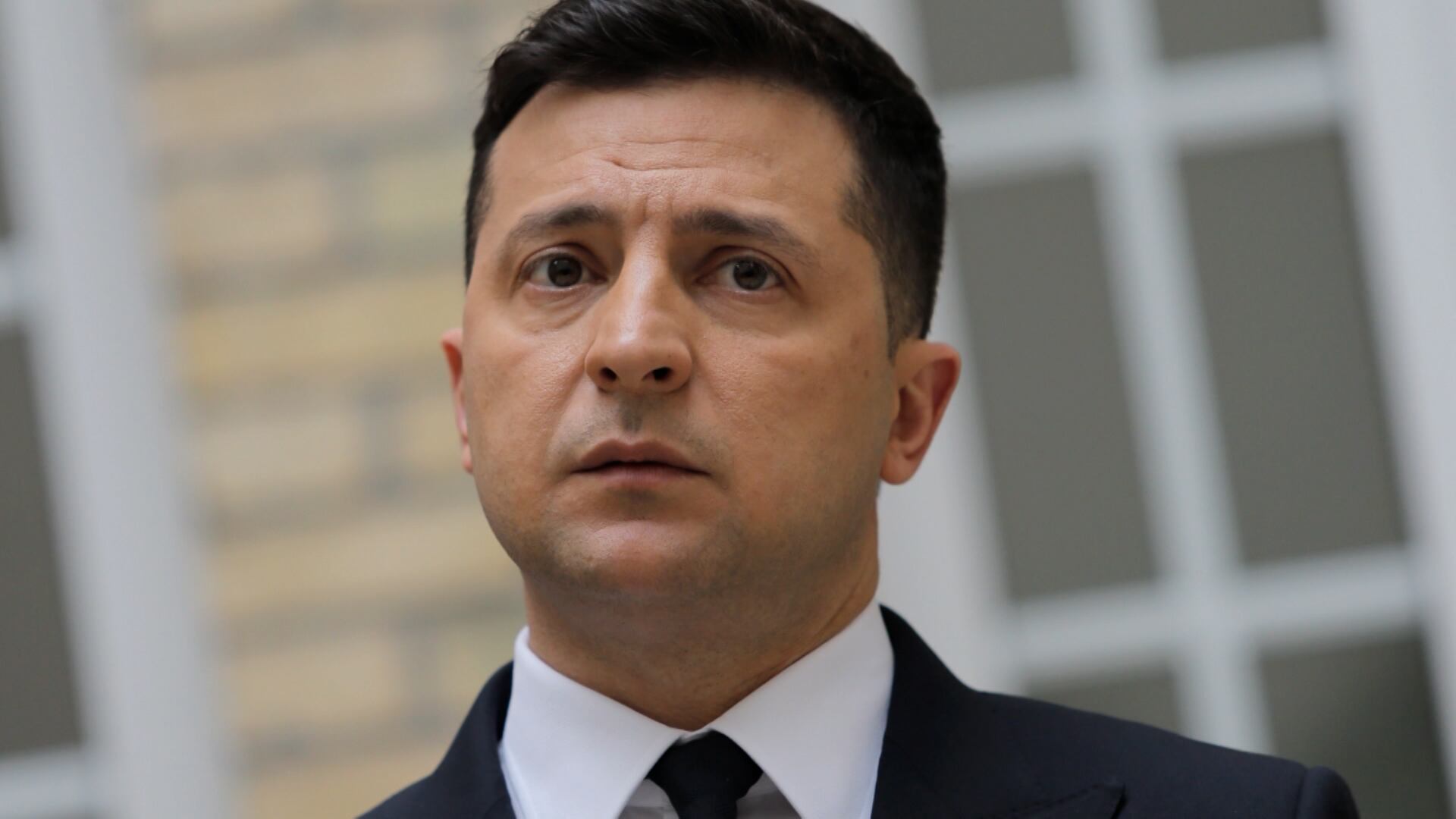
Canadian Prime Minister Justin Trudeau invoked emergency powers Monday to quell the protests by truck drivers and others who have paralyzed Ottawa and blocked border crossings in anger over the country’s COVID-19 restrictions.
In invoking Canada's Emergencies Act, which gives the federal government broad powers to restore order, Trudeau ruled out using the military.
His government instead threatened to tow away vehicles to keep essential services running; freeze truckers' personal and corporate bank accounts; and take further action to strike at their livelihoods and the sources of their financial support.
“Consider yourselves warned,” Deputy Prime Minister Chrystia Freeland said. “If your truck is used in these blockades, your corporate accounts will be frozen. The insurance on your vehicle will be suspended. Send your rigs home.”
Freeland, who is also the finance minister, said the government will also target crowd-funding sites that are being used to support the blockades.
Trudeau gave assurances the emergency measures “will be time-limited, geographically targeted, as well as reasonable and proportionate to the threats they are meant to address."
“These blockades are illegal, and if you are still participating the time to go home is now,” the prime minister declared after meeting virtually with leaders of the country’s provinces.
For more than two weeks, hundreds and sometimes thousands of protesters in trucks and other vehicles have clogged the streets of Ottawa, the capital, and besieged Parliament Hill, railing against vaccine mandates for truckers and other COVID-19 precautions and condemning Trudeau’s Liberal government.
Members of the self-styled Freedom Convoy have also blockaded various U.S.-Canadian border crossings, though the busiest and most important — the Ambassador Bridge connecting Windsor, Ontario, to Detroit — was reopened on Sunday after police arrested dozens of demonstrators and broke the nearly week-long siege that had disrupted auto production in both countries.
“This is the biggest, greatest, most severe test Trudeau has faced,” said Wesley Wark, a University of Ottawa professor and national security expert.
Invoking the Emergencies Act would allow the government to declare the Ottawa protest illegal and clear it out by such means as towing vehicles, Wark said. It would also enable the government to make greater use of the Royal Canadian Mounted Police, the federal police agency.
One of the protest organizers in Ottawa vowed not to back down in the face of pressure from the government.
“There are no threats that will frighten us. We will hold the line,” Tamara Lich said.
Cadalin Valcea, a truck driver from Montreal protesting for more than two weeks, said he will move move only if forced: “We want only one thing: to finish with this lockdown and these restrictions.”
Doug Ford, the Conservative premier of Ontario, which is Canada’s most populous province and includes Ottawa and Windsor, indicated support for the emergency action before the meeting with Trudeau, saying: “We need law and order. Our country is at risk now.”
But at least three other provincial leaders — from Quebec, Alberta and Saskatchewan — warned the prime minister against taking emergency action, some of them cautioning that such a move could inflame an already dangerous situation.
“At this point, it would not help the social climate. There is a lot of pressure, and I think we have to be careful,” said Quebec Premier François Legault. “It wouldn’t help for the polarization.”
The protests have drawn support from right-wing extremists and armed citizens in Canada, and have been cheered on in the U.S. by Fox News personalities and conservatives such as Donald Trump.
Other conservatives pushed Trudeau to simply drop the pandemic mandates.
“He’s got protests right around the country, and now he’s dropping in the polls, desperately trying to save his political career. The solution is staring him in the face,” said opposition Conservative lawmaker Pierre Poilievre, who is running for the party’s leadership.
In other developments, the Mounties said they arrested 11 people at the blockaded border crossing at Coutts, Alberta, opposite Montana, after learning of a cache of guns and ammunition.
Police said a small group within the protest was said to have a “willingness to use force against the police if any attempts were made to disrupt the blockade.” Authorities seized long guns, handguns, body armor and a large quantity of ammunition.
Alberta Premier Jason Kenney also said protesters in a tractor and a heavy-duty truck tried to ram a police vehicle at Coutts on Sunday night and fled. He said some protesters want to “take this in a very dangerous and dark direction.”
Over the past weeks, authorities have hesitated to move against the protesters. Local officials cited a lack of police manpower and fears of violence, while provincial and federal authorities disagreed over who had responsibility for quelling the unrest.
An earlier version of the Emergencies Act, called the War Measures Act, was used just once during peacetime, by Trudeau’s late father, Prime Minister Pierre Trudeau, to deal with a militant Quebec independence movement in 1970.
Invoking emergency powers would be a signal to Canadians and allies like the United States and around the world “who are wondering what the hell has Canada been up to,” Wark said.
The demonstrations have inspired similar convoys in France, New Zealand and the Netherlands. U.S. authorities have said that truck convoys may be in the works in the United States.
Also Monday, Ontario’s premier announced that on March 1, the province will lift its requirement that people show proof of vaccination to get into restaurants, restaurants, gyms and sporting events. The surge of cases caused by the omicron variant has crested in Canada.
“Let me very clear: We are moving in this direction because it is safe to do so. Today’s announcement is not because of what’s happening in Ottawa or Windsor but despite it,” Ford said.
The Ambassador Bridge, which carries 25% of all trade between the two countries, reopened to traffic late Sunday night. The interruption forced General Motors, Ford, Toyota and other automakers to close plants or curtail production on both sides of the border.
The siege in Ottawa, about 470 miles (750 kilometers) away, has infuriated residents fed up with government inaction. They have complained of being harassed and intimidated by the protesters who have parked their rigs on the streets.
“It’s stressful. I feel angry at what’s happening. This isn’t Canada. This does not represent us,” Colleen Sinclair, a counter-protester who lives in Ottawa.
Many of Canada’s COVID-19 restrictions, such as mask rules and vaccine passports for getting into restaurants and theaters, are already falling away as the omicron surge levels off.
Pandemic restrictions have been far stricter in Canada than in the U.S., but Canadians have largely supported them. The vast majority of Canadians are vaccinated, and the COVID-19 death rate is one-third that of the United States.
_____
Gillies reported from Toronto. Associated Press writers Ted Shaffrey in Ottawa, Ontario, and Gene Johnson in Seattle contributed to this report.
Updated on February 14, 2022, at 5:47 p.m. ET with the latest details.