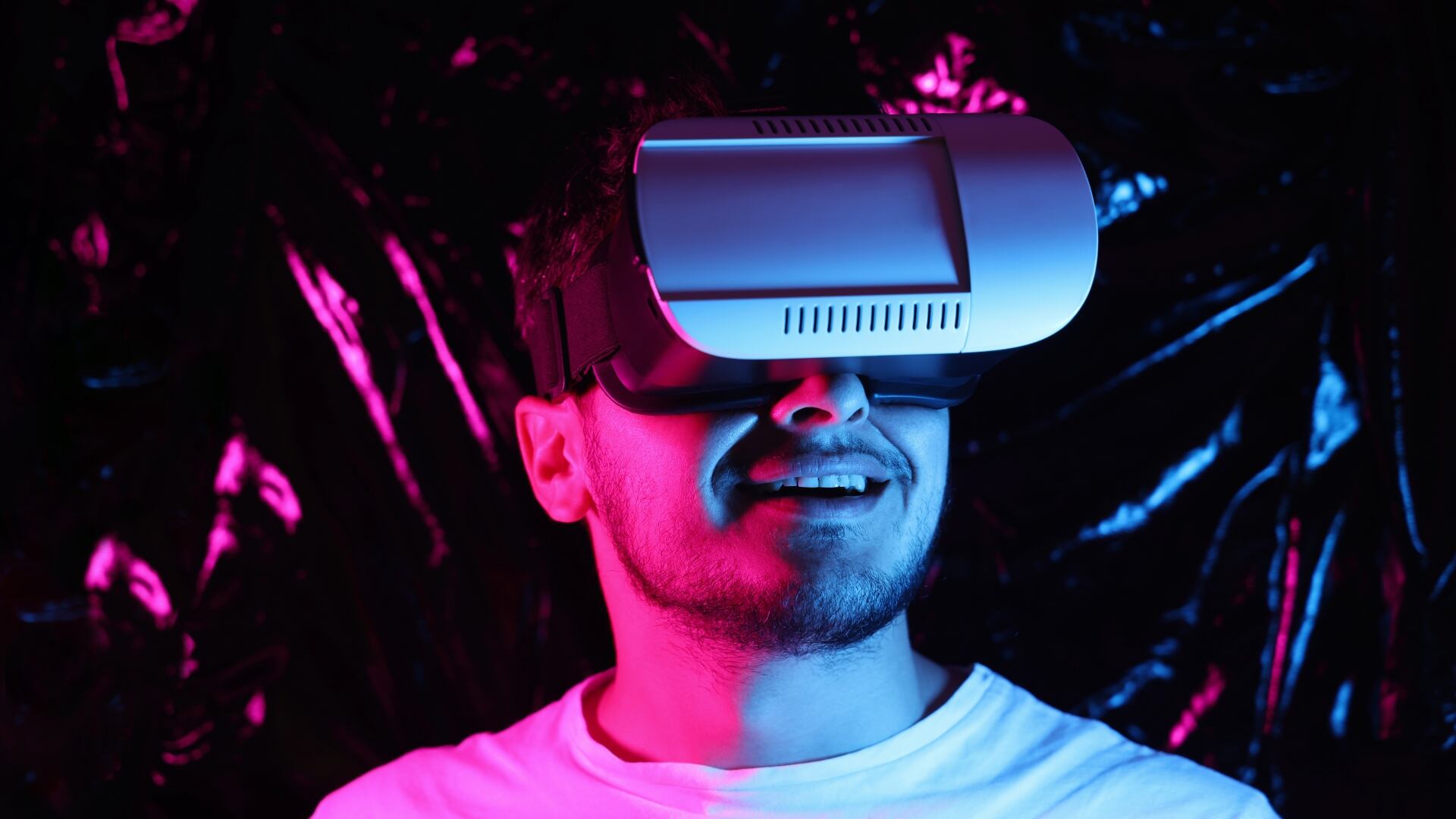
*By Alisha Haridasani* With its sights trained on a broader market for its virtual reality headsets, Facebook’s Oculus began selling its mid-range device on Tuesday. The Oculus Go, which is available for sale on the Oculus website, Amazon, and in Best Buy stores, starts at $199, about half the price of the company’s high-end Rift product. The company also produces the cheaper Oculus Gear VR, which only works with select Samsung phones. The Go, unlike the Rift or the Gear VR, doesn’t need to be tethered to another device. “We think that Oculus Go is a fantastic entry point for people who may not have tried getting into VR yet,” said Madhu Muthukumar, the product manager for Oculus Go, in an interview with Cheddar’s Alex Heath. “We think of VR as a spectrum,” said Muthukumar, with the Rift at one end and the Gear VR at the other. The Go fits “nicely in the middle," he said. The Go includes its own for-sale VR video library and access to Oculus TV, a new platform that allows users to access TV apps such as ESPN, Netflix, and Hulu. The new Go headset is also compatible with personal photos and videos from a user's phone, social media accounts, and Dropbox. The Go can also be fitted with prescription lenses. “This is how people imagine VR should work,” said Muthukumar. Oculus has grown from the Kickstarter-funded brainchild of [Palmer Luckey](https://www.wired.com/2014/05/oculus-rift-4/), who created the first prototype in 2011, when he was 18 years old, to a major player in virtual reality. Facebook acquired the company in 2014 for $2 billion, prompting other tech companies such as Microsoft and Google to try to develop their own competitive VR products. Apple is [reportedly](https://www.cnet.com/news/apple-is-working-on-an-ar-augmented-reality-vr-virtual-reality-headset-powered-by-a-wireless-wigig-hub/)working on its own headset that can run both VR and AR technology. Despite Silicon Valley's push into VR, the technology hasn't been widely adopted by consumers. In 2016, only 200,000 Rift headsets were sold globally, according to a study by [SuperData](https://www.economist.com/news/business/21724863-vr-has-been-more-about-hype-substance-will-change-reality-check-virtual). The VR software and hardware industry made $1.8 billion in 2016, half the amount estimated in the study. For the full interview, [click here](https://cheddar.com/videos/facebook-looks-to-take-vr-mainstream-with-oculus-go).