Oculus Go Aims to Be Facebook's VR Gateway for the Masses
*By Alisha Haridasani*
With its sights trained on a broader market for its virtual reality headsets, Facebook’s Oculus began selling its mid-range device on Tuesday.
The Oculus Go, which is available for sale on the Oculus website, Amazon, and in Best Buy stores, starts at $199, about half the price of the company’s high-end Rift product. The company also produces the cheaper Oculus Gear VR, which only works with select Samsung phones. The Go, unlike the Rift or the Gear VR, doesn’t need to be tethered to another device.
“We think that Oculus Go is a fantastic entry point for people who may not have tried getting into VR yet,” said Madhu Muthukumar, the product manager for Oculus Go, in an interview with Cheddar’s Alex Heath.
“We think of VR as a spectrum,” said Muthukumar, with the Rift at one end and the Gear VR at the other. The Go fits “nicely in the middle," he said.
The Go includes its own for-sale VR video library and access to Oculus TV, a new platform that allows users to access TV apps such as ESPN, Netflix, and Hulu. The new Go headset is also compatible with personal photos and videos from a user's phone, social media accounts, and Dropbox. The Go can also be fitted with prescription lenses.
“This is how people imagine VR should work,” said Muthukumar.
Oculus has grown from the Kickstarter-funded brainchild of [Palmer Luckey](https://www.wired.com/2014/05/oculus-rift-4/), who created the first prototype in 2011, when he was 18 years old, to a major player in virtual reality. Facebook acquired the company in 2014 for $2 billion, prompting other tech companies such as Microsoft and Google to try to develop their own competitive VR products. Apple is [reportedly](https://www.cnet.com/news/apple-is-working-on-an-ar-augmented-reality-vr-virtual-reality-headset-powered-by-a-wireless-wigig-hub/)working on its own headset that can run both VR and AR technology.
Despite Silicon Valley's push into VR, the technology hasn't been widely adopted by consumers. In 2016, only 200,000 Rift headsets were sold globally, according to a study by [SuperData](https://www.economist.com/news/business/21724863-vr-has-been-more-about-hype-substance-will-change-reality-check-virtual). The VR software and hardware industry made $1.8 billion in 2016, half the amount estimated in the study.
For the full interview, [click here](https://cheddar.com/videos/facebook-looks-to-take-vr-mainstream-with-oculus-go).
Bitcoin had a successful 2021: reaching a new high of nearly $70,000, a $1 trillion market cap, and becoming legal tender in El Salvador. Investors also got the chance to invest in three Bitcoin futures-backed ETFs once they were approved. These developments set up the world's best-known digital coin for more success in 2022, but could altcoins like Ethereum, Litecoin, and others move into the top spot or impact Bitcoin's value? Matt Hougan, CIO of Bitwise Asset Management, joins Cheddar's Crypto Craze: The Year of the Token to discuss his 2022 outlook for Bitcoin, whether we could see an ETF backed by a physical coin, and more.
Coming off a 2021 campaign where the prices of Bitcoin, Ether, and other cryptocurrencies reached unpreceded levels, Bitwise Asset Management CIO Matt Hougan and OpenNode Co-Founder & CTO João Almeida join Cheddar News' Crypto Craze: The Year of the Token to discuss the ways the crypto market can soar even higher in 2022.
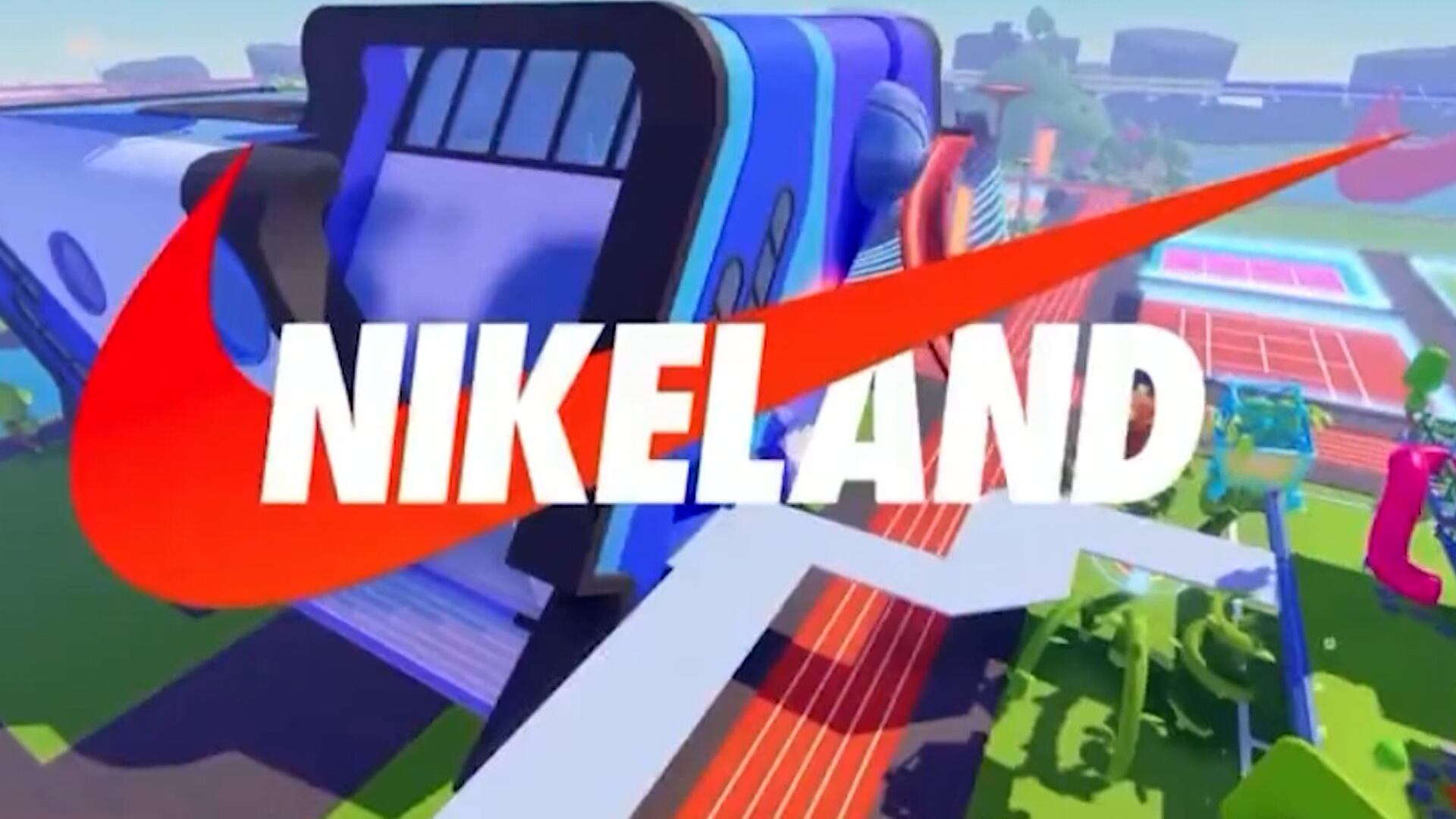
Howard Yu, LEGO professor of management and innovation at IMD Business School and author of "Leap: How to Thrive in a World Where Everything Can Be Copied," joined Cheddar to discuss the mania surrounding the concept of the metaverse. He particularly noted how companies in the retailing sector like Nike are leveraging it. "I think metaverse really opens up a window for brands to think about how can they, ongoing-wise, engage with the consumer, engage with the target audience, so their brand continues to stay refreshed in the changing environment," Yu said.
2021 was no walk in the park for the tech sector. However, despite the industry dealing with worldwide chip shortage and supply chain crisis, many companies managed to push innovations forward. All these innovations are also expected to accelerate its coolness in 2022. Editor at Large at CNET Ian Sherr, joined Cheddar to discuss more.
The mobile brokerage app, Tornado, says its the first investing platform that combines next-level tools and resources with hyper-tailored investing news. The more you engage within the app, the more intelligent of an investor you'll be, and the more you'll gain from the experience. 'Learn and earn,' the latest feature of the app serves to do just that, as it pays users to learn how to invest. CEO and co-founder of Tornado, Bernard George, joins Cheddar News to discuss.
Digital assets are the gifts that keep on giving, as they have the potential to make people serious cash if it's value increases over time. These gifts are ultimately just investments, in the form of art. Sunil Singhvi, chief business development officer at Rarible, joins Cheddar News to discuss.