Oculus Go Aims to Be Facebook's VR Gateway for the Masses
*By Alisha Haridasani*
With its sights trained on a broader market for its virtual reality headsets, Facebook’s Oculus began selling its mid-range device on Tuesday.
The Oculus Go, which is available for sale on the Oculus website, Amazon, and in Best Buy stores, starts at $199, about half the price of the company’s high-end Rift product. The company also produces the cheaper Oculus Gear VR, which only works with select Samsung phones. The Go, unlike the Rift or the Gear VR, doesn’t need to be tethered to another device.
“We think that Oculus Go is a fantastic entry point for people who may not have tried getting into VR yet,” said Madhu Muthukumar, the product manager for Oculus Go, in an interview with Cheddar’s Alex Heath.
“We think of VR as a spectrum,” said Muthukumar, with the Rift at one end and the Gear VR at the other. The Go fits “nicely in the middle," he said.
The Go includes its own for-sale VR video library and access to Oculus TV, a new platform that allows users to access TV apps such as ESPN, Netflix, and Hulu. The new Go headset is also compatible with personal photos and videos from a user's phone, social media accounts, and Dropbox. The Go can also be fitted with prescription lenses.
“This is how people imagine VR should work,” said Muthukumar.
Oculus has grown from the Kickstarter-funded brainchild of [Palmer Luckey](https://www.wired.com/2014/05/oculus-rift-4/), who created the first prototype in 2011, when he was 18 years old, to a major player in virtual reality. Facebook acquired the company in 2014 for $2 billion, prompting other tech companies such as Microsoft and Google to try to develop their own competitive VR products. Apple is [reportedly](https://www.cnet.com/news/apple-is-working-on-an-ar-augmented-reality-vr-virtual-reality-headset-powered-by-a-wireless-wigig-hub/)working on its own headset that can run both VR and AR technology.
Despite Silicon Valley's push into VR, the technology hasn't been widely adopted by consumers. In 2016, only 200,000 Rift headsets were sold globally, according to a study by [SuperData](https://www.economist.com/news/business/21724863-vr-has-been-more-about-hype-substance-will-change-reality-check-virtual). The VR software and hardware industry made $1.8 billion in 2016, half the amount estimated in the study.
For the full interview, [click here](https://cheddar.com/videos/facebook-looks-to-take-vr-mainstream-with-oculus-go).
An economic development agency, the Northwest Arkansas Council, is looking to draw technology professionals to their region of the Southern state with incentives like $10,000 worth of Bitcoin and a new bicycle. Nelson Peacock, president and CEO of the private nonprofit made up of companies like Walmart and Tyson Foods, joined Cheddar to talk about the program to further power his local economy. "By offering the payment in Bitcoin, we're looking to identify those people with interest and expertise in the underlying technologies, the blockchain technologies," he said.
After months of investors turning to crypto as a hedge against inflation, instead of the traditional hedge of gold, one crypto exchange is working with a token creator to launch a digital coin backed by a physical asset. GCOIN gives customers a digital title of ownership to 99.99% pure physical gold which is stored in a secured vault. Brent de Jong, GCoin's founder and Kristin Boggiano, Co-Founder and President of CrossTower, a cryptocurrency exchange, join Cheddar News' Closing Bell to discuss the GCOIN rollout, customer interest, why crypto is used as an inflation hedge, and more.
Retail platform operator and delivery company, Foxtrot,
raised $100 million in a Series C round led by D1 Capital Partners. Foxtrot bills itself as the modern convenience store that combines what it calls in-store curated discovery with 30-minute delivery and 5-minute pickup. Since launching first as a digital-only delivery service, the company has since grown into a popular local retailer, opening 16 brick and mortar locations across Chicago, Dallas, and Washington, DC. Foxtrot co-founder and CEO Michael LaVitola joined Cheddar News' Closing Bell to discuss.
The January 6 committee has subpoenaed four tech giants for more information on what they did and didn't do leading up to last year's deadly Capitol insurrection. Google, Facebook, Twitter, and Reddit were asked to assist the investigation in August, but the committee says their responses have been 'inadequate.' Craig Timberg, a national technology reporter at the Washington Post, joins Cheddar News' Closing Bell for more details about the subpoenas, why this is happening now, and how it might impact social media companies moving forward.
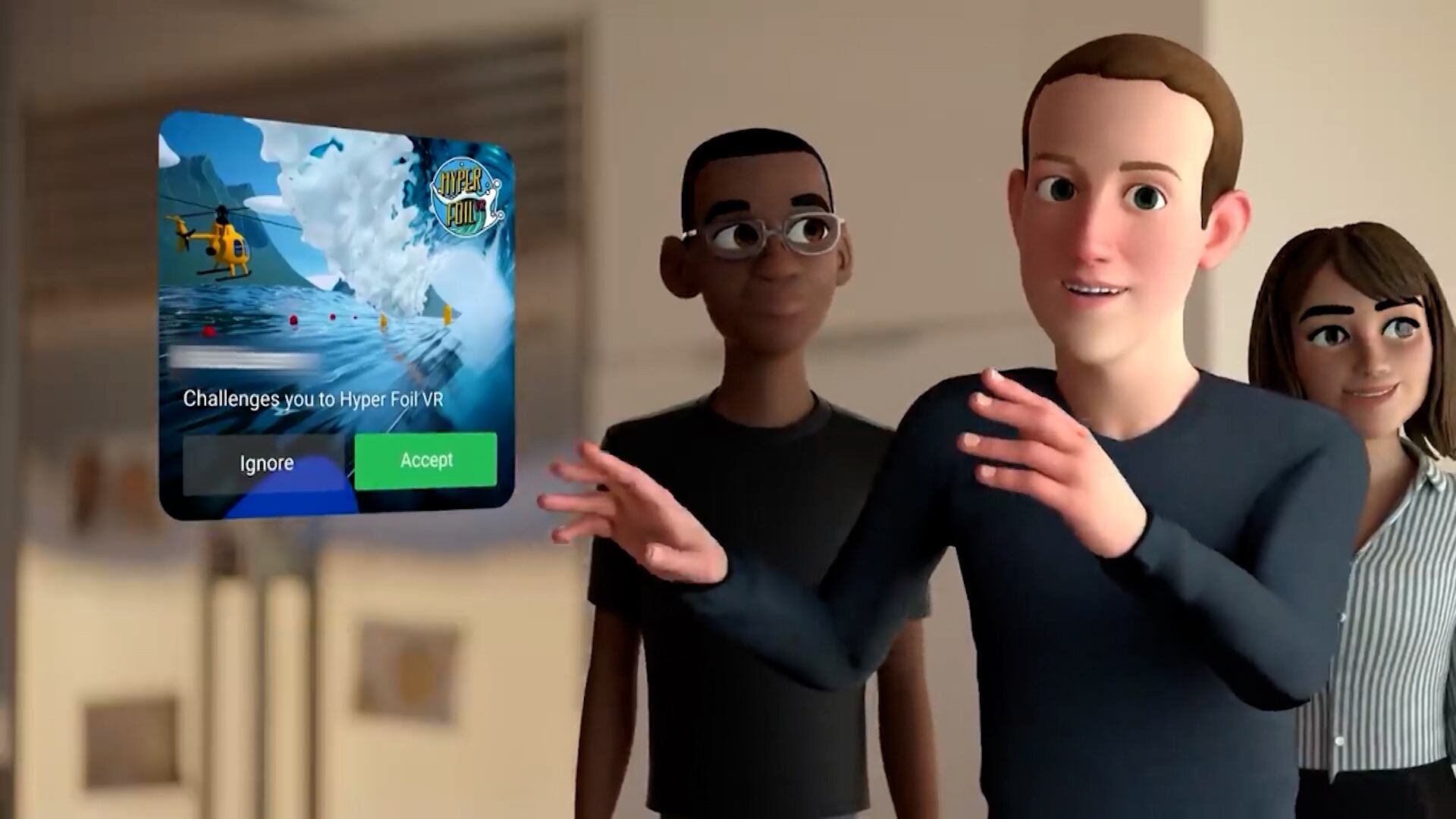
As Meta and Microsoft ramp up their AR and VR tech futures, analysts have been waiting on word from Apple, but the consumer tech giant is reportedly delaying such an announcement. Doug Astrop, a managing partner at Exponential Investment Partners, joined Cheddar to dive into the rumors about the possibilities of a foray into the metaverse by Tim Cook's megacorp sometime in 2022 or 2023. "We can't really predict with a great deal of certainty how it's going to play out, but I'm confident Apple's going to be a big player and do very well in any scenario that unfolds," said Astrop.
Makena Kelly, politics reporter at The Verge, joins Cheddar News to discuss what's next for net neutrality as Biden's other nominee for the FCC, Gigi Sohn, awaits votes from the committee and Senate.
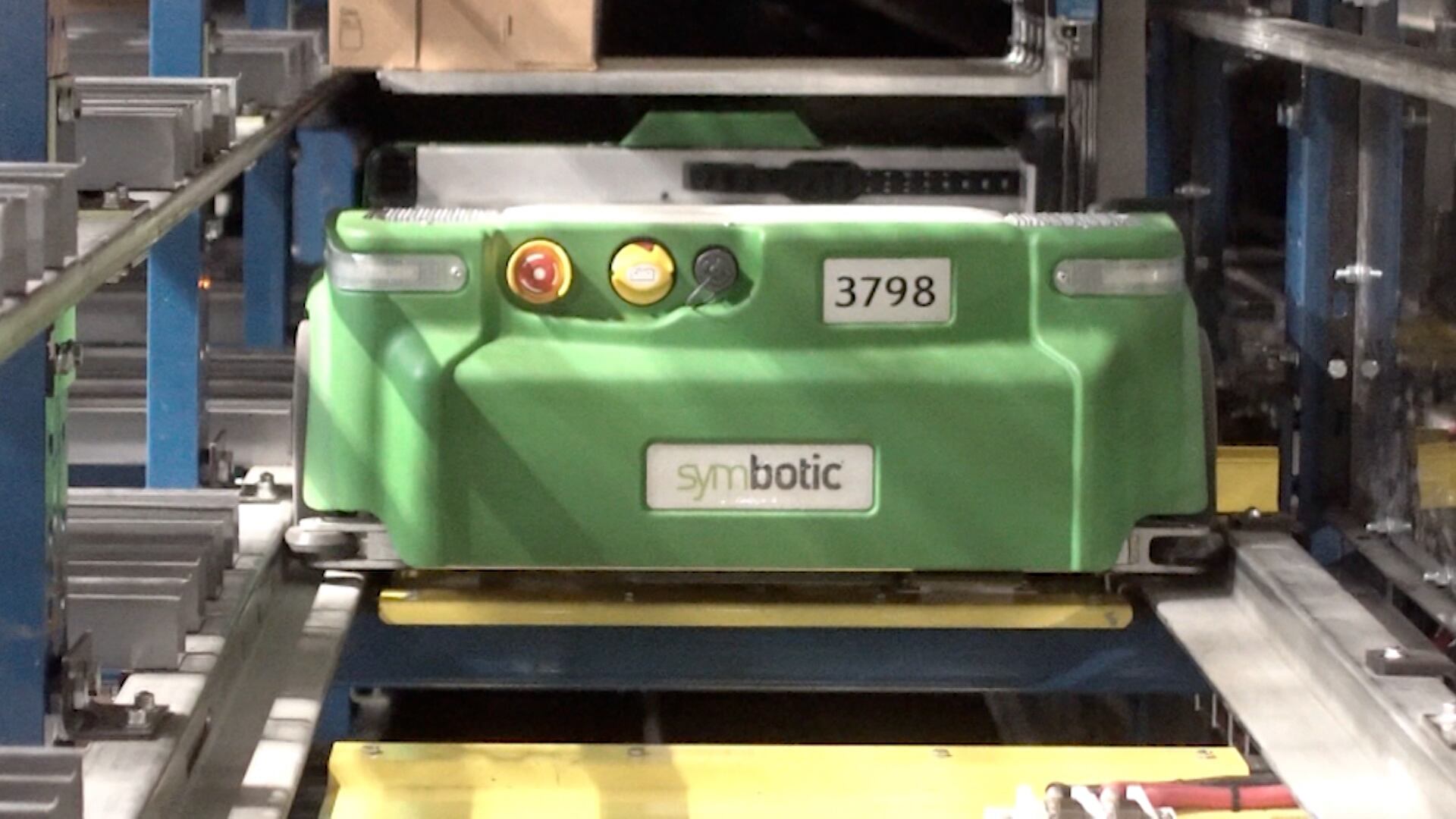
Specializing in AI, robotics, and automation for the global supply chain, Symbotic announced last month it will be tapping the public markets in a SPAC deal with investment giant SoftBank. Symbotic CFO Tom Ernst and Vikas Parekh, a managing partner at SoftBank Investment Advisers spoke with Cheddar about going public and the future of modernizing logistics amid the constrained supply networks. "The supply chain is fundamentally broken," said Ernst. "By employing the best in modern technology for autonomous vehicles and artificial intelligence, we're able to fundamentally rethink the way in which you receive and store and sort goods, making for a dramatically more efficient supply chain."
Michael Hershfield, Founder & CEO of Accrue Savings, joined Wake Up With Cheddar to discuss the company's new round of funding, and its core mission of rewarding consumers for saving rather than taking on more debt with buy now, pay later options.