Oculus Go Aims to Be Facebook's VR Gateway for the Masses
*By Alisha Haridasani*
With its sights trained on a broader market for its virtual reality headsets, Facebook’s Oculus began selling its mid-range device on Tuesday.
The Oculus Go, which is available for sale on the Oculus website, Amazon, and in Best Buy stores, starts at $199, about half the price of the company’s high-end Rift product. The company also produces the cheaper Oculus Gear VR, which only works with select Samsung phones. The Go, unlike the Rift or the Gear VR, doesn’t need to be tethered to another device.
“We think that Oculus Go is a fantastic entry point for people who may not have tried getting into VR yet,” said Madhu Muthukumar, the product manager for Oculus Go, in an interview with Cheddar’s Alex Heath.
“We think of VR as a spectrum,” said Muthukumar, with the Rift at one end and the Gear VR at the other. The Go fits “nicely in the middle," he said.
The Go includes its own for-sale VR video library and access to Oculus TV, a new platform that allows users to access TV apps such as ESPN, Netflix, and Hulu. The new Go headset is also compatible with personal photos and videos from a user's phone, social media accounts, and Dropbox. The Go can also be fitted with prescription lenses.
“This is how people imagine VR should work,” said Muthukumar.
Oculus has grown from the Kickstarter-funded brainchild of [Palmer Luckey](https://www.wired.com/2014/05/oculus-rift-4/), who created the first prototype in 2011, when he was 18 years old, to a major player in virtual reality. Facebook acquired the company in 2014 for $2 billion, prompting other tech companies such as Microsoft and Google to try to develop their own competitive VR products. Apple is [reportedly](https://www.cnet.com/news/apple-is-working-on-an-ar-augmented-reality-vr-virtual-reality-headset-powered-by-a-wireless-wigig-hub/)working on its own headset that can run both VR and AR technology.
Despite Silicon Valley's push into VR, the technology hasn't been widely adopted by consumers. In 2016, only 200,000 Rift headsets were sold globally, according to a study by [SuperData](https://www.economist.com/news/business/21724863-vr-has-been-more-about-hype-substance-will-change-reality-check-virtual). The VR software and hardware industry made $1.8 billion in 2016, half the amount estimated in the study.
For the full interview, [click here](https://cheddar.com/videos/facebook-looks-to-take-vr-mainstream-with-oculus-go).
Coming off of a fourth-quarter delivering just over 300,000 cars, Tesla is expected to report tremendous earnings after the bell on Wednesday. Al Root, a senior writer for Barron’s, spoke with Cheddar’s Baker Machado about the anticipated earnings report and speculated about what Elon Musk will discuss during the call with investors, including a Cybertruck update, new factories, a possible new vehicle, and/or new larger form batteries. "There's a menu of things he could talk about, and any combination of those would be good," said Root.
The American Federation Teachers Union has announced its latest partnership with NewsGuard in efforts to help educators play a greater role in deciphering facts from fiction that students see online. They say the goal is to help students build critical-thinking skills while also teaching them the importance of media literacy. Executive Vice President of Partnerships at NewsGuard, Sarah Bandt, joined Cheddar to talk more.
James Whitley, Core Contributor at cypher, joins Cheddar News' Closing Bell, where he discusses the underlying factors that support a bounce-back for Bitcoin despite the token's recent slump.
Commercial and residential buildings account for 13% of carbon emissions in the U.S., according to the EPA, and one company says it has a solution. Runwise says it has updated the boiler and heating systems of thousands of buildings, and that its technology not only lowers carbon output but also saves landlords money. Lee Hoffman, Co-Founder and COO of Runwise, joined Cheddar Climate to discuss.
Following sales tech startup Scratchpad raising $33 million in Series B Funding, CEO and co-founder Pouyan Salehi joined Cheddar to discuss how his company's software works to help salespeople with an all-in-one workspace, integrating with Salesforce to optimize notes, spreadsheets, and other relevant information so businesses can forecast and make the best decisions. "If you look at other crafts like artists, they'll have studios; chefs, they'll have kitchens; scientists will have labs, and we just asked, well, if you look at sales as a craft, why doesn't something exist that is designed solely for a salesperson?" Salehi said about his workspace app.
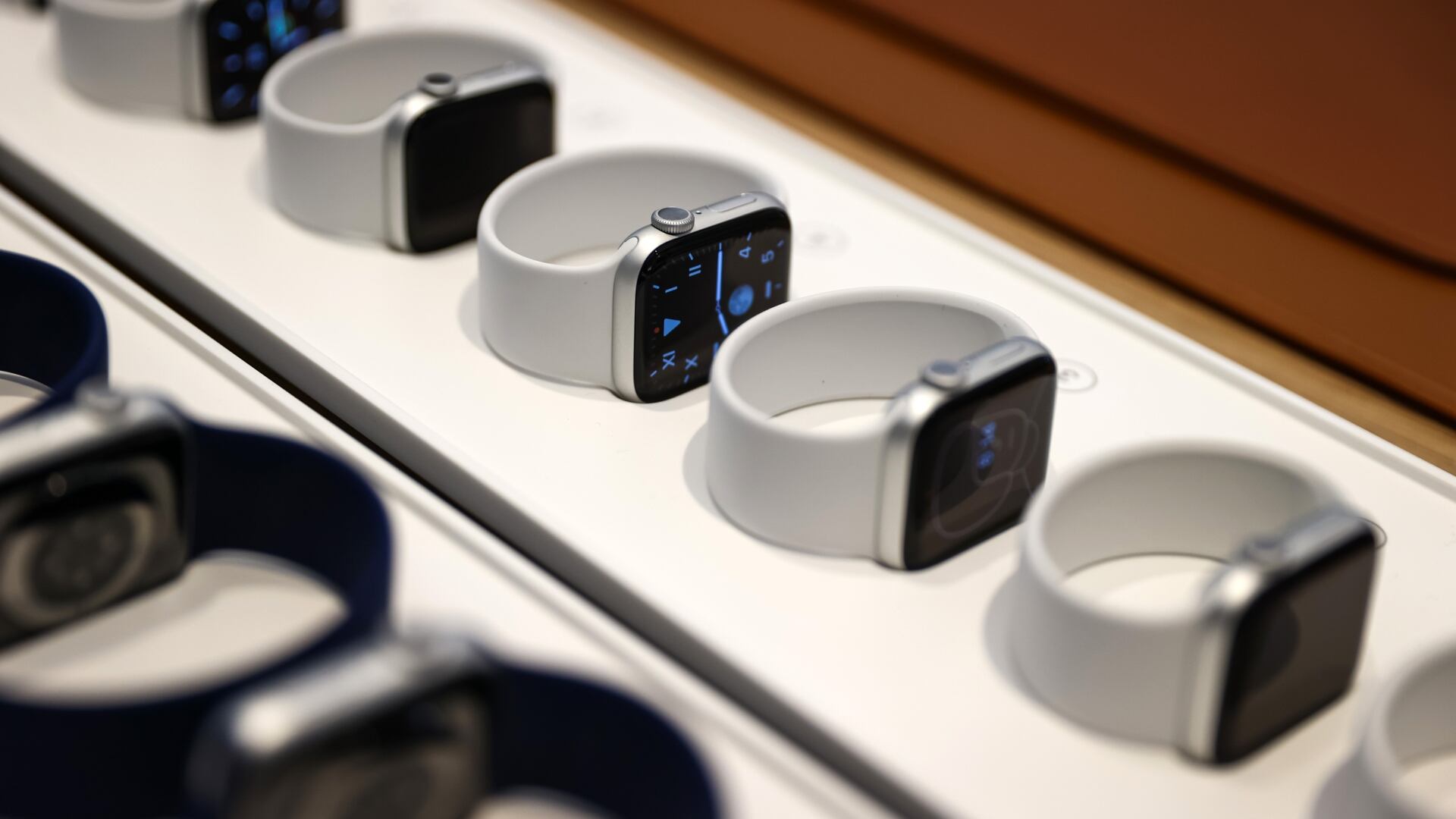
Google could be gearing up to release its own wearable device as rumors swirl about a potential smartwatch with the Pixel brand. Jon Prosser, the creator of Front Page Tech, who tweeted a possible leak about the product, joined Cheddar's "Closing Bell" to discuss potential the benefits of it entering the same space as the Apple Watch. Prosser said, while he doesn't expect it to launch until at least 2023, the Pixel Watch will be "one of the most vital, most important wearables that we can have on the market," noting that it won't likely challenge Apple for much market share but will set the standard for other Android wearables to come.