*By Alisha Haridasani* With its sights trained on a broader market for its virtual reality headsets, Facebook’s Oculus began selling its mid-range device on Tuesday. The Oculus Go, which is available for sale on the Oculus website, Amazon, and in Best Buy stores, starts at $199, about half the price of the company’s high-end Rift product. The company also produces the cheaper Oculus Gear VR, which only works with select Samsung phones. The Go, unlike the Rift or the Gear VR, doesn’t need to be tethered to another device. “We think that Oculus Go is a fantastic entry point for people who may not have tried getting into VR yet,” said Madhu Muthukumar, the product manager for Oculus Go, in an interview with Cheddar’s Alex Heath. “We think of VR as a spectrum,” said Muthukumar, with the Rift at one end and the Gear VR at the other. The Go fits “nicely in the middle," he said. The Go includes its own for-sale VR video library and access to Oculus TV, a new platform that allows users to access TV apps such as ESPN, Netflix, and Hulu. The new Go headset is also compatible with personal photos and videos from a user's phone, social media accounts, and Dropbox. The Go can also be fitted with prescription lenses. “This is how people imagine VR should work,” said Muthukumar. Oculus has grown from the Kickstarter-funded brainchild of [Palmer Luckey](https://www.wired.com/2014/05/oculus-rift-4/), who created the first prototype in 2011, when he was 18 years old, to a major player in virtual reality. Facebook acquired the company in 2014 for $2 billion, prompting other tech companies such as Microsoft and Google to try to develop their own competitive VR products. Apple is [reportedly](https://www.cnet.com/news/apple-is-working-on-an-ar-augmented-reality-vr-virtual-reality-headset-powered-by-a-wireless-wigig-hub/)working on its own headset that can run both VR and AR technology. Despite Silicon Valley's push into VR, the technology hasn't been widely adopted by consumers. In 2016, only 200,000 Rift headsets were sold globally, according to a study by [SuperData](https://www.economist.com/news/business/21724863-vr-has-been-more-about-hype-substance-will-change-reality-check-virtual). The VR software and hardware industry made $1.8 billion in 2016, half the amount estimated in the study. For the full interview, [click here](https://cheddar.com/videos/facebook-looks-to-take-vr-mainstream-with-oculus-go).
Share:
More In Technology
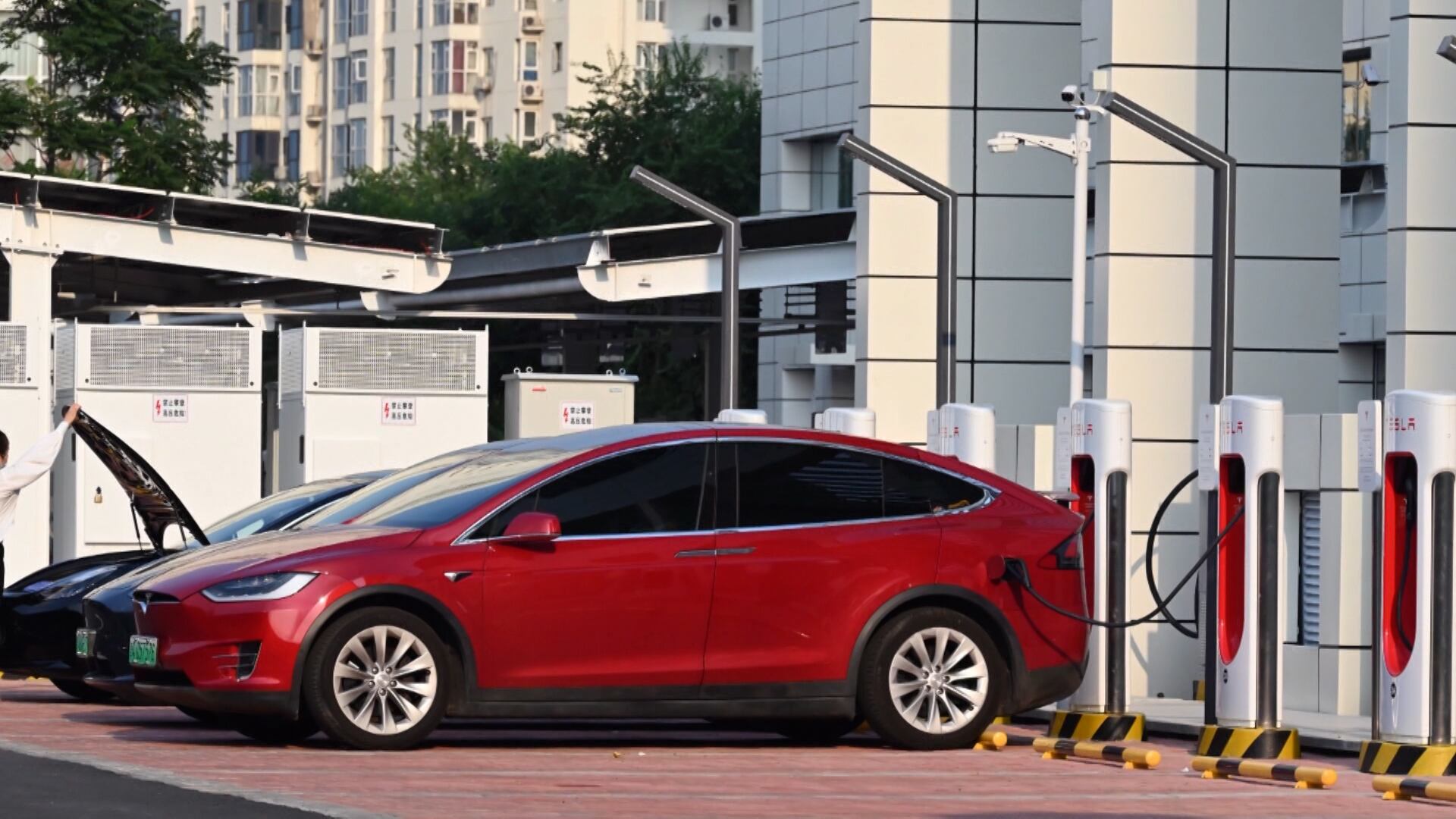
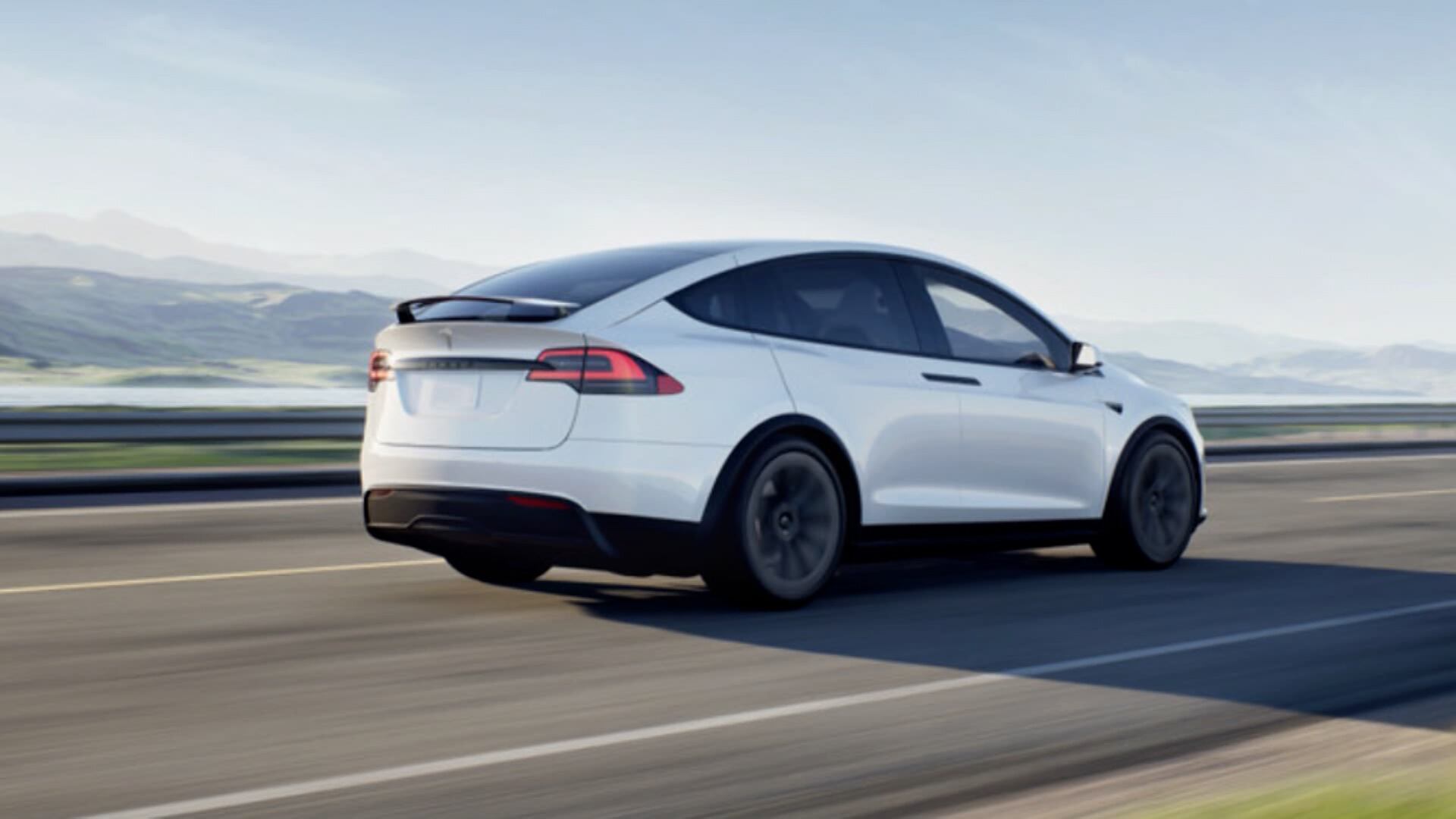
Tesla Files Proposal a 3-for-1 Stock Split
The electric vehicle maker filed a proposal for a three-for-one stock split, increasing the accessibility of shares for investors for a stock trading at around $700 a share. The move comes not long after tech giant Amazon announced a 20-for-one split. The number of authorized shares rises from two billion to six billion. It was also revealed that board member Larry Ellison does not intend to stand for reelection as it pertains to Tesla.
Biden Proposes New Rule to Add 500,000 EV Chargers Nationwide
President Biden proposed a new rule that would add 500,000 chargers for electric vehicles nationwide. The proposal comes amid the rapid shift to EVs with dozens of automakers announcing plans for all-electric fleets within the next decade. But with the new surge will the U.S. have the proper infrastructure to keep up? Scott Painter, founder and CEO of Autonomy.com joined Cheddar's Opening Bell to discuss. "I really think the idea of standardization is a big deal. Standardization certainly makes it much better for everybody to be able to get a charge when they need one," he said.
RapidAPI Raises $150 Million to Empower Developers to Innovate and Build Software Faster with APIs
API platform RapidAPI recently became a unicorn with a $1 billion valuation after raising $150 million in a Series D funding round led by Softbank Vision Two Fund. Microsoft's Venture Fund, M12, and Andreessen Horowitz also participated. RapidAPI says it provides the world's largest API hub which enables millions of developers and companies to build software faster. Iddo Gino, founder and CEO of RapidAPI, joins Cheddar News' Closing Bell to discuss.
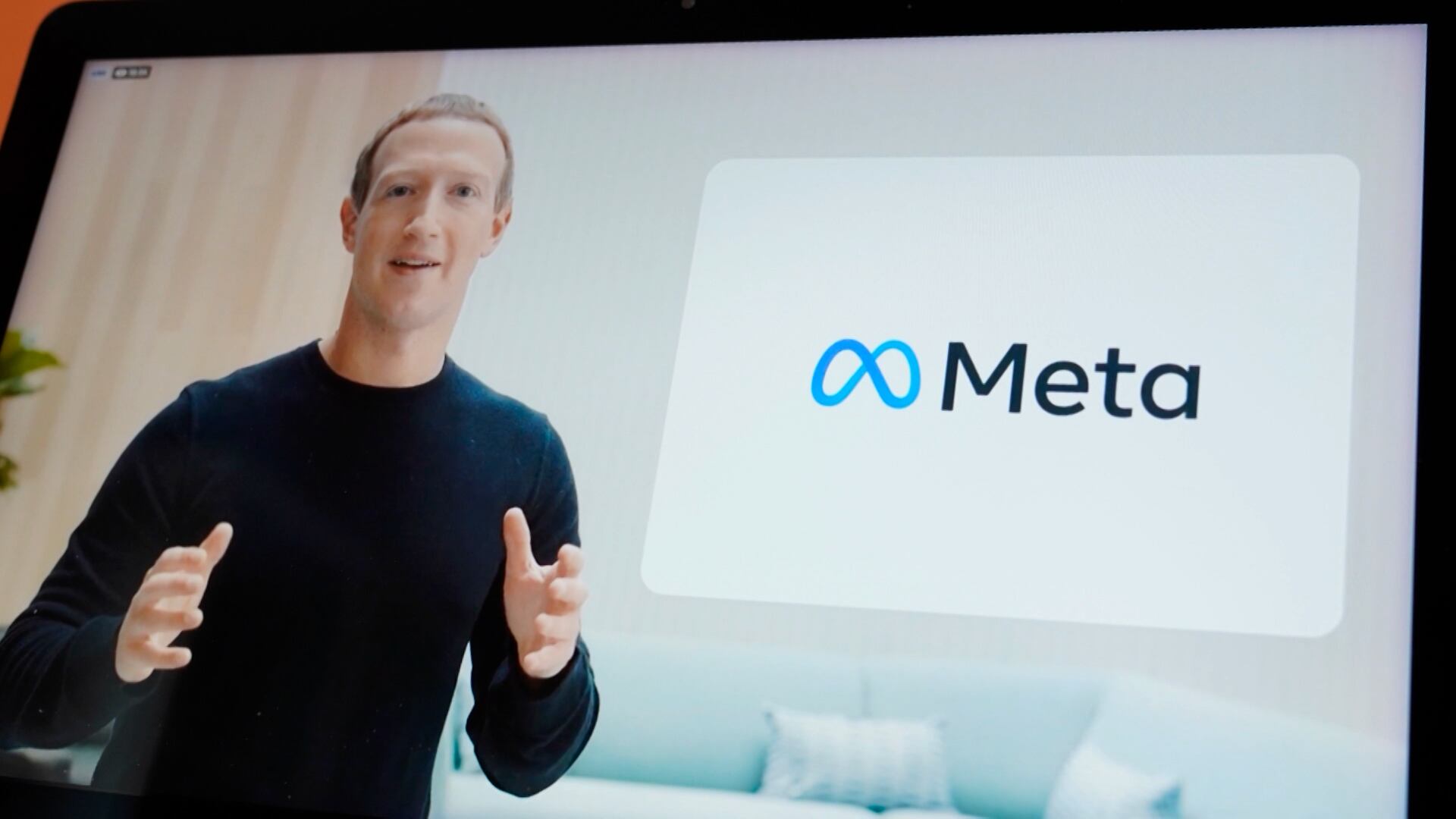
Behind Meta Pivot on Name and Ticker Amid Fears of Approaching Recession
Facebook parent Meta officially has changed it’s ticker symbol from ‘FB’ to ‘META’. Paul Meeks, a portfolio manager, Independent Solutions Wealth Management, and a professor of practice in the Baker School of Business at The Citadel, joined Cheddar News to discuss why the tech giant has had to make big changes to its name, its ticker, and its business plans. "When you see what's happening in digital advertising — and there was a slowdown there even before the threat of a recession, which could cause a even more drastic slowdown next year — they had to pivot," he said. Meeks noted he sees Facebook dominating in the metaverse space going forward — whatever that may end up being.
Load More