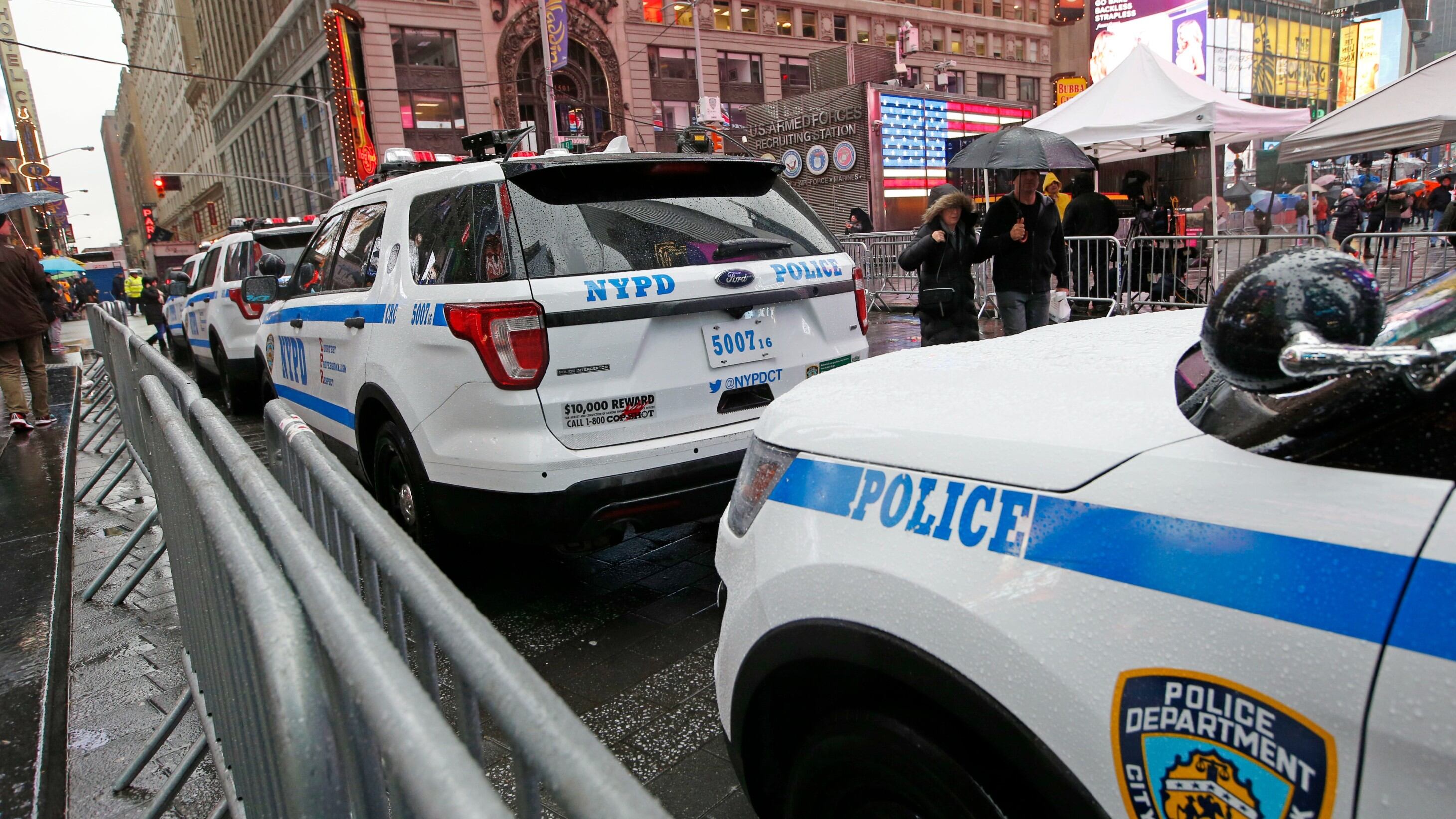
A line of police cars are parked along a street in Times Square, Thursday, Dec. 29, 2016, in New York. (AP Photo/Kathy Willens, File)
By Jake Offenhartz
A New York City police officer is speaking out against the use of “courtesy cards” by friends and relatives of his colleagues on the force, accusing department leaders of maintaining a sprawling system of impunity that lets people with a connection to law enforcement avoid traffic tickets.
Though not officially recognized by the NYPD, the laminated cards have long been treated as a perk of the job. The city’s police unions issue them to members, who circulate them among those who want to signal their NYPD connections — often to get out of minor infraction like speeding or failing to wear a seat belt.
In a federal lawsuit filed in Manhattan this week, Officer Mathew Bianchi described a practice of selective enforcement with consequences for officers who don’t follow the unwritten policy. Current and retired officers now have access to hundreds of cards, giving them away in exchange for a discount on a meal or a home improvement job, he said.
In the Staten Island precinct where he works, a predominantly white area with a high percentage of cops and other city workers, Bianchi said multitudes of people he pulled over for traffic infractions flashed him one of the cards.
“I see card after card. You’re not allowed to write any of them (up),” he told The Associated Press. “We’re not supposed to be showing favoritism when we do car stops, and we shouldn’t be giving them out because the guy mows my lawn.”
Bianchi said he was reprimanded on numerous occasions for writing a ticket to a relative or parent of an officer. In some cases, his commanding officer would personally review body camera footage to see if he was giving those with cards a “hard time,” the lawsuit states.
The final straw came last summer, when Bianchi wrote a ticket to a friend of the NYPD’s highest-ranking uniformed officer, Chief Jeffrey Maddrey, according to the lawsuit. Three days later, Bianchi said he was ousted from his job in the traffic unit and moved to a night patrol shift.
The top chief, a long-time ally of New York City Mayor Eric Adams, is currently facing a department trial over allegations that he improperly voided the arrest of a former officer accused of menacing children with a gun.
A spokesperson for the NYPD said the department would review the lawsuit. Inquiries to Maddrey were not returned.
John Nuthall, a spokesperson for the Police Benevolent Association, the NYPD’s largest union, didn’t deny the existence of courtesy cards but said it was up to management to decide department policy.
“The law and NYPD policies afford police officers discretion in taking enforcement action,” Nuthall said. “Each police officer determines how to exercise that discretion based on the specifics of each case.”
The city’s police unions have long faced media scrutiny over the cards, both over the appearance of corruption and over their appearance for sale on eBay.
Bianchi said it was common for officers to receive stacks of cards from different union delegates. Dozens of courtesy cards are currently listed for sale online.
The ubiquity of the cards means that those without connections to law enforcement are less likely to get off with a warning, since officers are expected to write a certain amount of tickets, Bianchi said. In his experience, he said minority motorists were less likely to have access to the cards.
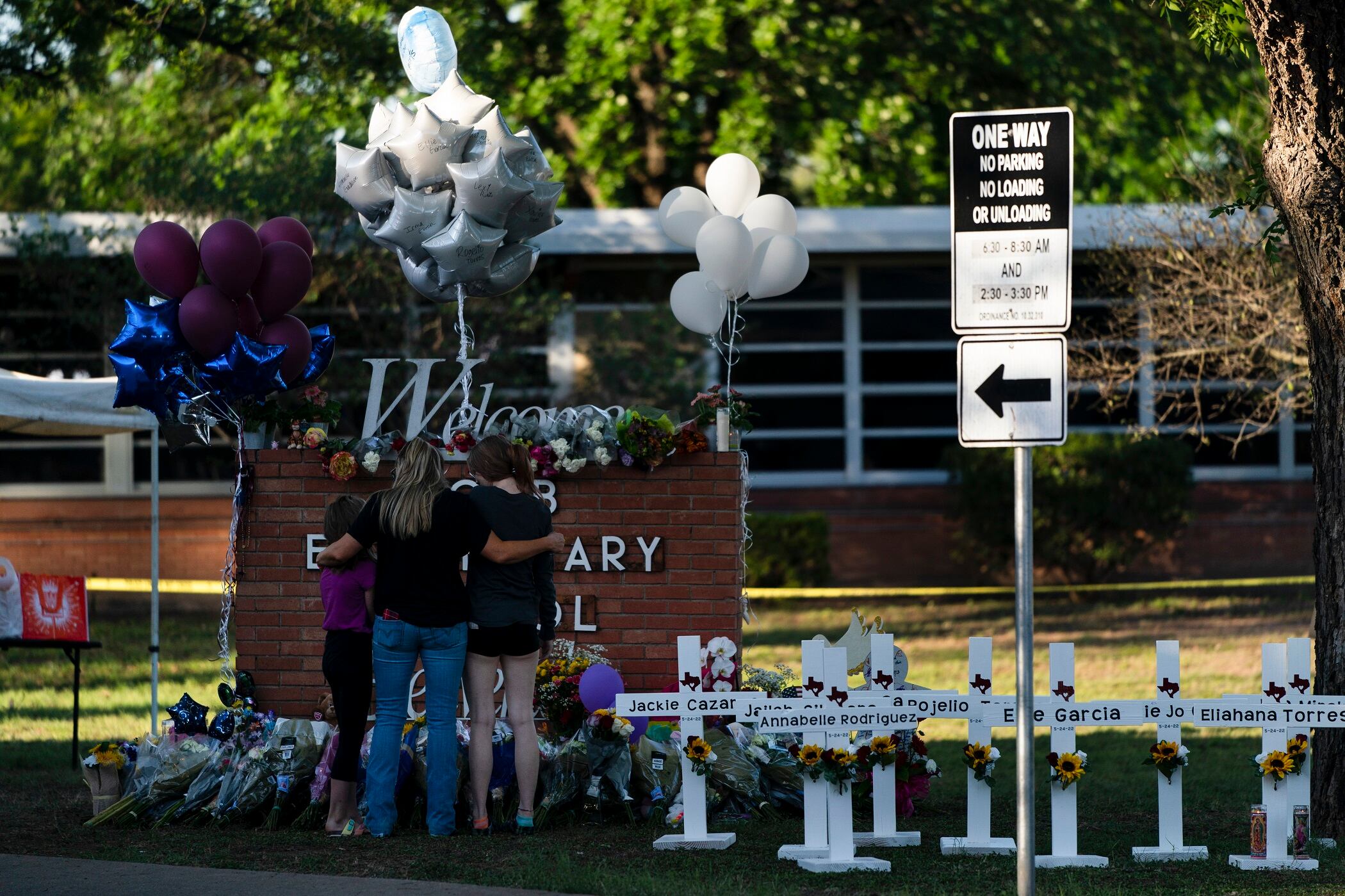
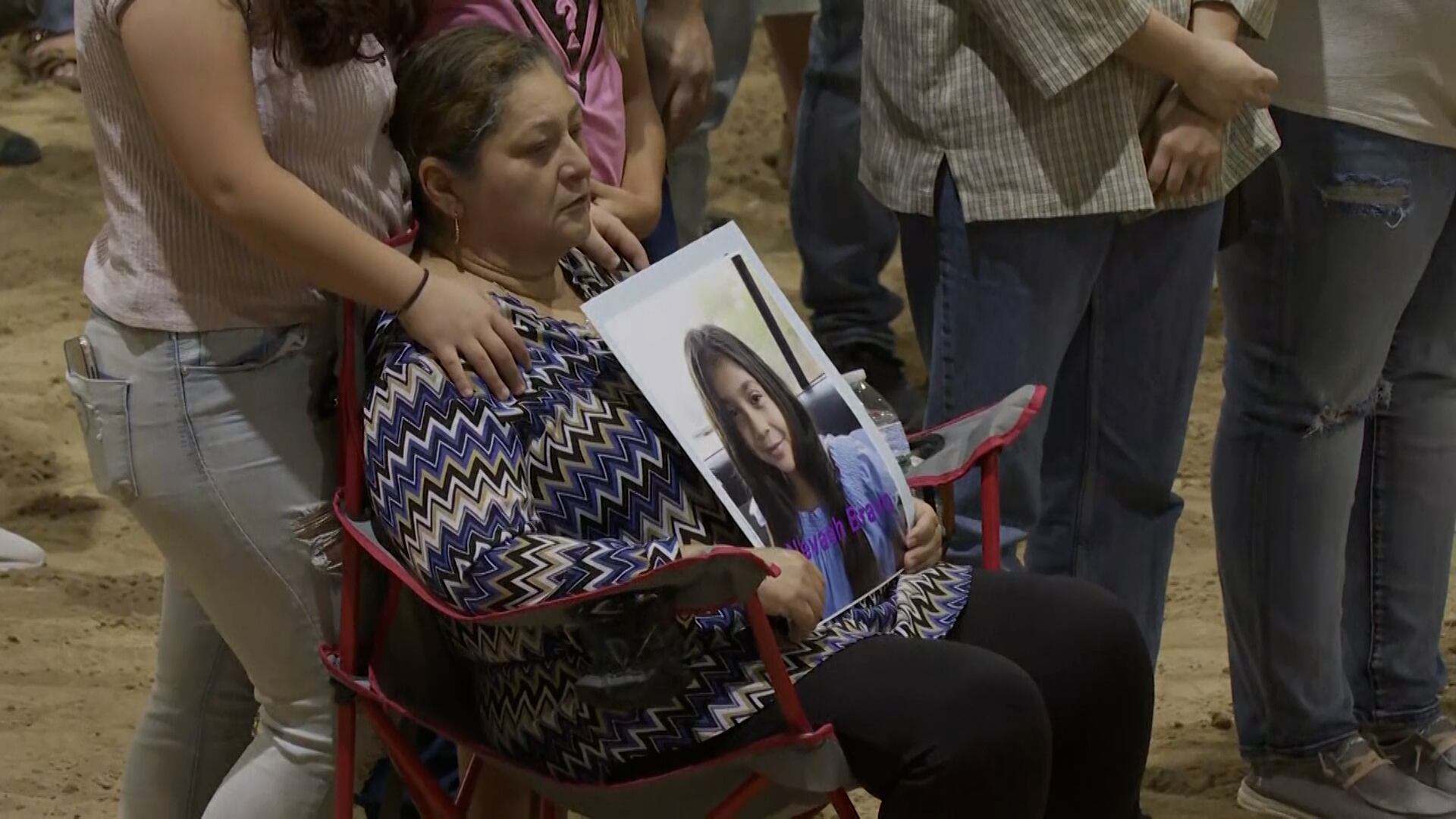
The school shooting in Texas that left 19 children and 2 teachers dead has reignited the debate over gun control.
The tragedy in Uvalde is the deadliest school shooting in nearly a decade and marks the latest in a string of mass shootings in the country. Jared Moskowitz, Broward County Commissioner and candidate for Congress in FL-23, joined Cheddar's Opening Bell to discuss why gun control measures are stalled in the Senate, and where legislation can move forward from here.
Police and detectives are still investigating the tragic school shooting in Uvalde, Texas that killed 19 children and two adults. Cheddar News was joined by Kirk Burkhalter, professor at New York Law School and former NYPD detective to gain some insight on what investigators are looking for and what comes next.
Texas authorities say the gunman who massacred 21 people at an elementary school was in the building for over an hour before he was killed by law enforcement officers.
Join Cheddar News as we break down the top headlines for Thursday, May 26 including updates on the Texas school shooting, President Joe Biden's executive order on police reform, and a recount in the Pennsylvania GOP Senate primary.
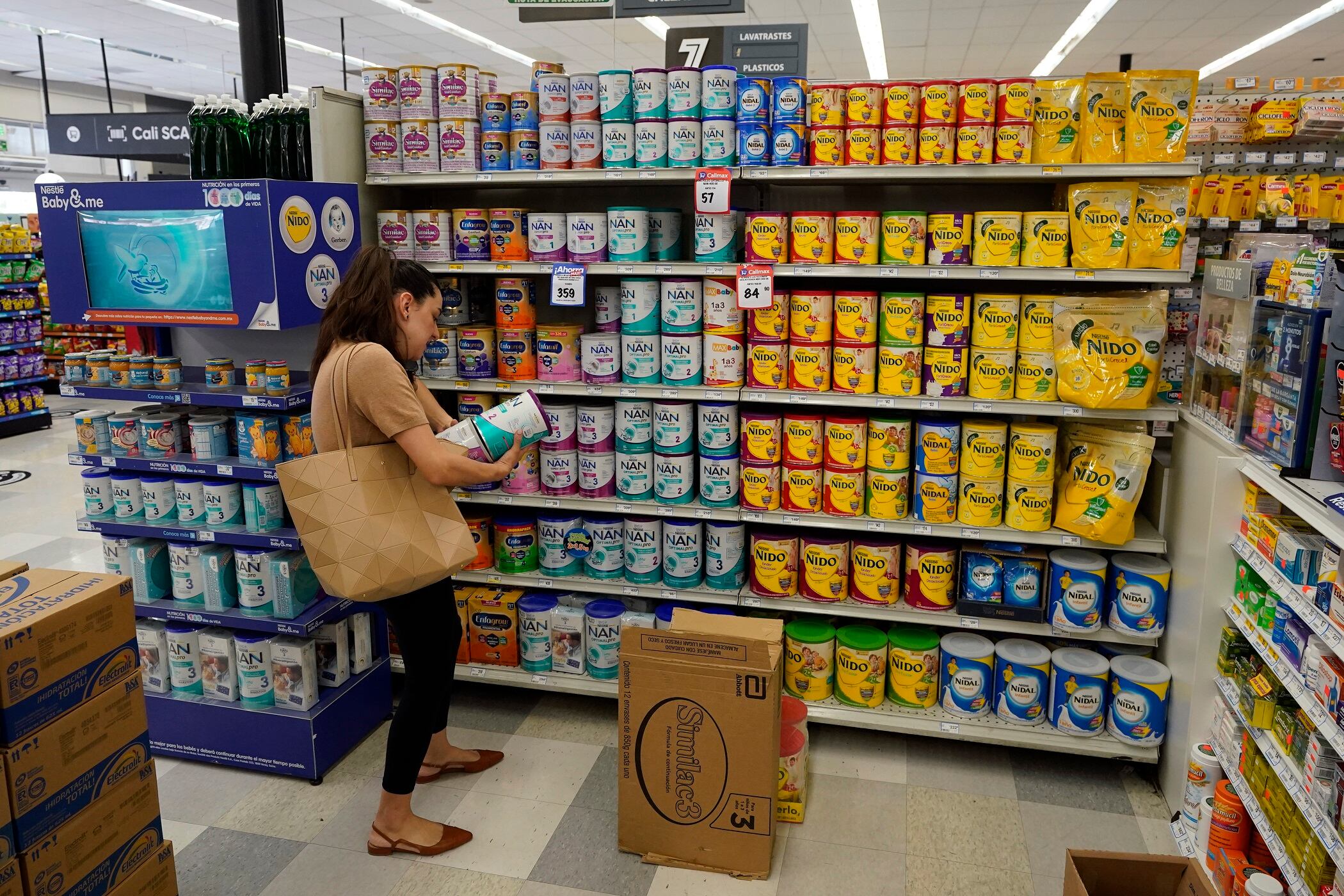
Representative Morgan Griffith of Virginia rebuked words from the FDA commissioner that could have been construed as blaming parents for stockpiling baby formula exacerbating the shortage.
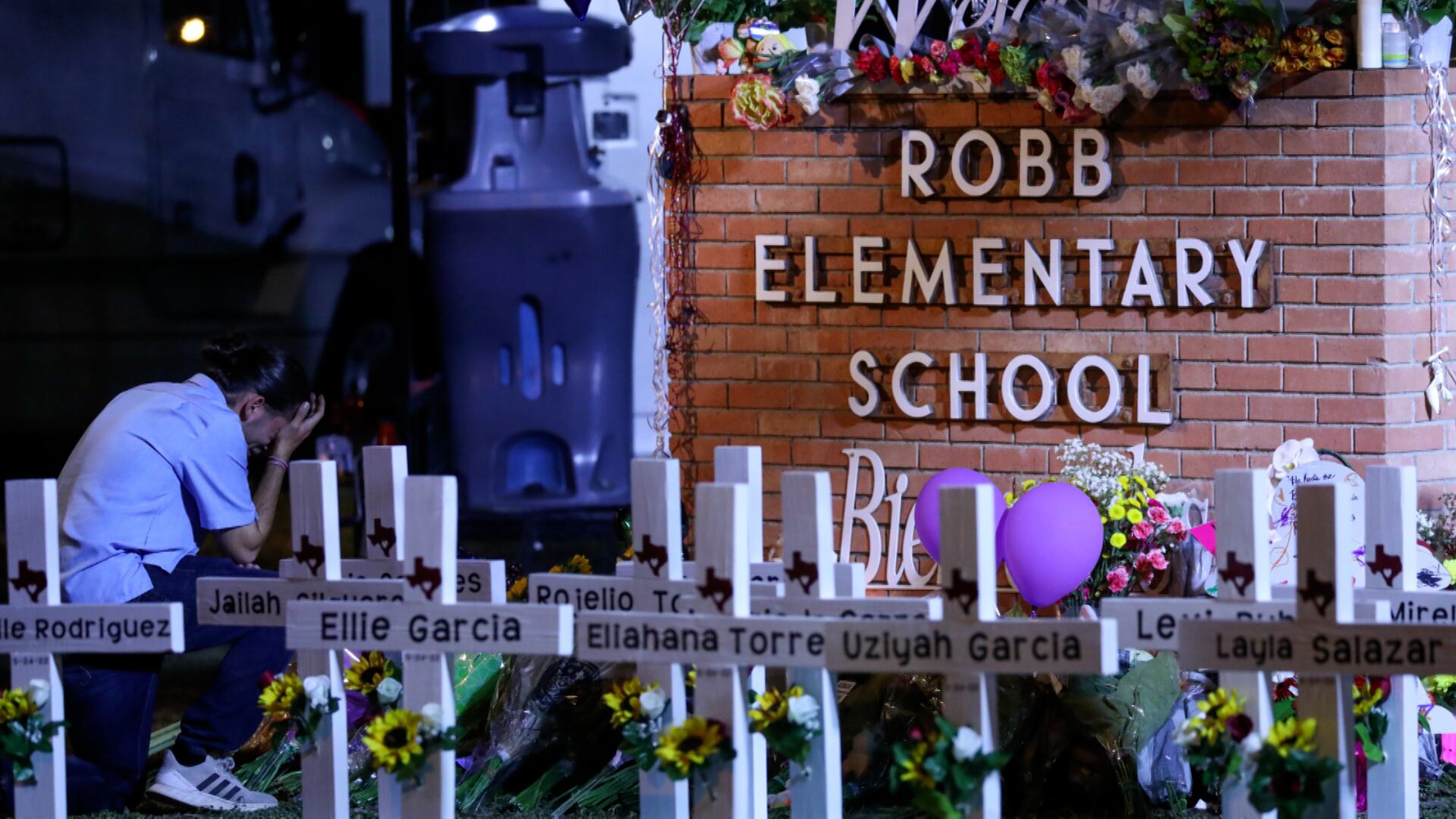
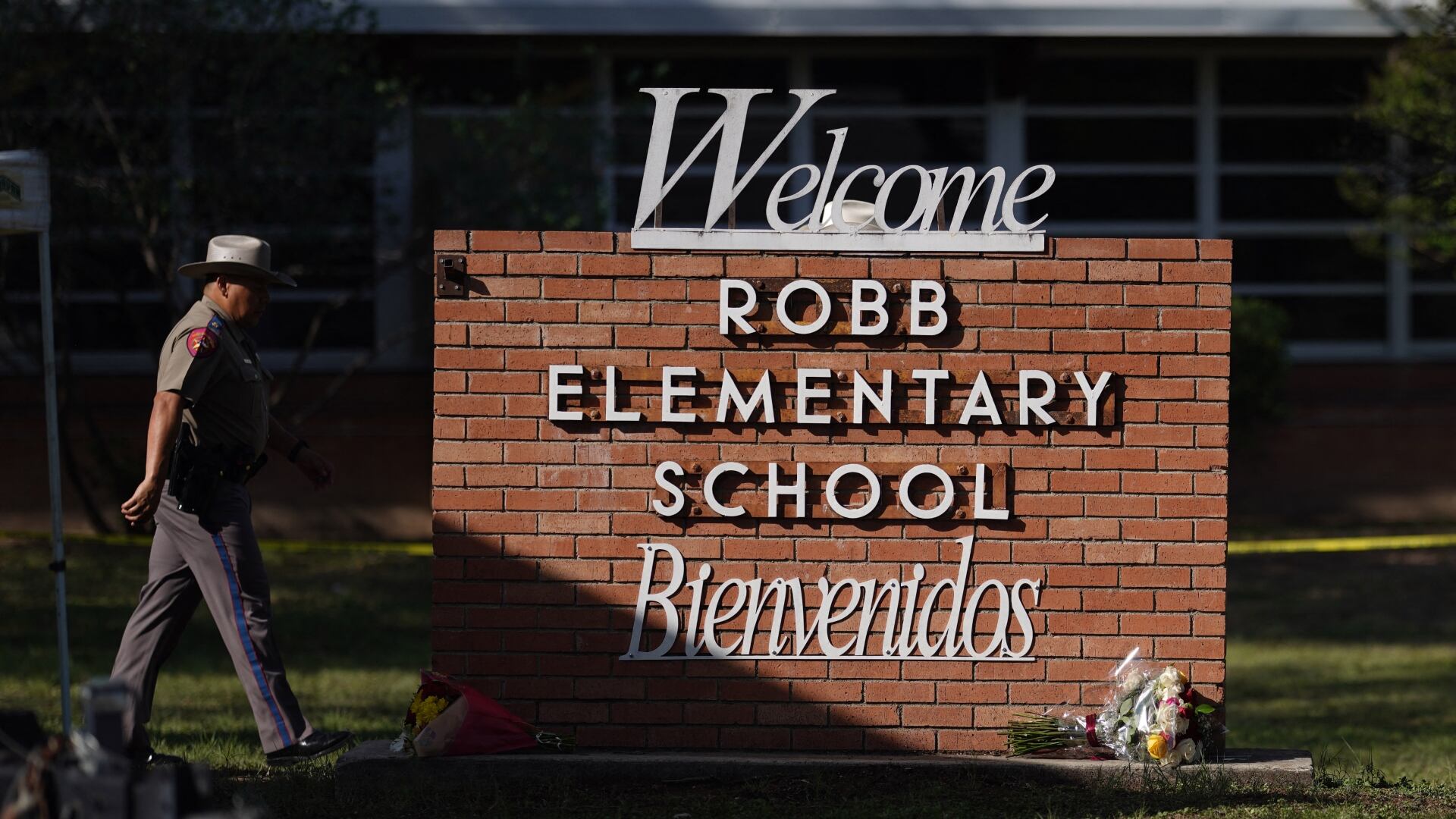
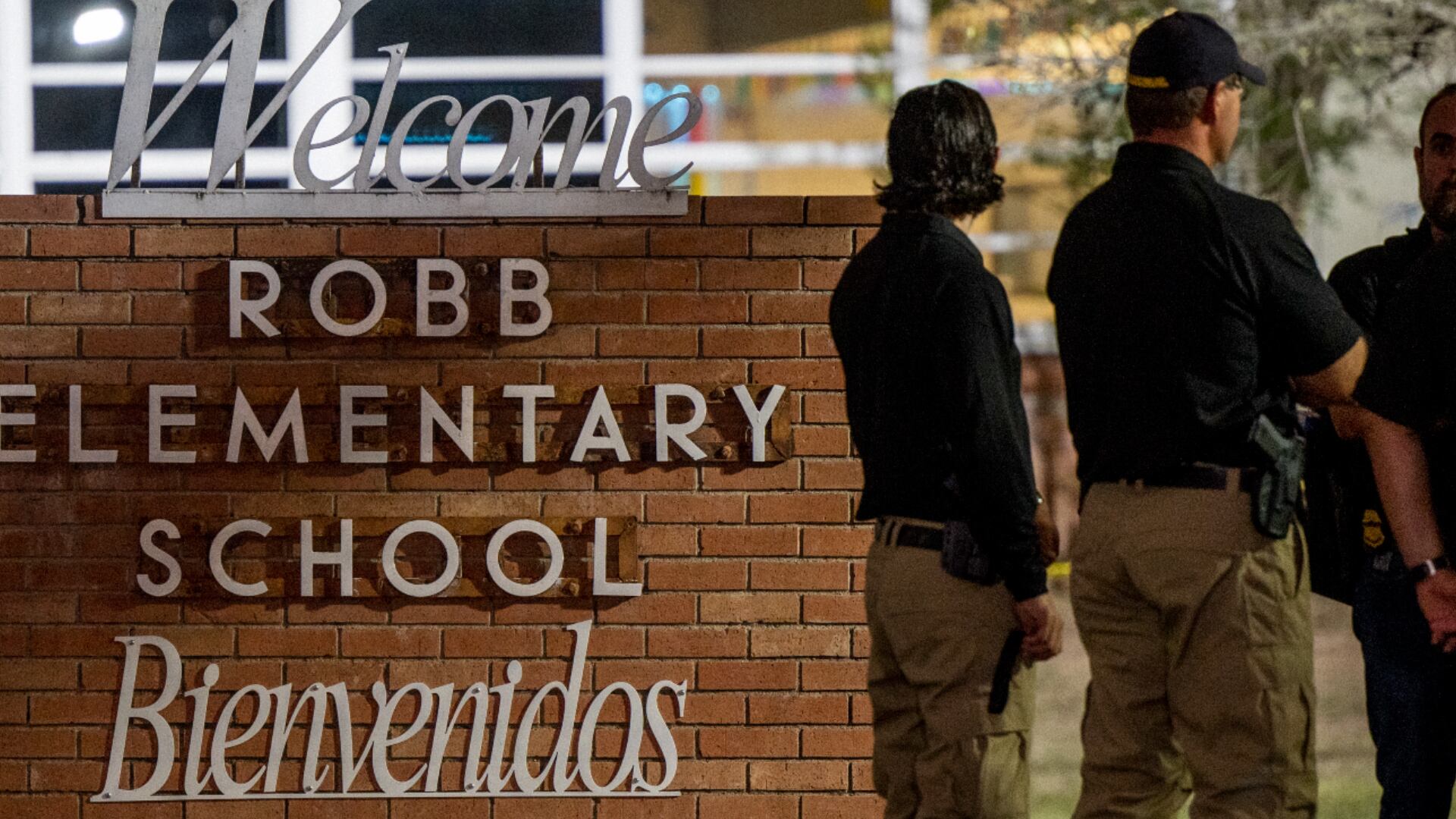
Cheddar News reporter Megan Pratz brings the latest from the scene of yesterday's horrific school shooting at a Robb Elementary School in Uvalde, Texas. Now the second-deadliest school shooting in U.S. history with 19 children and two adults killed, Pratz goes into comments by Texas Gov. Greg Abbott, details about the deceased shooter, and reactions from members of the community.
The Robb Elementary School mass shooting killing 19 children and two adults in Uvalde, Texas pm Tuesday was the deadliest school shooting since the 2012 Sandy Hook massacre in Newtown, Connecticut, and came just 10 days after the grocery store shooting in Buffalo, New York. Nelson Vergara, the founder and CEO of 360 Protective Solutions, joined Cheddar’s Opening Bell to discuss. "Right now what law enforcement is concentrating on is trying to trace his steps as to what motivated the gunman to act the way he did. What it boils down to just trying to figure out what led to his motivation to do such a horrific act.”
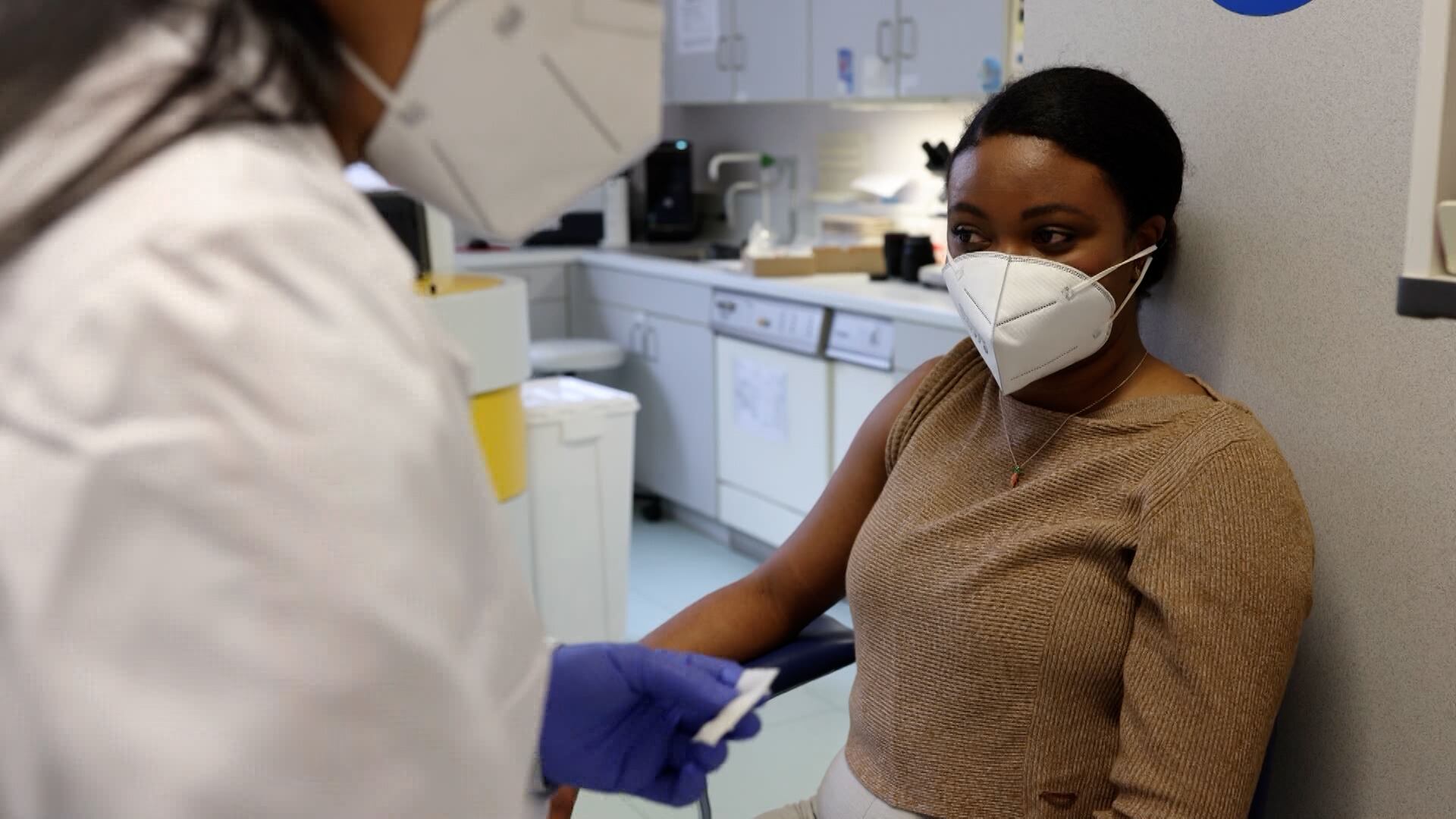
An recently conducted AP-NORC poll found that majorities of the Black and Hispanic populations in the U.S. still find themselves either somewhat worried or extremely worried over the pandemic, while more than half of white Americans responded with either being not too worried or not worried at all. Dr. Chris Pernell, the chief strategic integration and health equity officer at University Hospital, joined Cheddar News to talk about how perceptions of COVID-19 differ between groups of Americans. "We’re still seeing people get infected, and because of the toll of the disproportionate impact, we have concerns among the Black and brown community about whether or not they have an increased risk of exposure because of where they work, because of the use of public transportation, because they live in homes that they may not be able to safely quarantine and or isolate in, and because they have at baseline chronic health conditions that may make coronavirus more severe in those persons," she said.
Judith Enck, a former regional administrator for the EPA and the president of Beyond Plastics, joined Cheddar News to talk about the role of plastics in the climate crisis and California's investigation of ExxonMobil and other oil companies for misleading the public on the ability to recycle plastics. "The reason why petrochemical companies like Exxon have gotten away with selling more and more plastic is that they've lied to the public and told us don't worry about all those negative upstream impacts and downstream impacts of plastics. Just be sure to recycle it. Well, guess what? Plastics largely are not recycled," Enck said.