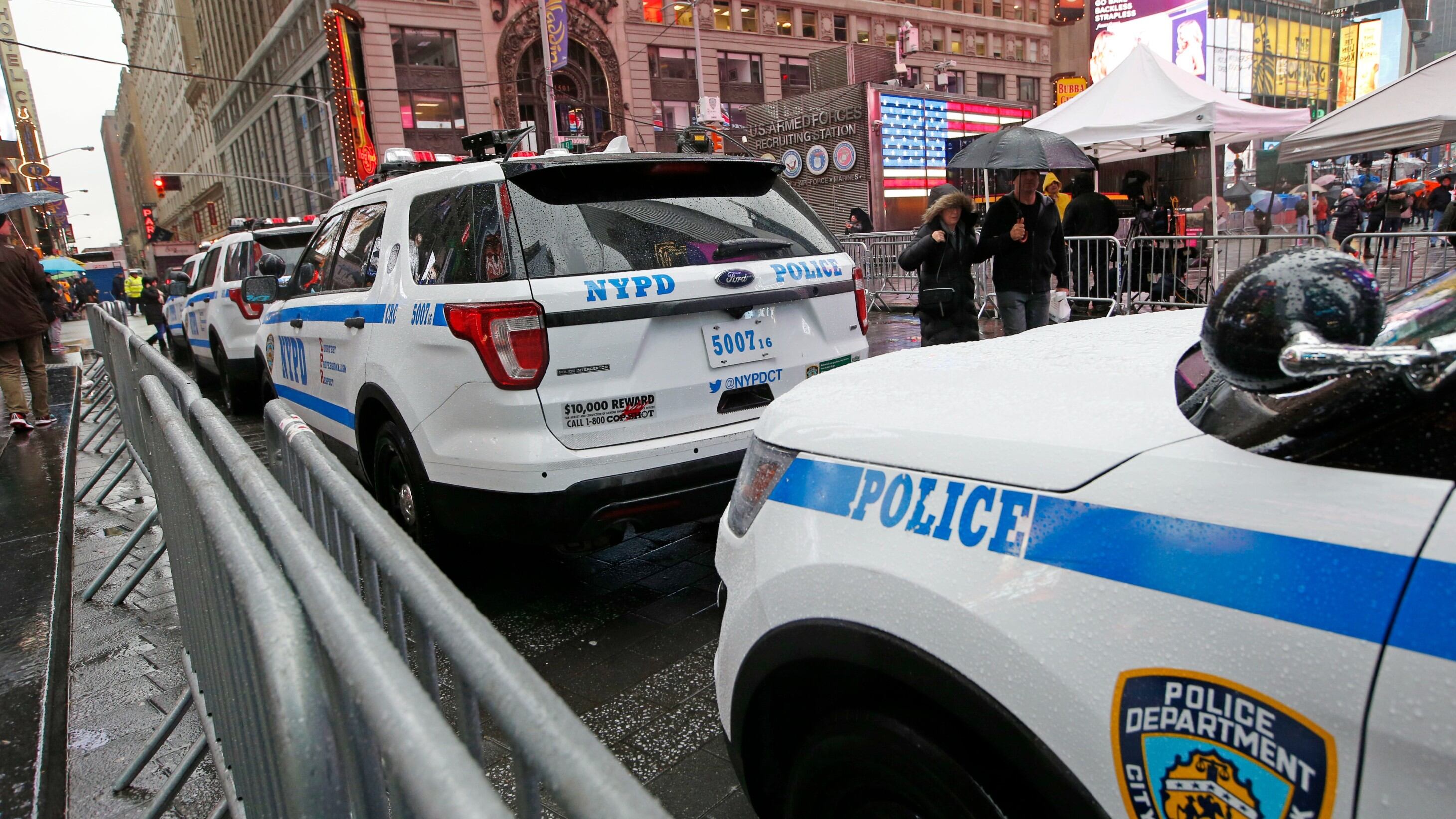
A line of police cars are parked along a street in Times Square, Thursday, Dec. 29, 2016, in New York. (AP Photo/Kathy Willens, File)
By Jake Offenhartz
A New York City police officer is speaking out against the use of “courtesy cards” by friends and relatives of his colleagues on the force, accusing department leaders of maintaining a sprawling system of impunity that lets people with a connection to law enforcement avoid traffic tickets.
Though not officially recognized by the NYPD, the laminated cards have long been treated as a perk of the job. The city’s police unions issue them to members, who circulate them among those who want to signal their NYPD connections — often to get out of minor infraction like speeding or failing to wear a seat belt.
In a federal lawsuit filed in Manhattan this week, Officer Mathew Bianchi described a practice of selective enforcement with consequences for officers who don’t follow the unwritten policy. Current and retired officers now have access to hundreds of cards, giving them away in exchange for a discount on a meal or a home improvement job, he said.
In the Staten Island precinct where he works, a predominantly white area with a high percentage of cops and other city workers, Bianchi said multitudes of people he pulled over for traffic infractions flashed him one of the cards.
“I see card after card. You’re not allowed to write any of them (up),” he told The Associated Press. “We’re not supposed to be showing favoritism when we do car stops, and we shouldn’t be giving them out because the guy mows my lawn.”
Bianchi said he was reprimanded on numerous occasions for writing a ticket to a relative or parent of an officer. In some cases, his commanding officer would personally review body camera footage to see if he was giving those with cards a “hard time,” the lawsuit states.
The final straw came last summer, when Bianchi wrote a ticket to a friend of the NYPD’s highest-ranking uniformed officer, Chief Jeffrey Maddrey, according to the lawsuit. Three days later, Bianchi said he was ousted from his job in the traffic unit and moved to a night patrol shift.
The top chief, a long-time ally of New York City Mayor Eric Adams, is currently facing a department trial over allegations that he improperly voided the arrest of a former officer accused of menacing children with a gun.
A spokesperson for the NYPD said the department would review the lawsuit. Inquiries to Maddrey were not returned.
John Nuthall, a spokesperson for the Police Benevolent Association, the NYPD’s largest union, didn’t deny the existence of courtesy cards but said it was up to management to decide department policy.
“The law and NYPD policies afford police officers discretion in taking enforcement action,” Nuthall said. “Each police officer determines how to exercise that discretion based on the specifics of each case.”
The city’s police unions have long faced media scrutiny over the cards, both over the appearance of corruption and over their appearance for sale on eBay.
Bianchi said it was common for officers to receive stacks of cards from different union delegates. Dozens of courtesy cards are currently listed for sale online.
The ubiquity of the cards means that those without connections to law enforcement are less likely to get off with a warning, since officers are expected to write a certain amount of tickets, Bianchi said. In his experience, he said minority motorists were less likely to have access to the cards.
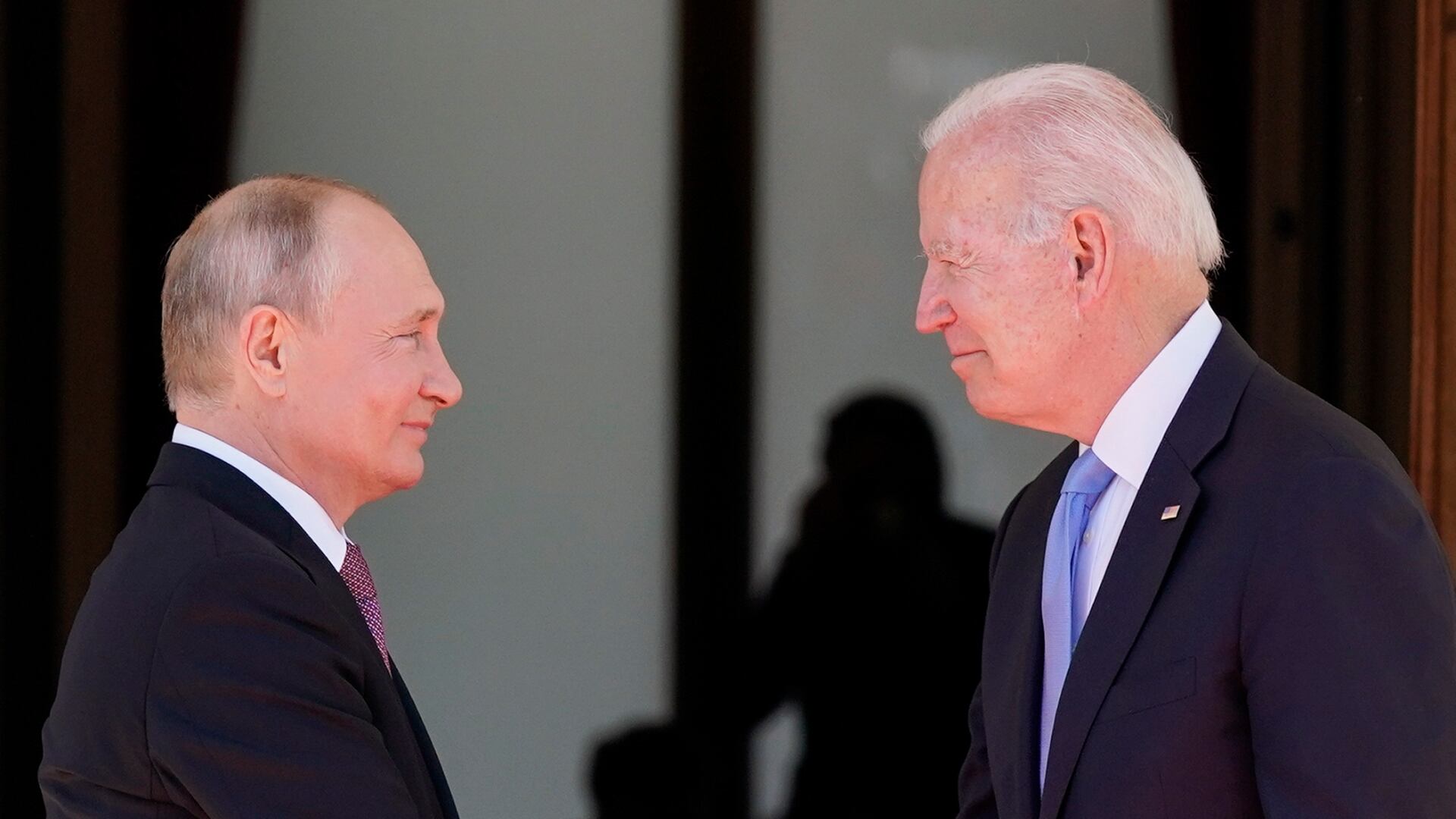
Face to face for just over two hours, President Joe Biden and Russia’s Vladimir Putin squared off in a secure video call Tuesday as the U.S. president put Moscow on notice that an invasion of Ukraine would bring enormous harm to the Russian economy.
Ahead of Instagram head Adam Mosseri's congressional hearing on the mental impact of the social platform on teens, the company announced a number of updates aimed at teen safety.
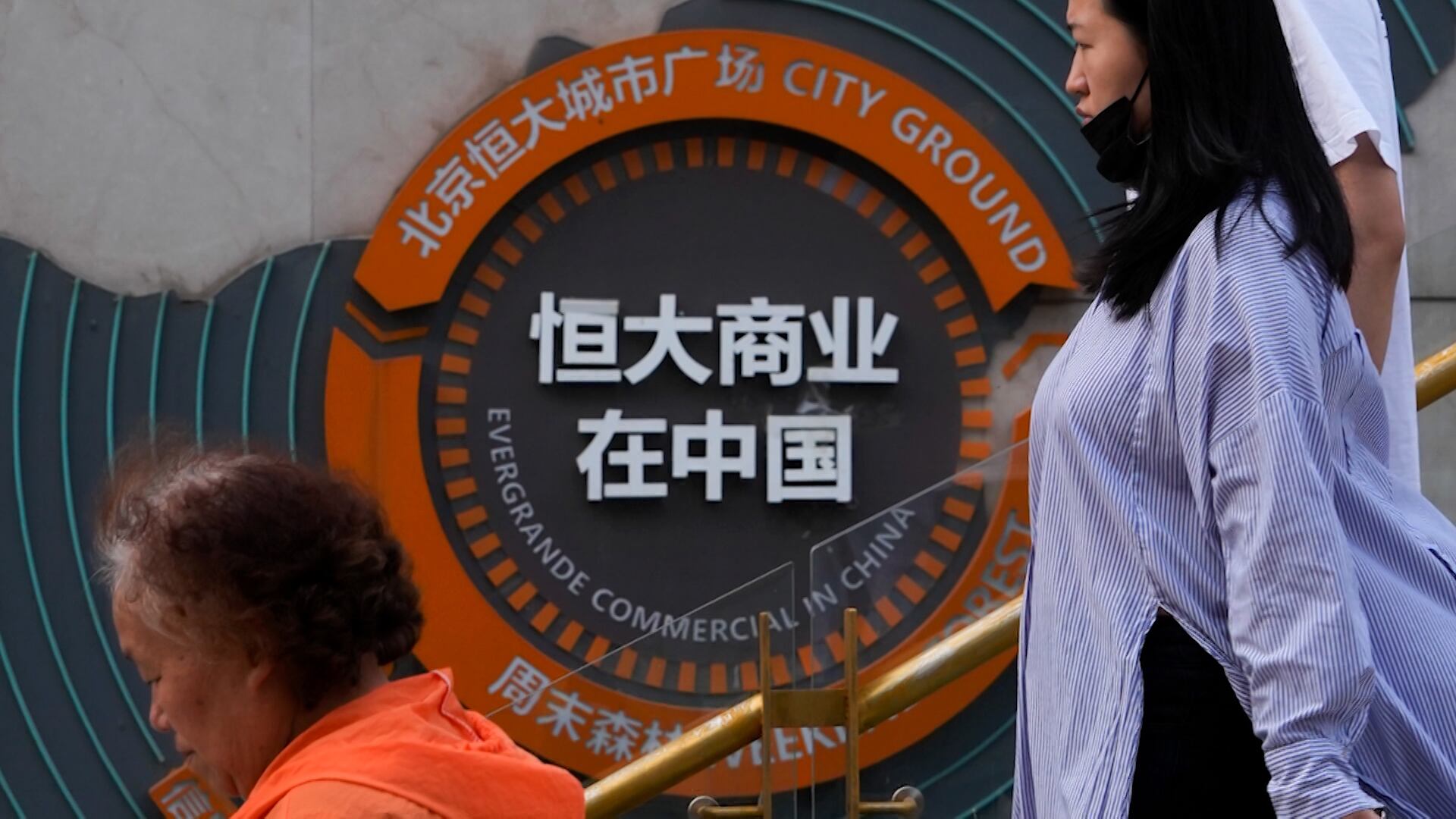
Troubled Chinese real estate giant Evergrande is once again nearing the brink of collapse. Shares of Evergrande sunk to a new record low on Monday, closing down 20 percent, as debt default fears resurfaced. Drew Bernstein, co-chairman at consultancy MarcumBP, joined Cheddar's Opening Bell to discuss. He said U.S. investors have to understand that "there is no company in China that's too big to fail, that's for sure," and that the Chinese government will be prioritizing the social welfare of the populace. Bernstein did note that it would be a managed collapse in some form.
Joan Greve, a politics reporter at The Guardian US, joined Wake Up With Cheddar to break down the implications of the Biden administration announcing a diplomatic boycott of the 2022 Beijing games in response to allegations of human rights abuses against Uyghur Muslims. She noted the significance of the move, assessing the already frayed relationship between the U.S. and China. "The Chinese have said that a boycott would be politically manipulative, and now they are actually threatening countermeasures," she said. "And that will certainly have an impact on the spirit of the games at the very least."
The Biden administration has reached an agreement with the Mexican government to resume the "Remain-in-Mexico" policy under court order. By reinstating a Trump-era border policy, asylum-seekers will be forced to stay in Mexico until their U.S. immigration court date. The program is set to resume on Monday. Ryan Devereaux, a reporter for The Intercept, joins Cheddar News to discuss.
The U.S. announced it will not send any official representation to the upcoming Beijing winter Olympics. Cheddar's Hena Doba speaks with East Asia expert Michael Swaine about the reasons behind the diplomatic move.
COVID-19 is still battering the nation's criminal justice system, causing a massive backlog in cases and delaying verdicts for months on end. This, combined with the fear of crowded prisons during a pandemic, has prompted many defendants to plead guilty in exchange for time served or probation. Tina Luongo, attorney-in-charge of the Criminal Defense Practice, joined Cheddar to discuss the court backlog, the rise in plea bargains, and why this was an issue long before the pandemic.
With so many high-profile court cases taking over the media, from the trial over the murder of Ahmaud Arbery to the trial of Kyle Rittenhouse to the ongoing Elizabeth Holmes trial, Cheddar took a look at these cases and why there is such a big interest in them. Rachel Fiset, a white collar criminal defense lawyer and partner with Zeiback, Fiset, and Coleman, and Bryan Hance, attorney-at-law, professor, and academic program director of the pre-law and paralegal studies program at National University, joined Cheddar for a roundtable discussion on why there is so much public interest in so-called courtroom drama.
Carlo and Baker discuss the sweeping new vaccine mandate in NYC that will target all private businesses. Plus, Trump's media venture gets its CEO and more.