By Jake Offenhartz
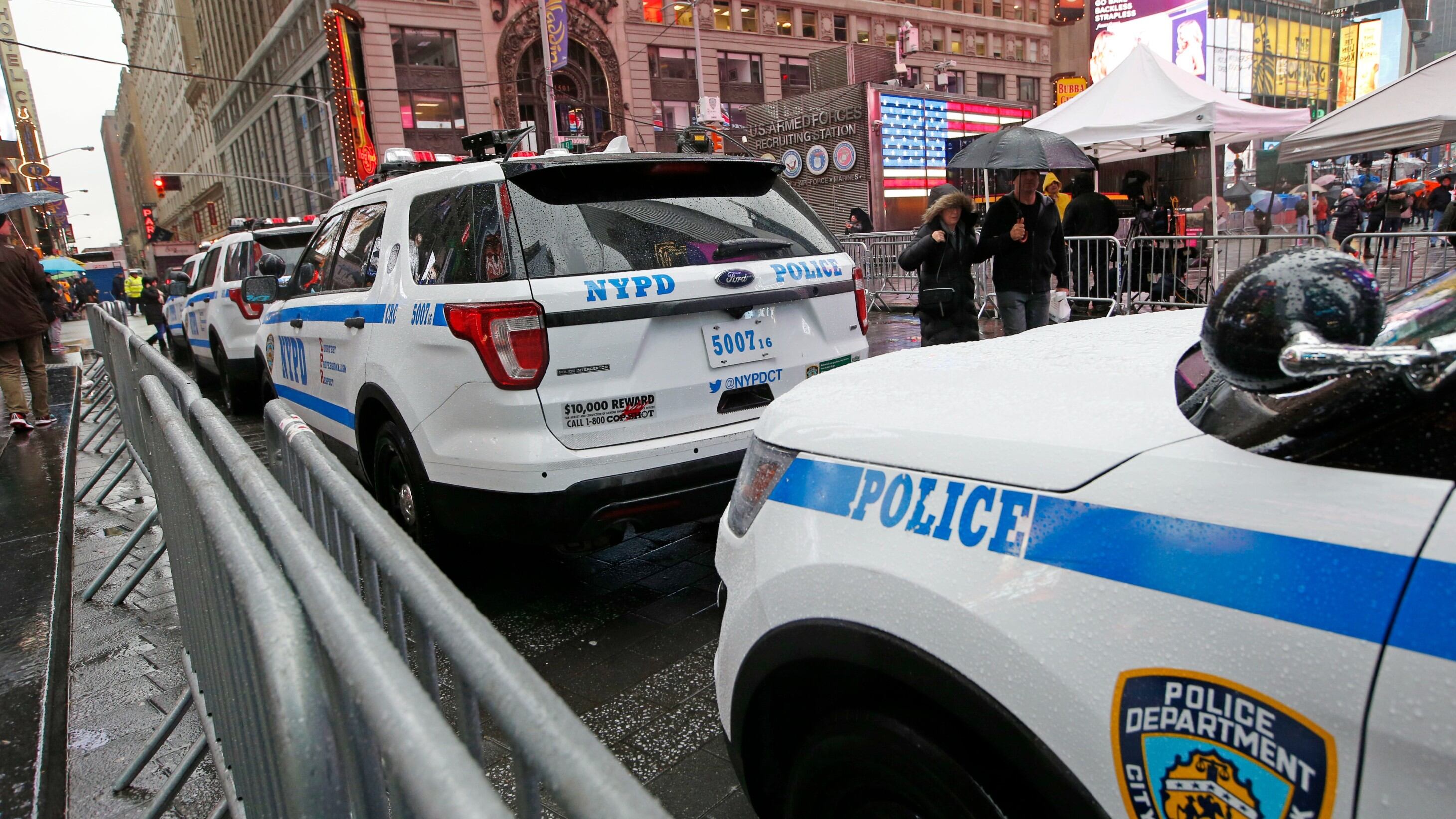
A New York City police officer is speaking out against the use of “courtesy cards” by friends and relatives of his colleagues on the force, accusing department leaders of maintaining a sprawling system of impunity that lets people with a connection to law enforcement avoid traffic tickets.
Though not officially recognized by the NYPD, the laminated cards have long been treated as a perk of the job. The city’s police unions issue them to members, who circulate them among those who want to signal their NYPD connections — often to get out of minor infraction like speeding or failing to wear a seat belt.
In a federal lawsuit filed in Manhattan this week, Officer Mathew Bianchi described a practice of selective enforcement with consequences for officers who don’t follow the unwritten policy. Current and retired officers now have access to hundreds of cards, giving them away in exchange for a discount on a meal or a home improvement job, he said.
In the Staten Island precinct where he works, a predominantly white area with a high percentage of cops and other city workers, Bianchi said multitudes of people he pulled over for traffic infractions flashed him one of the cards.
“I see card after card. You’re not allowed to write any of them (up),” he told The Associated Press. “We’re not supposed to be showing favoritism when we do car stops, and we shouldn’t be giving them out because the guy mows my lawn.”
Bianchi said he was reprimanded on numerous occasions for writing a ticket to a relative or parent of an officer. In some cases, his commanding officer would personally review body camera footage to see if he was giving those with cards a “hard time,” the lawsuit states.
The final straw came last summer, when Bianchi wrote a ticket to a friend of the NYPD’s highest-ranking uniformed officer, Chief Jeffrey Maddrey, according to the lawsuit. Three days later, Bianchi said he was ousted from his job in the traffic unit and moved to a night patrol shift.
The top chief, a long-time ally of New York City Mayor Eric Adams, is currently facing a department trial over allegations that he improperly voided the arrest of a former officer accused of menacing children with a gun.
A spokesperson for the NYPD said the department would review the lawsuit. Inquiries to Maddrey were not returned.
John Nuthall, a spokesperson for the Police Benevolent Association, the NYPD’s largest union, didn’t deny the existence of courtesy cards but said it was up to management to decide department policy.
“The law and NYPD policies afford police officers discretion in taking enforcement action,” Nuthall said. “Each police officer determines how to exercise that discretion based on the specifics of each case.”
The city’s police unions have long faced media scrutiny over the cards, both over the appearance of corruption and over their appearance for sale on eBay.
Bianchi said it was common for officers to receive stacks of cards from different union delegates. Dozens of courtesy cards are currently listed for sale online.
The ubiquity of the cards means that those without connections to law enforcement are less likely to get off with a warning, since officers are expected to write a certain amount of tickets, Bianchi said. In his experience, he said minority motorists were less likely to have access to the cards.