This story was originally published on January 21, 2021

New York City has brought a number of new vaccine hubs and facilities online as it ramps up for mass vaccinations after a rocky early rollout of the process. But even robust infrastructure won't help the city if it runs out of doses of the scarce vaccine — which it is expected to as early as the end of the week.

A new 24/7 vaccine site opened last week alongside Brooklyn Army Terminal, a former military supply base that is now used as a commercial hub. One of the first such facilities in the city, it was originally constructed for COVID-19 testing but has been retrofitted to vaccinate up to 2,000 people per day when fully operational. Each borough will have a similar facility with an additional mega-site expected to open at Citi Field in Queens within the week.

Patients receiving their vaccines on the first few days of operations didn't seem to mind the series of steps involved, including a mandatory and somewhat complicated reservation system, a wait in line, and registration.

Jennifer Weyburn, an educator, said her friends and colleagues walked her through the appropriate steps to register.

"I mean it wasn't intuitive, but you figured it out," she said.

Authorities hoped the reservation process would keep lines from forming or crowds from gathering. Still, wait times were hours long at facilities in Staten Island over the weekend, according to SILive. Patients at the Brooklyn site reported quick wait times by comparison.

Rebecca Wexler, a teacher, said the entire process took her about an hour and 15 minutes from start to finish.

"It was flawless for me. I'm surprised and happy to say," she said.

There was also a consistent flow of curious New Yorkers without appointments wandering up to inquire about the shot.

"It's by appointment. And we're trying to reiterate that, but of course, people are used to using our testing sites as walk-in only," said Dr. Jonathan Jimenez, medical director of community testing and vaccination sites with NYC Health + Hospitals.

Once inside, patients are escorted to one of 23 pods, where they will meet with a nurse practitioner to receive their injection. Brooklyn Army Terminal offers the Moderna vaccine, which, according to the CDC, is 94.1 percent effective in preventing COVID-19 illness. After they receive the shot, patients are herded toward a waiting area, where they are observed by medical professionals for any reaction to the drug. The CDC recommends 15 to 30 minutes of observation, depending on medical history.

After receiving her first dose of the Moderna vaccine, Weyburn said she was elated to receive the shot earlier than anticipated. But she wasn't ready to let her guard down yet.

"I guess the big thing is not to get over-elated and to keep on doing social distancing, and wearing masks," she said.

Especially as more New Yorkers become eligible for the coronavirus vaccine, facilities like the one at Brooklyn Army Terminal will play a crucial part in New York City's strategy to ramp up vaccinations. But Mayor Bill de Blasio said shortages of doses could impair those efforts. The city already canceled or rescheduled some 23,000 vaccine appointments due to inadequate supply, exacerbated by a delivery delay of the Moderna vaccine, the Associated Press reported.

New York Governor Andrew Cuomo said he expects doses across the state to run dry within days.

Close to 908,000 people across the state have received their first dose of the vaccine, and 136,500 have received their second dose, according to New York state's COVID-19 tracker. Even so, the pressure is on officials to continue the rollout uninterrupted as hospitalizations creep up to levels not seen since the early days of the pandemic.

This story was photographed and edited by Douglas C. Murray
Share:
More In Politics
New Cannabis Expungement Bill Introduced In Congress
A new bill in Congress shows just how bipartisan cannabis really is. Rep. David Joyce, a Republican from Ohio, teamed up with progressive Rep. Alexandria Ocasio-Cortez on a cannabis expungement bill. Cheddar cannabis reporter Chloe Aiello spoke with the congressman about the legislation.
Progressives in Congress Back Bill to Institute Four-Day Workweek
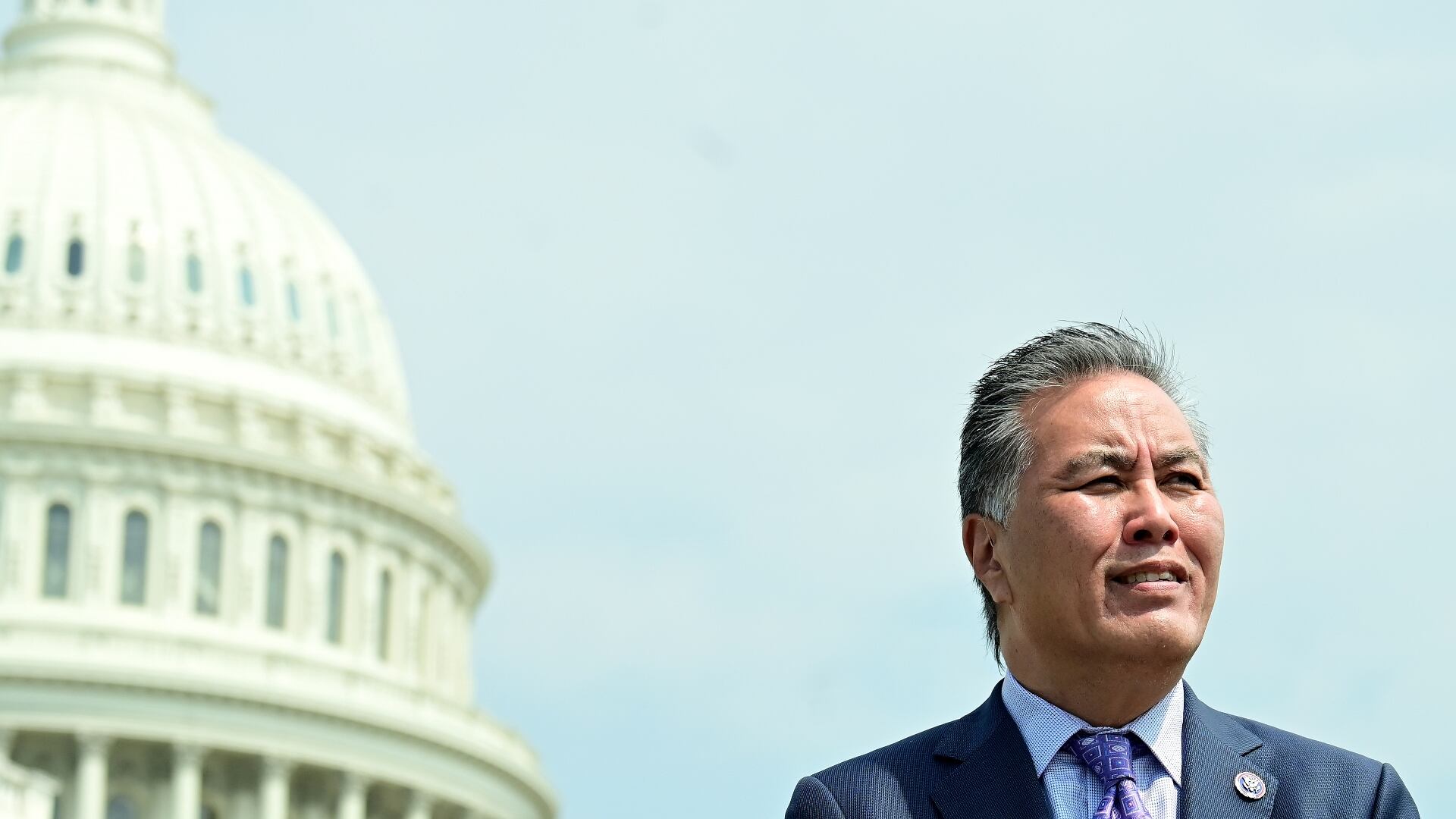
The Congressional Progressive Caucus have lined up to support the Thirty-Two Hour Workweek Act introduced by Rep. Mark Takano (D-Calif. 41st District). The representative joined Cheddar to discuss how instituting a four-day workweek in the United States can be beneficial for both employees with the need of a work-life balance and employers looking both to retain talent amid a labor shortage and improve efficiency in their workforces. "We live in a different time than 90 years ago when we established a 40-hour workweek," he said. "We've had a lot of technological changes, the American worker is exponentially more productive than previous generations, so it's time to reexamine Americans and the way in which they relate to work."
Sen. Blackburn Disappointed With Instagram's Lack of Specifics at Child Safety Hearing
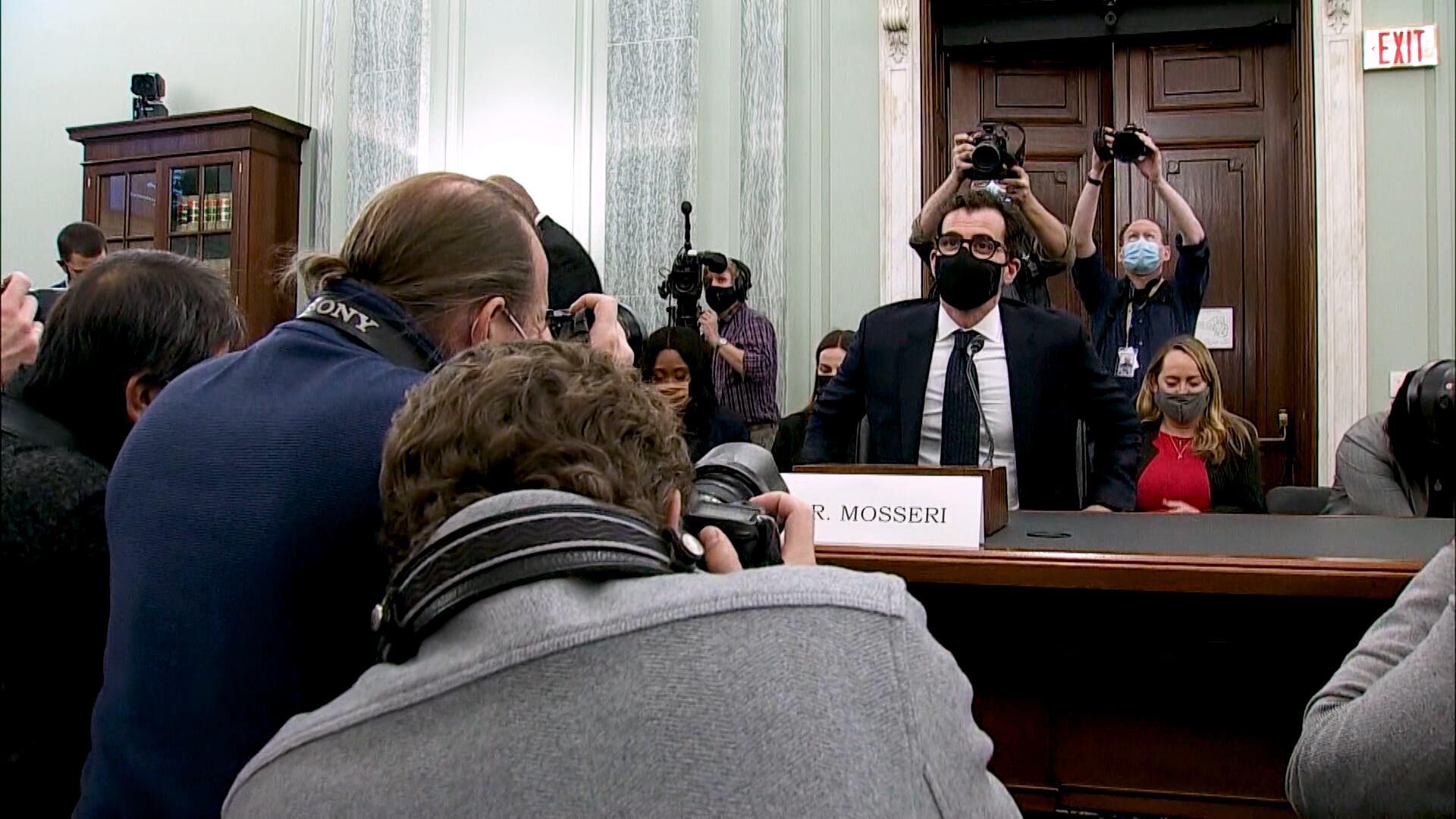
Instagram CEO Adam Mosseri faced a bipartisan Congressional grilling this week as the Senate inquired about safety practices for protecting the mental wellbeing of young people on the platform. Sen. Marsha Blackburn (R-Tenn.) joined Cheddar to talk about the hearing and how she was disappointed in Instagram coming unprepared with relevant information or documents. Blackburn also offered concern that the platform could continue with building a kids-only version despite having drawn significant opposition from the public.
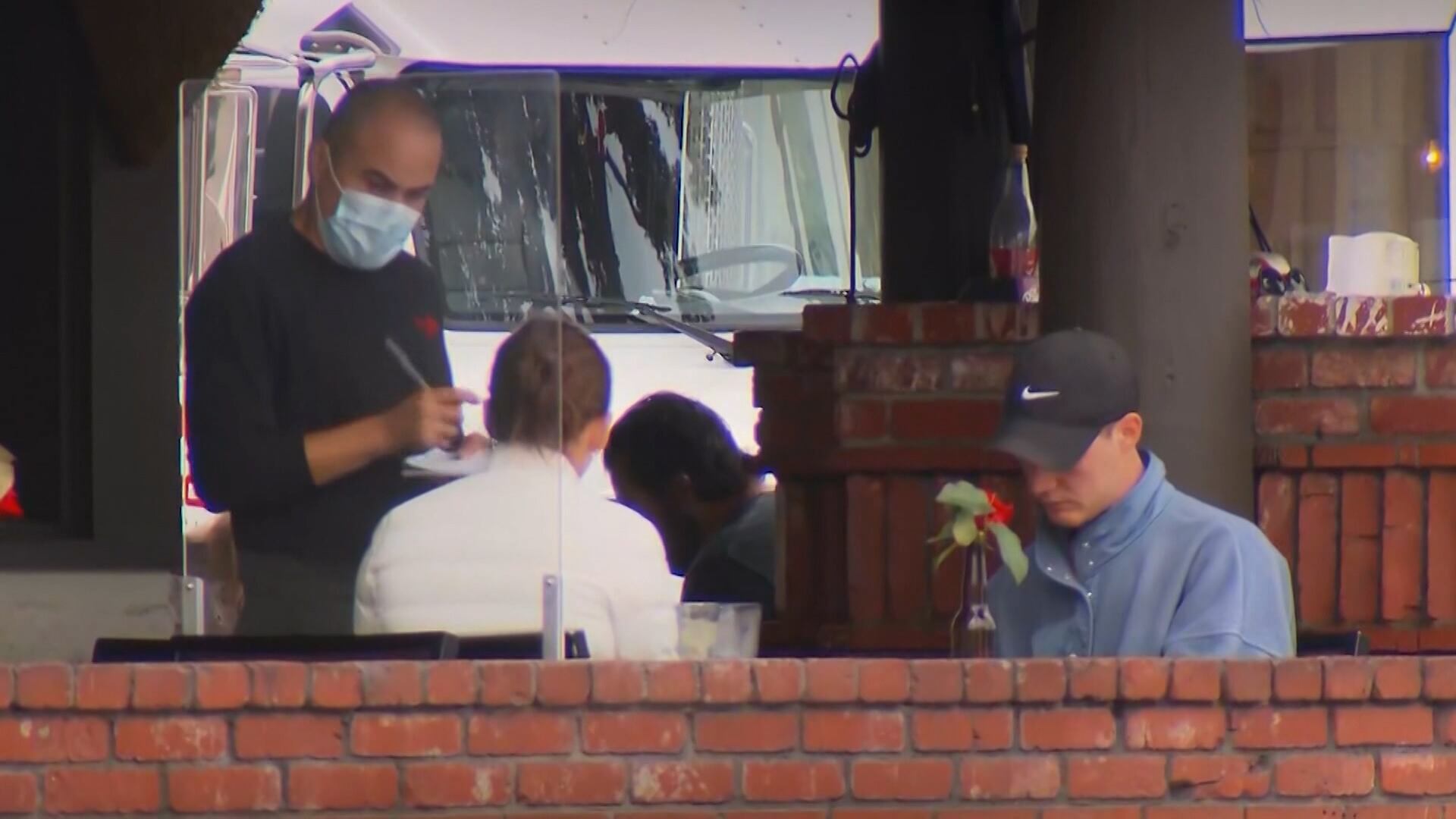
Workers Demand Better Treatment Amid the Great Resignation
The Great Resignation has shown some signs of slowing in October with the number of those who quit their jobs falling by 4.7 percent to 4.16 million. This comes as worker strikes and calls for unionization ramp up. Jane Oates, president at WorkingNation joined Cheddar's "Opening Bell" to discuss the implications.
Markets Open Lower Despite Better-than-Expected Jobless Claims
U.S. markets opened lower despite positive jobs data, which saw weekly claims drop to a 52-year low. Kevin Nicholson, Co-CIO Global Fixed Income, RiverFront Investment Group joined Cheddar's Opening Bell to discuss the labor market, inflation, and the impact of the Omicron variant on global markets.
Trial Watch, Partygate & Fleeting Fame
A packed Thursday pod: Carlo and Baker cover the latest developments in the Ghislaine Maxwell, Jussie Smollett and Elizabeth Holmes trials. Plus, Dems are losing the Hispanic vote, Boris Johnson in trouble again, and is it possible that Adele has peaked?
Stocks Close Higher as Investors Shake Off Omicron Concerns
Jim Bruderman, Vice Chairman at 1879 Advisors, joins Cheddar News' Closing Bell, where he says investors experienced a 'panic attack' last week with the spread of the Omicron variant and the Fed's tapering plans. As a result, he says we're now seeing stocks climb due to a growing comfort level toward both developments.
Instagram Head Receives Bipartisan Anger Over App Impact on Teen Girl Mental Health"
Adam Mosseri, head of Instagram, faced withering questions on Capitol Hill about the reports the social media app was aware of the severe mental health impacts it was having on teenage girls. Karen Kornbluh, the director of digital innovation and democracy for the German Marshall Fund, joined Cheddar to discuss the rare show of bipartisan outrage on display at the Senate hearing. "The senators came really loaded for bear on both sides of the aisle," she said. Kornbluh explained how senators like Richard Blumenthal (D-Conn.) set up fake Instagram accounts with teen girl profiles in order to research the effects firsthand.
Load More