This story was originally published on January 21, 2021
New York City has brought a number of new vaccine hubs and facilities online as it ramps up for mass vaccinations after a rocky early rollout of the process. But even robust infrastructure won't help the city if it runs out of doses of the scarce vaccine — which it is expected to as early as the end of the week.
A new 24/7 vaccine site opened last week alongside Brooklyn Army Terminal, a former military supply base that is now used as a commercial hub. One of the first such facilities in the city, it was originally constructed for COVID-19 testing but has been retrofitted to vaccinate up to 2,000 people per day when fully operational. Each borough will have a similar facility with an additional mega-site expected to open at Citi Field in Queens within the week.
Patients receiving their vaccines on the first few days of operations didn't seem to mind the series of steps involved, including a mandatory and somewhat complicated reservation system, a wait in line, and registration.
Jennifer Weyburn, an educator, said her friends and colleagues walked her through the appropriate steps to register.
"I mean it wasn't intuitive, but you figured it out," she said.
Authorities hoped the reservation process would keep lines from forming or crowds from gathering. Still, wait times were hours long at facilities in Staten Island over the weekend, according to SILive. Patients at the Brooklyn site reported quick wait times by comparison.
Rebecca Wexler, a teacher, said the entire process took her about an hour and 15 minutes from start to finish.
"It was flawless for me. I'm surprised and happy to say," she said.
There was also a consistent flow of curious New Yorkers without appointments wandering up to inquire about the shot.
"It's by appointment. And we're trying to reiterate that, but of course, people are used to using our testing sites as walk-in only," said Dr. Jonathan Jimenez, medical director of community testing and vaccination sites with NYC Health + Hospitals.
Once inside, patients are escorted to one of 23 pods, where they will meet with a nurse practitioner to receive their injection. Brooklyn Army Terminal offers the Moderna vaccine, which, according to the CDC, is 94.1 percent effective in preventing COVID-19 illness. After they receive the shot, patients are herded toward a waiting area, where they are observed by medical professionals for any reaction to the drug. The CDC recommends 15 to 30 minutes of observation, depending on medical history.
After receiving her first dose of the Moderna vaccine, Weyburn said she was elated to receive the shot earlier than anticipated. But she wasn't ready to let her guard down yet.
"I guess the big thing is not to get over-elated and to keep on doing social distancing, and wearing masks," she said.
Especially as more New Yorkers become eligible for the coronavirus vaccine, facilities like the one at Brooklyn Army Terminal will play a crucial part in New York City's strategy to ramp up vaccinations. But Mayor Bill de Blasio said shortages of doses could impair those efforts. The city already canceled or rescheduled some 23,000 vaccine appointments due to inadequate supply, exacerbated by a delivery delay of the Moderna vaccine, the Associated Press reported.
New York Governor Andrew Cuomo said he expects doses across the state to run dry within days.
Close to 908,000 people across the state have received their first dose of the vaccine, and 136,500 have received their second dose, according to New York state's COVID-19 tracker. Even so, the pressure is on officials to continue the rollout uninterrupted as hospitalizations creep up to levels not seen since the early days of the pandemic.
This story was photographed and edited by Douglas C. Murray
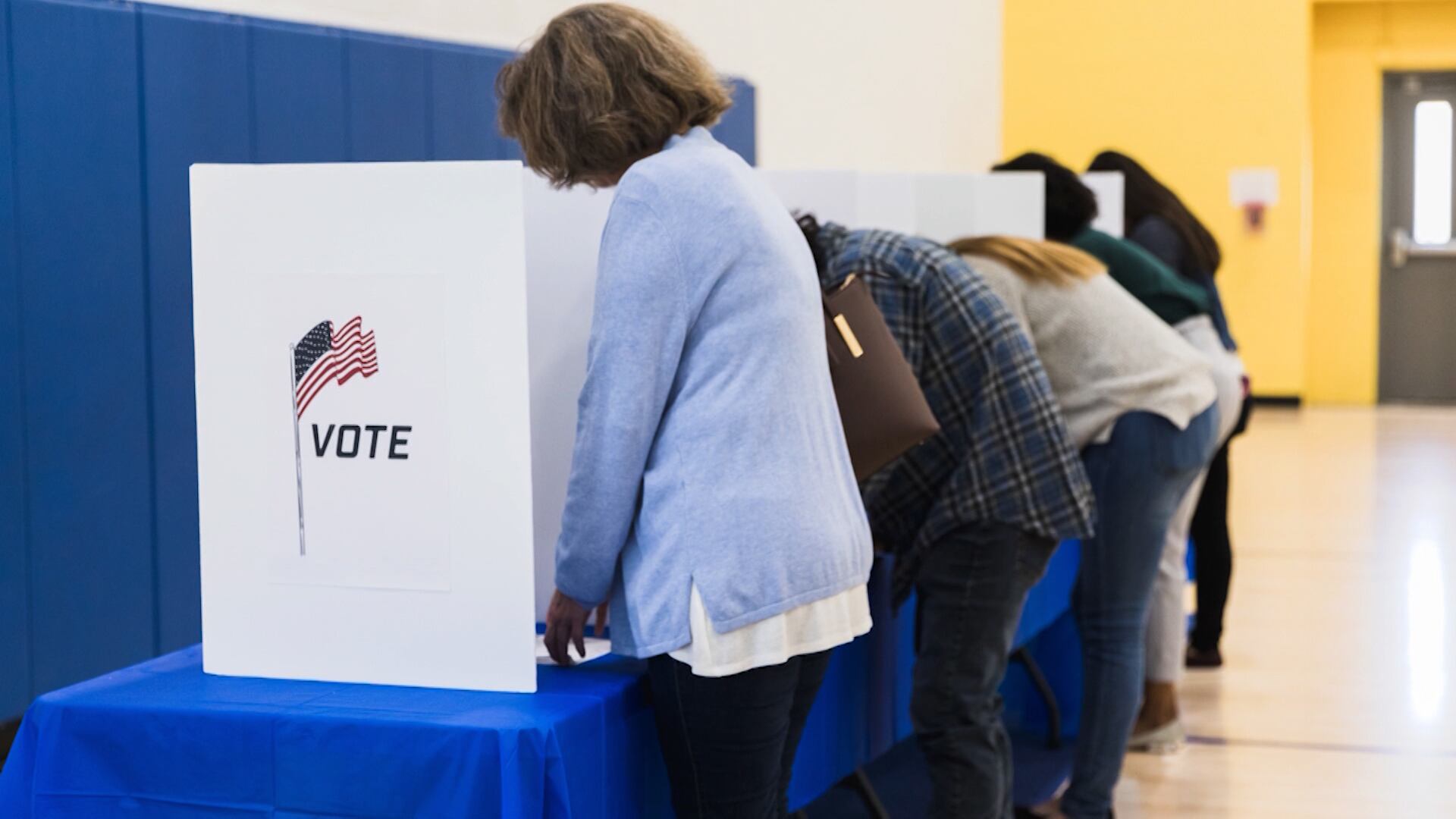
Joe Kennedy III, a former congressman and co-founder of Give Us the Ballot, joined Cheddar News to discuss voting protections in the United States and how his campaign is aiming to fix the issue of voter suppression. "Yes, redistricting is critical — Give Us the Ballot though recognizes it's 'redistricting, and —', because voting rights has an implication for every single election at every single level: school board, mayor, city council, House of Representatives, Senate, president," he said. Kennedy also gave his thoughts about the retirement of Justice Stephen Breyer.
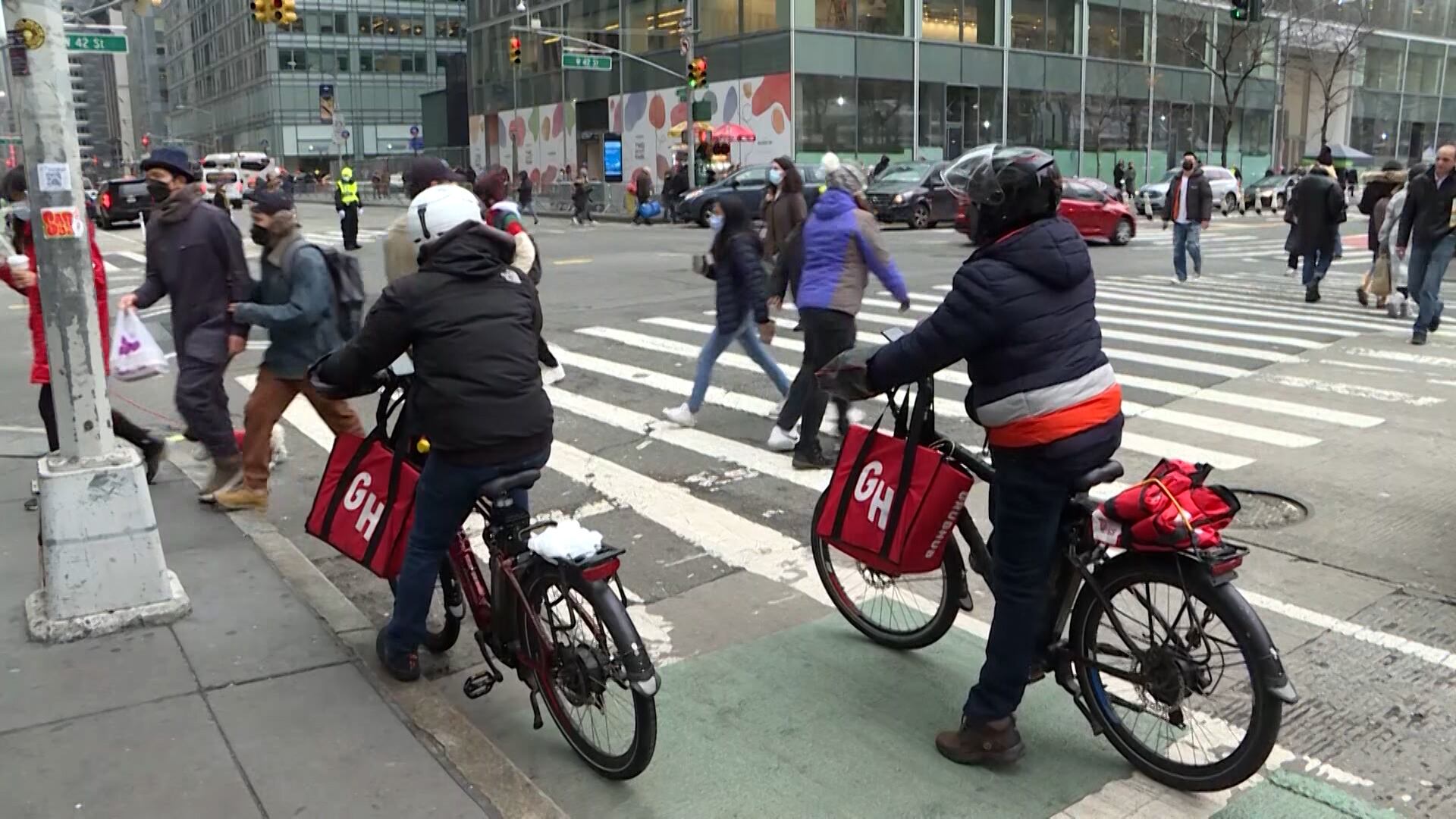
Big Apple workers who deliver for food apps like Doordash and Grubhub will now receive a number of legal protections provided through a package of new regulations that have started going into effect. These updated rules include more control over their deliveries, pay and tip transparency, a higher minimum pay rate, and access to restaurant bathrooms during the workday. New York City Comptroller Brad Lander joined Cheddar to elaborate on the regulations and how the platform holders reacted. "I have to say it's a mixed bag," he said. "Grubhub actually welcomed the legislation and said they recognize they need to do better by their deliveristas, but DoorDash, unfortunately, has actually been pushing back against the legislation."
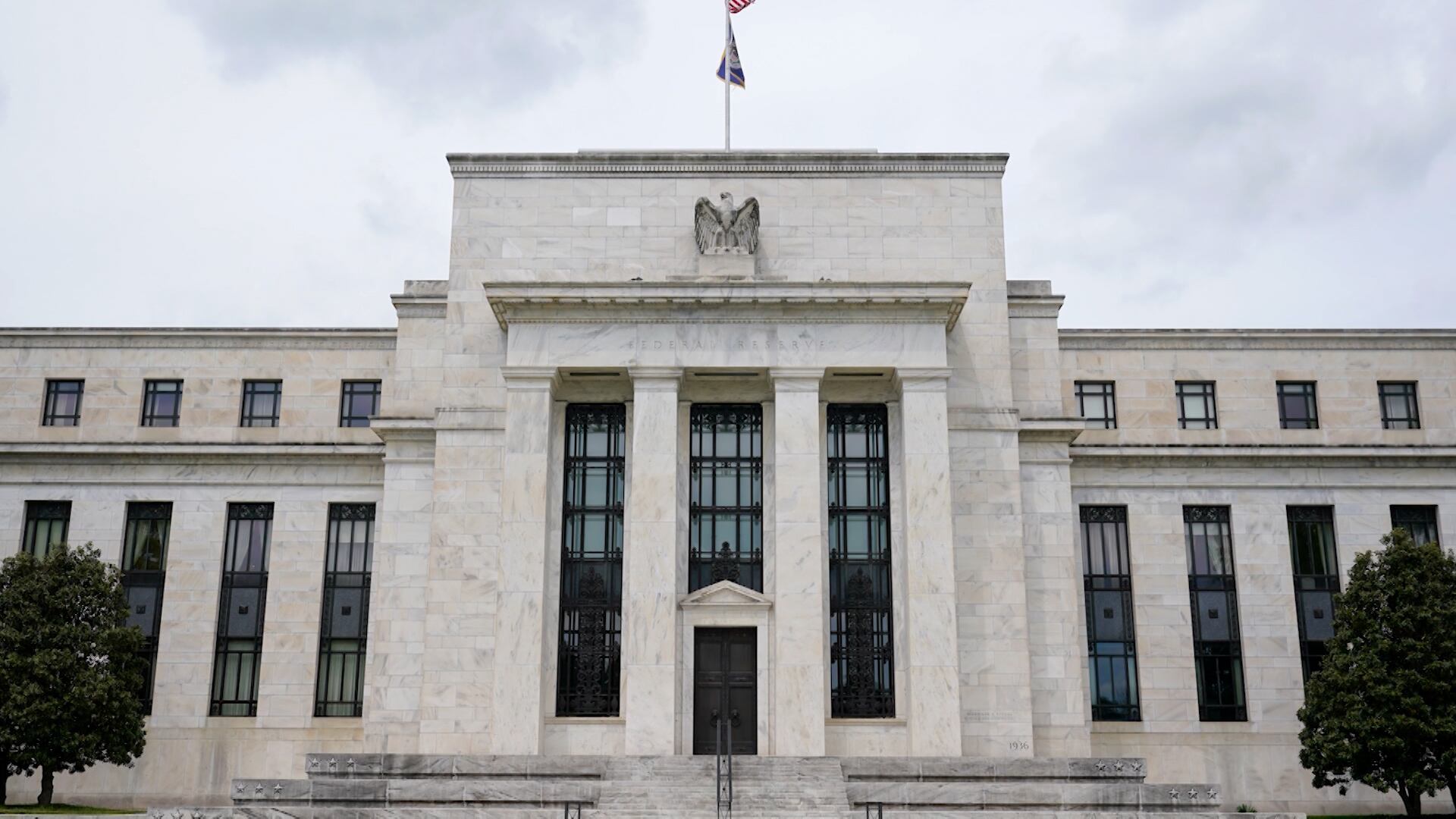
Thomas Hoenig, Former CEO of Federal Reserve Bank of Kansas City and currently Distinguished Senior Fellow with the Mercatus Center, joined Cheddar News' Closing Bell, where he says the Fed's decision was no surprise, but believes the Fed is behind the curve on raising rates.
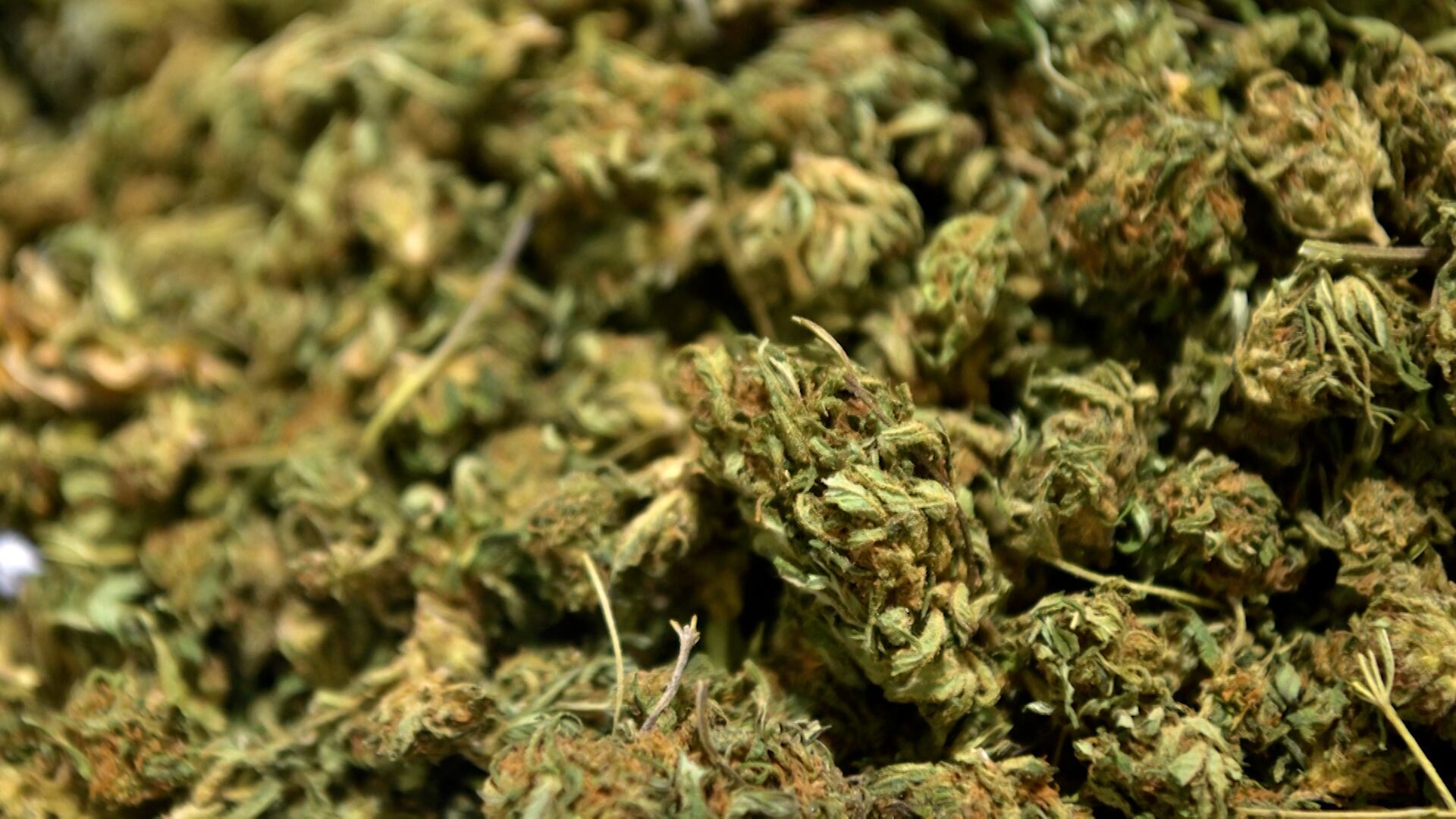
Legal cannabis businesses are having a hard time surviving in California with the high cost of doing business and a still-thriving illicit market. In response, nonprofit Supernova Women, founded by women of color, is advocating on behalf of Black and brown shareholders in the cannabis industry. Amber Senter, co-founder, executive director, and chairman of the organization, spoke with Cheddar News about calling for changes in the Golden State's taxation system for legal marijuana. "We're really leaning on the legislators now to support the industry and make sure that this industry, in particular craft cannabis, can survive," said Senter.
After being among the hardest-hit industries by the pandemic, restaurants are still having a hard time staying afloat, with owners claiming that business is worse now due to closures from staff shortages and customer decline than it was three months ago. Mike Whatley, vice president of state affairs and grassroots advocacy for the National Restaurant Association, spoke to Cheddar News about how the sector is reaching out to lawmakers for help. "Working with Senators Wicker, Sinema, and a whole host of bipartisan leaders, we're trying to get the Restaurant Revitalization Fund replenished," Whatley said.
Communities of color are disproportionately affected by climate change and continuously feel the impacts. Mark Magaña, founding president and CEO of Green Latinos joined All Hands to discuss.
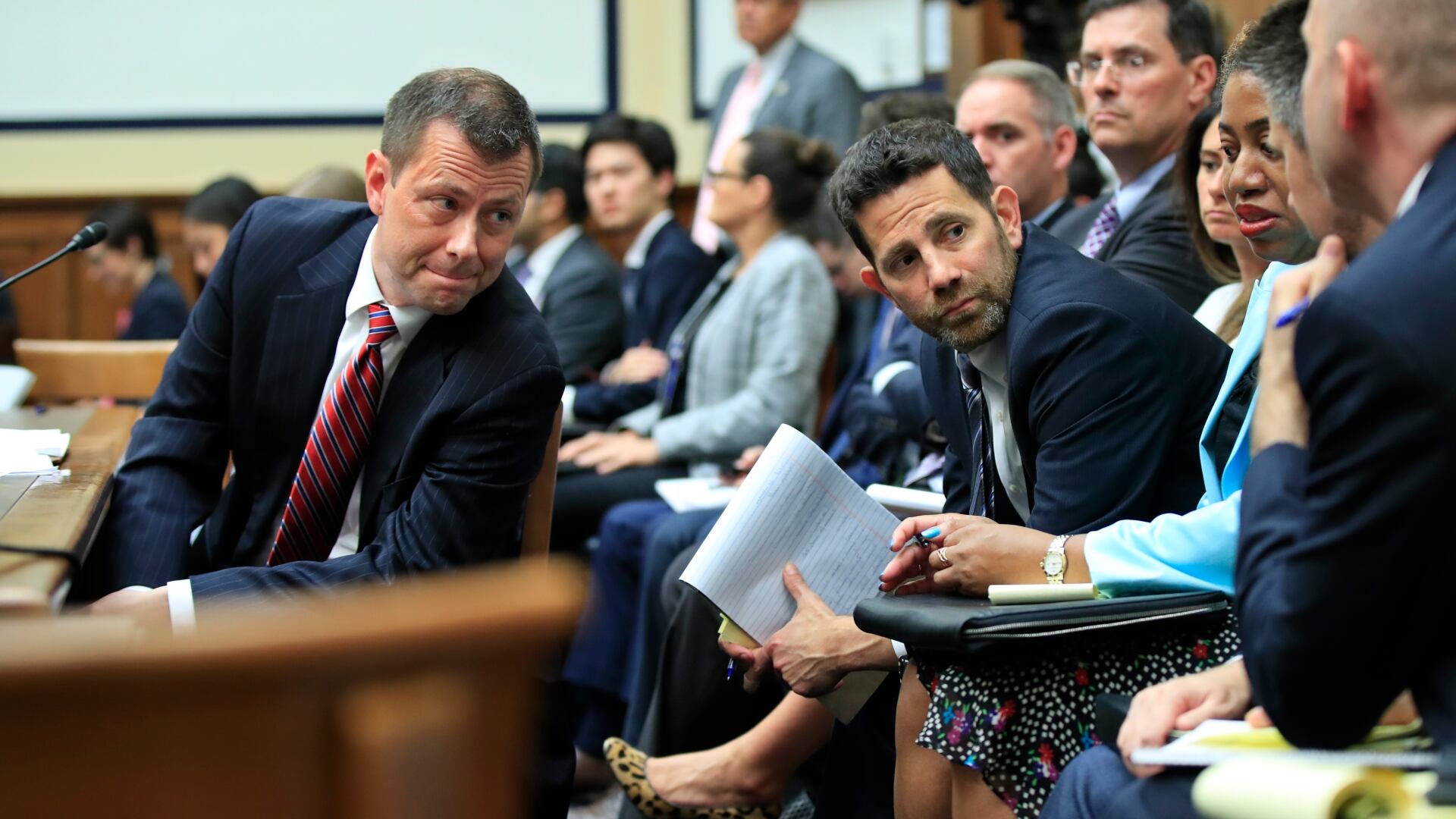
The memoir, "COMPROMISED: Counterintelligence and the Threat of Donald J. Trump", tells a familiar story from a bit of a different source: Peter Strzok himself, former FBI Counterintelligence Agents and Agency Veteran who spent most of his very long career investigating some of the most controversial inquiries, most notably in recent American history. Those inquiries were Hillary Clinton's email to even Trump Russia investigations. Former FBI Agent and Author of "Compromised" Peter Strzok, joined Cheddar to discuss more.