This story was originally published on January 21, 2021
New York City has brought a number of new vaccine hubs and facilities online as it ramps up for mass vaccinations after a rocky early rollout of the process. But even robust infrastructure won't help the city if it runs out of doses of the scarce vaccine — which it is expected to as early as the end of the week.
A new 24/7 vaccine site opened last week alongside Brooklyn Army Terminal, a former military supply base that is now used as a commercial hub. One of the first such facilities in the city, it was originally constructed for COVID-19 testing but has been retrofitted to vaccinate up to 2,000 people per day when fully operational. Each borough will have a similar facility with an additional mega-site expected to open at Citi Field in Queens within the week.
Patients receiving their vaccines on the first few days of operations didn't seem to mind the series of steps involved, including a mandatory and somewhat complicated reservation system, a wait in line, and registration.
Jennifer Weyburn, an educator, said her friends and colleagues walked her through the appropriate steps to register.
"I mean it wasn't intuitive, but you figured it out," she said.
Authorities hoped the reservation process would keep lines from forming or crowds from gathering. Still, wait times were hours long at facilities in Staten Island over the weekend, according to SILive. Patients at the Brooklyn site reported quick wait times by comparison.
Rebecca Wexler, a teacher, said the entire process took her about an hour and 15 minutes from start to finish.
"It was flawless for me. I'm surprised and happy to say," she said.
There was also a consistent flow of curious New Yorkers without appointments wandering up to inquire about the shot.
"It's by appointment. And we're trying to reiterate that, but of course, people are used to using our testing sites as walk-in only," said Dr. Jonathan Jimenez, medical director of community testing and vaccination sites with NYC Health + Hospitals.
Once inside, patients are escorted to one of 23 pods, where they will meet with a nurse practitioner to receive their injection. Brooklyn Army Terminal offers the Moderna vaccine, which, according to the CDC, is 94.1 percent effective in preventing COVID-19 illness. After they receive the shot, patients are herded toward a waiting area, where they are observed by medical professionals for any reaction to the drug. The CDC recommends 15 to 30 minutes of observation, depending on medical history.
After receiving her first dose of the Moderna vaccine, Weyburn said she was elated to receive the shot earlier than anticipated. But she wasn't ready to let her guard down yet.
"I guess the big thing is not to get over-elated and to keep on doing social distancing, and wearing masks," she said.
Especially as more New Yorkers become eligible for the coronavirus vaccine, facilities like the one at Brooklyn Army Terminal will play a crucial part in New York City's strategy to ramp up vaccinations. But Mayor Bill de Blasio said shortages of doses could impair those efforts. The city already canceled or rescheduled some 23,000 vaccine appointments due to inadequate supply, exacerbated by a delivery delay of the Moderna vaccine, the Associated Press reported.
New York Governor Andrew Cuomo said he expects doses across the state to run dry within days.
Close to 908,000 people across the state have received their first dose of the vaccine, and 136,500 have received their second dose, according to New York state's COVID-19 tracker. Even so, the pressure is on officials to continue the rollout uninterrupted as hospitalizations creep up to levels not seen since the early days of the pandemic.
This story was photographed and edited by Douglas C. Murray
Student loan debt continues to be a major concern for tens of millions of Americans who collectively owe about $1.7 trillion. Black college students often take on larger amounts of student debt in order to pay for a higher education. In turn, they are more likely to struggle post-graduation with repaying their debt, creating a racial wealth gap divide. Andre Perry, senior fellow at Brookings Institution joined All Hands to help break down the black student debt crisis.
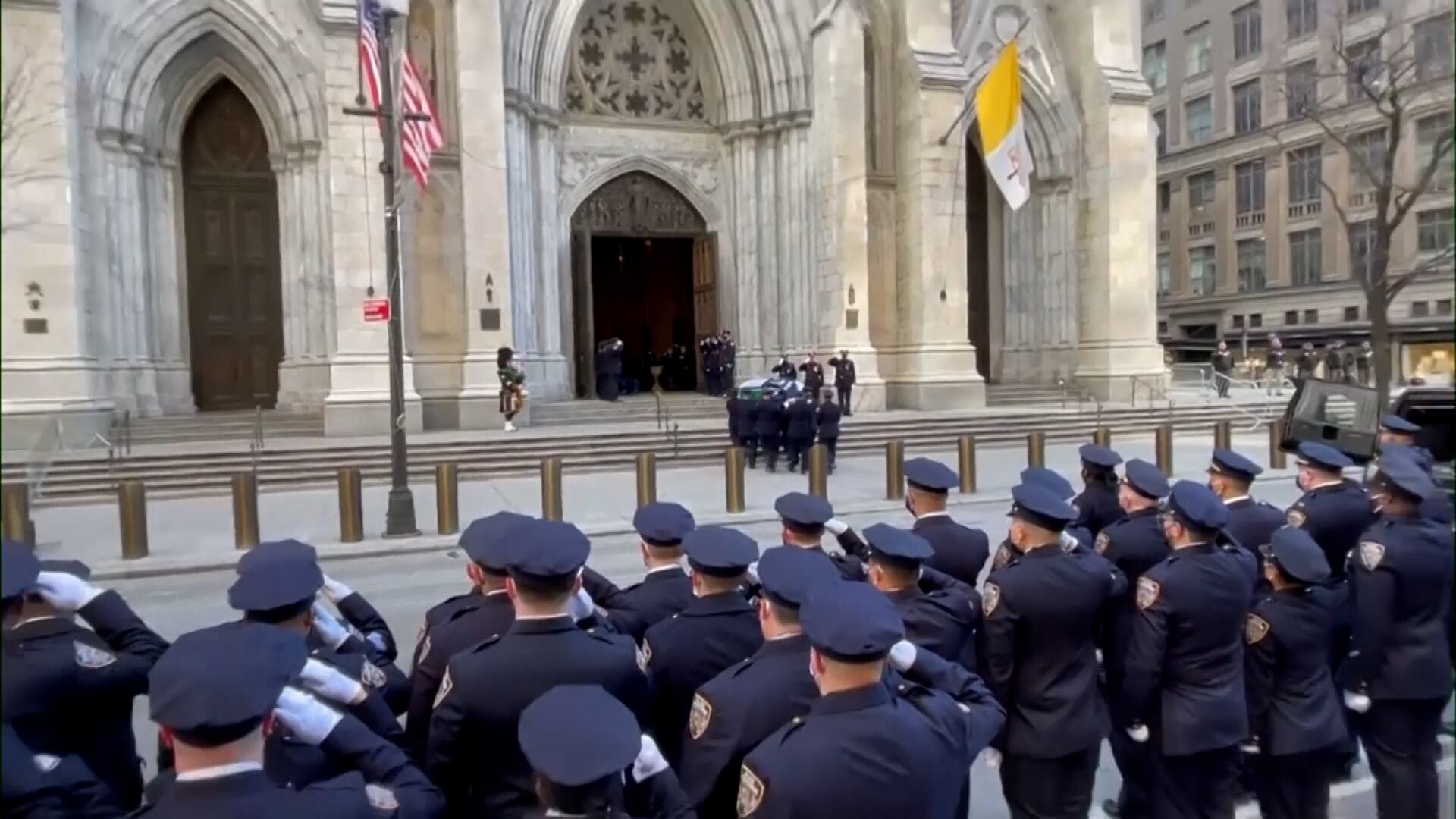
After two NYPD officers were killed with an illegal gun, President Biden made a trip to New York City to speak on the issue of gun violence fed by the "iron pipeline" of illegal firearms that make their way from the South to the Big Apple. Kris Brown, the president of the gun violence prevention organization Brady United, joined Cheddar to discuss what this visit from the president could mean for the future of gun laws in America. "He's asked Congress to pass things like expanding the Brady background check system, but with the filibuster a barrier to so much action right now in the Congress, he's looking at solutions that involve funding at the federal level and really involve enforcement."
Following the surprising big beat on estimates for the January jobs report, William M. Rodgers III, vice president and director of the Institute for Economic Equity at the Federal Reserve Bank of St. Louis, joined Cheddar News to break down the data. “We ended 2021 with a strong crescendo to a recovery that had taken hold, and we started 2022 in good fashion." He also discussed the dueling pressures of wage growth and inflation.
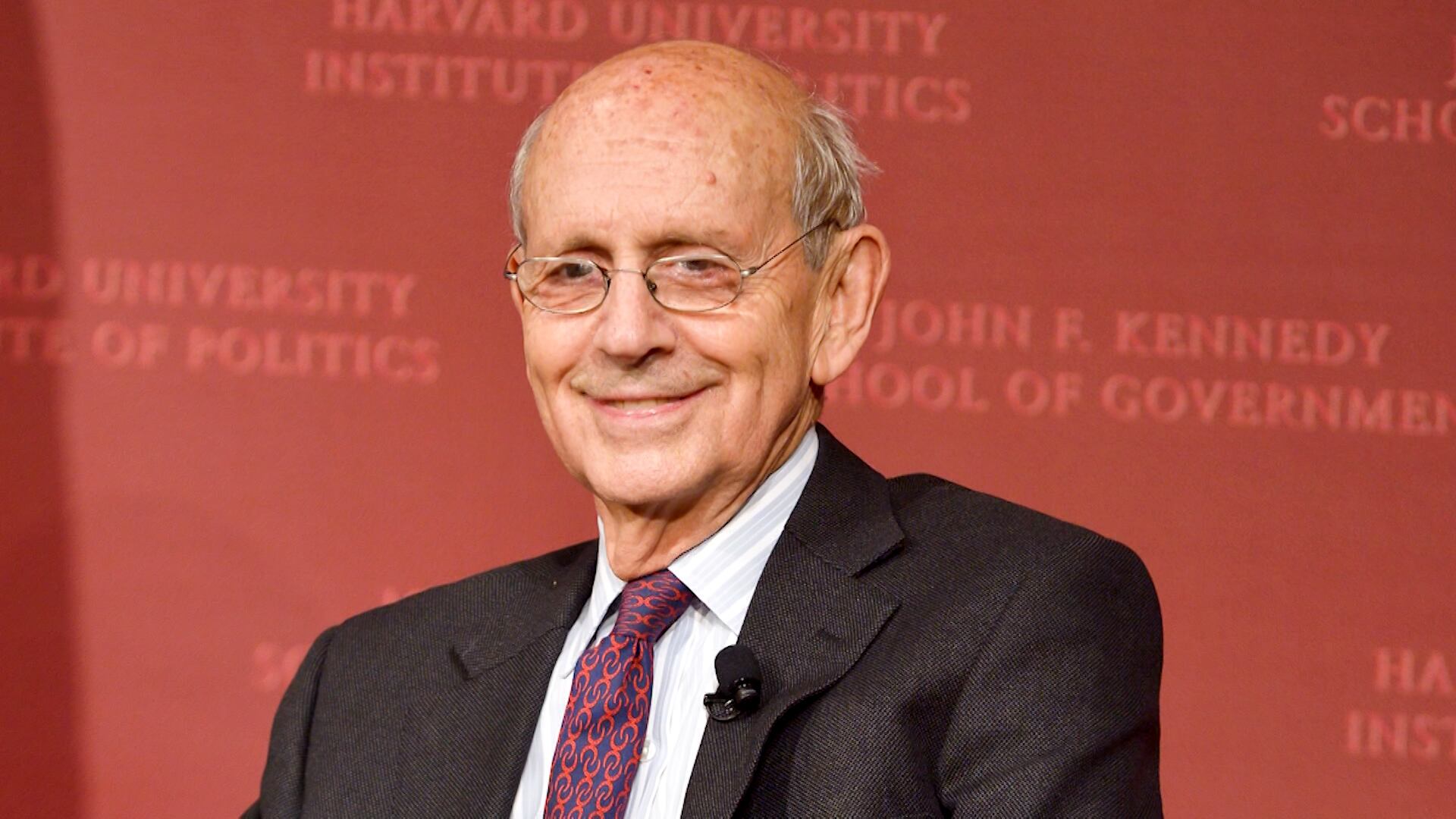
Jessica Mason Pieklo, senior vice president and executive editor of the Rewired News Group and co-host of the podcast. "Boom! Lawyered," joins Cheddar Politics to discuss Justice Stephen Breyer's retirement, legacy and potential replacement on the Supreme Court.
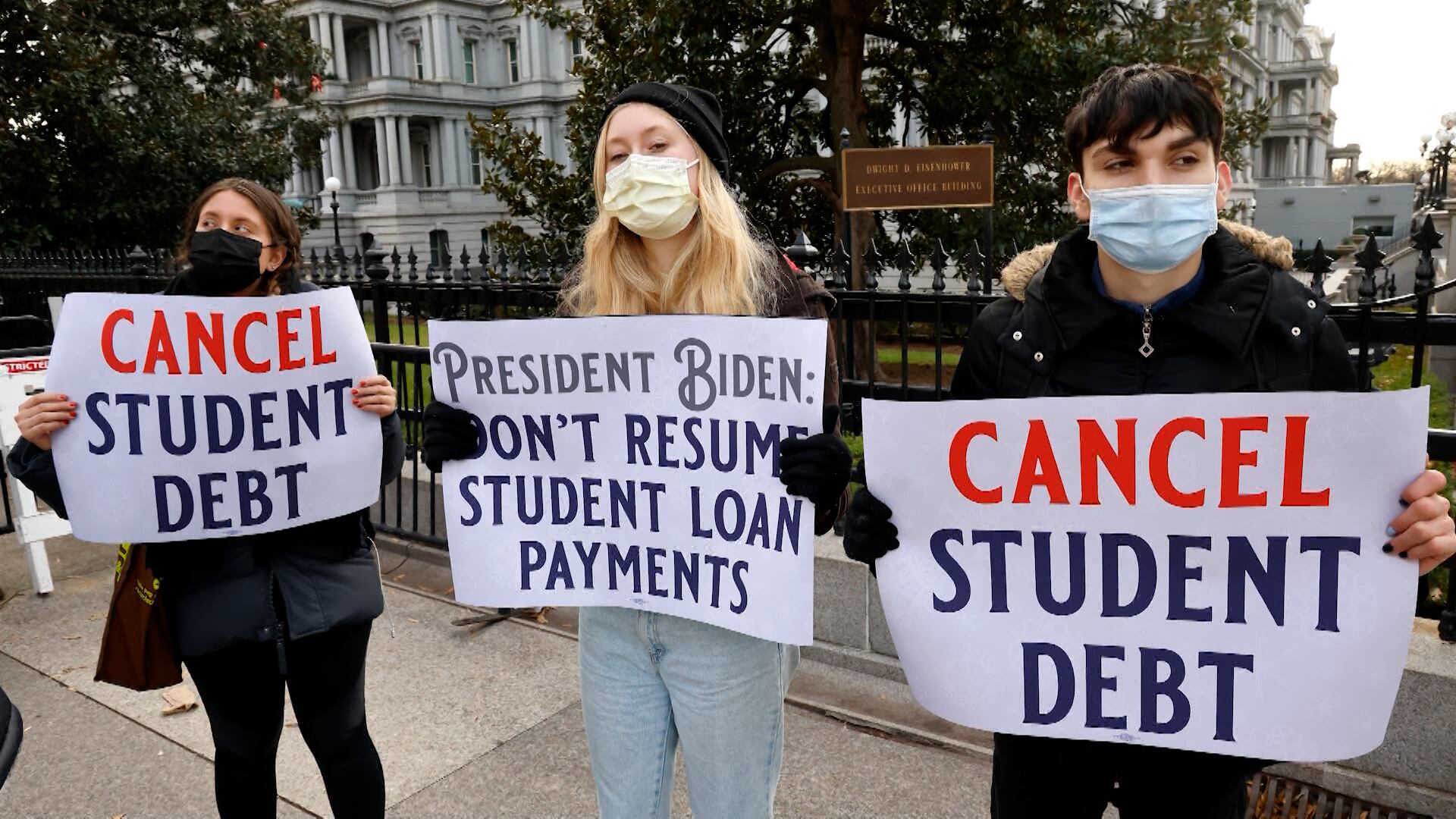
The Biden administration delivered a temporary win for student loan borrowers this year by extending the moratorium on federal payments for a few more months. That moratorium is coming to an end on May 1st and borrowers will again have their monthly loan payment plopped in their lap.
Stephanie Vanderslice, a creative writing professor paying off debt through the Parent Plus program, and Mike Pierce, executive director of the Student Borrower Protection Center, join Cheddar Politics to discuss.
2022 was already going to be a big year for the Supreme Court. We have decisions on major issues like abortion and gun rights on the way. Then, Justice Stephen Breyer announced his retirement and that set up a major confirmation fight for later this year. Amy Howe, co-founder of SCOTUSblog, joins Cheddar Politics to discuss.
The Labor Department released a better-than-expected report of 467,000 jobs added in January. Heather Boushey, Council of Economic Advisers Member for President Biden, joined Cheddar to tout the administration's handling of the economy amid the pandemic and the upward revisions for the previous month. "It also shows that, because of the revisions, the economy was stronger over the past couple of months," she said. "I don't think that this can be said enough, but economic forecasting during an historic pandemic is extremely difficult." Boushey also addressed issues involving wage growth versus the rapid rise of inflation.
The Labor Department's January jobs report showed 467,000 jobs were added, compared to the 150,000 that were projected, a sign that employment is continuign to return to pre-pandemic levels. Lindsey Piegza, chief economist at investment bank Stifel, joined Cheddar to break down the report, noting the big gains but adding a note of caution. "Remember, even with this morning's stellar report, we're still millions below that level that we had reached prior to the onset of COVID-19," she said." Yes, we are recapturing jobs. We still have further ground that needs to be made before we can talk about reaching that previous peak." Piegza also discussed the role of the Federal Reserve going forward as the employment figures turn more positive.