Refrigerated trailers are seen parked at the site of a makeshift morgue being built in New York, Wednesday, March 25, 2020. (AP Photo/Mary Altaffer)
New York City could start burying its dead in city parks if the mortality rate from coronavirus doesn’t decline soon, according to City Council Health Committee Chair Mark Levine.
“Soon we'll start ‘temporary interment’. This likely will be done by using a NYC park for burials (yes you read that right). Trenches will be dug for 10 caskets in a line,” Levine tweeted on Monday, adding that “it will be tough for NYers to take.”
Just as the number of COVID-19 infections has overwhelmed New York City hospitals, the number of deaths has begun to overwhelm the death care infrastructure, including the city’s system of morgues and now, it would seem, cemeteries. To supplement existing city- and hospital-owned morgues, the Office of the Chief Medical Examiner (OCME) purchased 45 refrigerated trucks to act as temporary morgues on top of 85 supplied by the Federal Emergency Management Agency (FEMA). According to Levine, most of those temporary morgues are now full and families with loved ones who have passed away due to COVID-19 are struggling to find funeral homes and cemeteries that will handle their deceased.
“Grieving families report calling as many as half a dozen funeral homes and finding none that can handle their deceased loved ones. Cemeteries are not able to handle the number of burial requests and are turning most down,” he wrote.
The councilmember’s comments attracted quite a bit of attention on Monday, earning more than 1,500 retweets and 1,800 likes, prompting Levine to clarify his earlier claims. In a later tweet, he called interment in city parks a “contingency” that wouldn’t be necessary if the death rate drops enough.
New York City Mayor Bill de Blasio told the New York Times that although the city has the ability to temporarily bury the dead if needed, the city was “not at the point that we’re going to go into that.” Cuomo pleaded ignorance of the plan altogether, saying that he’d heard “a lot of wild rumors,” but never anything about burials in city parks, according to the Times.
Aja Worthy-Davis, an OCME spokesperson, said the city is only conducting city burials at Hart Island in the Bronx for now.
Reports out of overwhelmed countries like Italy and Ecuador detail coffins awaiting burial in churches and on streets, and horror stories of families living with deceased loved ones, sometimes for days, because of an overwhelmed death care system.
“The goal is to avoid scenes like those in Italy, where the military was forced to collect bodies from churches and even off the streets,” Levine wrote on Monday.
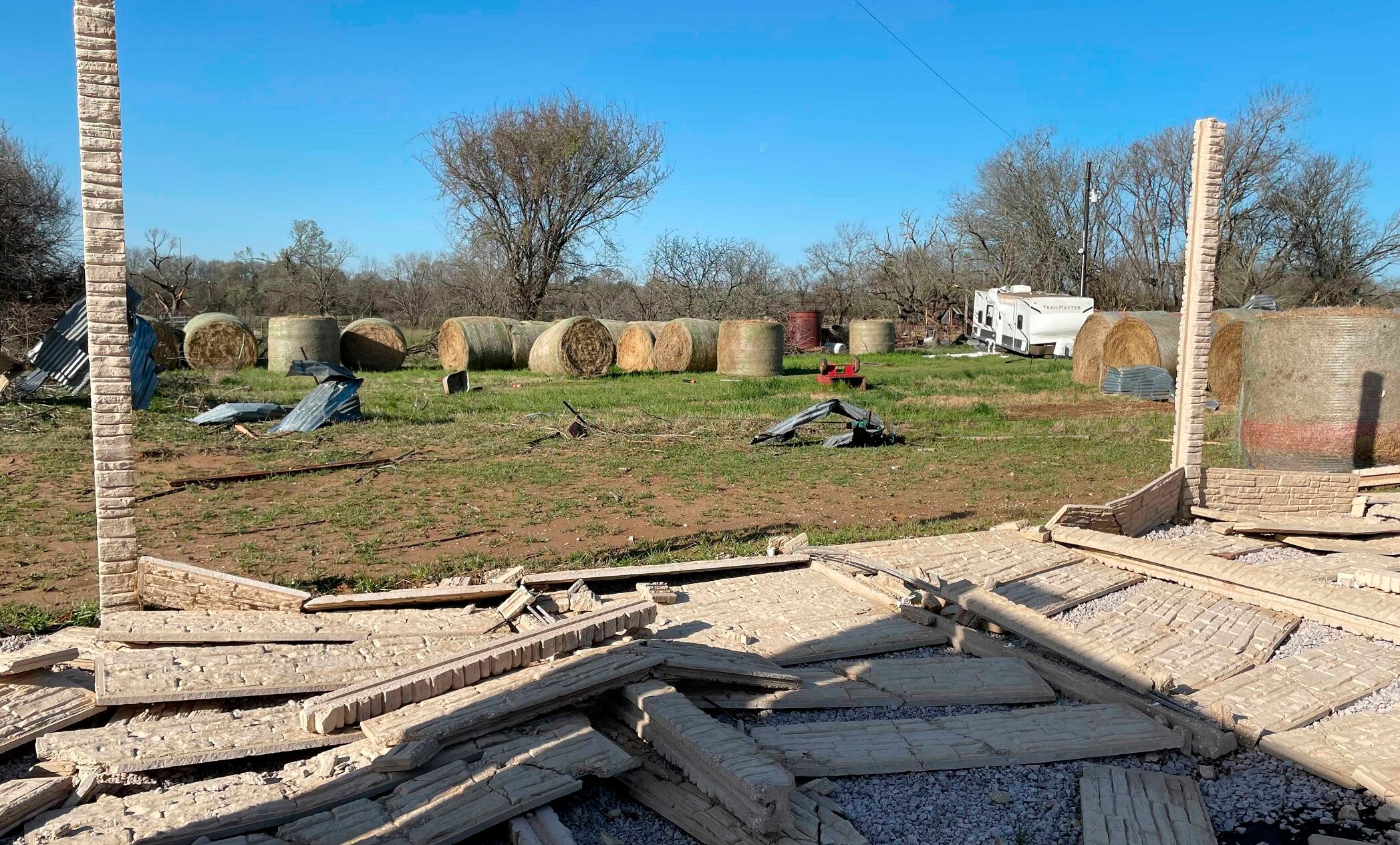
Catching you up on what you Need to Know on Mar 23, 2022, as NATO meets in Brussels to discuss Ukraine, mortgage rates rise, Justin Trudeau is set to lead Canada until 2025, tornadoes sweep through Louisiana, California may do away with SATs, and a Starbucks in Seattle unionizes.
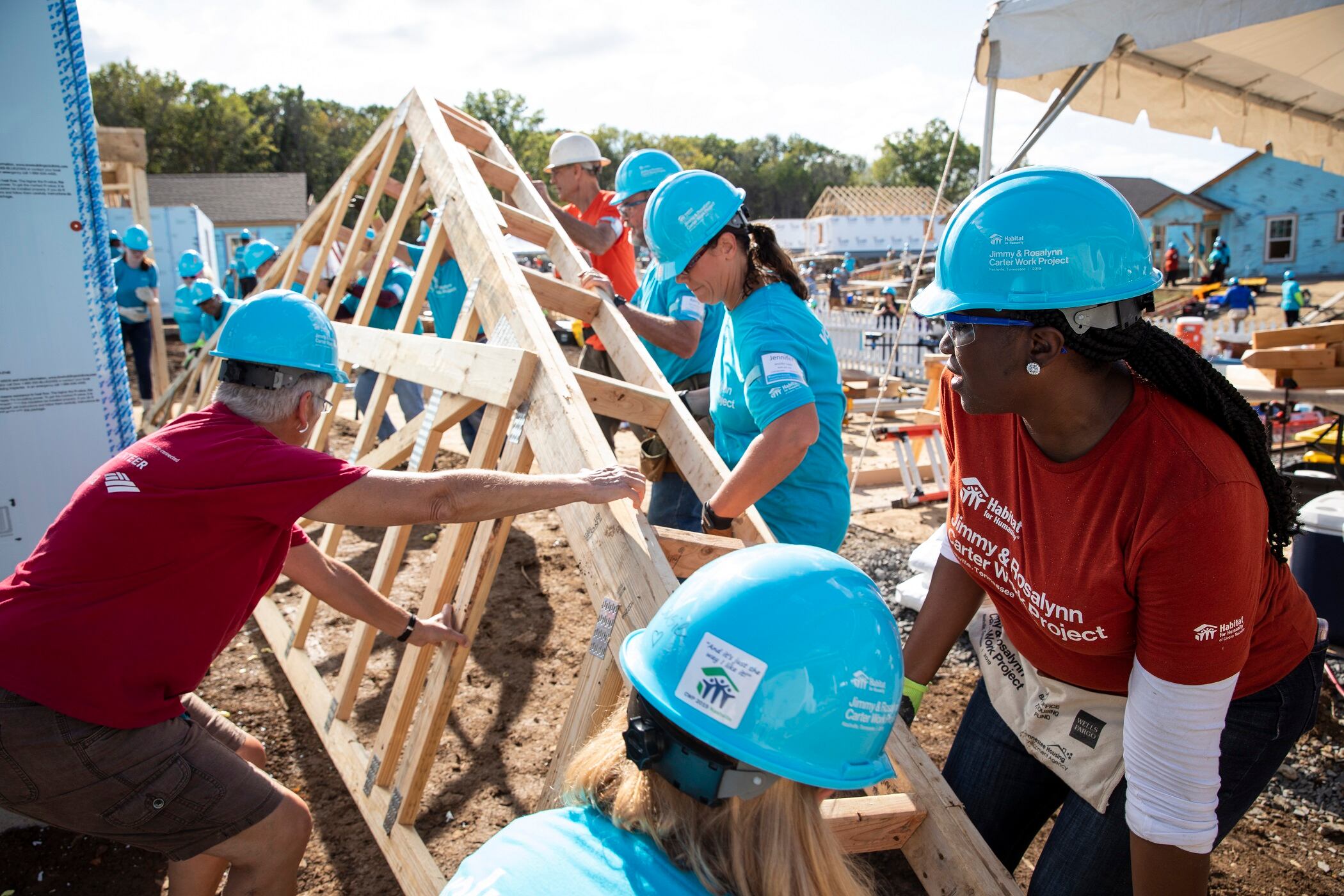
MacKenzie Scott donated $436 million to Habitat for Humanity International and 84 of its U.S. affiliates – the largest publicly disclosed donation from the billionaire philanthropist since she pledged to give away the majority of her wealth in 2019.
The government can't afford to keep paying some Covid bills, a cheerleader gets an NIL deal for March Madness rescue, and fans will get to watch Beyoncé during the Oscars. Here is all the news you Need2Know for Wednesday, March 23, 2022.
Reshma Saujani, the founder of Girls Who Code and author of "Pay Up: The Future of Women and Work (and Why It's Different Than You Think), joined Cheddar to discuss the many challenges for women in the workplace after the upheaval caused by the pandemic and the solutions she presents.
Companies are leaning towards hybrid workforces due to the pandemic as a means of bringing back workers to the office — especially women employees. Head of HR technology at Capital One, Maureen Jules-Perez, joined Cheddar News to talk about initiatives and technology that the bank is taking to set up a successful hybrid workplace. "Do we have the experiences or the spaces for everyone to feel belonging or included? Do we feel heard? And of course, when it comes to building products, we have all the different, diverse perspectives and thoughts and ideas being incorporated to have the optimal solution or delivery," she said.
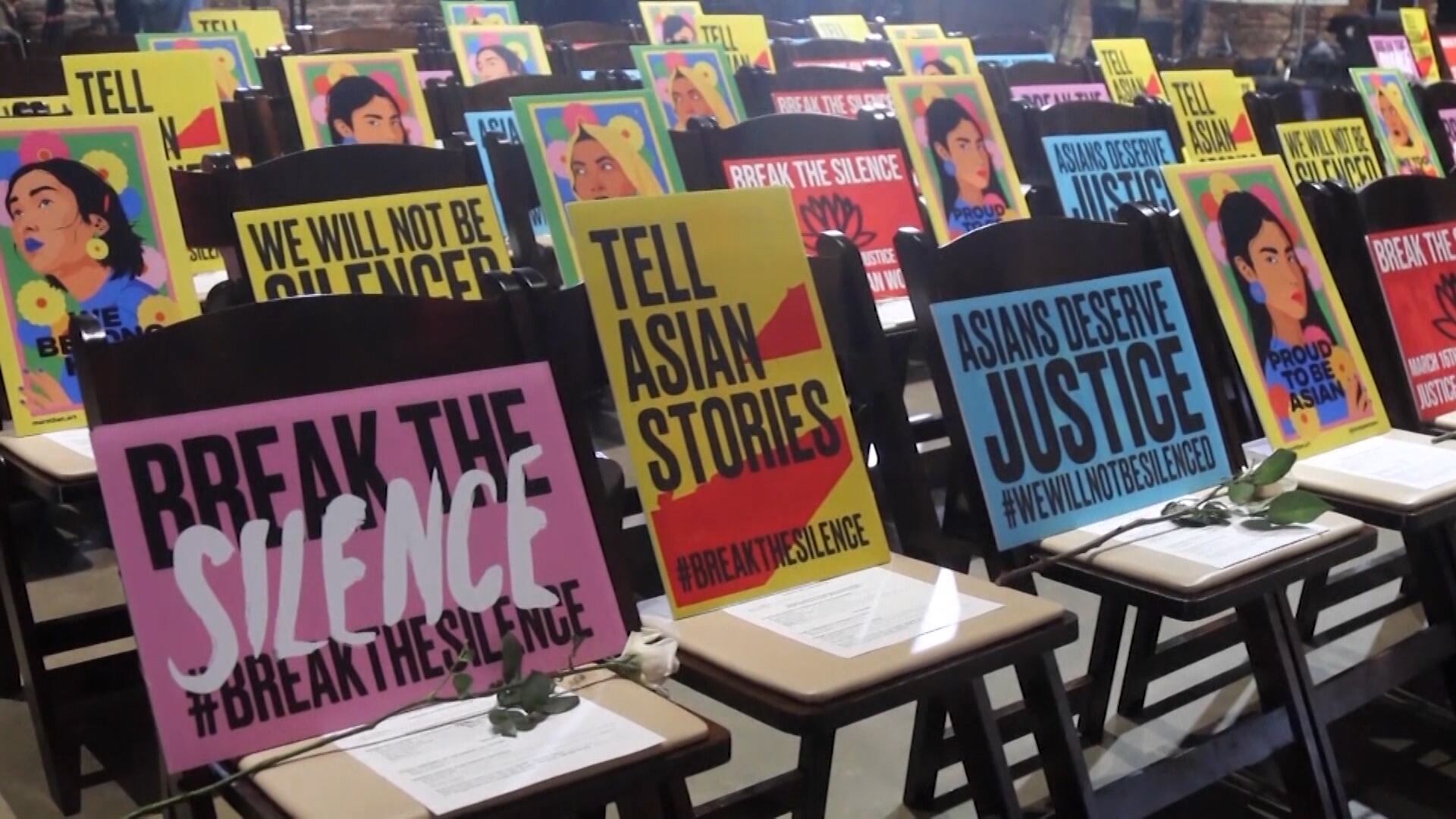
Hate crimes from the start of 2022 against Asians reportedly more than doubled compared to 2021, according to the NYPD. Amid the surge of attacks, Amber Reed, the president and co-founder of the grassroots organization AAPI Montclair, joined Cheddar News to talk about how it's looking to help Asian Americans with classes and techniques to defend themselves. “We're seeing racism literally killing people who look like us, and these self defense classes are a chance for us to rewrite a narrative of victimhood into one of empowerment," she said. "We learn first how to be aware of our surroundings because we know that being distracted, appearing weak can make you a target, and then that we focus on disengagement."