Refrigerated trailers are seen parked at the site of a makeshift morgue being built in New York, Wednesday, March 25, 2020. (AP Photo/Mary Altaffer)
New York City could start burying its dead in city parks if the mortality rate from coronavirus doesn’t decline soon, according to City Council Health Committee Chair Mark Levine.
“Soon we'll start ‘temporary interment’. This likely will be done by using a NYC park for burials (yes you read that right). Trenches will be dug for 10 caskets in a line,” Levine tweeted on Monday, adding that “it will be tough for NYers to take.”
Just as the number of COVID-19 infections has overwhelmed New York City hospitals, the number of deaths has begun to overwhelm the death care infrastructure, including the city’s system of morgues and now, it would seem, cemeteries. To supplement existing city- and hospital-owned morgues, the Office of the Chief Medical Examiner (OCME) purchased 45 refrigerated trucks to act as temporary morgues on top of 85 supplied by the Federal Emergency Management Agency (FEMA). According to Levine, most of those temporary morgues are now full and families with loved ones who have passed away due to COVID-19 are struggling to find funeral homes and cemeteries that will handle their deceased.
“Grieving families report calling as many as half a dozen funeral homes and finding none that can handle their deceased loved ones. Cemeteries are not able to handle the number of burial requests and are turning most down,” he wrote.
The councilmember’s comments attracted quite a bit of attention on Monday, earning more than 1,500 retweets and 1,800 likes, prompting Levine to clarify his earlier claims. In a later tweet, he called interment in city parks a “contingency” that wouldn’t be necessary if the death rate drops enough.
New York City Mayor Bill de Blasio told the New York Times that although the city has the ability to temporarily bury the dead if needed, the city was “not at the point that we’re going to go into that.” Cuomo pleaded ignorance of the plan altogether, saying that he’d heard “a lot of wild rumors,” but never anything about burials in city parks, according to the Times.
Aja Worthy-Davis, an OCME spokesperson, said the city is only conducting city burials at Hart Island in the Bronx for now.
Reports out of overwhelmed countries like Italy and Ecuador detail coffins awaiting burial in churches and on streets, and horror stories of families living with deceased loved ones, sometimes for days, because of an overwhelmed death care system.
“The goal is to avoid scenes like those in Italy, where the military was forced to collect bodies from churches and even off the streets,” Levine wrote on Monday.
Developers for the video game "Call of Duty: Warzone" staged a walkout in protest of 12 quality assurance testers being laid off by parent company Activision Blizzard. This marks the latest work stoppage for the embattled game publishing giant.
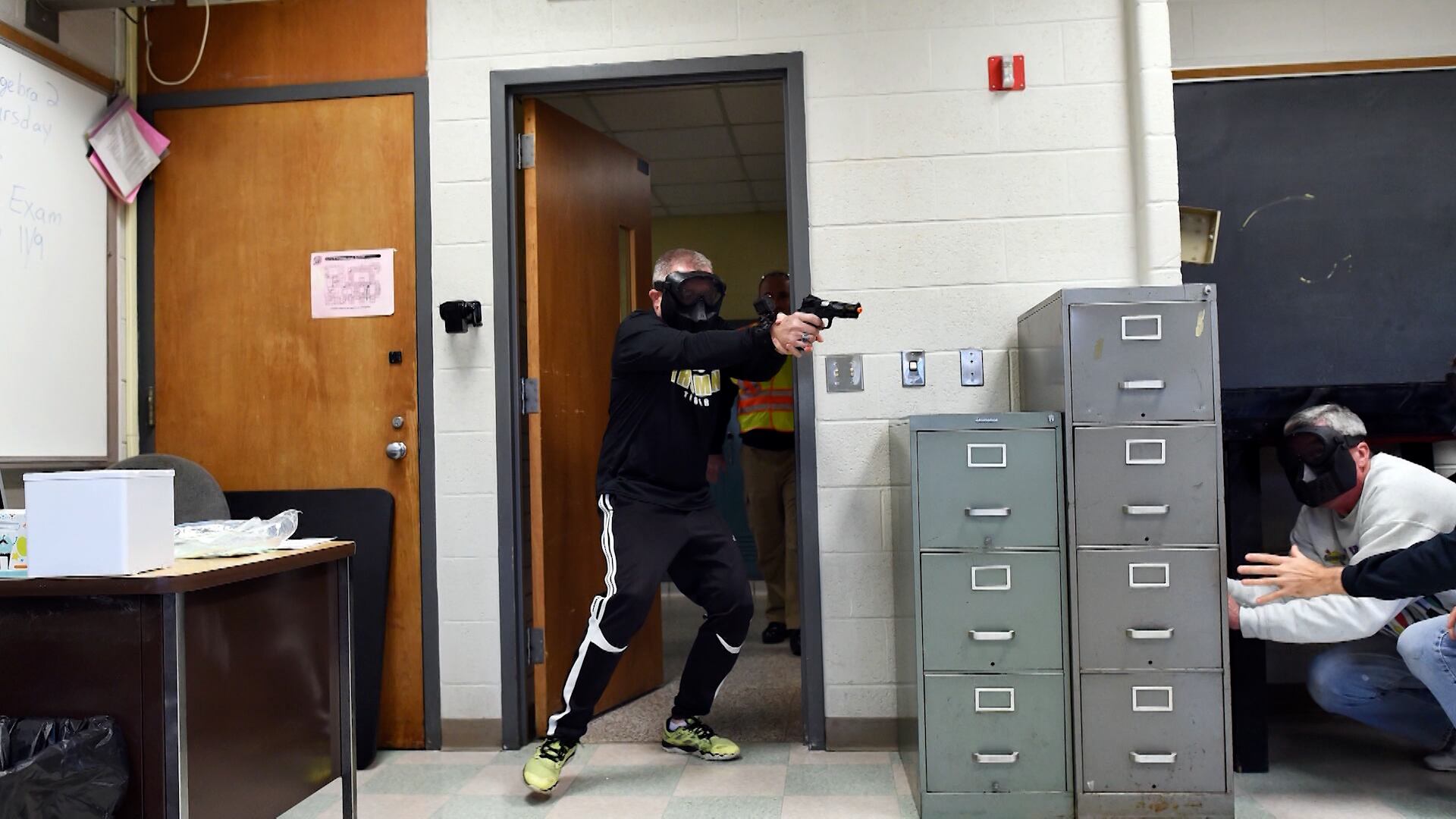
The most recent school shooting in Michigan is highlighting the tragic fact that U.S. shootings on campuses are ticking up. The aftermath of these incidents leaves students, faculty, and families suffering intense trauma with lasting effects. Darby Fox, an adolescent family therapist, joins Cheddar News to discuss how school shootings impact the mental health of students and their families.
With so many high-profile court cases taking over the media, from the trial over the murder of Ahmaud Arbery to the trial of Kyle Rittenhouse to the ongoing Elizabeth Holmes trial, Cheddar took a look at these cases and why there is such a big interest in them. Rachel Fiset, a white collar criminal defense lawyer and partner with Zeiback, Fiset, and Coleman, and Bryan Hance, attorney-at-law, professor, and academic program director of the pre-law and paralegal studies program at National University, joined Cheddar for a roundtable discussion on why there is so much public interest in so-called courtroom drama.
2022 is just around the corner and one of the world's most famous trendspotters says that there is a wide-ranging mix of trends coming up in the new year that could impact businesses, culture, and our society at large.
Trendspotter and cultural zeitgeist analyst Marian Salzman, joined Cheddar to discuss more.
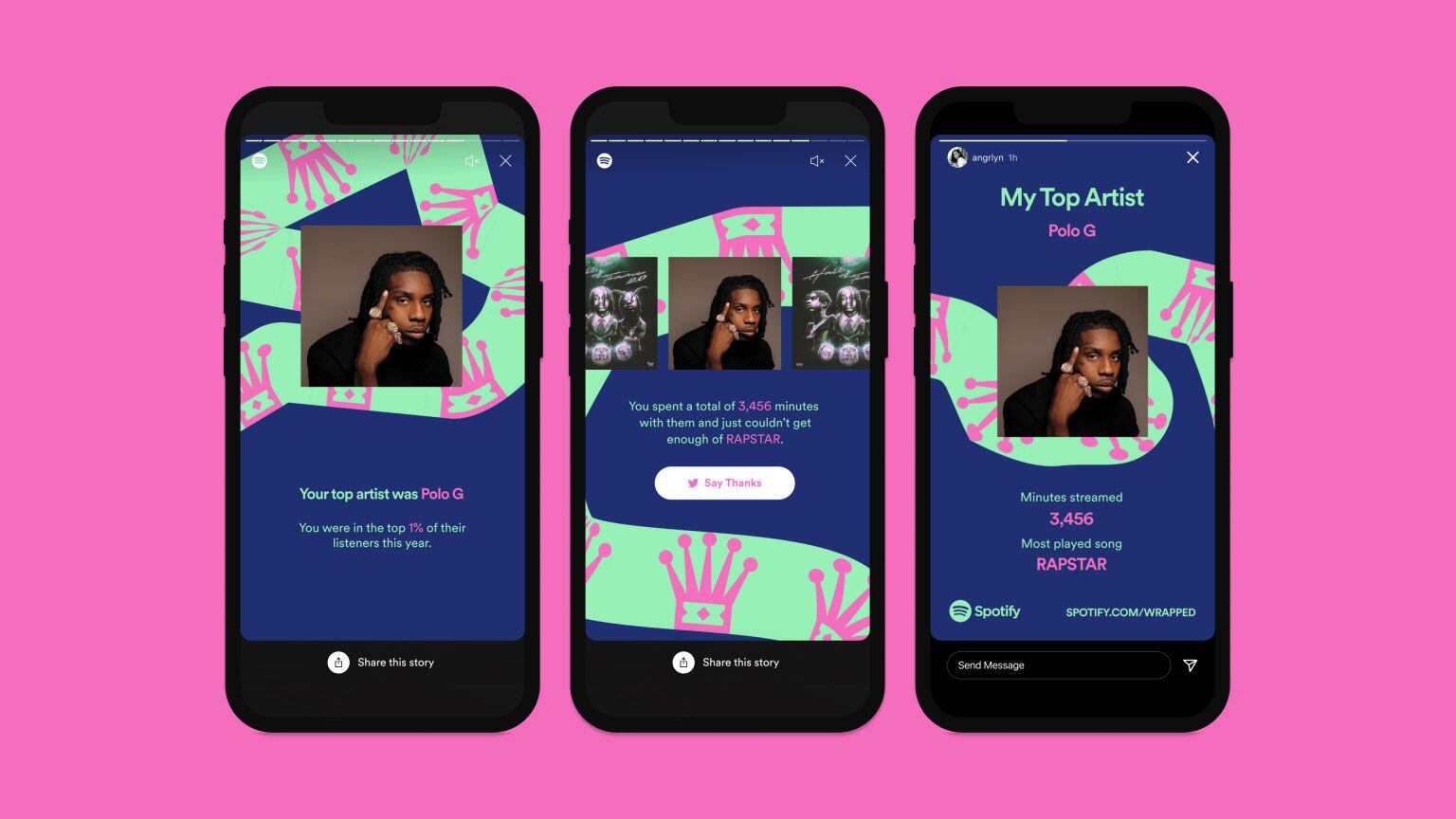
Spotify has just officially released its 2021 'Wrapped'. For the past few years, the streaming giant has been presenting customers with their listening habits from the prior year, including favorite artists, most listened to the genre, podcasts, songs you name it. However, critics say this method just shows how apps can collect our data. CEO of Prevailion Karim Hijazi, joined Cheddar to discuss more.
Recent internal documents obtained by the New York Times reveal how exactly TikTok's algorithm works. The report highlights how the app is mainly focused on retaining two metrics which are retention and time spent. In addition, the document titled, "TikTok Algo 101" details how the algorithm understands human nature from when we get bored to our sensitivity and culture ques. It means the app monitors will kind of videos you like. Professor of Computer Science at the University of California in San Diego Julian McCauley, joined Cheddar to discuss more.
According to a recent study by a group of international researchers, artificial intelligence can predict new illegal drugs before they hit the streets. This method could help save lives and fight crime. Professor of Computing Science at the University of Alberta, joined Cheddar to discuss more.
Carlo and Baker discuss the sweeping new vaccine mandate in NYC that will target all private businesses. Plus, Trump's media venture gets its CEO and more.